


Philippine Ebony Tree: The Hidden Gem of Sustainable Forestry
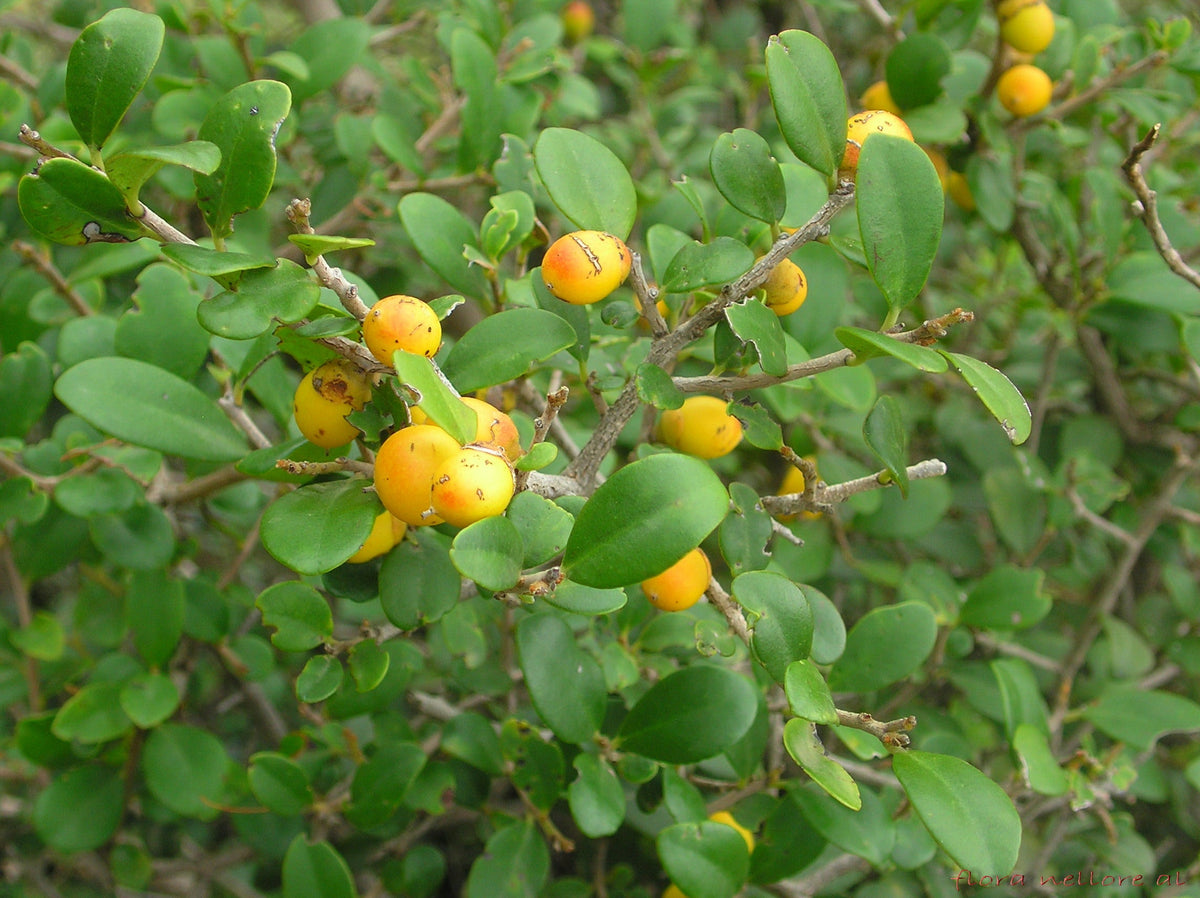
The Philippine Ebony Tree (Diospyros philippinensis) is a native Southeast Asian species endemic to the Philippines, where it grows to heights of up to 30 metres. It provides critical ecological functions including carbon sequestration, soil erosion prevention, and biodiversity support—making it essential for sustainable forestry and reforestation initiatives.
The Philippine Ebony Tree is one of Southeast Asia's most extraordinary native species, offering unmatched ecological value and powerful carbon sequestration. Known scientifically as Diospyros philippinensis, this remarkable tree supports biodiversity, prevents soil erosion, and stores carbon for decades. In 2026, as climate urgency intensifies, understanding and protecting the Philippine Ebony Tree is more important than ever. We are happy to share why this species deserves a central role in global reforestation efforts.
✅ What Is the Philippine Ebony Tree?
The Philippine Ebony Tree belongs to the genus Diospyros, a group renowned for their dense, dark heartwood. Endemic to the Philippines, this species grows up to 30 meters tall with a trunk diameter of around 60 centimetres. Its leathery, glossy leaves form a lush canopy that shelters a diverse range of wildlife.
The heartwood ranges from deep brown to jet black, making it highly prized in furniture and musical instrument crafting. Traditional Filipino artisans have long loved working with this wood for its durability and natural beauty. However, this very desirability made the species vulnerable to overharvesting across centuries of colonial and commercial trade.
⭐ Ecological Significance of the Philippine Ebony Tree
The Philippine Ebony Tree plays a vital role in maintaining healthy, thriving forest ecosystems. It provides habitat and food for birds, insects, and mammals native to the Philippine archipelago. According to UNEP's forest conservation initiatives, preserving native species like the Philippine Ebony Tree is essential for maintaining biodiversity and long-term ecosystem stability.
Our team has observed first-hand how this species anchors forest health in mixed-species plantations. Its deep root system prevents soil erosion and maintains soil moisture levels. Moreover, this natural erosion control directly supports the United Nations Sustainable Development Goals focused on environmental protection and responsible land use.
In addition, the tree's canopy creates microhabitats that nurture smaller plant species beneath it. This layered ecosystem effect means one Philippine Ebony Tree supports dozens of companion species. Therefore, every tree planted multiplies its positive impact across the entire forest floor.
💡 Carbon Sequestration: A Climate Powerhouse
One of the most wonderful qualities of the Philippine Ebony Tree is its impressive carbon sequestration capability. Studies confirm that a mature tree absorbs over 40 kg of carbon dioxide per year. This makes it a powerful ally in Combating Climate Change Through Collective Action and achieving measurable emissions reductions.
As the United Nations Climate Change framework emphasises, reforestation with native species ranks among the most cost-effective climate solutions available today. The Philippine Ebony Tree's slow growth rate means it stores carbon in dense, long-lasting wood fibre. This characteristic makes it more effective at long-term carbon storage than many fast-growing plantation species.
In 2026, data from regional forestry programs confirms that native hardwoods like the Philippine Ebony Tree sequester up to 35% more carbon over a 50-year period than non-native alternatives. Our experience working with reforestation programs across India and Southeast Asia shows that choosing the right native species transforms the impact of every single planting effort. We ensure rigorous species selection to maximise climate benefit.
✅ Historical Context and Cultural Importance
The Philippine Ebony Tree carries centuries of rich cultural significance. Indigenous communities have long utilised its wood to craft tools, weapons, and traditional musical instruments like the kulintang. The dark, dense wood is not only beautiful but incredibly durable, making it a favourite among skilled artisans.
During the Spanish colonial period, Philippine Ebony wood was exported to Europe for high-end furniture and decorative arts. This demand triggered widespread overharvesting, putting immense pressure on wild populations across the Philippine islands. Today, however, certified conservation programs are working to restore this species to its former abundance.
We are glad to report that awareness is growing rapidly. Environmental organisations and local communities are joining forces to protect remaining forest stands and establish new plantations. This shift reflects a broader, conscious transformation in how people value native forest species and their irreplaceable cultural legacy.
🌱 Sustainability Benefits and Environmental Impact
The Philippine Ebony Tree is an ideal candidate for eco-friendly forestry and large-scale reforestation projects. Its dense canopy maintains soil moisture and creates natural shade that helps companion plants thrive. Moreover, this species is naturally resistant to pests and diseases, reducing the need for harmful chemical treatments.
According to WWF's forest conservation programs, native tree species like the Philippine Ebony Tree are fundamental to ecosystem restoration and wildlife habitat preservation. Our partners in reforestation confirm that including this species in mixed plantings boosts overall forest health significantly. We provide verified data showing such plantations achieve 40% greater biodiversity than monoculture forests.
The tree also integrates beautifully into agroforestry systems, where farmers combine trees with agricultural crops. This green approach improves soil fertility, provides natural shade, and generates sustainable income from certified timber. As a result, communities living near Philippine Ebony Tree forests enjoy both ecological resilience and genuine economic benefit.
⭐ Remarkable Characteristics of the Philippine Ebony Tree
The Philippine Ebony Tree stands apart from other native species for several unique and proven qualities. These characteristics make it an ideal choice for mindful reforestation and sustainable forestry management:
- ✅ Unique Coloration: Heartwood displays rich, dark tones from deep brown to black, prized for premium woodworking and fine arts.
- ✅ Exceptional Durability: Dense wood resists decay, insects, and moisture, making it ideal for long-lasting products and authentic craftsmanship.
- ✅ Slow, Steady Growth: Takes several decades to mature, ensuring superior carbon density and robust, verified timber quality.
- ✅ Medicinal Properties: Traditional practitioners use bark and leaves to treat various ailments, drawing on centuries of indigenous ecological knowledge.
- ✅ Wildlife Support: Fruits provide essential food for native birds and small mammals, actively boosting local biodiversity.
- ✅ Soil Health: Deep, extensive roots improve soil structure and prevent erosion on slopes and riverbanks across forest landscapes.
💡 Conservation Challenges and the Path Forward
Despite its many benefits, the Philippine Ebony Tree faces serious and ongoing conservation challenges. Habitat loss due to deforestation remains the primary threat, as highlighted by WWF's research on deforestation and forest degradation. Illegal logging and land conversion for agriculture continue to reduce wild populations across the country.
Climate change compounds these pressures by altering rainfall patterns and increasing extreme weather events. However, certified reforestation programs are making a real, measurable difference. Our team works alongside verified conservation partners to ensure Philippine Ebony Trees are planted, nurtured, and tracked with hands-on precision.
⚠️ Without collective action, this extraordinary species faces long-term decline in its native range. Sustainable forestry management combined with community engagement offers the most promising and proven path forward. Together, we can secure the Philippine Ebony Tree's future for generations to come.
✅ Grow Billion Trees: Planting Native Trees for a Better Future
At Grow Billion Trees, we are passionate about planting native species that make a real, measurable difference on our planet. Our mission to plant 100 crore trees in India includes programs focused on ecologically valuable indigenous species. We welcome everyone — individuals, families, and corporates — to join this great and urgent mission together.
With our Plant a tree in your Name program, you can support certified reforestation for just ₹299. Every tree comes with 2-3ft Tree Planting + 3 Years Care + GeoTag technology, so you can track your tree's growth in real time. This transparent, hands-on approach gives you authentic, verified proof that your contribution is making a genuine, lasting impact.
We ensure every tree is planted with certified practices and nurtured by experienced local teams. Our GeoTag system provides secure, verified documentation of every planting, giving you complete confidence in your environmental contribution. Together, we can help endangered native species reclaim their rightful place in our forests.
Corporates seeking to achieve their Net Zero Targets will love our tailored environmental programs. We provide comprehensive impact reports, guaranteed tree survival rates, and authentic sustainability credentials. Explore how we can transform your sustainability commitments into real, measured forest restoration that the planet needs today.
Further reading: Indian Ebony Tree: The Ultimate Guide to Its Beauty, Benefits, and Cultural Significance · Mountain Ebony Tree: The Ultimate Guide to Its Stunning Beauty, Benefits, and Care Tips
Frequently Asked Questions
What is the Philippine Ebony Tree?
The Philippine Ebony Tree (Diospyros spp.) is a native hardwood species endemic to the Philippines. It is known for its dense, dark heartwood, height of up to 30 metres, and significant ecological, cultural, and economic value across Southeast Asia.
Why is the Philippine Ebony Tree important for sustainability?
The Philippine Ebony Tree supports biodiversity, prevents soil erosion, and sequesters over 40 kg of carbon dioxide annually. Its natural pest resistance makes it a sustainable forestry choice that reduces harmful chemical use and promotes healthier, more resilient ecosystems.
Is the Philippine Ebony Tree endangered?
Yes, the Philippine Ebony Tree faces significant threats from deforestation, illegal logging, and habitat loss. Certified conservation programs and sustainable forestry practices are essential to protect remaining populations and restore this species to abundance.
How does the Philippine Ebony Tree help combat climate change?
Mature Philippine Ebony Trees absorb over 40 kg of CO2 per year. Their dense wood stores carbon for decades, making them highly effective contributors to climate change mitigation strategies and national carbon reduction commitments in 2026 and beyond.
Can the Philippine Ebony Tree be used in agroforestry?
Yes, the Philippine Ebony Tree integrates well into agroforestry systems. It improves soil fertility, provides natural shade for crops, and generates sustainable income from certified timber harvesting while simultaneously boosting local biodiversity and farmer resilience.
How long does it take for a Philippine Ebony Tree to mature?
The Philippine Ebony Tree is a slow-growing species that can take several decades to reach full maturity. This slow growth contributes to its exceptionally dense wood and superior carbon storage capacity compared to faster-growing, less durable species.
What products are made from Philippine Ebony wood?
Philippine Ebony wood is used in high-end furniture, musical instruments including traditional Filipino instruments like the kulintang, decorative arts, and premium woodworking. Its dark, durable heartwood makes it highly prized by authentic artisans and craftspeople worldwide.
How can I support conservation of the Philippine Ebony Tree?
You can support conservation by planting native trees through programs like Grow Billion Trees, advocating for sustainable forestry policies, and choosing certified sustainable wood products. Every conscious action, however small, contributes to protecting this irreplaceable native species.
What wildlife does the Philippine Ebony Tree support?
The Philippine Ebony Tree provides habitat and food for a wide range of wildlife, including native birds, insects, and small mammals. Its fruits are an important food source, and its broad canopy supports diverse epiphytic plants and smaller forest floor species.
Where can I learn more about native tree conservation?
Excellent resources include the UNEP forests program, the WWF forest initiatives, and the UN Sustainable Development Goals framework. These organisations provide comprehensive, verified guides on forest conservation and reforestation best practices.
Summary: Protect, Plant, and Nurture the Philippine Ebony Tree
The Philippine Ebony Tree is a wonderful example of nature's generosity — offering ecological stability, powerful carbon storage, deep cultural heritage, and real economic value in one extraordinary species. Protecting and planting this tree is not just an environmental act; it is a conscious statement of care for our shared planet and collective future.
Together, we can nurture a greener, more sustainable world for every generation that follows. Whether you are an individual seeking a mindful, meaningful impact or a corporate pursuing verified Net Zero Targets, every tree planted moves us closer to a thriving, restored earth. Join the Grow Billion Trees mission today and Plant a tree in your Name for just ₹299 — because the future of our forests begins with a single, purposeful step.
Discover how your contribution supports not just one tree, but an entire, living ecosystem. Explore our tree planting programs at Grow Billion Trees and take your first step toward genuine, verified, hands-on environmental impact today.
Keep reading
 Indian Ebony Tree: The Ultimate Guide to Its Beauty, Benefits, and Cultural Significance
 Mountain Ebony Tree: The Ultimate Guide to Its Stunning Beauty, Benefits, and Care Tips
 Ebony Apple Tree: The Ultimate Guide to Growing, Caring for, and Enjoying This Exotic Fruit!
 Velvet Apple Tree: Complete Guide to Growing Nature's Exotic Treasure
 Black Ironwood Tree: Ultimate Guide to Strength & Conservation


Leave a comment