
Black Ironwood Tree: Ultimate Guide to Strength & Conservation
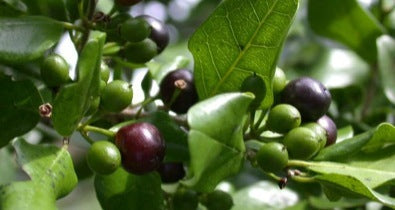
Black Ironwood (Krugiodendron ferreum) is one of the hardest woods available, with a Janka hardness rating exceeding 3,660 lbf, surpassing oak and maple. Its dense structure provides resistance to decay and insects, making it suitable for durable applications. Beyond its strength, the tree serves ecological functions in tropical forest ecosystems and supports sustainable forestry practices.
The Black Ironwood tree stands as one of nature's most resilient specimens, offering exceptional hardness with a Janka rating exceeding 3,660 lbf. This remarkable species (Krugiodendron ferreum) combines extraordinary strength with vital ecological functions, making it a cornerstone of tropical forest ecosystems and sustainable forestry practices.
✅ Remarkable Strength and Durability
The Black Ironwood tree is celebrated for its density and strength, making it one of the hardest woods available. With a Janka hardness rating that can exceed 3,660 lbf (pounds-force), it surpasses many traditional hardwoods like oak and maple. This incredible toughness stems from the tree's dense cellular structure, which allows it to withstand significant wear and tear.
Due to its strength, Black Ironwood has historically been used in various applications, including tool handles, furniture, and even musical instruments. The wood's resistance to decay and insect damage further enhances its desirability. In fact, the durability of Black Ironwood makes it an excellent choice for outdoor projects, where exposure to the elements can quickly degrade lesser woods.
⭐ Key strength characteristics include:
- Exceptional hardness rating of 3,660+ lbf
- Superior resistance to decay and insects
- Dense cellular structure for maximum durability
- Ideal for high-stress applications and outdoor use
🌿 Unique Features and Physical Characteristics
Beyond its strength, the Black Ironwood tree possesses several unique features that set it apart from other species. One of the most notable characteristics is its dark, almost black heartwood, which contrasts beautifully with the lighter sapwood. This striking color variation makes Black Ironwood a popular choice for decorative applications, such as fine cabinetry and flooring.
The tree can grow up to 30 feet tall and typically reaches a diameter of 12 to 24 inches. Its leaves are leathery and glossy, providing a lush green canopy that is highly valued in landscaping. Additionally, the Black Ironwood tree produces small, inconspicuous flowers that attract various pollinators, contributing to the biodiversity of its native habitats.
Physical specifications:
- Height: Up to 30 feet at maturity
- Diameter: 12-24 inches typically
- Distinctive dark heartwood with lighter sapwood
- Glossy, leathery leaves forming dense canopy
- Small flowers supporting pollinator populations
🌍 Ecological Importance and Environmental Impact
The Black Ironwood tree plays a crucial role in its ecosystem as a native species supporting local wildlife. According to the United Nations Environment Programme, native forest species like Black Ironwood are essential for maintaining biodiversity and ecosystem stability. Birds, insects, and other animals depend on the tree for shelter and sustenance, while its dense foliage helps regulate temperature and humidity.
Moreover, Black Ironwood trees contribute significantly to soil health through their deep root systems that prevent erosion. Their leaf litter enriches the soil with nutrients as it decomposes, creating vital nutrient cycling that maintains forest ecosystem health and supports other plant species.
The environmental impact extends to climate regulation. As highlighted by the United Nations Climate Change initiative, trees like Black Ironwood serve as carbon sinks, absorbing CO2 from the atmosphere and helping mitigate global warming effects.
📍 Native Range and Distribution
Native to the tropical regions of the Americas, the Black Ironwood tree thrives particularly in the Caribbean and parts of Central and South America. These regions provide the ideal climate conditions for the species to develop its characteristic strength and unique features.
The tree's natural habitat includes coastal areas, dry forests, and limestone-based soils. This adaptability to various soil types and environmental conditions makes Black Ironwood a valuable species for reforestation efforts in tropical regions.
🏛️ Historical Significance and Cultural Value
Historically, the Black Ironwood tree has been significant to various cultures. Indigenous peoples in the Caribbean and Central America have utilized its wood for centuries, crafting tools, weapons, and ceremonial objects. The strength of the wood made it ideal for creating durable items that could withstand the rigors of daily life.
In addition to its practical uses, the Black Ironwood tree holds cultural significance in many communities. It is often associated with resilience and strength, symbolizing the enduring spirit of those who rely on it for their livelihoods. As awareness of the tree's importance grows, efforts to preserve and promote its cultivation have become increasingly vital.
⚠️ Conservation Challenges and Threats
Despite its ecological importance, Black Ironwood trees face significant threats from deforestation and habitat loss. The World Wildlife Fund reports that tropical forests continue to face pressure from urbanization and agricultural expansion, putting native species like Black Ironwood at risk.
As development continues to encroach on natural habitats, the survival of these trees becomes increasingly precarious. Climate change also poses additional challenges, altering precipitation patterns and temperature ranges that these trees have adapted to over centuries.
🌱 Combating Climate Change Through Collective Action
Organizations like Grow Billion Trees are working diligently to conserve and restore Black Ironwood populations. Our mission to Plant a tree in your Name for just ₹299 includes supporting native species conservation through specialized programs. With our goal of planting 100 crore trees by 2030, we're helping communities and corporations achieve their Net Zero Targets while preserving vital species like Black Ironwood.
Our comprehensive approach includes 2-3ft Tree Planting + 3 Years Care + GeoTag technology, ensuring each planted tree receives proper nurturing and monitoring. Through partnerships with local communities and environmental organizations, we create sustainable futures for forests and their ecosystems.
💡 Sustainable Uses and Applications
The remarkable properties of Black Ironwood make it valuable for numerous sustainable applications:
- Fine woodworking: Premium furniture and cabinetry
- Musical instruments: High-quality guitar fretboards and percussion instruments
- Tool handles: Durable hand tools requiring strength
- Architectural elements: Decorative features and structural components
- Landscaping: Ornamental trees for urban forestry projects
When sourced responsibly, Black Ironwood provides sustainable alternatives to synthetic materials while supporting local economies and conservation efforts.
🔬 Research and Scientific Studies
Recent scientific research has revealed additional benefits of Black Ironwood trees beyond their physical properties. Studies indicate that mature Black Ironwood specimens can sequester significant amounts of carbon dioxide, making them valuable allies in climate change mitigation efforts.
Research also shows that Black Ironwood's unique wood structure contains natural compounds that contribute to its pest resistance, reducing the need for chemical treatments in applications. This natural durability makes it an environmentally friendly choice for sustainable construction and manufacturing.
Further reading: Ironwood Tree: Strength in Simplicity · Ceylon Ironwood Tree: Unveiling the Mysteries and Benefits of Nature's Resilient Wonder
Frequently Asked Questions
What makes Black Ironwood so strong compared to other trees?
Black Ironwood's exceptional strength comes from its extremely dense cellular structure and high lignin content. With a Janka hardness rating exceeding 3,660 lbf, it's significantly harder than most commercial hardwoods, making it one of the strongest natural materials available.
Where can Black Ironwood trees naturally be found?
Black Ironwood trees are native to tropical regions of the Americas, particularly the Caribbean islands and parts of Central and South America. They thrive in coastal areas, dry forests, and limestone-based soils with warm, humid climates.
How long does it take for a Black Ironwood tree to mature?
Black Ironwood trees are slow-growing species that can take 50-100 years to reach full maturity. This slow growth contributes to their exceptional density and strength, as the wood fibers develop very tightly over time.
Can Black Ironwood trees be grown outside their native range?
While possible in similar tropical climates, Black Ironwood trees perform best in their native habitats. Successful cultivation outside their range requires careful attention to soil conditions, temperature, and humidity levels that mimic their natural environment.
What role do Black Ironwood trees play in fighting climate change?
Black Ironwood trees are excellent carbon sinks, absorbing significant amounts of CO2 from the atmosphere. Their slow growth and dense wood structure mean they store carbon for extended periods, making them valuable for climate change mitigation efforts.
How does Grow Billion Trees support Black Ironwood conservation?
Grow Billion Trees supports Black Ironwood conservation through specialized native species planting programs, community partnerships, and sustainable forestry practices. Our comprehensive approach includes 3 years of care and GeoTag monitoring for each planted tree.
What are the main threats to Black Ironwood populations?
The primary threats include deforestation for agriculture and development, habitat fragmentation, climate change impacts, and over-harvesting for the valuable timber. Conservation efforts focus on protecting existing populations and establishing new plantings.
Is Black Ironwood suitable for sustainable woodworking projects?
Yes, when sourced from certified sustainable operations or fallen trees, Black Ironwood provides an excellent eco-friendly option for high-end woodworking. Its natural durability reduces the need for chemical treatments and ensures long-lasting products.
How can individuals support Black Ironwood conservation efforts?
Individuals can support conservation by choosing sustainably sourced wood products, participating in reforestation programs, and supporting organizations like Grow Billion Trees that focus on native species preservation and ecosystem restoration.
What makes Black Ironwood ecologically important?
Black Ironwood serves as a keystone species in tropical ecosystems, providing habitat for wildlife, preventing soil erosion, contributing to nutrient cycling, and supporting biodiversity. Its presence indicates healthy forest ecosystem functioning.The Black Ironwood tree represents nature's perfect combination of strength, beauty, and ecological importance. As we face increasing environmental challenges, preserving and promoting species like Black Ironwood becomes crucial for maintaining biodiversity and combating climate change. Through collective action and sustainable practices, we can ensure these remarkable trees continue to thrive for future generations.Ready to make a difference? Plant a tree in your name today and join our mission to create a greener, more sustainable future through reforestation and conservation efforts.
Keep reading
 Ironwood Tree: Strength in Simplicity
 Ceylon Ironwood Tree: Unveiling the Mysteries and Benefits of Nature's Resilient Wonder
 Desert Ironwood Tree: The Ultimate Guide to Its Remarkable Resilience
 Tulipwood: The Ultimate Guide to This Stunning Timber
 Indian Ebony Tree: The Ultimate Guide to Its Beauty, Benefits, and Cultural Significance


Comments
Leave a comment