
River Sheoak Tree: The Ultimate Guide to This Resilient Beauty
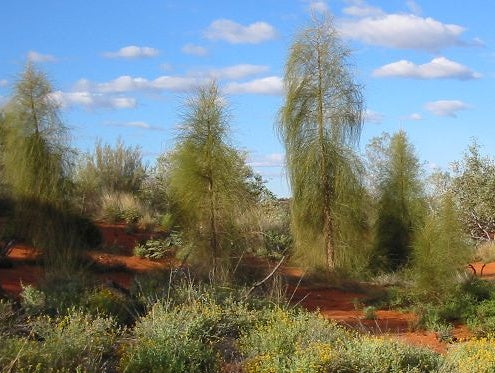
The River Sheoak Tree (Allocasuarina luehmannii), an Australian native evergreen from the Casuarinaceae family, displays exceptional resilience and thrives in challenging conditions. Reaching up to 15 metres tall with a dioecious reproduction system and wind-dispersed seeds, it contributes to biodiversity and offers benefits for reforestation and land restoration projects.
The River Sheoak Tree (Allocasuarina luehmannii) stands as one of Australia's most remarkable native species, offering exceptional resilience and profound ecological benefits. This evergreen beauty can thrive in challenging conditions while providing crucial environmental services that support biodiversity and combat climate change. For those seeking to understand Australia's natural heritage or contribute to reforestation efforts, the River Sheoak Tree represents an ideal choice for sustainable land management and restoration projects.
✅ Biology and Characteristics of River Sheoak Tree
The River Sheoak Tree belongs to the Casuarinaceae family, a group of trees and shrubs predominantly found in Australia and New Guinea. This impressive evergreen can reach heights of up to 15 meters with a trunk diameter of approximately 1 meter. Despite its needle-like foliage resembling conifers, the River Sheoak Tree is actually a flowering plant with unique botanical characteristics.
The tree's dark brown, rough bark provides distinctive texture and visual appeal. One of the most fascinating aspects of the River Sheoak Tree is its dioecious nature - male and female flowers develop on separate trees. Male flowers produce pollen while female flowers develop into woody cones containing lightweight seeds perfectly adapted for wind dispersal.
This reproductive strategy enables the River Sheoak Tree to effectively colonize new areas and establish sustainable populations. The tree's extensive root system forms symbiotic relationships with nitrogen-fixing bacteria, enhancing soil fertility naturally.
⭐ Ecological Importance and Environmental Benefits
River Sheoak Trees serve as ecological powerhouses in their native habitats, particularly in riparian zones where land meets water. These remarkable trees provide multiple environmental benefits that are crucial for ecosystem health and stability.
Soil Stabilization and Erosion Control
The extensive root system of the River Sheoak Tree creates a natural barrier against soil erosion, particularly valuable along riverbanks and floodplains. This characteristic makes it an excellent choice for restoration projects in degraded landscapes where soil stability is compromised.
Wildlife Habitat and Food Source
River Sheoak Trees provide essential habitat and food sources for diverse wildlife species including birds, insects, and mammals. The seeds serve as nutritious food for many birds and small animals, while the tree structure offers nesting sites and shelter.
Water Retention and Management
These trees contribute significantly to water retention in their environments, which is vital for maintaining healthy ecosystems, especially in arid regions. Their ability to manage water resources makes them valuable allies in climate adaptation strategies.
Nitrogen Fixation
Like many Casuarinaceae family members, River Sheoak Trees maintain symbiotic relationships with nitrogen-fixing bacteria, naturally enhancing soil fertility and supporting surrounding vegetation.
🌱 Historical and Cultural Significance
The River Sheoak Tree has been integral to Australian culture for thousands of years. Indigenous Australians developed profound connections with this species, utilizing its resources for traditional practices and daily life.
The wood's exceptional hardness made it valuable for creating tools, weapons, and musical instruments. Traditional medicine practices also incorporated the tree's bark and foliage. During European settlement in the 18th century, River Sheoak Trees gained recognition for their timber quality, used extensively for building purposes and fuel.
Their adaptability to various soil types and climates made them popular choices for land reclamation and erosion control in agricultural practices, establishing their importance in Australia's development history.
💡 Conservation and Climate Action
As climate change and habitat destruction continue threatening biodiversity, conserving native species like the River Sheoak Tree becomes increasingly critical. According to the United Nations Climate Change initiative, reforestation with native species plays a crucial role in mitigating climate impacts and preserving ecosystems.
The tree's resilience and adaptability to harsh conditions make it invaluable for restoration projects aimed at combating land degradation and promoting biodiversity. Research supported by the United Nations Environment Programme on forests demonstrates that native tree species like the River Sheoak Tree are essential for sustainable ecosystem restoration.
Organizations worldwide recognize the importance of native species conservation, with the World Wildlife Fund's forest conservation initiatives emphasizing the critical role of native trees in maintaining ecological balance and supporting wildlife populations.
🌿 Grow Billion Trees: Combating Climate Change Through Collective Action
At Grow Billion Trees, we recognize the exceptional value of native species like the River Sheoak Tree in our mission to plant 100 crore trees across India. While the River Sheoak Tree is native to Australia, our commitment to native species conservation and reforestation aligns with global efforts to restore ecosystems and enhance biodiversity.
Our approach focuses on Plant a tree in your Name for just ₹299, providing comprehensive care including 2-3ft Tree Planting + 3 Years Care + GeoTag technology. This ensures each tree receives proper nurturing and monitoring, maximizing survival rates and environmental impact.
Through our various programs including Miyawaki forest creation, agroforestry, and mangrove restoration, we work toward Net Zero Targets while supporting communities and wildlife. Our technology-driven approach with GeoTag tracking allows supporters to monitor their tree's growth and environmental contribution.
🌍 Planting and Care Requirements
River Sheoak Trees demonstrate remarkable adaptability, thriving in poor, sandy soils where other species struggle. This resilience makes them excellent choices for challenging restoration sites and urban landscaping projects.
Soil Requirements
These trees prefer well-draining soils and can tolerate various soil types, including sandy and rocky conditions. Their ability to fix nitrogen reduces dependency on soil fertility, making them suitable for degraded landscapes.
Water Needs
River Sheoak Trees exhibit excellent drought tolerance once established, requiring minimal irrigation after the initial establishment period. This characteristic makes them ideal for water-conscious landscaping and restoration projects.
Sunlight and Positioning
Full sun exposure promotes optimal growth, though these adaptable trees can tolerate partial shade. When planning plantings, consider their mature size and provide adequate spacing for healthy development.
Further reading: Australian Buloke Tree: The Ultimate Guide to This Resilient Native Wonder and Its Ecological Benefits · River Red Gum Tree: The Majestic Icon of Australia's Wilderness and Its Untold Secrets
Frequently Asked Questions
What makes the River Sheoak Tree unique among Australian native species?
The River Sheoak Tree stands out for its needle-like foliage that resembles conifers despite being a flowering plant, its dioecious reproductive system, and its exceptional ability to thrive in poor soils while providing nitrogen fixation benefits.
How does the River Sheoak Tree contribute to ecosystem restoration?
River Sheoak Trees provide soil stabilization, prevent erosion, offer wildlife habitat, enhance water retention, and improve soil fertility through nitrogen fixation, making them valuable for comprehensive ecosystem restoration projects.
Can River Sheoak Trees survive in drought conditions?
Yes, River Sheoak Trees demonstrate excellent drought tolerance and can withstand extended dry periods once established, making them resilient choices for arid and semi-arid regions.
What wildlife species benefit from River Sheoak Trees?
Various birds, insects, and small mammals benefit from River Sheoak Trees through seed consumption, nesting sites, and shelter. The trees support biodiversity by providing essential habitat resources.
How long does it take for River Sheoak Trees to mature?
River Sheoak Trees typically reach maturity in 10-15 years under optimal conditions, though they begin providing ecological benefits much earlier in their development.
Are River Sheoak Trees suitable for urban landscaping?
Yes, River Sheoak Trees adapt well to urban environments, providing shade, aesthetic appeal, and environmental benefits while tolerating urban stresses better than many other species.
What traditional uses did Indigenous Australians have for River Sheoak Trees?
Indigenous Australians used River Sheoak wood for tools, weapons, and musical instruments, while utilizing bark and foliage for traditional medicine practices due to the wood's exceptional hardness and durability.
How do River Sheoak Trees support climate change mitigation?
River Sheoak Trees sequester carbon, prevent soil erosion, enhance water retention, and support biodiversity, contributing to climate resilience and ecosystem stability essential for climate change adaptation.
🌟 Environmental Impact and Future Prospects
The River Sheoak Tree represents hope for sustainable environmental management and restoration efforts. Its remarkable resilience, ecological benefits, and cultural significance make it an ideal species for conservation initiatives and climate action strategies.
As we face increasing environmental challenges, native species like the River Sheoak Tree offer proven solutions for ecosystem restoration, biodiversity conservation, and climate change mitigation. Their ability to thrive in challenging conditions while providing essential ecological services makes them invaluable assets for future generations.
Through continued research, conservation efforts, and community engagement, we can ensure that River Sheoak Trees continue to contribute to healthy ecosystems and sustainable landscapes. Organizations like Grow Billion Trees remain committed to supporting native species conservation and reforestation efforts worldwide.
Ready to make a difference in environmental conservation? Explore our tree planting programs and join our mission to create a greener, more sustainable future through collective action and native species restoration.
Keep reading
 Australian Buloke Tree: The Ultimate Guide to This Resilient Native Wonder and Its Ecological Benefits
 River Red Gum Tree: The Majestic Icon of Australia's Wilderness and Its Untold Secrets
 Queensland Kauri Tree: Discover Australia's Rainforest Giants
 Australian Blackwood Tree: The Ultimate Guide to This Stunning Native Gem
 Red Bloodwood Tree: Australia's Vibrant Marvel & Ecological Champion


Leave a comment