
Red Bloodwood Tree: Australia's Vibrant Marvel & Ecological Champion

The Red Bloodwood Tree (Corymbia gummifera) is an Australian native species distinguished by its deep red sap, or kino, that exudes when bark is damaged. Standing 15 to 30 metres tall and living over 100 years, it supports biodiversity and provides essential wildlife habitat. Indigenous Australians have traditionally used its crimson sap as a natural dye and medicine.
The Red Bloodwood Tree (Corymbia gummifera) stands as one of Australia's most remarkable native species, earning its name from the striking crimson sap that flows when its bark is damaged. This magnificent tree serves as both an ecological cornerstone and a cultural treasure, supporting biodiversity while offering sustainable solutions for reforestation projects. With its unique ability to thrive in challenging conditions and provide essential habitat for wildlife, the Red Bloodwood Tree represents nature's resilience and the urgent need for conservation efforts.
✅ Biological Characteristics of the Red Bloodwood Tree
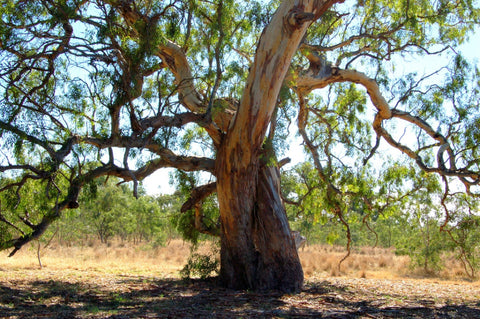
The Red Bloodwood Tree typically reaches impressive heights of 15 to 30 meters and can live for over 100 years, making it a true testament to longevity in the Australian landscape. Its most distinctive feature is the rough, fibrous bark that provides natural protection against harsh environmental conditions and seasonal variations.
One of the most fascinating aspects of this species is its deep red sap, known as kino, which exudes when the bark is damaged. This crimson substance has been utilized by Indigenous Australians for thousands of years as a natural dye and traditional medicine. The glossy green foliage creates a stunning visual contrast against the reddish bark, while clusters of white or cream-colored flowers bloom during late spring to early summer.
These flowering periods are crucial for local ecosystems, as they attract various pollinators including native bees, birds, and beneficial insects. The tree's extensive root system not only provides stability but also plays a vital role in soil conservation and water management across its native habitat.
⭐ Ecological Significance and Environmental Benefits
The ecological importance of the Red Bloodwood Tree extends far beyond its striking appearance. As highlighted by the United Nations Environment Programme's forest conservation initiatives, native tree species like the Red Bloodwood play crucial roles in maintaining biodiversity and ecosystem health.
This remarkable species functions as a pioneer tree, meaning it's among the first to colonize disturbed areas and create favorable conditions for other plant species to establish. Its ability to thrive in poor soil conditions makes it invaluable for land restoration projects and reforestation efforts across Australia's diverse landscapes.
The Red Bloodwood provides essential habitat and food sources for numerous native species. Birds nest in its sturdy branches, while insects find shelter among its glossy leaves. The nectar-rich flowers support pollinator populations, creating a vital link in the ecosystem's food web.
According to the United Nations Climate Change Action framework, trees like the Red Bloodwood are essential for carbon sequestration, helping combat climate change by absorbing significant amounts of carbon dioxide from the atmosphere.
💡 Cultural Heritage and Historical Context
The Red Bloodwood Tree holds profound cultural significance for Indigenous Australians, who have maintained a deep connection with this species for thousands of years. The crimson kino sap served multiple purposes in traditional practices, from creating natural dyes for ceremonial artwork to providing medicinal treatments for various ailments.
Indigenous communities crafted the durable timber into essential tools, weapons, and implements, showcasing the sustainable relationship between people and nature. This traditional knowledge represents invaluable wisdom about forest management and conservation practices that modern conservation efforts continue to learn from today.
During the 19th century, European settlers recognized the commercial value of Red Bloodwood timber. The dense, vibrant red wood became highly sought after for construction, furniture making, and flooring due to its exceptional durability and aesthetic appeal. However, this increased demand led to intensive logging activities that raised concerns about the species' long-term sustainability.
→ Environmental Challenges and Conservation Needs
Despite its resilience, the Red Bloodwood Tree faces significant environmental challenges in the modern era. Habitat destruction through agricultural expansion and urban development has led to population decline across its natural range. Climate change brings additional stressors, including altered rainfall patterns and increased frequency of extreme weather events.
The World Wildlife Fund identifies deforestation and forest degradation as major threats to native species like the Red Bloodwood. Invasive species competition and fragmented habitats further compound these challenges, making conservation efforts increasingly urgent.
Protecting Red Bloodwood populations is essential not only for ecological reasons but also for preserving the cultural heritage of Indigenous Australians who have depended on these trees for generations. Conservation strategies must integrate traditional knowledge with modern scientific approaches to ensure effective protection.
🌱 Grow Billion Trees: Championing Red Bloodwood Conservation
At Grow Billion Trees, we recognize the Red Bloodwood Tree as a vital component of Australia's natural heritage and our mission to plant 100 crore trees across India and beyond. While our primary focus centers on Indian native species, we collaborate with international partners to share knowledge and support global reforestation efforts.
Our approach to tree conservation aligns with the United Nations Sustainable Development Goals, emphasizing sustainable practices and community engagement. Through our Plant a tree in your Name program for ₹299, we demonstrate how accessible conservation can create meaningful environmental impact.
The Red Bloodwood's characteristics as a pioneer species and its drought resistance make it an excellent model for our reforestation strategies. We study successful Red Bloodwood restoration projects to inform our own Miyawaki forest creation and agroforestry programs, applying similar principles to native Indian species.
Our 2-3ft Tree Planting + 3 Years Care + GeoTag technology ensures long-term survival rates, while our focus on Combating Climate Change Through Collective Action reflects the same ecosystem-based approach that makes Red Bloodwood conservation so important.
⚠️ Restoration Strategies and Best Practices
Successful Red Bloodwood restoration requires comprehensive planning and community involvement. Site selection focuses on areas with appropriate soil conditions and adequate water access, while considering the tree's role as a pioneer species in ecosystem recovery.
Seedling propagation involves collecting seeds during optimal seasons and ensuring proper germination conditions. Young Red Bloodwood trees require protection from grazing animals and competing vegetation during their establishment phase, typically requiring 2-3 years of intensive care.
Monitoring programs track survival rates, growth patterns, and ecosystem development around planted areas. These data-driven approaches help refine restoration techniques and demonstrate the long-term benefits of Red Bloodwood conservation efforts.
Community engagement remains crucial for project success. Local involvement ensures ongoing maintenance and protection while building awareness about the species' ecological and cultural importance. Educational programs help people understand how individual actions contribute to broader conservation goals.
🌿 Economic and Sustainable Use Opportunities
The Red Bloodwood Tree offers numerous sustainable economic opportunities when managed responsibly. Its durable timber remains valuable for furniture making, flooring, and construction applications, but sustainable harvesting practices must ensure population stability.
Eco-tourism initiatives can highlight Red Bloodwood forests as destinations for nature enthusiasts and educational groups. These programs generate revenue while promoting conservation awareness and supporting local communities involved in forest protection.
Research into the medicinal properties of kino sap continues to reveal potential applications in modern healthcare. Sustainable extraction methods could provide economic benefits while respecting traditional Indigenous knowledge and ensuring minimal environmental impact.
Carbon credit programs recognize the Red Bloodwood's significant carbon sequestration capacity, offering financial incentives for forest protection and restoration. These market-based mechanisms help fund conservation efforts while demonstrating the economic value of ecosystem services.
Further reading: Indian Kino Tree: Unlocking the Secrets of Nature's Healing Power and Cultural Significance · Australian Blackwood Tree: The Ultimate Guide to This Stunning Native Gem
Frequently Asked Questions
What makes the Red Bloodwood Tree unique among Australian native species?
The Red Bloodwood Tree is distinguished by its striking crimson sap (kino) that flows when the bark is damaged, giving it the nickname "the tree that bleeds." This unique characteristic, combined with its glossy green foliage, rough fibrous bark, and exceptional drought tolerance, makes it instantly recognizable and ecologically valuable.
How does the Red Bloodwood Tree support local wildlife?
The Red Bloodwood provides essential habitat and food sources for numerous species. Its nectar-rich flowers attract pollinators like bees and birds, while the sturdy branches offer nesting sites. The tree's foliage supports various insects, creating a complete ecosystem that benefits biodiversity throughout its habitat range.
Can Red Bloodwood Trees be grown outside Australia?
While Red Bloodwood Trees are specifically adapted to Australian conditions, they may grow in similar Mediterranean or subtropical climates with proper care. However, growing native species in their natural habitats is generally more beneficial for local ecosystems and conservation efforts.
What role does the Red Bloodwood play in Indigenous Australian culture?
Indigenous Australians have utilized Red Bloodwood Trees for thousands of years, using the crimson kino sap for traditional medicine and natural dyes. The durable timber was crafted into tools and weapons, while the tree held spiritual significance in cultural practices and land management traditions.
How long does it take for a Red Bloodwood Tree to mature?
Red Bloodwood Trees typically take 10-15 years to reach significant size and begin producing flowers and seeds. However, they can live for over 100 years, continuing to grow and provide ecosystem benefits throughout their extended lifespan.
What are the main threats to Red Bloodwood Tree populations?
The primary threats include habitat destruction from agricultural expansion and urban development, climate change impacts, invasive species competition, and historical over-logging. Conservation efforts focus on protecting existing forests and establishing new populations in suitable habitats.
How can individuals support Red Bloodwood Tree conservation?
People can support conservation by participating in tree planting programs, supporting organizations working on forest restoration, choosing sustainable timber products, and spreading awareness about the ecological importance of native Australian species like the Red Bloodwood.
What soil conditions do Red Bloodwood Trees prefer?
Red Bloodwood Trees are remarkably adaptable and can thrive in poor soil conditions, including sandy, rocky, or nutrient-deficient soils. This adaptability makes them excellent pioneer species for land restoration projects and reforestation efforts in challenging environments.
Are there any commercial uses for Red Bloodwood timber?
Yes, Red Bloodwood timber is highly valued for its durability and attractive red coloration. It's used in furniture making, flooring, and construction applications. However, sustainable harvesting practices are essential to ensure the species' long-term survival and ecosystem benefits.
How does Grow Billion Trees incorporate lessons from Red Bloodwood conservation?
While we focus on Indian native species, we study successful Red Bloodwood restoration techniques to inform our reforestation strategies. The tree's pioneer species characteristics and drought tolerance provide valuable insights for our Miyawaki forest projects and agroforestry programs aimed at achieving our Net Zero Targets.The Red Bloodwood Tree represents nature's remarkable ability to adapt, survive, and support entire ecosystems while providing sustainable benefits to human communities. Its conservation success depends on continued collaboration between scientists, Indigenous communities, conservation organizations, and individuals committed to protecting our planet's biodiversity. Through initiatives like Grow Billion Trees' mission to plant 100 crore trees, we can ensure that future generations will continue to marvel at these vibrant natural treasures. Plant a tree in your Name today and join our mission of Combating Climate Change Through Collective Action.
Keep reading
 Indian Kino Tree: Unlocking the Secrets of Nature's Healing Power and Cultural Significance
 Australian Blackwood Tree: The Ultimate Guide to This Stunning Native Gem
 River Sheoak Tree: The Ultimate Guide to This Resilient Beauty
 Red Flowering Gum Tree: The Ultimate Guide to Its Stunning Beauty and Benefits for Your Garden
 River Red Gum Tree: The Majestic Icon of Australia's Wilderness and Its Untold Secrets


Leave a comment