
Rose Myrtle Tree: The Ultimate Guide to Growing This Stunning Ornamental Gem
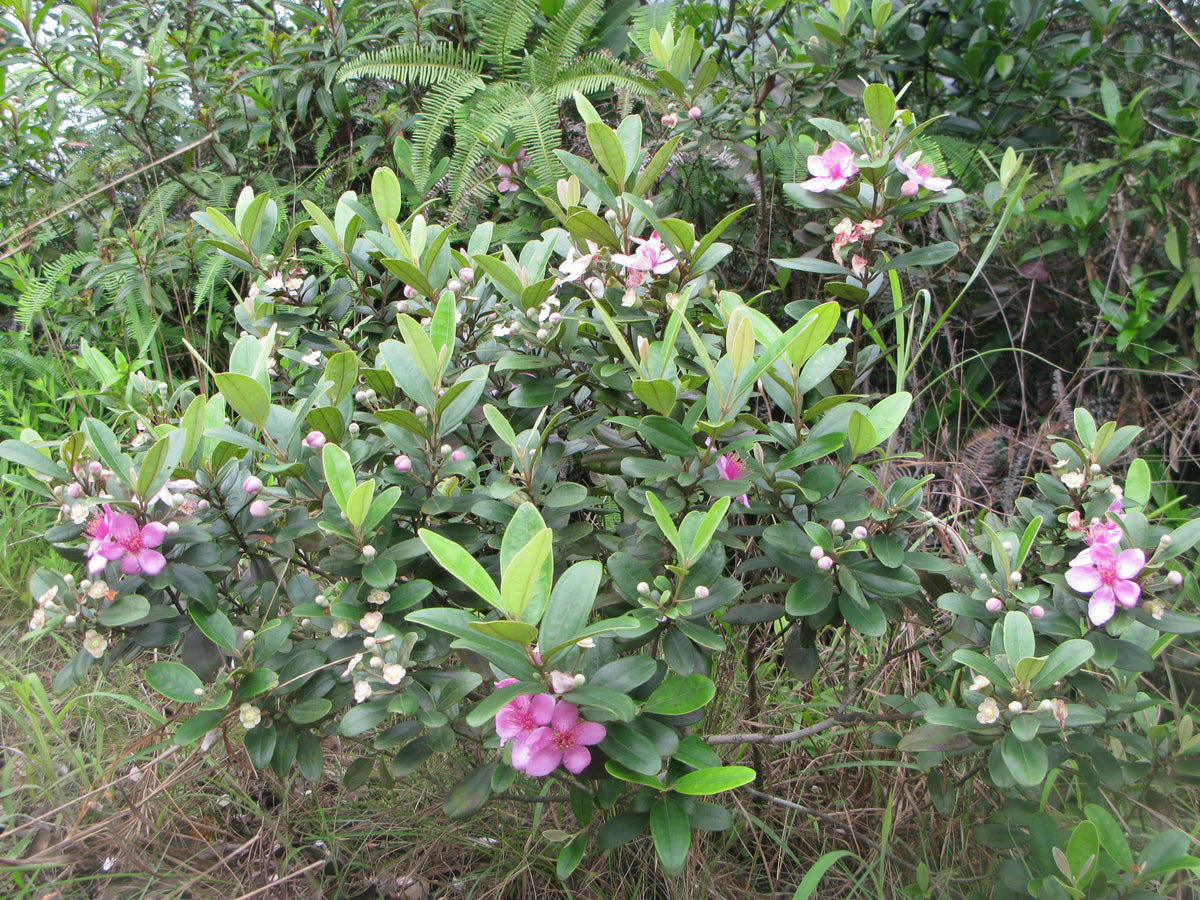
Rose Myrtle Tree (Syzygium jambos) is a tropical evergreen from Southeast Asia that grows up to 30 feet tall with a 15-20 foot spread. It features glossy oval leaves up to 5 inches long, fragrant white flowers, and sweet edible fruit. Growing this tree requires full sun, regular watering, and well-draining soil.
The Rose Myrtle Tree (Syzygium jambos) stands as one of nature's most captivating ornamental treasures, offering gardeners a perfect blend of beauty, fragrance, and environmental benefits. With its glossy foliage, aromatic white flowers, and sweet edible fruit, this tropical evergreen transforms any landscape into a stunning paradise while contributing to our planet's ecological health.
Native to Southeast Asia and thriving in countries like Indonesia, Malaysia, and the Philippines, the Rose Myrtle Tree has become increasingly popular among environmentally conscious gardeners seeking both aesthetic appeal and sustainable landscaping solutions.
✅ Understanding the Rose Myrtle Tree
The Rose Myrtle Tree belongs to the prestigious Myrtaceae family, sharing lineage with eucalyptus and clove trees. This evergreen beauty can reach impressive heights of 30 feet with a graceful spread of 15-20 feet, making it an ideal centerpiece for larger gardens and landscapes.
Its distinctive features include glossy, dark green oval leaves measuring up to 5 inches long, clusters of fragrant white to pale yellow flowers, and small guava-like fruits with sweet, aromatic flesh. The tree's natural elegance and year-round appeal make it a favorite among landscape designers worldwide.
⭐ Physical Characteristics
- Height: Up to 30 feet tall
- Spread: 15-20 feet wide
- Leaves: Glossy, dark green, oval-shaped (up to 5 inches)
- Flowers: White to pale yellow, fragrant clusters
- Fruit: Small, guava-like, sweet and edible
- Growth habit: Evergreen, dense canopy
💡 Fascinating Facts About Rose Myrtle Trees
- Also known as "Pommerac" or "Jambos" in various regions
- Fruit possesses traditional medicinal antiseptic properties
- Natural air-purifying qualities benefit urban environments
- Attracts beneficial pollinators like bees and butterflies
- Can live for several decades with proper care
🌱 Optimal Growing Conditions for Rose Myrtle Tree
Success with your Rose Myrtle Tree begins with understanding its preferred environmental conditions. According to the United Nations Environment Programme's forest initiatives, creating optimal growing conditions for trees is essential for their long-term survival and environmental impact.
Climate Requirements
Rose Myrtle Trees flourish in warm, humid climates with temperatures ranging from 65°F to 95°F (18°C to 35°C). These tropical natives cannot tolerate frost, making them unsuitable for regions with harsh winters. In cooler climates, container planting allows for indoor protection during cold months.
Soil Specifications
Well-draining soil rich in organic matter provides the foundation for healthy Rose Myrtle Tree growth. The ideal soil profile includes:
- pH level: 5.5 to 7.0 (slightly acidic to neutral)
- Soil type: Sandy loam or loamy soil
- Drainage: Excellent drainage while retaining moisture
- Organic content: High in compost and organic matter
Sunlight Needs
Full sun exposure for 6-8 hours daily ensures optimal growth, flowering, and fruiting. Insufficient sunlight results in leggy growth patterns and reduced flower production, diminishing the tree's ornamental value.
🌳 Step-by-Step Rose Myrtle Tree Planting Guide
Proper planting techniques establish the foundation for your Rose Myrtle Tree's lifelong health and beauty. Organizations working toward environmental restoration, as highlighted by the United Nations Sustainable Development Goals, emphasize the importance of correct tree planting methods.
→ Step 1: Timing Your Planting
Plant during spring or early summer after the last frost date. This timing allows root establishment before summer heat stress and provides the longest growing season for adaptation.
→ Step 2: Soil Preparation
Enhance your planting site by incorporating organic compost into the existing soil. Dig a planting hole twice the width of the root ball and equal to its depth, ensuring proper root spread and establishment.
→ Step 3: Planting Process
Center the tree in the prepared hole with the root ball's top level with the surrounding soil surface. Backfill carefully with amended soil, water thoroughly to eliminate air pockets, and apply a 2-3 inch mulch layer around the base.
🌿 Essential Rose Myrtle Tree Care Practices
Consistent care ensures your Rose Myrtle Tree thrives and provides maximum environmental benefits. Proper maintenance supports the tree's contribution to Combating Climate Change Through Collective Action through enhanced carbon sequestration and air purification.
Watering Requirements
Deep, weekly watering during dry periods maintains optimal soil moisture without waterlogging. Allow soil to dry slightly between waterings to prevent root rot while ensuring adequate hydration for healthy growth.
Fertilization Schedule
Apply balanced, slow-release fertilizer (10-10-10 ratio) each spring to provide essential nutrients for robust growth and abundant flowering. Organic compost additions throughout the growing season enhance soil fertility naturally.
Pruning Techniques
Regular pruning in late winter or early spring maintains tree shape and promotes healthy growth. Remove dead, diseased, or crossing branches while thinning crowded areas to improve air circulation and light penetration.
⚠️ Pest and Disease Management
While generally resistant to major problems, monitor for aphids, scale insects, and fungal infections. Use organic treatments like neem oil for pest control and ensure proper spacing for disease prevention.
🌍 Environmental Impact and Benefits
Rose Myrtle Trees contribute significantly to environmental health and sustainability goals. The World Wildlife Fund's forest conservation initiatives recognize the crucial role of diverse tree species in maintaining ecological balance.
Air Quality Improvement
Each Rose Myrtle Tree actively improves air quality by absorbing carbon dioxide, releasing oxygen, and filtering harmful pollutants. This natural air purification makes them valuable additions to urban environments struggling with air quality issues.
Biodiversity Support
These trees create essential habitat for birds, butterflies, beneficial insects, and other wildlife species. Their flowers provide nectar for pollinators, while their fruits feed various animals, supporting local ecosystem health.
Soil Conservation
The extensive root system prevents soil erosion while improving soil structure through organic matter addition from fallen leaves and natural root activity.
🏙️ Urban Landscaping Applications
Rose Myrtle Trees excel in urban environments, providing multiple benefits for city landscapes and residents. Their adaptability and environmental contributions align with modern sustainable urban planning principles.
Street Tree Potential
With proper spacing and care, Rose Myrtle Trees serve as excellent street trees, providing shade, air purification, and aesthetic appeal while requiring minimal maintenance once established.
Residential Garden Integration
These versatile trees complement various garden styles, from tropical themes to contemporary landscapes. Their moderate size makes them suitable for medium to large residential properties without overwhelming smaller spaces.
💚 Supporting Reforestation Efforts
By choosing to plant Rose Myrtle Trees, you contribute to global reforestation initiatives. At Grow Billion Trees, we're committed to our mission of planting 100 crore trees across India, creating lasting environmental impact through individual and collective action.
Our comprehensive tree planting program includes 2-3ft Tree Planting + 3 Years Care + GeoTag technology, ensuring your Rose Myrtle Tree receives professional care and monitoring throughout its crucial establishment period. When you Plant a tree in your Name for just ₹299, you're investing in a sustainable future while enjoying the beauty of this remarkable ornamental species.
Further reading: Jambu Tree: The Enchanting Rose Apple Tree with Aromatic Fruits · Myrtle Tree: The Timeless Symbol of Love, Healing, and Eco-Friendly Elegance
Frequently Asked Questions
How fast do Rose Myrtle Trees grow?
Rose Myrtle Trees typically grow 1-2 feet per year under optimal conditions. Young trees establish quickly in their first few years, then maintain steady growth throughout their lifespan with proper care and nutrition.
Can Rose Myrtle Trees survive in containers?
Yes, Rose Myrtle Trees adapt well to container growing, especially in cooler climates. Choose large containers (minimum 20-gallon capacity) with excellent drainage, and be prepared to repot every 2-3 years as the tree grows.
When do Rose Myrtle Trees typically flower?
Rose Myrtle Trees usually begin flowering in their second or third year, with peak blooming occurring in late spring to early summer. Mature trees may produce multiple flowering cycles throughout the warm season.
Are Rose Myrtle Tree fruits safe to eat?
Rose Myrtle fruits are completely safe and edible, offering sweet, aromatic flavor similar to guavas. They can be eaten fresh or used in jams, jellies, and traditional culinary preparations.
What pests commonly affect Rose Myrtle Trees?
Common pests include aphids, scale insects, and occasionally mealybugs. These trees are generally pest-resistant, and organic treatments like neem oil effectively manage most infestations without harsh chemicals.
How much space should I provide between Rose Myrtle Trees?
Allow 15-20 feet between Rose Myrtle Trees to accommodate their mature spread and ensure proper air circulation. This spacing prevents overcrowding while allowing each tree to develop its natural form.
Do Rose Myrtle Trees require special winter care?
In frost-free regions, Rose Myrtle Trees need minimal winter care. In areas with occasional frost, protect young trees with frost cloth and avoid pruning until spring to prevent cold damage to new growth.
Can Rose Myrtle Trees help with my property's Net Zero Targets?
Absolutely! Rose Myrtle Trees contribute to carbon sequestration, air purification, and energy savings through natural cooling. Their environmental benefits support corporate and residential sustainability goals effectively.
How long do Rose Myrtle Trees typically live?
With proper care, Rose Myrtle Trees can live 50-75 years or more. Their longevity makes them excellent long-term investments for property value and environmental benefits.
What's the best fertilizer schedule for Rose Myrtle Trees?
Apply balanced fertilizer (10-10-10) in early spring, followed by organic compost additions mid-summer. Avoid late-season fertilizing to prevent tender growth susceptible to cold damage.The Rose Myrtle Tree represents more than just an ornamental addition to your landscape—it's a living investment in our planet's future. Through proper planting and care, these magnificent trees provide decades of beauty while contributing to air purification, wildlife habitat, and climate change mitigation. Explore our tree planting programs and join thousands of environmentally conscious individuals in creating a greener, more sustainable world for future generations.
Keep reading
 Jambu Tree: The Enchanting Rose Apple Tree with Aromatic Fruits
 Myrtle Tree: The Timeless Symbol of Love, Healing, and Eco-Friendly Elegance
 Crape Myrtle Tree: The Ultimate Guide to Growing Vibrant Blooms and Stunning Landscaping
 Rose (Rosa) Tree: The Eternal Symbol of Beauty, Fragrance, and Elegance for Your Garden
 Water Apple Tree: Tropical Delight, Nutritional Value, and Orchard Favorite


Leave a comment