
Crape Myrtle Tree: The Ultimate Guide to Growing Vibrant Blooms and Stunning Landscaping
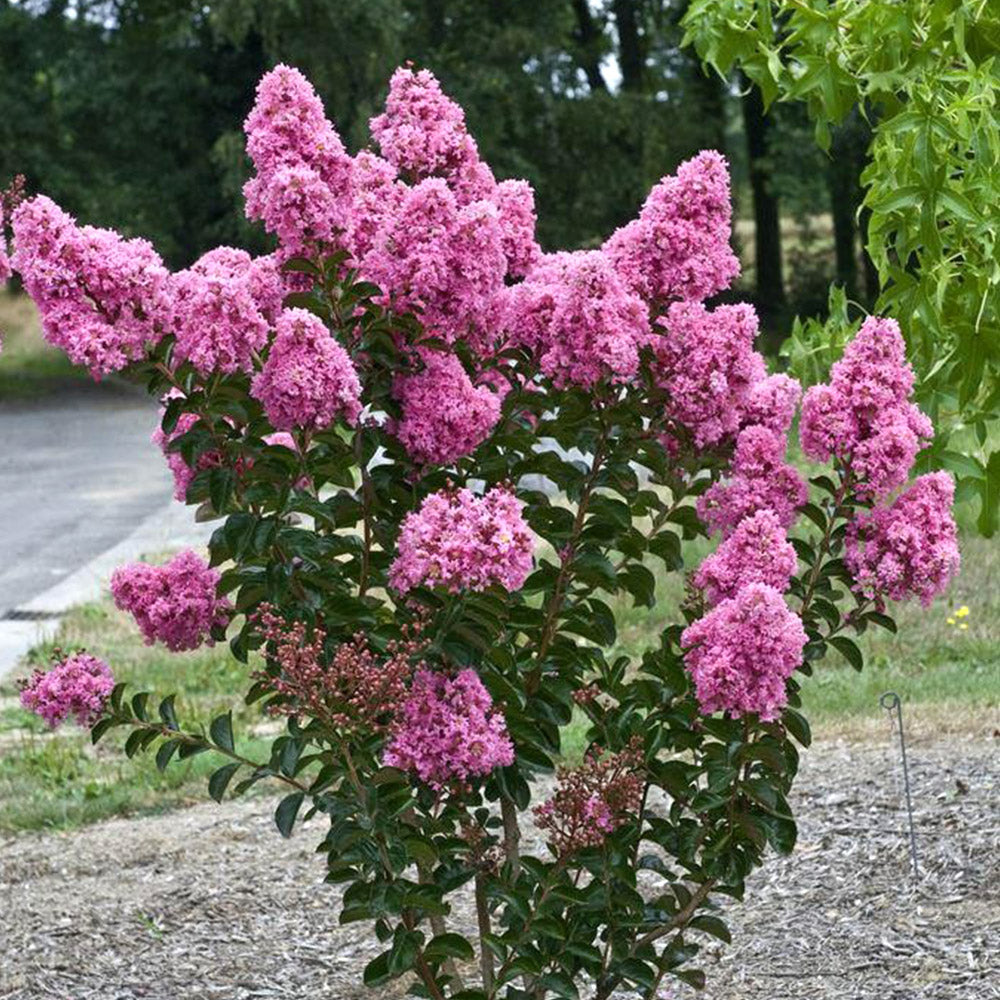
Crape Myrtle (Lagerstroemia indica) is a deciduous ornamental tree native to Southeast Asia, particularly China, India, and Korea. Introduced to the United States in the early 18th century, it thrives in southern climates and produces striking floral displays, making it popular for gardens and landscaping.
The Crape Myrtle tree, known scientifically as Lagerstroemia indica, is a beloved ornamental tree that has captured the hearts of gardeners and landscape designers alike.
With its stunning blooms, vibrant colors, and adaptability to various climates, the Crape Myrtle has become a staple in gardens across the United States and beyond.
In this ultimate guide, we will explore everything you need to know about growing Crape Myrtle trees, from their historical significance and environmental impact to practical tips for planting and care.
Historical Significance of Crape Myrtle
The Crape Myrtle tree has a rich history that dates back thousands of years. Native to Southeast Asia, particularly China, India, and Korea, Crape Myrtle was introduced to the United States in the early 18th century.
It quickly became popular due to its ability to thrive in the southern climate and its striking floral displays. The tree was often planted in gardens and along streets, becoming an iconic symbol of southern landscaping.
In addition to its ornamental value, Crape Myrtle has cultural significance in various parts of the world. In China, it is associated with beauty and elegance, while in the United States, it has become a symbol of resilience and adaptability, often flourishing in challenging environments.
Botanical Characteristics
Crape Myrtle trees are deciduous, meaning they shed their leaves in the fall. They can grow anywhere from 3 to 30 feet tall, depending on the variety and growing conditions.
The tree features smooth, mottled bark that peels away in strips, creating a visually appealing texture. The leaves are dark green, turning shades of red and orange in the fall, adding to the tree's year-round beauty.
One of the most striking features of the Crape Myrtle is its flowers, which bloom in summer and can last until the first frost. The flowers come in various colors, including white, pink, red, and purple, and are often clustered in large panicles.
The blooming period can last from 60 to 120 days, depending on the variety and climate, making it a favorite among gardeners looking for long-lasting color.
Growing Conditions
Crape Myrtle trees thrive in USDA Hardiness Zones 7 to 9, although some varieties can be grown in Zone 6 with proper care. They prefer full sun, requiring at least six hours of direct sunlight each day. The tree is adaptable to various soil types, including sandy, loamy, and clay soils, but it performs best in well-draining soil with a pH between 5.0 and 6.5.
Planting Crape Myrtle
When planting Crape Myrtle, it's essential to choose the right location. Select a spot that receives full sun and has good drainage. Here are the steps to plant a Crape Myrtle tree:
- Choose the Right Variety: There are many varieties of Crape Myrtle, ranging from dwarf to tall trees. Consider your space and desired height when selecting a variety.
- Prepare the Soil: Amend the soil with organic matter to improve drainage and fertility. Dig a hole that is twice as wide as the root ball and just as deep.
- Plant the Tree: Place the tree in the center of the hole, ensuring that the top of the root ball is level with the surrounding soil. Fill the hole with soil and water thoroughly.
- Mulch: Apply a layer of mulch around the base to retain moisture and suppress weeds.
Watering and Fertilizing
Crape Myrtle trees are relatively drought-tolerant once established, but they benefit from regular watering during the first few years. Water deeply once a week during dry spells, ensuring the soil is moist but not waterlogged. Overwatering can lead to root rot, so it's essential to monitor soil moisture levels.
Fertilizing is crucial for promoting healthy growth and vibrant blooms. Apply a balanced, slow-release fertilizer in early spring before new growth begins.
A fertilizer with a ratio of 10-10-10 or 12-4-8 works well for Crape Myrtle. Avoid fertilizing in late summer or fall, as this can encourage new growth that may be damaged by frost.
Pruning Crape Myrtle
Pruning is essential for maintaining the shape and health of Crape Myrtle trees. The best time to prune is in late winter or early spring before new growth begins. Here are some tips for effective pruning:
- Remove Dead or Diseased Wood: Cut back any dead, damaged, or diseased branches to promote healthy growth.
- Shape the Tree: Trim back long or unruly branches to maintain a balanced shape. Avoid cutting back too much, as this can reduce blooming.
- Encourage Airflow: Thin out crowded branches to improve airflow and reduce the risk of disease.
Pest and Disease Management
Crape Myrtle trees are generally resistant to pests and diseases, but they can occasionally be affected by aphids, powdery mildew, and sooty mold. Regular monitoring and early intervention can help manage these issues:
- Aphids: These small insects can cause leaf curling and yellowing. Use insecticidal soap or neem oil to control aphid populations.
- Powdery Mildew: This fungal disease appears as a white powdery coating on leaves. Improve air circulation and apply fungicides if necessary.
- Sooty Mold: This black mold grows on honeydew excreted by aphids. Control aphids to prevent sooty mold from developing.
Environmental Impact of Crape Myrtle
Crape Myrtle trees offer several environmental benefits, making them an excellent choice for landscaping. They provide shade, which can help reduce cooling costs in the summer, and their extensive root systems help prevent soil erosion.
Additionally, Crape Myrtle trees attract pollinators, including bees and butterflies, contributing to the overall health of the ecosystem.
Moreover, planting trees like Crape Myrtle can help improve air quality by absorbing carbon dioxide and releasing oxygen. Urban areas, in particular, benefit from tree planting initiatives, as they help mitigate the urban heat island effect, where cities become significantly warmer than surrounding rural areas due to human activities.
Fun Facts About Crape Myrtle
- The name "Crape Myrtle" comes from the crinkled texture of its flowers, reminiscent of crape paper.
- Crape Myrtle is often referred to as the "Lilac of the South" due to its beautiful blooms and adaptability to southern climates.
- The tree is known for its longevity, with some specimens living for over 100 years!
- Crape Myrtle is celebrated in various cultures, with festivals dedicated to its beauty in places like the southern United States.
Growing Billion Trees Partners Initiatives
In the context of environmental sustainability, organizations like Growing Billion Trees Partners are making significant strides in promoting tree planting initiatives, including Crape Myrtle trees.
This organization partners with local communities, schools, and environmental groups to execute tree planting projects that enhance urban landscapes and contribute to ecological restoration.
Through education and outreach, Growing Billion Trees Partners raises awareness about the benefits of planting trees and provides resources for proper care and maintenance.
They work closely with volunteers to organize tree planting events, ensuring that communities are actively engaged in the process. These initiatives not only beautify neighborhoods but also contribute to carbon sequestration and improved air quality.
Moreover, Growing Billion Trees Partners emphasizes the importance of selecting the right tree species for specific environments. By promoting native and adaptable species like Crape Myrtle, they help ensure the success of tree planting efforts while enhancing biodiversity.
Conclusion
The Crape Myrtle tree is a stunning addition to any landscape, offering vibrant blooms, beautiful foliage, and numerous environmental benefits. With proper care and attention, these trees can thrive for generations, providing beauty and ecological value to communities.
Whether you're a seasoned gardener or a novice, the Crape Myrtle is a rewarding choice that will enhance your outdoor space.
By participating in initiatives like those led by Growing Billion Trees Partners, you can contribute to a greener future while enjoying the beauty of Crape Myrtle trees in your own backyard. So grab your gardening tools, select your favorite variety, and start planting this magnificent tree today!
Further reading: Rose Myrtle Tree: The Ultimate Guide to Growing This Stunning Ornamental Gem · Myrtle Tree: The Timeless Symbol of Love, Healing, and Eco-Friendly Elegance
Frequently Asked Questions
What is a Crape Myrtle tree?
A Crape Myrtle tree, scientifically known as Lagerstroemia indica, is an ornamental beauty adored by gardeners. With its eye-catching blooms and adaptability, it thrives in various climates, making it a staple in landscapes across the U.S. and beyond. It’s the floral superstar you didn’t know you needed!
How tall do Crape Myrtle trees grow?
Crape Myrtle trees can range from a modest 3 feet to a towering 30 feet, depending on the variety and conditions. Whether you're seeking a petite companion or a grand statement piece, there's a Crape Myrtle that fits perfectly in your garden. Size matters, and this tree knows it!
What are the best growing conditions for Crape Myrtle?
Crape Myrtle trees are sun worshippers, thriving in USDA Hardiness Zones 7 to 9. They prefer full sun and well-draining soil with a pH of 5.0 to 6.5. If you want a happy tree, make sure it’s soaking up those rays and not drowning in soggy soil!
When is the best time to plant Crape Myrtle?
The best time to plant Crape Myrtle is in spring when the soil warms up, and frost fears are gone. Choose a sunny spot and prepare the soil like a gourmet chef would. Your Crape Myrtle will thank you with a spectacular show of blooms for years to come!
How often should I water my Crape Myrtle?
Once established, Crape Myrtle trees are drought-tolerant, but they appreciate a good drink during their first few years. Water deeply once a week during dry spells, but don’t drown them! A little moisture goes a long way in keeping your tree happy and healthy.
What type of fertilizer is best for Crape Myrtle?
A balanced, slow-release fertilizer with a ratio of 10-10-10 or 12-4-8 is ideal for Crape Myrtle trees. Apply it in early spring to kickstart growth and blooms. Just remember, no late-season feeding—your tree doesn’t want to be caught off guard by frost!
When should I prune my Crape Myrtle?
The best time to prune your Crape Myrtle is late winter or early spring, just before new growth starts. Pruning helps maintain shape and health, so grab those shears! Just be gentle—over-pruning can lead to fewer blooms, and nobody wants that!
What pests and diseases affect Crape Myrtle?
Crape Myrtle trees are generally tough cookies but can face some pests like aphids and diseases like powdery mildew. Keep an eye out for these troublemakers! Early intervention with insecticidal soap or fungicides can keep your tree thriving and looking fabulous.
What are the environmental benefits of Crape Myrtle?
Crape Myrtle trees are eco-friendly heroes! They provide shade, reduce cooling costs, prevent soil erosion, and attract pollinators. Plus, they help improve air quality by absorbing carbon dioxide. Planting one is like giving Mother Nature a high-five!
How long do Crape Myrtle trees live?
Crape Myrtle trees are known for their longevity, with some living over 100 years! With proper care, your Crape Myrtle can be a cherished part of your landscape for generations. It’s like planting a piece of history right in your backyard!
Why is Crape Myrtle called the "Lilac of the South"?
Crape Myrtle earned the title "Lilac of the South" because of its stunning blooms and adaptability to southern climates. Just like lilacs, it brings vibrant color and joy to gardens, but with a southern flair that makes it a true superstar!
What initiatives promote planting Crape Myrtle trees?
Organizations like Growing Billion Trees Partners are championing tree planting initiatives, including Crape Myrtle trees. They engage communities in planting and caring for trees, enhancing urban landscapes while promoting environmental sustainability. Join the movement and make your garden part of a greener future!
Keep reading
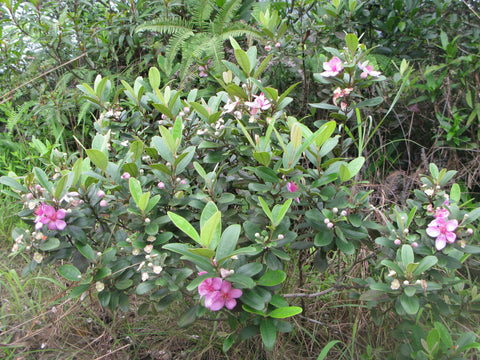 Rose Myrtle Tree: The Ultimate Guide to Growing This Stunning Ornamental Gem
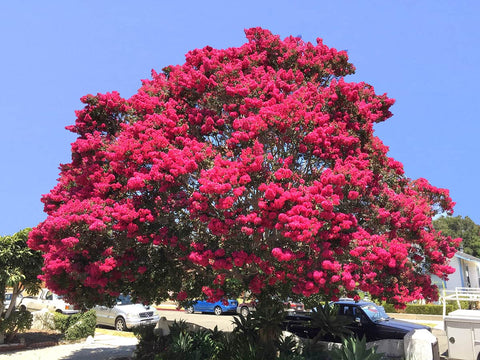 Myrtle Tree: The Timeless Symbol of Love, Healing, and Eco-Friendly Elegance
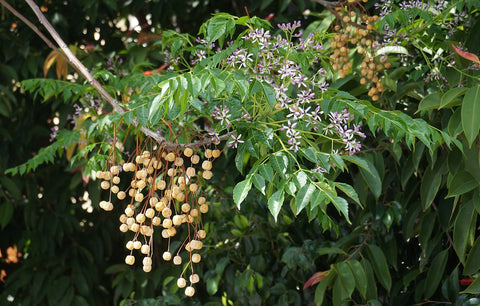 Persian Lilac Tree: Complete Growing Guide for This Fragrant Garden Beauty
 Magnolia Tree: Unlocking the Secrets to Stunning Blooms and Care Tips
 Southern Magnolia Tree: The Timeless Beauty and Benefits


Comments
Leave a comment