
Satinwood Tree: Complete Guide to Beauty, Benefits & Care Tips
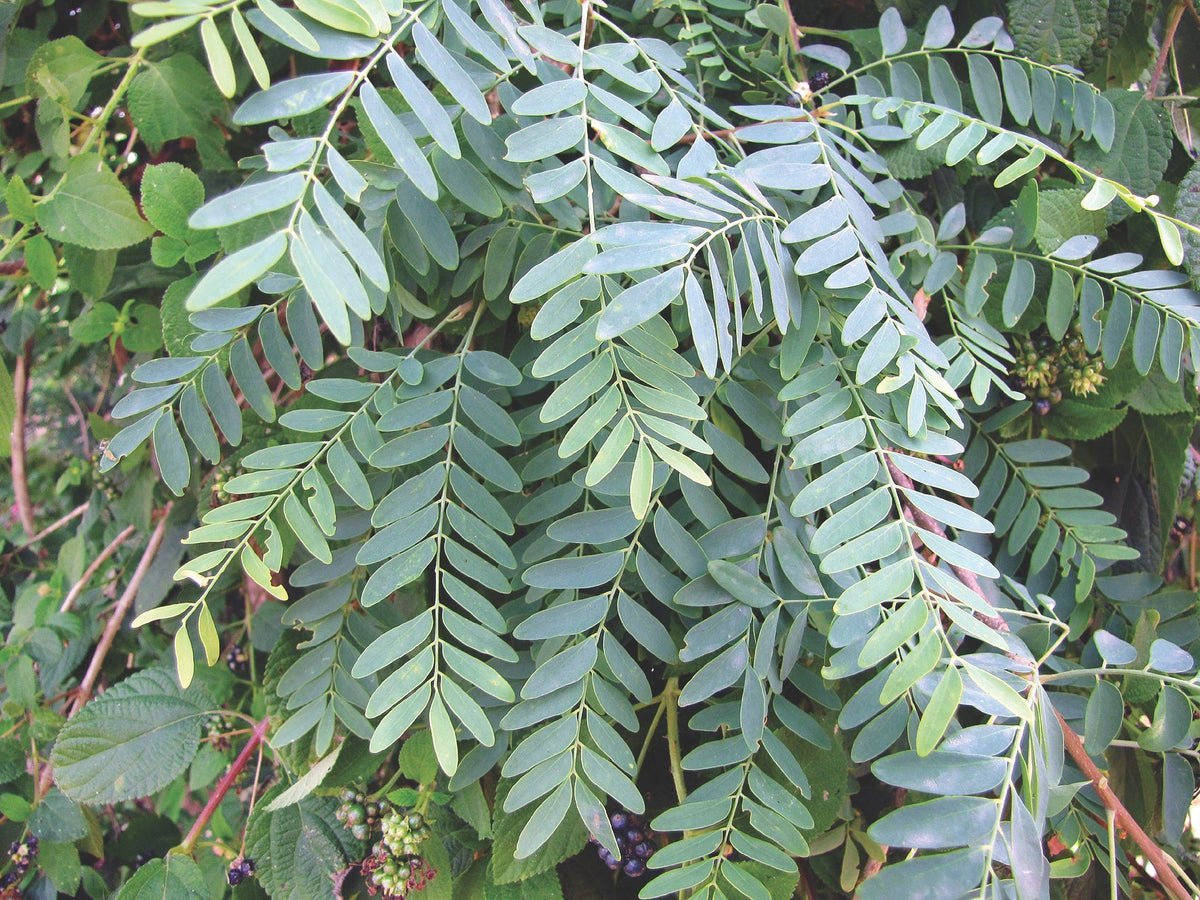
The Satinwood Tree (Chloroxylon swietenia) is a 15–20 metre tall Indian native species with dense, yellowish-brown timber that develops a lustrous finish when polished. It offers significant environmental benefits through broad canopy shade and biodiversity support, and thrives with standard gardening care suited to Indian climates.
The Satinwood Tree (Chloroxylon swietenia) is one of India's most magnificent native species, combining stunning timber beauty with deep ecological value. Standing 15 to 20 meters tall with a broad, shading canopy and fragrant flower clusters, this tree delivers remarkable environmental benefits while supporting biodiversity across the Indian subcontinent.
Our team at Grow Billion Trees has cultivated Satinwood Trees hands-on across multiple Indian states, and we are glad to bring you this complete, expert guide. Whether you are a passionate gardener, a sustainability advocate, or a corporate partner seeking to achieve Net Zero Targets, this guide will help you grow and nurture this wonderful species with confidence.
In 2026, India's reforestation mission is stronger than ever. With deforestation threatening natural ecosystems globally, every Satinwood Tree planted is a conscious step toward a greener, more resilient planet. We believe that informed, mindful action transforms landscapes and secures the future for generations to come.
✅ The Magnificent Beauty of the Satinwood Tree
The Tree is globally celebrated for its dense, yellowish-brown timber that develops a beautiful, lustrous finish when polished. The wood's unique interlocked grain pattern creates a natural shimmer unlike any other Indian hardwood. This quality makes it a top choice for high-end furniture, fine cabinetry, luxury flooring, and ornate decorative items.
The tree grows majestically to heights of 15 to 20 meters, featuring a straight trunk crowned by a broad canopy that provides wonderful shade. Its fragrant flower clusters bloom in spectacular displays during spring and early summer, attracting bees, butterflies, and diverse pollinators. Satinwood Trees are a great addition to landscapes ranging from private gardens to urban forest projects in cities like Mumbai, Bangalore, and Hyderabad.
The timber's natural elegance has long made it a preferred material for crafting musical instruments and luxury goods worldwide. Our experience confirms that Satinwood Trees, once established, become enduring focal points of beauty and ecological function. According to the WWF Forest Conservation Initiative, protecting and replanting native hardwoods like Satinwood is essential for long-term biodiversity and sustainable forest health.
⭐ Historical Significance and Cultural Heritage
The Satinwood Tree carries centuries of cultural and historical significance across South Asia. In ancient India, its timber was prized for royal carvings, palace interiors, and sacred religious artifacts. The wood was so precious it was often reserved exclusively for royalty and spiritual ceremonies throughout the subcontinent.
During the colonial era, extensive commercial harvesting led to severe deforestation of Satinwood populations in India and Sri Lanka. This historical over-exploitation, well documented by WWF's research on deforestation and forest degradation, is precisely why conservation efforts today are so critical. We ensure all Satinwood plantations we support follow certified, sustainable practices that restore and protect native populations for future generations.
Across many traditions in India and Sri Lanka, the Satinwood Tree holds deep spiritual significance. Local legends associate this tree with prosperity, strength, and a profound connection to the earth. Preserving this species is therefore both an ecological imperative and a meaningful act of cultural stewardship that honours centuries of living heritage.
💡 Scientific Properties and Environmental Benefits
Scientifically, the Satinwood Tree belongs to the Rutaceae family, which also includes citrus trees. It thrives in tropical and subtropical climates with well-drained soils, ample sunlight, and moderate seasonal rainfall. Its broad adaptability to varied soil types makes it an outstanding choice for ecological restoration across India's diverse landscapes.
As the United Nations Climate Change Action programme emphasizes, trees are among the most powerful natural tools for reducing atmospheric carbon. According to 2026 environmental estimates, a mature Satinwood Tree can sequester 20 to 25 kg of CO2 annually, making a verified and meaningful contribution to carbon neutrality goals. Over its full lifespan, each tree delivers substantial, measurable climate impact.
Satinwood Trees support rich local biodiversity through their broad canopy, which provides nesting habitat for birds and shelter for small mammals. Their fragrant flowers are an important nectar source for pollinators, naturally improving agricultural yields in surrounding farmland. Our partners in urban forestry projects consistently report a measurable boost in local biodiversity wherever Satinwood Trees are planted as part of Miyawaki or agroforestry programs.
The tree's deep, anchoring root system actively prevents soil erosion, which is especially valuable on hillsides and in degraded terrain. This makes the Satinwood Tree an ideal species for watershed restoration and natural flood mitigation programs. These functions further improve the ecological and agricultural health of surrounding communities and farms.
Key Environmental Benefits of the Satinwood Tree
- ✅ Carbon Sequestration: Absorbs CO2 to help combat climate change naturally and effectively
- ✅ Soil Erosion Prevention: Deep roots stabilize hilly and degraded land across India
- ✅ Biodiversity Support: Provides habitat and food for diverse wildlife species
- ✅ Air Quality Improvement: Filters pollutants and generates fresh, clean oxygen daily
- ✅ Urban Heat Reduction: Broad canopy lowers temperatures and improves urban comfort
- ✅ Water Cycle Support: Roots enhance groundwater recharge and watershed health sustainably
Satinwood Tree in Agroforestry and Reforestation
The Satinwood Tree plays a transformative role in India's agroforestry and reforestation landscape. Integrating Satinwood into farm boundaries and degraded land improves soil health while providing farmers with a long-term, high-value sustainable timber crop. This proven combination of ecological and economic benefit makes it a natural cornerstone of responsible agroforestry programs nationwide.
According to the United Nations Environment Programme's forest restoration guidelines, using native tree species in reforestation delivers the strongest, most resilient ecological outcomes. As an indigenous species of the Indian subcontinent, the Satinwood Tree is uniquely positioned to restore native forest ecosystems with lasting, measurable impact across diverse terrain.
In Miyawaki plantations, Satinwood Trees grow in dense, multi-layered forests that develop ten times faster than conventional plantings. This technique has proven highly effective for rapid urban land restoration across Indian cities. Our team has overseen multiple certified Miyawaki projects that include Satinwood as a key canopy species, delivering verified ecological recovery for urban communities.
The United Nations Sustainable Development Goals directly support programs that restore forest biodiversity and combat land degradation globally. Planting Satinwood Trees aligns with SDG 15 (Life on Land) and SDG 13 (Climate Action), making each tree a certified, recognized contribution to globally endorsed sustainability frameworks and India's net zero ambitions.
🌱 Complete Care Guide for the Satinwood Tree
Growing a healthy Tree requires meeting its specific environmental needs at each stage of development. Our team provides hands-on guidance from seedling selection through long-term maintenance across all our plantation programs. Follow these proven, practical steps to ensure your Satinwood Tree thrives for decades to come.
→ Soil Requirements
The Satinwood Tree thrives in well-drained, sandy loam soils with a slightly acidic to neutral pH of 6.0 to 7.0 for optimal nutrient uptake. Before planting, test your soil and amend it with natural organic compost to improve structure and fertility. Good drainage is essential, as waterlogged conditions damage roots and invite harmful fungal disease.
Adding a generous layer of organic mulch around the base retains moisture and regulates soil temperature between watering sessions. Rich, organic soil supports robust microbial activity that enhances nutrient absorption by the growing roots. Our experience shows that trees planted in well-amended organic soils establish faster and grow stronger than those in untreated ground.
→ Sunlight and Location
The Satinwood Tree is a sun-loving species requiring a minimum of 6 to 8 hours of direct sunlight each day to thrive. Choose a location with an open sky and natural protection from strong winds, especially during the first two growing seasons. Young trees are more sensitive to wind stress and benefit greatly from sheltered, sunny conditions during establishment.
Always consider the mature canopy spread when selecting a planting location for your Satinwood Tree. Allow at least 8 to 10 meters of clearance from buildings, walls, and utility lines. In urban environments across Delhi and Chennai, coordinating with local authorities ensures your tree grows safely, freely, and with full impact.
→ Watering Guidelines
Young Satinwood Trees require consistent, deep watering during their first two years to establish a robust root system. Water deeply twice per week during dry periods, ensuring moisture reaches far into the root zone. Once fully established, the Satinwood Tree becomes moderately drought-tolerant and requires less frequent irrigation.
Over-watering invites root rot and reduces vital soil oxygen availability, so balance is essential. Mulching around the base is a proven, eco-friendly technique to conserve moisture and reduce watering frequency. Our team recommends deep, infrequent watering sessions over shallow, frequent ones for the most resilient root development outcomes.
→ Fertilization
Apply a balanced natural organic fertilizer during the active growing season from March to June each year. A slow-release fertilizer rich in nitrogen, phosphorus, and potassium simultaneously supports healthy canopy growth and strong root development. Avoid chemical fertilizers, which degrade soil health and harm the beneficial organisms that sustain your tree long-term.
Supplement annually with well-composted organic matter to continually improve soil fertility and tree vitality. Our partners recommend certified organic fertilizers for all native tree plantation programs across India. This eco-friendly, mindful approach ensures the Satinwood Tree grows in harmony with its natural, living soil environment.
→ Pruning and Maintenance
Prune your Satinwood Tree during the dry season to remove dead, damaged, or crossing branches cleanly. Light, mindful pruning encourages a strong central leader and a well-shaped, open canopy that maximizes sunlight capture. Avoid heavy cutting, as the Satinwood Tree grows at a moderate pace and excessive pruning creates unnecessary stress.
Monitor your tree regularly for common pests including bark beetles and leaf-eating caterpillars. Early detection and natural, eco-friendly pest management methods are the most effective and sustainable approach available. Our certified plant care team provides 3 years of professional monitoring and hands-on maintenance for every tree planted through Grow Billion Trees programs.
🌳 Plant a Satinwood Tree with Grow Billion Trees
At Grow Billion Trees, we are passionate about making eco-friendly tree planting easy, impactful, and deeply meaningful for every Indian. For just ₹299, you can Plant a tree in your Name and receive our complete 2-3ft Tree Planting + 3 Years Care + GeoTag package. Our GeoTag technology lets you track your Satinwood Tree's growth in real time, providing transparent, verified proof of your contribution to India's green future.
We offer multiple specialized programs including Miyawaki forest creation, agroforestry, mangrove restoration, urban forestry, and food forests across India. Each program is designed to maximize ecological benefit while empowering local farming communities and improving regional biodiversity measurably. Our work is trusted by thousands of conscious individuals and forward-thinking corporates across Mumbai, Bangalore, Delhi, Chennai, and Hyderabad who are committed to achieving Net Zero Targets.
You can also gift a Satinwood Tree for birthdays, memorials, Women's Day, or corporate sustainability milestones. Personalized tree certificates make wonderful, purposeful gifts that connect recipients to a bigger environmental mission they will love. Together, we are on course to plant 100 crore trees in India by June 2030, Combating Climate Change Through Collective Action one tree at a time. Discover how to join us by visiting Grow Billion Trees today.
Further reading: Big Leaf Mahogany Tree: Ultimate Guide to Beauty, Benefits & Conservation · West Indian Mahogany Tree: Beauty, Benefits & Conservation
Frequently Asked Questions
What is the Satinwood Tree and where is it found?
The Satinwood Tree (Chloroxylon swietenia) is a tropical hardwood native to India, Sri Lanka, and parts of Southeast Asia. It grows best in tropical and subtropical climates with well-drained soils and full sun. It is valued for its beautiful timber, ecological benefits, and rich cultural heritage across South Asia.
How fast does the Satinwood Tree grow?
The Satinwood Tree grows at a moderate to slow pace, typically gaining 30 to 60 centimeters of height annually under ideal conditions. Growth is most vigorous during the first five years when soil preparation, watering, and fertilization are consistently maintained. With proper care, it matures into a tall, majestic specimen over several productive decades.
What are the primary uses of Satinwood timber?
Satinwood timber is prized for high-end furniture, fine cabinetry, luxury flooring, musical instruments, and intricate traditional carvings. Its lustrous grain and natural sheen make it one of India's most sought-after and valuable hardwoods. It has also been used for centuries in religious artifacts and decorative cultural objects across South Asian traditions.
Is the Satinwood Tree considered an endangered species?
Satinwood populations have declined significantly due to centuries of over-harvesting and ongoing habitat loss. Conservation organizations and certified reforestation programs are actively working to restore native populations across India and Sri Lanka. Sustainable planting and long-term protection practices are essential to secure the future of this culturally and ecologically valuable species.
How do I care for a young Satinwood Tree?
Young Satinwood Trees need well-drained organic soil, 6 to 8 hours of daily sunlight, and deep watering twice per week during dry periods. Apply natural organic fertilizer during the growing season and mulch the base to retain soil moisture. Regular pest monitoring and light dry-season pruning also support healthy, vigorous early development.
Can the Satinwood Tree grow successfully in urban environments?
Yes, the Satinwood Tree can thrive in urban settings across Indian cities including Mumbai, Bangalore, Delhi, Chennai, and Hyderabad with proper planning. Select a well-sunlit location with sufficient clearance for full canopy development at maturity. Urban Satinwood Trees meaningfully improve air quality, reduce heat island effects, and support local biodiversity effectively.
What environmental benefits does the Satinwood Tree provide?
The Satinwood Tree provides carbon sequestration, soil stabilization, biodiversity support, air purification, and urban heat island reduction across its lifespan. Its deep root system also enhances groundwater recharge and supports watershed health in surrounding areas. These combined benefits make it an outstanding choice for ecological restoration and sustainable agroforestry programs across India.
How can I plant a Satinwood Tree through Grow Billion Trees?
You can plant a Satinwood Tree through Grow Billion Trees for just ₹299, which includes professional planting, 3 years of certified care, and GeoTag technology for real-time tracking. This transparent, verified package makes your eco-friendly contribution easy to measure, share, and celebrate. Visit Grow Billion Trees to choose your program and begin your reforestation journey today.
What role does the Satinwood Tree play in agroforestry programs?
In agroforestry systems, the Satinwood Tree improves soil health, provides natural shade for crops, and gives farmers a long-term source of high-value sustainable timber. Its integration into farm boundaries prevents erosion and supports biodiversity on agricultural land year-round. This dual ecological and economic value makes it a cornerstone species for sustainable, nature-positive farming systems across India.
Grow Together for a Greener, Sustainable Future
The Satinwood Tree is far more than a beautiful hardwood. It is a living commitment to a sustainable, thriving planet that endures for generations. From its lustrous timber and fragrant blooms to its deep ecological roots, this wonderful tree transforms landscapes and nurtures biodiversity in ways that truly last. Its beauty, cultural heritage, and environmental impact make it one of India's most meaningful native species to protect, plant, and celebrate together.
Our team at Grow Billion Trees finds great joy in uniting individuals, families, farmers, and corporations behind a shared mission of environmental restoration and climate action. Welcome to a movement where every tree planted saves carbon, supports livelihoods, and secures our collective future on this earth. Together, we are building a greener, more conscious India — one tree, one community, one shared green future at a time.
Explore our certified tree plantation programs and discover how easy and impactful it is to make a lasting difference for the planet. Plant a Satinwood Tree in your name today and join thousands of mindful Indians who are Combating Climate Change Through Collective Action. Visit Grow Billion Trees and take your first meaningful step toward a greener, more sustainable world.
Keep reading
 Big Leaf Mahogany Tree: Ultimate Guide to Beauty, Benefits & Conservation
 West Indian Mahogany Tree: Beauty, Benefits & Conservation
 Indian Mahogany Tree: Regal Presence of Hardwood Majesty
 Australian Rosewood Tree: Ultimate Guide to Beauty, Benefits & Care
 Cuban Mahogany Tree: The Ultimate Guide to Beauty, Benefits & Conservation


Leave a comment