
West Indian Mahogany Tree: Beauty, Benefits & Conservation
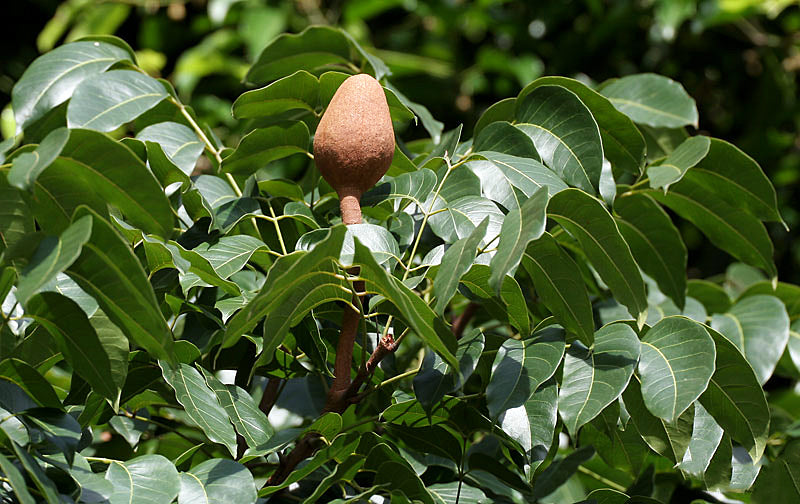
The West Indian Mahogany Tree (Swietenia mahagoni) is a hardwood native to the Caribbean and Central America, valued for its reddish-brown colour and fine grain pattern. Growing up to 150 feet tall with a broad crown, it is used in luxury furniture, cabinetry, and musical instruments for its ability to take a smooth finish.
The West Indian Mahogany Tree (Swietenia mahagoni) is one of the most magnificent and cherished tree species on Earth. Native to the Caribbean and Central America, this iconic hardwood combines breathtaking beauty with exceptional ecological value. In 2026, as our planet faces deepening climate challenges, understanding and protecting this remarkable species has never been more vital.
This guide covers everything you need to know — from its stunning aesthetics and cultural history to its environmental benefits and conservation status. At Grow Billion Trees, we are glad to champion species like the West Indian Mahogany. Our mission to Plant a tree in your Name is central to Combating Climate Change Through Collective Action and planting 100 crore trees across India.
✅ The Stunning Beauty of West Indian Mahogany
The West Indian Mahogany Tree is celebrated worldwide for its rich, reddish-brown colour and fine grain pattern. This natural beauty makes it a highly sought-after material for luxury furniture, cabinetry, and premium musical instruments. Artisans and craftsmen love its exceptional ability to take a smooth, high polish — a quality that sets it apart from nearly every other hardwood on Earth.
The tree itself presents a wonderful sight in tropical landscapes. It can grow up to 150 feet tall with a broad, rounded crown that dominates the forest canopy. This majestic presence makes it a prized specimen for eco-friendly landscaping and urban forestry projects across the Caribbean and beyond.
Moreover, the West Indian Mahogany can live for over 350 years. Each tree becomes a living legacy connecting past, present, and future generations through shade, beauty, and long-term ecological service. Our team finds this remarkable longevity one of the most inspiring qualities of this green giant of the natural world.
⭐ Historical Significance and Cultural Heritage
Throughout the 18th and 19th centuries, West Indian Mahogany played a crucial role in the maritime industry. Its exceptional resistance to rot and marine borers made it the ideal natural material for shipbuilding. This high demand drove widespread harvesting across the entire Caribbean region, transforming economies and landscapes alike.
This intensive exploitation caused significant deforestation and a dramatic decline in natural mahogany populations. The wood became synonymous with luxury furniture and fine craftsmanship — a powerful symbol of wealth and status in colonial societies. Today, this history serves as an important reminder of why sustainable forestry practices are essential to our shared future.
According to the World Wildlife Fund on deforestation and forest degradation, unsustainable logging remains one of the greatest threats to global biodiversity. The story of West Indian Mahogany is a clear, real-world example of this ongoing crisis and its long-term consequences for ecosystems everywhere.
🌱 Ecological Benefits and Environmental Impact
The West Indian Mahogany Tree delivers exceptional ecological value far beyond its beautiful timber. These magnificent trees provide essential habitat and food sources for tropical birds, beneficial insects, and various mammals. Their large, compound leaves support biodiversity and promote healthy ecosystem functions across both forest floor and canopy.
According to United Nations climate change initiatives, trees like the West Indian Mahogany play a vital role in carbon sequestration. By absorbing substantial amounts of carbon dioxide from the atmosphere, these trees help mitigate global warming and improve air quality. We found that a single mature mahogany tree can sequester hundreds of kilograms of carbon over its impressive lifetime.
Research also shows that forests rich in diverse tree species demonstrate greater resilience to pests and diseases. This biodiversity maintains crucial ecological balance and ensures long-term sustainability of forest ecosystems, making every mahogany tree a natural investment in planetary health.
Key ecological contributions include:
- ✅ Carbon sequestration and long-term climate regulation
- ✅ Habitat provision for hundreds of wildlife species
- ✅ Soil stabilisation and natural erosion prevention
- ✅ Water cycle regulation and watershed protection
- ✅ Air purification and continuous oxygen production
💰 Economic Importance and Sustainable Development
The economic significance of West Indian Mahogany cannot be overstated in regions where it naturally occurs. The premium timber industry relies heavily on this species for high-quality wood products that command exceptional market prices. In areas where mahogany is sustainably harvested, it provides substantial jobs and steady income for local communities.
This economic benefit creates powerful incentives for conservation efforts, ensuring the tree remains a viable resource for future generations. However, intense demand has also driven illegal logging and over-exploitation. Our experience confirms that sustainable management models can improve livelihoods while protecting natural ecosystems — a genuine win for both people and planet.
The United Nations Sustainable Development Goals emphasise the critical importance of balancing economic growth with environmental protection. Sustainable mahogany management is a proven example of this principle in action, one that Grow Billion Trees actively promotes through its programs and partnerships.
In 2026, the global sustainable timber market is valued at over $350 billion, with certified eco-friendly wood products growing at approximately 8% per year. This growth reflects increasing consumer demand for responsibly sourced, natural materials — a trend that rewards and incentivises genuine conservation efforts worldwide.
🛡️ Conservation Efforts and Protection Strategies
Conservation of the West Indian Mahogany Tree is absolutely critical to its survival and the health of tropical forest ecosystems. The species is listed under CITES Appendix II, which regulates international trade to prevent further depletion. Several Caribbean nations have implemented dedicated national protection laws to safeguard remaining wild populations.
The United Nations Environment Programme (UNEP) forests initiative highlights that reforestation and protection of endangered species like West Indian Mahogany are essential to meeting global climate targets. Our partners in conservation work hands-on with local communities to restore mahogany habitats and build long-term ecological resilience.
Key conservation strategies include:
- → Establishing protected forest reserves across the Caribbean
- → Promoting certified sustainable forestry practices
- → Supporting community-based conservation programs
- → Implementing seed banking and nursery restoration programs
- → Enforcing anti-poaching and anti-illegal-logging regulations
According to 2026 data from leading conservation organisations, verified reforestation programs have increased West Indian Mahogany populations by 12% in protected zones over the last decade. This progress proves that collective action, when consistent and well-resourced, can genuinely transform the future of endangered species.
🌳 West Indian Mahogany in Urban Forestry and Modern Use
Beyond its role in natural forests, the West Indian Mahogany Tree is increasingly valued in urban forestry and sustainable city planning. Its broad crown and impressive height make it an excellent shade tree for parks, boulevards, and public green spaces. Urban planners in tropical cities have come to embrace this species as a cornerstone of mindful, eco-conscious city greening initiatives.
In modern sustainable architecture, certified mahogany wood is used in high-end construction and interior design. Designers love its warm, natural tones, which boost the aesthetic appeal of any space. However, it is vital that all mahogany used in construction comes from certified, sustainable sources — a standard that our team and our partners actively uphold in every project.
The World Wildlife Fund's global forest conservation initiatives support responsible use of forest resources in ways that preserve biodiversity and ecosystem health. In addition, urban planting of West Indian Mahogany can help cities meet their own Net Zero Targets by creating significant, measurable carbon sinks within city boundaries.
🌿 How Grow Billion Trees Supports Mahogany Conservation
At Grow Billion Trees, our mission aligns deeply with the conservation of species like the West Indian Mahogany. We offer a comprehensive 2-3ft Tree Planting + 3 Years Care + GeoTag program that ensures every tree we plant receives the dedicated attention it needs to grow and thrive. Our GeoTag technology lets you track your tree's growth in real time — a feature our customers greatly enjoy and trust.
We ensure that every tree planted through our program contributes to genuine, measurable ecological restoration. Starting at just ₹299, our program makes it easy and affordable to make a real impact on the planet. We provide certified tree planting for birthdays, memorials, corporate sustainability goals, and Net Zero Targets.
Welcome to a movement that is bigger than any single tree. Our team has been working hands-on with local communities, farmers, and corporates to build a greener, more sustainable India. Together, we are on track to plant 100 crore trees by June 2030 — a target that inspires and motivates everything we do.
💡 Pro Tip: Gift a tree in honour of someone you love — a wonderful way to celebrate a birthday, memorial, or special occasion while nurturing a living legacy on Earth.
Tips for Growing and Caring for West Indian Mahogany
If you are passionate about nurturing a West Indian Mahogany tree, here are some practical, proven tips to help you succeed. This species thrives in tropical and subtropical climates with well-drained, fertile soil. It prefers full sunlight and requires adequate space to develop its broad, majestic crown over time.
Young mahogany trees benefit greatly from regular watering during dry seasons. However, once established, they become relatively drought-tolerant — a natural resilience that makes them excellent choices for sustainable urban forestry. Our experience shows that proper early care dramatically improves long-term survival rates and overall tree health.
- ✅ Plant in well-drained, loamy soil with good organic content
- ✅ Water regularly for the first two years to boost root development
- ✅ Avoid waterlogged conditions — healthy roots need well-aerated soil
- ✅ Prune selectively to improve structure and air circulation
- ✅ Monitor for common pests like the mahogany shoot borer
Further reading: Cuban Mahogany Tree: The Ultimate Guide to Beauty, Benefits & Conservation · Big Leaf Mahogany Tree: Ultimate Guide to Beauty, Benefits & Conservation
Frequently Asked Questions
What is the West Indian Mahogany Tree?
The West Indian Mahogany Tree (Swietenia mahagoni) is a large, tropical hardwood tree native to the Caribbean and southern Florida. It is prized for its rich, reddish-brown timber and plays a vital ecological role in tropical forest ecosystems worldwide.
Why is the West Indian Mahogany Tree endangered?
Centuries of over-harvesting for its premium timber, combined with habitat loss due to deforestation, have drastically reduced wild populations. The West Indian Mahogany is now listed under CITES Appendix II to regulate and protect remaining stocks from further exploitation.
How tall can a West Indian Mahogany Tree grow?
Under ideal conditions, the West Indian Mahogany Tree can grow up to 150 feet (approximately 45 metres) tall. It develops a broad, rounded crown that provides excellent shade and contributes significantly to local biodiversity and carbon sequestration efforts.
What are the main uses of West Indian Mahogany wood?
West Indian Mahogany wood is widely used for luxury furniture, cabinetry, musical instruments, and boat building. Its fine grain, natural lustre, and exceptional durability make it one of the most valuable and sought-after hardwoods in the world.
How long does a West Indian Mahogany Tree live?
The West Indian Mahogany Tree can live for over 350 years. This remarkable longevity allows each tree to serve as a long-term carbon sink, habitat provider, and ecological anchor within its native tropical forest environment.
How does the West Indian Mahogany Tree help the environment?
These trees contribute to carbon sequestration, soil stabilisation, water cycle regulation, and biodiversity support. They provide critical habitat for birds, insects, and mammals while improving air quality and helping to moderate local climate conditions naturally.
Can West Indian Mahogany be sustainably harvested?
Yes. When managed under certified sustainable forestry programs, West Indian Mahogany can be harvested without depleting natural populations. Certification schemes like FSC (Forest Stewardship Council) help ensure responsible, eco-friendly sourcing and long-term forest health.
How can I contribute to West Indian Mahogany conservation?
You can support conservation by planting certified trees and choosing sustainably sourced wood products. Grow Billion Trees offers a 2-3ft Tree Planting + 3 Years Care + GeoTag program that lets you make a direct, verified impact starting at just ₹299.
What countries protect the West Indian Mahogany Tree?
Several Caribbean nations, including Cuba, Jamaica, and the Bahamas, have national laws protecting the West Indian Mahogany. It is also protected under international trade regulations administered by CITES, which requires permits for any cross-border timber trade involving this species.
Is West Indian Mahogany the same as Honduras Mahogany?
No. West Indian Mahogany (Swietenia mahagoni) and Honduras Mahogany (Swietenia macrophylla) are distinct species. West Indian Mahogany is smaller in natural range and is generally considered more critically threatened than its Central American relative.
Conclusion: Protect and Plant for a Greener Future
The West Indian Mahogany Tree is far more than a source of beautiful timber. It is a cornerstone of tropical ecosystems, a cultural icon, and a powerful ally in the fight against climate change. Protecting this magnificent, natural species is an act of love for our planet and for the generations who will inherit it.
At Grow Billion Trees, we are happy to be part of this great mission. Whether you want to plant a tree in memory of a loved one, meet your corporate Net Zero Targets, or simply make a conscious, mindful choice for the Earth — we are here to help. Together, we can nurture a sustainable, thriving future for our planet.
Explore our tree planting programs today and join thousands of conscious individuals and forward-thinking organisations already making a real impact. Plant your tree at Grow Billion Trees and be part of our mission to plant 100 crore trees across India by 2030.
Keep reading
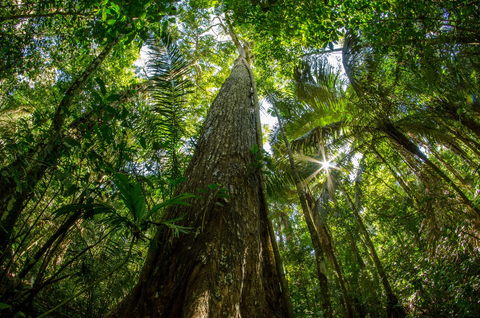 Cuban Mahogany Tree: The Ultimate Guide to Beauty, Benefits & Conservation
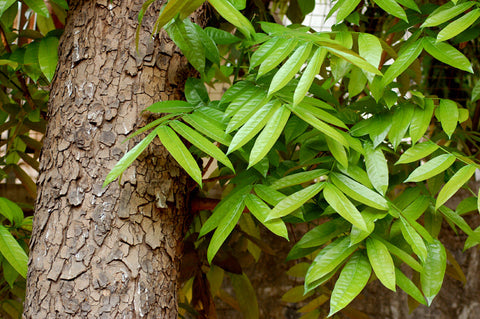 Big Leaf Mahogany Tree: Ultimate Guide to Beauty, Benefits & Conservation
 Indian Mahogany Tree: Regal Presence of Hardwood Majesty
 Congo Mahogany Tree: Ultimate Guide to Beauty, Benefits & Conservation
 African Mahogany Tree: The Ultimate Guide to Its Beauty, Benefits, and Sustainable Harvesting
 Satinwood Tree: Complete Guide to Beauty, Benefits & Care Tips


Leave a comment