
Snake Bean Tree: Complete Guide to Growing Nature's Hidden Gem
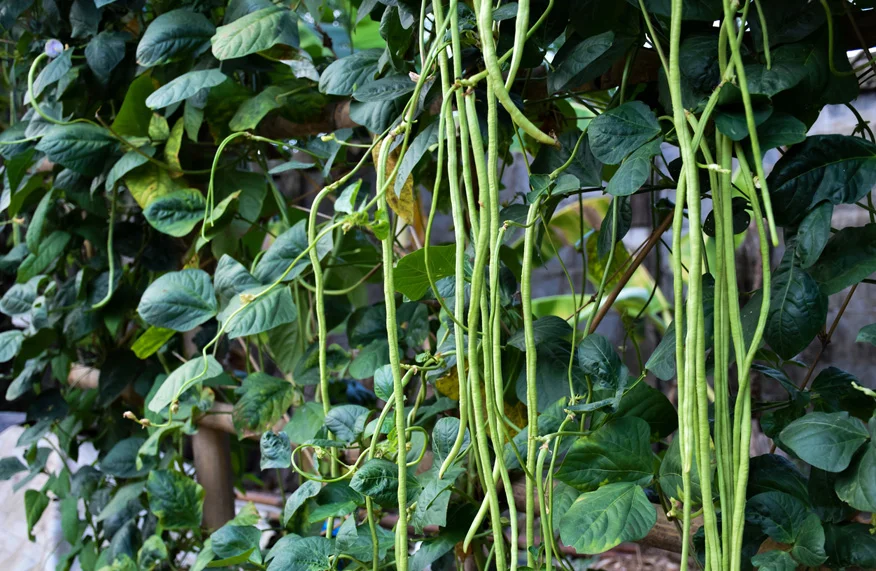
The Snake Bean Tree (Vigna unguiculata subsp. sesquipedalis) is a tropical legume producing pods up to 3 feet long, native to Southeast Asia. This climbing vine, also called Yardlong Bean or Asparagus Bean, contains vitamins A, C, and K, along with calcium, magnesium, and potassium, making it valued for both home cultivation and sustainable gardening.
The Snake Bean Tree (Vigna unguiculata subsp. sesquipedalis) stands out as one of nature's most remarkable hidden gems for sustainable gardening. With pods reaching up to 3 feet in length and exceptional nutritional benefits, this tropical legume offers gardeners an opportunity to grow something truly extraordinary while contributing to environmental restoration.
✅ Understanding the Snake Bean Tree
The Snake Bean Tree, scientifically known as Vigna unguiculata subsp. sesquipedalis, is a tropical legume native to Southeast Asia. It is renowned for its long, slender pods that can reach lengths of up to 3 feet. These beans are not only visually striking but are also packed with nutrients, making them a favorite among health-conscious gardeners and chefs alike.
This climbing vine belongs to the cowpea family and is also known by names like Yardlong Bean, Asparagus Bean, or Chinese Long Bean. The plant's vigorous growth habit and impressive productivity make it an excellent choice for vertical gardening and maximizing space efficiency.
⭐ Nutritional Benefits and Health Impact
One of the most compelling reasons to cultivate the Snake Bean Tree is its exceptional nutritional profile. These beans are rich in vitamins A, C, and K, as well as essential minerals like calcium, magnesium, and potassium. They are also a good source of dietary fiber and protein, making them an excellent option for vegetarians and those looking to incorporate more plant-based foods into their diets.
Key nutritional highlights include:
- High in folate, supporting cardiovascular health
- Rich in antioxidants that combat free radicals
- Low in calories but high in essential nutrients
- Contains all essential amino acids when combined with grains
💡 Fun Fact: Snake Beans are often used in traditional Asian dishes. Their unique texture and flavor make them a popular ingredient in stir-fries, salads, and curries, adding both nutrition and visual appeal to meals.
🌱 Historical Significance and Cultural Heritage
The cultivation of Snake Beans dates back centuries, with evidence suggesting that they have been grown in Asia for over 2,000 years. They were brought to the Americas by enslaved Africans and have since become a staple in various cuisines across the globe. Their adaptability to different climates and soils has contributed to their widespread popularity.
According to the United Nations Sustainable Development Goals, promoting diverse agricultural practices like Snake Bean cultivation supports food security and sustainable agriculture initiatives worldwide.
🌿 Optimal Growing Conditions
Snake Bean Trees thrive in warm, tropical climates, but they can also be grown in temperate regions with the right care. Here are the essential factors to consider when cultivating this remarkable plant:
Soil Requirements
Snake Beans prefer well-drained, loamy soil rich in organic matter. A pH level between 6.0 and 7.0 is ideal for optimal growth. The soil should be loose and fertile, allowing proper root development and drainage.
Sunlight Needs
These plants require full sun exposure, ideally receiving at least 6-8 hours of direct sunlight daily. Adequate sunlight ensures robust growth and maximum pod production.
Watering Guidelines
Consistent moisture is crucial, especially during the flowering and pod-setting stages. However, be cautious not to overwater, as this can lead to root rot. Maintain soil moisture without waterlogging.
Temperature Requirements
The ideal growing temperature for Snake Beans ranges from 70°F to 95°F (21°C to 35°C). They are sensitive to frost, so it's important to plant them after the last frost date in your area.
🌱 Propagation and Planting Techniques
Snake Beans can be propagated through seeds, which are readily available at garden centers or online. Here's a comprehensive step-by-step guide to successful cultivation:
→ Seed Preparation
Soak the seeds in water for 24 hours to promote germination. This softens the seed coat and accelerates the sprouting process.
→ Planting Process
Sow the seeds about 1 inch deep in well-prepared soil. Space the seeds 2-3 feet apart to allow for their vigorous growth and proper air circulation.
→ Initial Care
Water the seeds thoroughly after planting and maintain consistent moisture until germination, which typically takes 7-14 days under optimal conditions.
→ Support Structures
As the plants grow, provide trellises or stakes for support, as Snake Bean Trees can reach impressive heights of 6-10 feet. Strong support systems are essential for healthy development.
⚠️ Pest and Disease Management
Like any other plant, Snake Bean Trees are susceptible to pests and diseases. Common pests include aphids, spider mites, and whiteflies. The World Wildlife Fund's forest conservation initiatives emphasize the importance of sustainable pest management practices.
Natural Control Methods
- Natural Predators: Introduce beneficial insects like ladybugs and lacewings to help control pest populations
- Organic Solutions: Use neem oil or insecticidal soap for effective pest control without harming beneficial insects
- Preventive Measures: Practice crop rotation to prevent soil-borne diseases and reduce pest populations
- Companion Planting: Grow marigolds and basil nearby to naturally repel harmful insects
🍽️ Harvesting and Culinary Applications
The best time to harvest Snake Beans is when the pods are still young and tender, typically about 10-14 inches in length. If left on the vine too long, the pods will become tough and stringy. To harvest, simply snap the pods off the plant with a gentle twist.
In the kitchen, Snake Beans can be used in a variety of dishes. They can be steamed, stir-fried, or added to soups and salads. Their unique texture and flavor make them a delightful addition to any meal.
Popular Cooking Methods
- Quick stir-frying with garlic and ginger
- Steaming and serving with sesame oil
- Adding to curries and coconut-based dishes
- Incorporating into fresh salads for crunch
🌍 Environmental Impact and Sustainability
Planting Snake Bean Trees contributes positively to the environment in several ways, aligning with global sustainability efforts. The United Nations Climate Change initiatives recognize the importance of diverse agricultural practices in combating climate change.
Environmental Benefits
- Soil Health: As a legume, Snake Beans fix nitrogen in the soil, improving soil fertility and reducing the need for chemical fertilizers
- Biodiversity: Cultivating diverse plant species like Snake Beans promotes biodiversity in gardens and helps support local ecosystems
- Carbon Sequestration: Trees and plants absorb carbon dioxide from the atmosphere, contributing to climate change mitigation
- Water Conservation: Their efficient root systems help prevent soil erosion and improve water retention
💡 Advanced Growing Tips
For experienced gardeners looking to maximize their Snake Bean Tree cultivation, consider these advanced techniques:
- Implement succession planting every 2-3 weeks for continuous harvests
- Use organic mulch to retain moisture and suppress weeds
- Apply compost tea monthly during growing season
- Train vines on A-frame trellises for easier harvesting
- Save seeds from the best-performing plants for next season
🌱 Grow Billion Trees Partnership
At Grow Billion Trees, we understand the importance of diverse plant cultivation in our mission of Combating Climate Change Through Collective Action. While our primary focus is on Plant a tree in your Name for ₹299 with our comprehensive 2-3ft Tree Planting + 3 Years Care + GeoTag service, we also recognize the value of food forests and sustainable gardening practices.
Our agroforestry programs integrate food-producing plants like Snake Bean Trees with traditional forest species, creating sustainable ecosystems that support both environmental restoration and food security. This approach helps communities achieve Net Zero Targets while building resilient agricultural systems.
Through our commitment to planting 100 crore trees across India, we're creating opportunities for diverse plant cultivation that includes both native forest species and valuable food crops like the Snake Bean Tree.
Further reading: Lucky Bean Tree: Nature's Magical Treasure for Prosperity ✅ · Cocoa Tree: Nature's Chocolate Factory for Health & Happiness
Frequently Asked Questions
How long does it take for Snake Bean Trees to produce pods?
Snake Bean Trees typically begin producing pods 60-70 days after planting. The first harvest usually occurs around 10-12 weeks from germination, with continuous production throughout the growing season.
Can Snake Bean Trees be grown in containers?
Yes, Snake Bean Trees can be successfully grown in large containers (minimum 20 gallons) with proper support structures. Ensure adequate drainage and use a high-quality potting mix enriched with compost.
What is the ideal spacing for Snake Bean Trees?
Plant Snake Bean Trees 2-3 feet apart in rows, with 4-6 feet between rows. This spacing allows for proper air circulation and easy access for harvesting and maintenance.
How often should I water Snake Bean Trees?
Water Snake Bean Trees 2-3 times per week, providing about 1 inch of water weekly. Increase frequency during hot, dry periods and reduce during cooler months or rainy seasons.
Are Snake Bean Trees susceptible to any specific diseases?
Common diseases include bacterial blight, rust, and powdery mildew. Prevent these issues through proper spacing, good air circulation, and avoiding overhead watering during humid conditions.
When is the best time to plant Snake Bean Trees?
Plant Snake Bean Trees after the last frost date in spring when soil temperatures reach 65°F (18°C). In tropical regions, they can be planted year-round with adequate water supply.
How do I know when Snake Beans are ready to harvest?
Harvest Snake Beans when pods are 12-18 inches long and still tender. The pods should snap easily and have a bright green color without visible seed bulges.
Can I save seeds from my Snake Bean harvest?
Yes, allow some pods to mature fully on the vine until they turn brown and dry. Remove seeds and store them in a cool, dry place for planting next season.
What companion plants work well with Snake Bean Trees?
Excellent companions include corn (provides natural support), marigolds (pest deterrent), basil (improves flavor and repels insects), and tomatoes (complementary growth habits).
How much yield can I expect from one Snake Bean Tree?
A single healthy Snake Bean Tree can produce 15-25 pounds of pods throughout the growing season, with peak production occurring during mid to late summer months.The Snake Bean Tree represents an incredible opportunity to enhance your garden's productivity while contributing to environmental sustainability. By incorporating these remarkable plants into your growing space, you're not only providing nutritious food for your family but also supporting biodiversity and soil health. Discover how you can expand your environmental impact through our comprehensive tree planting and agroforestry programs, creating a greener future for generations to come.
Keep reading
 Lucky Bean Tree: Nature's Magical Treasure for Prosperity ✅
 Cocoa Tree: Nature's Chocolate Factory for Health & Happiness
 The Importance of Snakes in Indian Culture and Ecosystems
 Trumpet Vine (Campsis) Tree: The Bold and Beautiful Climber That Transforms Your Garden into a Vibrant Paradise
 Coffee Arabica Tree: Unlocking Perfect Home Brewing Secrets


Leave a comment