
Lucky Bean Tree: Nature's Magical Treasure for Prosperity ✅
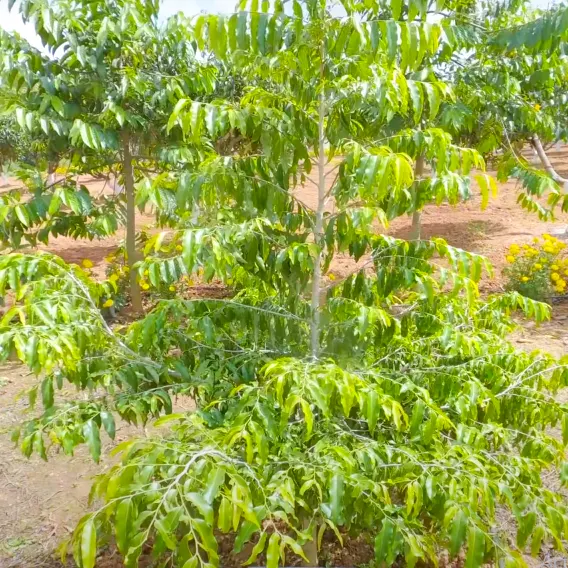
The Lucky Bean Tree (Dipteryx odorata) is a rainforest giant reaching up to 50 metres tall, known for heart-shaped seeds believed to bring prosperity and good fortune. These glossy seeds have earned their lucky status across multiple cultures. The tree lives over a century, supporting countless species through its broad canopy while contributing to ecosystem restoration.
The Lucky Bean Tree (Dipteryx odorata) stands as one of nature's most extraordinary gifts, offering both mystical charm and tangible environmental benefits. This towering rainforest giant, reaching heights of up to 50 meters, has captivated cultures for centuries with its heart-shaped seeds believed to bring prosperity and good fortune. Beyond folklore, this remarkable tree plays a crucial role in ecosystem restoration and sustainable development across tropical regions.
At Grow Billion Trees, we recognize the Lucky Bean Tree's potential to contribute to our mission of planting 100 crore trees while supporting biodiversity and local communities. When you Plant a tree in your Name through our programs, you're joining a global movement toward environmental restoration and prosperity.
🌟 The Botanical Marvel: Understanding the Lucky Bean Tree
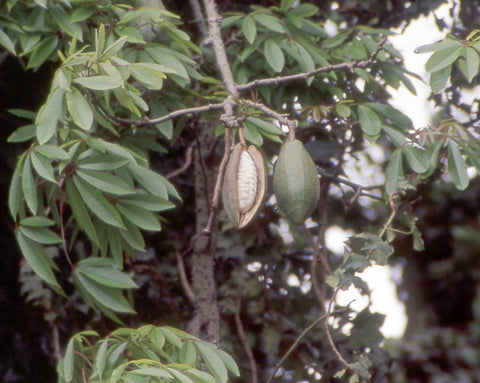
The Lucky Bean Tree belongs to the Fabaceae family and represents one of nature's most impressive specimens. This towering giant can live for over a century, developing a magnificent canopy that supports countless species. Its broad, glossy leaves and fragrant flowers create a stunning visual display, but the real treasures lie in its distinctive seeds.
These heart-shaped, glossy dark brown seeds have earned their reputation as "lucky beans" across multiple cultures. The seeds contain high concentrations of coumarin, a compound with anticoagulant, anti-inflammatory, and antioxidant properties. However, moderation is essential when considering any medicinal applications, as excessive coumarin consumption can pose health risks.
The tree's impressive stature and longevity make it an ideal candidate for long-term reforestation projects. Our 2-3ft Tree Planting + 3 Years Care + GeoTag program ensures each Lucky Bean Tree receives proper nurturing during its critical establishment phase.
💡 Historical Significance and Cultural Impact
Indigenous Amazonian tribes have revered the Lucky Bean Tree for centuries, incorporating its seeds into spiritual rituals and using them as protective talismans. These communities understood the tree's ecological importance long before modern science validated their wisdom. The seeds served practical purposes too, functioning as natural weights for fishing nets due to their perfect density and buoyancy.
European explorers in the 19th century became fascinated with these mysterious seeds, leading to their global distribution. Remarkably, Lucky Bean seeds once served as an ivory substitute for button production in the early 20th century, contributing to conservation efforts by reducing elephant ivory demand. This historical example demonstrates how sustainable alternatives can support both environmental protection and economic development.
According to the United Nations Sustainable Development Goals, promoting sustainable use of terrestrial ecosystems and managing forests sustainably are crucial for achieving global environmental targets. The Lucky Bean Tree exemplifies how traditional knowledge can align with modern conservation strategies.
⭐ Ecosystem Role and Environmental Benefits
The Lucky Bean Tree's ecological contributions extend far beyond its mystical reputation. As a nitrogen-fixing legume, it naturally enriches soil fertility, creating optimal conditions for surrounding vegetation. This process proves essential for maintaining healthy rainforest ecosystems that support incredible biodiversity.
The tree provides critical habitat and food sources for numerous wildlife species. Its flowers attract essential pollinators including bees, butterflies, and hummingbirds, while the seeds nourish various mammals and birds. This interconnected web of relationships demonstrates why preserving the Lucky Bean Tree supports entire ecosystem networks.
Research from the United Nations Environment Programme on Forests emphasizes that native tree species like the Lucky Bean Tree are fundamental to forest restoration success. Their deep root systems prevent soil erosion, regulate water cycles, and sequester significant amounts of carbon dioxide.
🌱 Sustainable Harvesting and Economic Opportunities
Sustainable harvesting of Lucky Bean seeds creates valuable economic opportunities for local communities without compromising ecosystem integrity. The seeds' popularity in jewelry making, decorative crafts, and cultural ceremonies provides steady income streams when managed responsibly.
Proper harvesting techniques involve collecting only mature seeds that have naturally fallen, ensuring the tree's reproductive cycle remains undisturbed. This approach allows communities to benefit economically while maintaining forest health. Training programs teach residents to identify optimal harvest timing and sustainable collection methods.
Our agroforestry programs integrate Lucky Bean Trees with agricultural crops, creating diverse income sources while improving soil health. Farmers participating in these initiatives report increased crop yields and enhanced resilience against climate variability. This model demonstrates how traditional prosperity symbols can deliver modern economic benefits.
🌍 Climate Change Mitigation and Carbon Sequestration
The Lucky Bean Tree's impressive size and longevity make it an exceptional carbon sequestration champion. A mature tree can store several tons of carbon dioxide throughout its century-long lifespan, contributing significantly to climate change mitigation efforts. This capacity aligns perfectly with corporate Net Zero Targets and environmental restoration goals.
The United Nations Climate Change initiative recognizes forest restoration as one of the most effective natural climate solutions available. Lucky Bean Trees, with their rapid growth rates and substantial biomass accumulation, represent powerful tools in this global effort.
When planted strategically in degraded areas, these trees help restore natural water cycles, reduce local temperatures, and create microclimates that support other species' establishment. This cascading effect accelerates overall ecosystem recovery and enhances landscape resilience against climate impacts.
✅ Grow Billion Trees Partnership: Scaling Impact
At Grow Billion Trees, we've identified the Lucky Bean Tree as a cornerstone species for our reforestation initiatives. Our comprehensive approach combines scientific expertise with community engagement to maximize both environmental and social benefits. Through our specialized programs, we're Combating Climate Change Through Collective Action while honoring cultural traditions.
Our partnership model works directly with indigenous communities and local organizations to ensure culturally appropriate and ecologically sound planting strategies. We provide training, resources, and long-term support to guarantee project success. Each planted Lucky Bean Tree receives our signature three-year care program, dramatically improving survival rates.
The GeoTag technology we employ allows supporters to track their tree's growth progress, creating personal connections between urban supporters and rural restoration sites. This transparency builds trust and encourages continued environmental engagement among our growing community of tree planters.
🌳 Planting and Care Guidelines
Successfully establishing Lucky Bean Trees requires understanding their specific needs and growth patterns. These trees thrive in well-drained, fertile soils with consistent moisture during establishment. Young saplings benefit from partial shade protection until their root systems develop sufficiently to access deeper water sources.
Proper spacing proves crucial for optimal growth, with mature trees requiring substantial canopy room. We recommend minimum 15-meter spacing between individual trees to prevent competition and ensure healthy development. Mixed-species plantings often produce better results, as companion plants provide beneficial soil conditions and wildlife habitat.
Our three-year care protocol includes regular watering during dry periods, organic fertilization, pest monitoring, and protective measures against browsing animals. This intensive early care investment ensures high survival rates and robust long-term growth. Community volunteers receive comprehensive training in these care techniques, building local capacity for ongoing forest management.
💚 Conservation Challenges and Solutions
Despite their resilience, Lucky Bean Trees face significant threats from deforestation, climate change, and habitat fragmentation. The World Wildlife Fund reports on deforestation highlight how rapid forest loss threatens countless species including culturally significant trees like the Lucky Bean.
Illegal logging, agricultural expansion, and infrastructure development continue pressuring remaining rainforest habitats. These activities not only eliminate existing trees but also fragment ecosystems, making natural regeneration increasingly difficult. Addressing these challenges requires coordinated conservation efforts and sustainable development alternatives.
Our response involves creating protected corridors, supporting sustainable livelihoods, and advocating for stronger environmental policies. By demonstrating the economic value of standing forests through eco-tourism, sustainable harvesting, and carbon credit programs, we help communities choose conservation over destruction.
🎯 Corporate and Individual Engagement Opportunities
Organizations seeking to achieve environmental sustainability goals find Lucky Bean Tree planting particularly appealing due to its cultural significance and ecological benefits. Corporate partnerships allow companies to offset their carbon footprints while supporting biodiversity conservation and community development.
Individual supporters can participate through our memorial tree programs, birthday plantings, or general environmental contributions. Each ₹299 donation plants one Lucky Bean Tree with full care included, making environmental action accessible to everyone. Digital certificates and GeoTag tracking provide tangible proof of impact.
Special occasion plantings have become increasingly popular, with families choosing Lucky Bean Trees for weddings, births, and memorial services. The tree's association with good fortune and longevity makes it particularly meaningful for life celebrations. These personal connections help build lasting environmental awareness and commitment.
Further reading: Snake Bean Tree: Complete Guide to Growing Nature's Hidden Gem · Crow's Ash Tree: Unlocking Nature's Hidden Mystical Secrets
Frequently Asked Questions
What makes the Lucky Bean Tree special compared to other trees?
The Lucky Bean Tree combines exceptional ecological benefits with deep cultural significance. Its heart-shaped seeds have been treasured for centuries as symbols of prosperity, while the tree itself provides crucial ecosystem services including nitrogen fixation, carbon sequestration, and wildlife habitat. This unique combination of mystical appeal and environmental function makes it ideal for restoration projects.
How long does it take for a Lucky Bean Tree to produce seeds?
Lucky Bean Trees typically begin producing seeds after 8-12 years, with peak production occurring between 20-50 years of age. The trees continue producing seeds throughout their century-long lifespans, making them excellent long-term investments for both environmental and economic benefits.
Can Lucky Bean Trees grow outside tropical rainforests?
While Lucky Bean Trees prefer tropical conditions, they can adapt to subtropical climates with adequate moisture and protection from frost. Our experts assess site conditions carefully before recommending plantings, ensuring optimal success rates. In marginal climates, greenhouse propagation and gradual acclimatization improve establishment success.
Are Lucky Bean seeds safe to handle and use in crafts?
Lucky Bean seeds are generally safe for external use in jewelry and decorative applications. However, they should not be consumed due to coumarin content. When working with seeds, basic precautions like avoiding dust inhalation and washing hands afterward are recommended. Professional crafters often apply protective finishes to enhance durability.
How does planting Lucky Bean Trees support local communities?
Lucky Bean Tree plantings create multiple community benefits including employment opportunities, sustainable income from seed harvesting, improved soil fertility for agriculture, and enhanced ecosystem services. Our community partnership model ensures local residents receive training, resources, and long-term support for successful forest management.
What is the carbon sequestration potential of Lucky Bean Trees?
A mature Lucky Bean Tree can sequester 2-4 tons of carbon dioxide over its lifetime, with exact amounts depending on growing conditions and tree size. Their rapid early growth and substantial biomass accumulation make them highly effective for climate change mitigation efforts. Combined with soil carbon improvements from nitrogen fixation, total climate benefits are even greater.
How can I track the progress of my planted Lucky Bean Tree?
Every tree planted through Grow Billion Trees receives a unique GeoTag identifier, allowing you to monitor its location and growth progress through our online platform. Regular updates include photos, growth measurements, and ecosystem impact reports. This transparency helps build lasting connections between supporters and their environmental contributions.
What threats do Lucky Bean Trees face in the wild?
Primary threats include deforestation for agriculture and development, illegal logging, climate change impacts, and habitat fragmentation. These pressures have reduced natural populations significantly, making conservation efforts increasingly urgent. Our restoration projects help counter these threats by establishing new populations in protected areas.
Can Lucky Bean Trees be planted in urban environments?
Lucky Bean Trees can thrive in urban settings with adequate space and care. Their impressive size requires substantial planting areas, making them suitable for parks, large gardens, and green corridors rather than small residential spaces. Urban plantings provide valuable ecosystem services including air purification, temperature regulation, and stormwater management.
How do I get involved in Lucky Bean Tree conservation efforts?
You can support Lucky Bean Tree conservation by planting trees through our programs, participating in educational initiatives, advocating for forest protection policies, or volunteering with restoration projects. Corporate partnerships and community engagement opportunities are available for larger-scale involvement. Every contribution helps preserve these magical treasures for future generations.
🌟 The Future of Lucky Bean Tree Conservation
The Lucky Bean Tree's future depends on our collective commitment to sustainable forest management and community-based conservation. Research continues revealing new applications for these remarkable trees, from pharmaceutical compounds to innovative materials. Scientific advances in propagation techniques and genetic conservation ensure healthy populations for restoration efforts.
Climate change adaptation strategies increasingly recognize the importance of native species like the Lucky Bean Tree for ecosystem resilience. Their deep root systems, nitrogen-fixing capabilities, and biodiversity support make them essential components of climate-smart reforestation. Investment in Lucky Bean Tree conservation today creates lasting benefits for environmental and human well-being.
Educational programs highlighting the tree's cultural significance and ecological importance help build public support for conservation initiatives. By connecting traditional knowledge with modern science, we create compelling narratives that inspire action across diverse communities. The Lucky Bean Tree's story demonstrates how respecting cultural wisdom enhances conservation success.
The Lucky Bean Tree truly represents nature's perfect blend of mystical charm and practical benefits. From its heart-shaped seeds symbolizing prosperity to its crucial role in ecosystem restoration, this remarkable species offers hope for sustainable development and environmental healing. Through organizations like Grow Billion Trees, we can ensure these magical treasures continue blessing future generations with their beauty, ecological services, and cultural significance.
Ready to plant your own Lucky Bean Tree and join our mission of environmental restoration? Explore our tree planting programs today and discover how your contribution can create lasting positive impact for both nature and communities worldwide.
Keep reading
 Snake Bean Tree: Complete Guide to Growing Nature's Hidden Gem
 Crow's Ash Tree: Unlocking Nature's Hidden Mystical Secrets
 Cocoa Tree: Nature's Chocolate Factory for Health & Happiness
 Rainforest Plum Tree: Nature's Hidden Treasure for Health & Planet
 Kapok Tree: The Majestic Giant of the Rainforest – Discover Its Secrets and Benefits


Comments
Leave a comment