
Soap Nut Tree: Unlocking Nature's Eco-Friendly Secrets for Sustainable Living

The soap nut tree (Sapindus mukorossi) is a native Indian tree whose fruits contain saponins, natural surfactants that produce soap when mixed with water. Used for centuries in cleaning and traditional medicine, soap nuts provide an eco-friendly alternative to synthetic soaps for laundry and household cleaning.
In an era where sustainable living is becoming paramount, the soap nut tree, or Sapindus mukorossi, emerges as a natural marvel that offers eco-friendly solutions for households and industries alike.
This remarkable tree, native to the Indian subcontinent, has been used for centuries for its natural cleansing properties.
As we delve into the secrets of the soap nut tree, we’ll explore its historical significance, environmental impact, and how organizations like Grow Billion Trees Partners are working tirelessly to promote and sustain this invaluable resource.
The Soap Nut Tree: A Brief Overview
The soap nut tree is a deciduous tree that can grow up to 25 meters tall. Its fruits, known as soap nuts, contain saponins, which are natural surfactants. When the fruit is crushed and mixed with water, it produces a lather similar to traditional soaps.
This natural soap has been utilized for centuries in various cultures for laundry, personal care, and even as a cleaning agent for household items.
Historical Significance
The use of soap nuts dates back thousands of years. Ancient texts from India and China reference the use of soap nuts for cleaning and medicinal purposes. In traditional Ayurvedic medicine, soap nuts are believed to have various health benefits, including anti-inflammatory and antibacterial properties.
They were not only used for personal hygiene but also as a natural remedy for skin conditions and hair care.
Soap nuts gained popularity in the West during the 20th century as the demand for eco-friendly and sustainable products increased. Today, they are celebrated as a natural alternative to chemical-laden soaps and detergents, aligning perfectly with the growing trend of sustainable living.
Scientific Insights: The Power of Saponins
Saponins are glycosides that possess both hydrophilic (water-attracting) and hydrophobic (water-repelling) properties. This unique structure allows saponins to create lather when mixed with water, making them effective cleansers.
Scientific studies have shown that saponins can effectively remove dirt and grease, making soap nuts an excellent choice for laundry and cleaning applications.
Research published in the journal Industrial Crops and Products highlighted that soap nuts contain approximately 10-15% saponins, depending on the maturity of the fruit.
This concentration is sufficient to provide effective cleansing without the harsh chemicals found in many commercial detergents. Furthermore, soap nuts are biodegradable and non-toxic, making them safe for both human use and the environment.
Environmental Impact
The environmental impact of using soap nuts is significant. Traditional detergents often contain phosphates, surfactants, and other harmful chemicals that can pollute waterways and harm aquatic life.
In contrast, soap nuts are a sustainable, biodegradable alternative that does not contribute to water pollution. By choosing soap nuts, consumers can reduce their carbon footprint and promote a healthier ecosystem.
Moreover, the cultivation of soap nut trees contributes positively to the environment. These trees play a crucial role in reforestation efforts, as they thrive in degraded lands and help restore biodiversity.
The soap nut tree is also known for its ability to sequester carbon, making it a valuable ally in the fight against climate change.
Fun Facts About Soap Nuts
- Soap nuts are not actually nuts; they are the dried fruit of the soap nut tree.
- The saponins in soap nuts have been shown to have insecticidal properties, making them a natural pest repellent.
- Soap nuts can be reused multiple times; one batch can typically last for 3-4 washes.
- They are hypoallergenic and safe for sensitive skin, making them suitable for babies and individuals with allergies.
- In some cultures, soap nuts are used in rituals and ceremonies for their purifying properties.
Grow Billion Trees Partners: Promoting Sustainable Practices
Organizations like Grow Billion Trees Partners are at the forefront of promoting the cultivation and sustainable use of soap nut trees. This initiative focuses on reforestation and afforestation projects across various regions, particularly in areas where soap nut trees are indigenous.
Grow Billion Trees Partners works with local communities to educate them about the benefits of soap nut trees and how to cultivate them sustainably. By providing training and resources, they empower communities to grow these trees, which not only provide a source of income but also contribute to environmental conservation.
The organization’s approach includes:
- Community Engagement: Involving local communities in the planting and maintenance of soap nut trees fosters a sense of ownership and responsibility toward the environment.
- Education and Training: Providing workshops and training sessions on sustainable farming practices, the benefits of soap nuts, and the importance of biodiversity.
- Market Access: Helping communities access markets for their soap nut products, ensuring that they receive fair compensation for their efforts.
- Research and Development: Collaborating with scientists and researchers to improve cultivation techniques and explore new uses for soap nuts.
How to Use Soap Nuts
Using soap nuts is simple and effective. Here’s a step-by-step guide on how to incorporate them into your laundry routine:
- Prepare the Soap Nuts: Take 4-6 whole soap nuts and place them in a small cotton or muslin bag.
- Wash: Toss the bag of soap nuts into your washing machine along with your laundry. For a more potent wash, you can boil the soap nuts in water to create a liquid soap that can be added directly to the wash.
- Reuse: After the wash, you can reuse the soap nuts for another 3-4 washes until they become gray and lose their lathering ability.
- Dry and Store: Once used, allow the soap nuts to dry out completely before storing them in a cool, dry place.
Conclusion
The soap nut tree is more than just a source of natural soap; it represents a sustainable approach to living in harmony with nature.
By harnessing the power of soap nuts, we can reduce our reliance on chemical products, promote ecological balance, and support local communities. Initiatives like Grow Billion Trees Partners are vital in ensuring the future of this eco-friendly resource, as they work tirelessly to educate, empower, and engage communities in sustainable practices.
As we continue to explore eco-friendly alternatives in our daily lives, let us not overlook the humble soap nut tree. It stands as a testament to nature’s ability to provide sustainable solutions for modern living. By embracing soap nuts, we contribute to a healthier planet and a more sustainable future for generations to come.
Call to Action
If you’re interested in making a positive impact on the environment, consider switching to soap nuts for your laundry and cleaning needs. Support organizations like Grow Billion Trees Partners in their mission to promote sustainable practices and reforestation efforts. Together, we can unlock nature's eco-friendly secrets and pave the way for a greener, more sustainable world.
Further reading: Soapberries Trees Tree: Unlocking Nature’s Eco-Friendly Cleanser and Sustainable Wonder · Supari Tree: Unveiling the Cultural Significance and Remarkable Benefits of Natures Nutty Treasure
Frequently Asked Questions
What are soap nuts?
Soap nuts are the dried fruit of the soap nut tree, Sapindus mukorossi, packed with saponins that create a lather when mixed with water. Forget the chemical-laden soaps; these little wonders have been cleaning up our act for centuries, providing a natural and eco-friendly alternative for all your washing needs!
How do soap nuts work?
Soap nuts release saponins when crushed and mixed with water, creating a natural surfactant that cleans effectively. Think of them as nature's own soap factory! They tackle dirt and grease without the harsh chemicals found in traditional detergents, making laundry day a breeze for both you and Mother Earth.
Are soap nuts safe for sensitive skin?
Absolutely! Soap nuts are hypoallergenic and gentle on the skin, making them perfect for babies and those with allergies. Say goodbye to rashes and irritations; these natural gems offer a soothing cleanse without the synthetic additives. Your skin will thank you for choosing this eco-friendly option!
How many times can you reuse soap nuts?
You can reuse soap nuts for about 3-4 washes before they start to lose their lathering magic. Just toss them in the wash and let them work their wonders! Once they turn gray and stop bubbling, it’s time to retire them to the compost pile—talk about a sustainable cycle!
Where do soap nuts come from?
Soap nuts hail from the soap nut tree, native to the Indian subcontinent. These majestic trees thrive in degraded lands, making them superheroes of reforestation. Cultivated sustainably, they not only provide natural soap but also help restore biodiversity and combat climate change. Talk about multitasking!
What are the environmental benefits of soap nuts?
Soap nuts are biodegradable and non-toxic, reducing water pollution caused by traditional detergents. They help lower your carbon footprint while promoting a healthier ecosystem. By choosing soap nuts, you're not just cleaning your clothes—you're also cleaning up the planet!
How do I use soap nuts in laundry?
Using soap nuts is a cinch! Simply place 4-6 whole soap nuts in a cotton bag and toss them in the wash. For an extra boost, boil them to create a liquid soap. After 3-4 washes, let them dry out and store for next time. It’s like having a cleaning buddy!
What is the historical significance of soap nuts?
Soap nuts have been cherished for thousands of years, with ancient texts from India and China highlighting their cleaning and medicinal prowess. They were used in Ayurvedic medicine and have gained popularity in the West as eco-friendly alternatives. Talk about a timeless treasure!
Who is Grow Billion Trees Partners?
Grow Billion Trees Partners is an organization dedicated to promoting the cultivation and sustainable use of soap nut trees. They engage local communities in reforestation efforts, providing education and market access. With their help, soap nuts can thrive, supporting both the environment and local livelihoods.
Can soap nuts be used for cleaning other items?
Yes, soap nuts are versatile! Beyond laundry, they can be used to clean household items, dishes, and even as a natural pest repellent. Their saponins work wonders in various applications, making them a go-to for eco-friendly cleaning all around the house.
What makes soap nuts a sustainable choice?
Soap nuts are a sustainable choice because they are biodegradable, non-toxic, and contribute to reforestation. Unlike traditional detergents, they don’t harm aquatic life or pollute waterways. By embracing soap nuts, you’re supporting a greener planet while enjoying a natural cleaning solution—win-win!
Keep reading
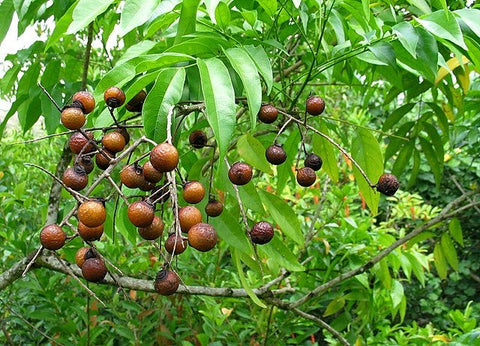 Soapberries Trees Tree: Unlocking Nature’s Eco-Friendly Cleanser and Sustainable Wonder
 Supari Tree: Unveiling the Cultural Significance and Remarkable Benefits of Natures Nutty Treasure
 Chinese Chestnut Tree: Complete Growing Guide for Nature's Treasure
 Betel Nut Palm Tree: The Hidden Treasures and Health Benefits You Never Knew!
 Macadamia Tree: Unlocking Nature's Nutty Treasure Secrets


Leave a comment