


Tamarillo Tree: Unlocking the Secrets to Growing and Harvesting This Exotic Superfruit!
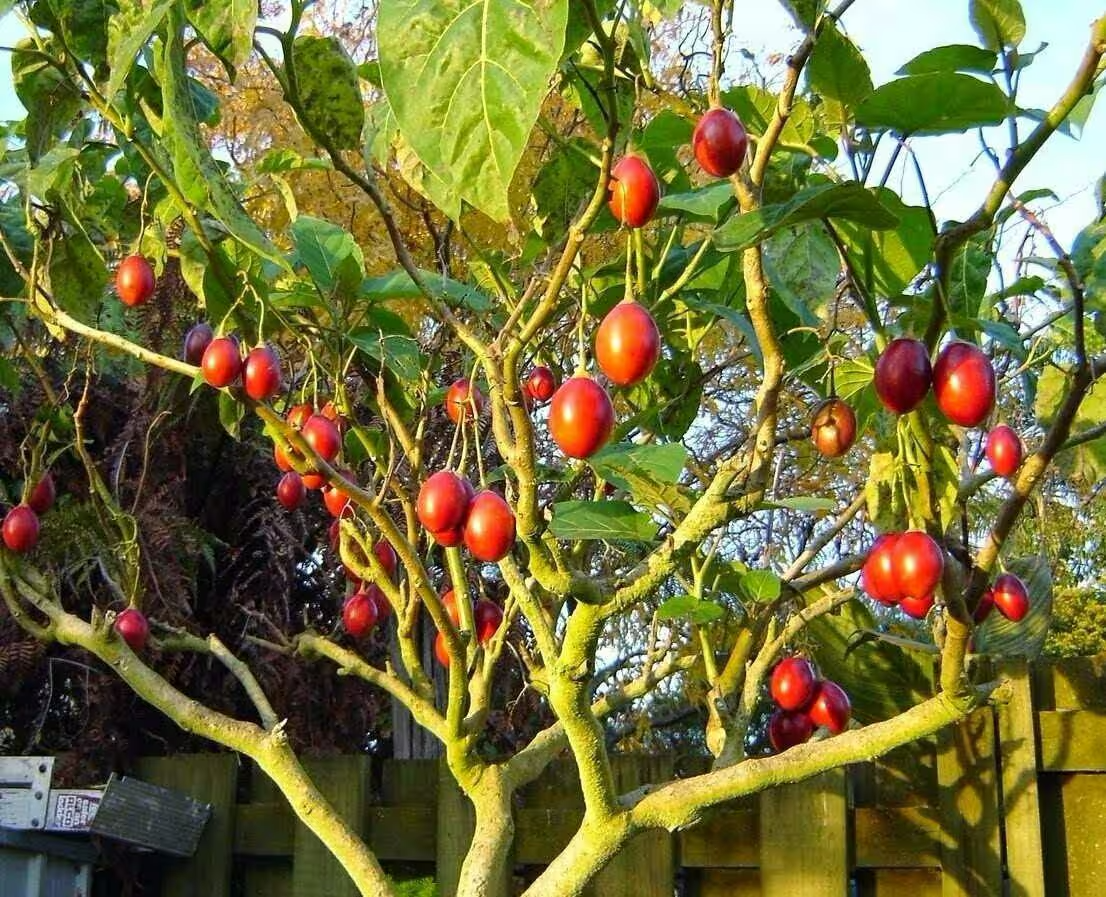
The tamarillo (Solanum betaceum), or tree tomato, is a nightshade native to South America's Andean regions that produces oval fruit in red, yellow, and purple varieties. Successful cultivation requires understanding the tree's specific growing conditions, while harvest timing affects the fruit's flavor profile, which can range from tangy to sweet depending on maturity level.
The tamarillo, often referred to as the "tree tomato," is a unique and exotic fruit that has been gaining popularity for its vibrant colors, tangy flavor, and numerous health benefits.
This blog delves deep into the world of the tamarillo tree, exploring its cultivation, harvesting techniques, nutritional value, and even its environmental impact. Additionally, we’ll highlight how organizations like Grow Billion Trees are making strides in promoting sustainable agriculture through tamarillo cultivation.
The Tamarillo: A Brief Overview
The tamarillo (Solanum betaceum) is a member of the nightshade family, which includes tomatoes, potatoes, and eggplants.
Native to the Andean regions of South America, particularly in countries like Colombia, Ecuador, and Peru, the tamarillo has been cultivated for centuries.
The fruit is oval-shaped and comes in various colors, including red, yellow, and purple, with a flavor profile that ranges from sweet to tangy depending on its ripeness.
Historical Significance
The tamarillo has a rich history that dates back to the pre-Columbian era. Indigenous peoples of the Andes cultivated the fruit for its nutritional value and medicinal properties. The tamarillo was not only a staple in their diets but also played a role in traditional medicine.
In the 19th century, the fruit was introduced to other parts of the world, including New Zealand, where it has since become a popular crop. Today, tamarillo is celebrated in various culinary dishes and is increasingly recognized for its health benefits.
Growing Tamarillo Trees
Growing tamarillo trees can be a rewarding endeavor, but it requires careful attention to specific growing conditions and practices. Below are essential factors to consider when cultivating tamarillo:
Climate and Soil Requirements
Tamarillo trees thrive in warm, subtropical to tropical climates. They require temperatures between 20°C to 30°C (68°F to 86°F) for optimal growth.
The trees can tolerate some frost but are best suited to areas with minimal frost exposure. Additionally, tamarillos prefer well-draining soil enriched with organic matter. A pH level between 6.0 and 7.0 is ideal for healthy growth.
Propagation Techniques
Tamarillo trees can be propagated through seeds or cuttings. Seed propagation involves planting seeds in a seed tray filled with moist potting mix. Once seedlings are established, they can be transplanted into larger pots or directly into the garden. On the other hand, cuttings taken from healthy tamarillo branches can root in soil or water, allowing for faster propagation.
Watering and Fertilization
Regular watering is crucial for tamarillo trees, especially during dry spells. The soil should be kept consistently moist but not waterlogged. Fertilizing with a balanced fertilizer every 4-6 weeks during the growing season will promote healthy growth and fruit production. Organic fertilizers, such as compost or well-rotted manure, are excellent choices for enriching the soil.
Pest and Disease Management
Like many fruit trees, tamarillos are susceptible to pests and diseases. Common pests include aphids, whiteflies, and spider mites. Implementing integrated pest management (IPM) practices, such as introducing beneficial insects and using organic pesticides, can help control infestations. Additionally, maintaining proper air circulation and avoiding overhead watering can prevent fungal diseases.
Harvesting Tamarillos
Harvesting tamarillos requires careful timing to ensure the fruit is at its peak flavor and nutritional content. Here are some tips for successful harvesting:
Timing
Tamarillos typically take 4-6 months to mature after flowering. The fruit should be harvested when it has developed a rich color and feels slightly soft to the touch. Harvesting too early can result in a sour taste, while overripe fruit may become mushy.
Harvesting Techniques
To harvest tamarillos, gently twist the fruit off the stem or use pruning shears to cut it from the tree. It's essential to handle the fruit carefully to avoid bruising, which can affect its shelf life and taste.
Nutritional Benefits of Tamarillo
The tamarillo is not only delicious but also packed with nutrients. Here are some of the key health benefits:
Rich in Vitamins and Minerals
Tamarillos are an excellent source of vitamins A, C, and E, which are essential for maintaining healthy skin, boosting the immune system, and promoting good vision. Additionally, they contain potassium, iron, and calcium, contributing to overall health.
Antioxidant Properties
The fruit is rich in antioxidants, including flavonoids and phenolic compounds, which help combat oxidative stress and reduce inflammation. Regular consumption of tamarillos may lower the risk of chronic diseases such as heart disease and cancer.
Low in Calories
For those watching their calorie intake, tamarillos are a great option. They are low in calories and high in fiber, making them a perfect addition to a healthy diet.
Environmental Impact of Tamarillo Cultivation
As the demand for exotic fruits like tamarillos increases, it is crucial to consider the environmental impact of their cultivation. Sustainable farming practices can mitigate negative effects on the ecosystem:
Soil Health
Growing tamarillos can enhance soil health through crop rotation and the use of organic fertilizers. These practices promote biodiversity and reduce the need for chemical fertilizers.
Water Conservation
Implementing efficient irrigation techniques, such as drip irrigation, can significantly reduce water usage in tamarillo cultivation. This is particularly important in regions facing water scarcity.
Biodiversity Promotion
By cultivating tamarillo alongside other crops, farmers can promote biodiversity and create a more resilient agricultural system. This approach helps support local ecosystems and wildlife.
Grow Billion Trees: Partners in Sustainable Agriculture
Organizations like Grow Billion Trees are making a significant impact in promoting sustainable agriculture through projects that include tamarillo cultivation. Their mission focuses on planting trees and promoting agroforestry practices to combat climate change and enhance food security.
Project Execution
Grow Billion Trees partners with local communities, farmers, and governments to implement sustainable farming practices. By providing training and resources, they empower farmers to grow tamarillos while preserving the environment. Their projects often include:
- Providing access to high-quality seedlings and organic fertilizers.
- Offering workshops on best practices for tamarillo cultivation and pest management.
- Encouraging agroforestry systems that integrate tamarillos with other crops.
Promotion and Awareness
In addition to executing projects, Grow Billion Trees actively promotes the benefits of tamarillo cultivation through educational campaigns and community outreach. They highlight the nutritional value of tamarillos and their potential to improve local economies by providing farmers with a lucrative cash crop.
Fun Facts About Tamarillo
Here are some intriguing facts about tamarillos that you may not know:
- The name "tamarillo" is derived from the Spanish word for “little tamarind.”
- Tamarillos can be eaten raw or cooked and are often used in salads, sauces, and jams.
- The fruit is often used in traditional Andean dishes, showcasing its cultural significance.
- New Zealand is one of the largest producers of tamarillos outside South America, with a thriving industry dedicated to this unique fruit.
Conclusion
The tamarillo tree is an exotic superfruit that offers numerous benefits, from its unique flavor to its impressive nutritional profile. By understanding the cultivation and harvesting techniques, you can enjoy this delightful fruit while contributing to sustainable agriculture.
Organizations like Grow Billion Trees are paving the way for responsible tamarillo cultivation, ensuring that this remarkable fruit can be enjoyed for generations to come. Whether you’re a seasoned gardener or a curious foodie, the tamarillo tree holds endless possibilities for exploration and enjoyment!
Further reading: Hog Plum Tree: The Hidden Superfruit You Need to Know About for Health and Wellness · Black Mulberry Tree: The Ultimate Guide to Cultivating This Nutrient-Packed Superfruit in Your Garden
Frequently Asked Questions
What is a tamarillo tree?
The tamarillo tree, also known as the "tree tomato," is an exotic fruit-bearing tree from the Andean regions of South America. With its vibrant colors and tangy flavors, it’s a delightful addition to any garden, promising both beauty and nutrition. Who wouldn’t want a tree that produces delicious, colorful fruit?
How do I grow a tamarillo tree?
Growing a tamarillo tree is like nurturing a tropical diva! It loves warm, subtropical climates with well-draining, organic-rich soil. Provide it with consistent moisture and a sprinkle of balanced fertilizer, and watch it thrive. Just remember, it’s not a fan of frost—so keep it cozy!
What are the best soil conditions for tamarillo trees?
Tamarillo trees prefer soil that’s as well-draining as a good joke! Aim for a pH level between 6.0 and 7.0, enriched with organic matter. They thrive in nutrient-rich environments, so think of it as giving your tree a luxurious spa treatment for optimal growth.
How do I propagate tamarillo trees?
Propagating tamarillo trees is as easy as pie! You can either plant seeds in a moist potting mix or take cuttings from healthy branches. Seeds need a bit of pampering until they sprout, while cuttings are like instant gratification—rooting quickly in soil or water.
When is the best time to harvest tamarillos?
Timing is everything when it comes to harvesting tamarillos! Wait about 4-6 months after flowering until the fruit boasts a rich color and feels slightly soft. Harvest too early, and you’ll get a sour surprise; too late, and you’ll have mushy disappointment.
How should I harvest tamarillos?
Harvesting tamarillos requires a gentle touch—think of it as plucking a ripe secret from nature! Twist the fruit off the stem or use pruning shears for a clean cut. Handle them with care to avoid bruising, ensuring they’re ready to dazzle at your dinner table.
What nutritional benefits do tamarillos offer?
Tamarillos are nutritional powerhouses! Packed with vitamins A, C, and E, they boost your immune system and keep your skin glowing. Plus, their antioxidant properties help fend off chronic diseases, making them a delicious ally in your quest for good health.
Are tamarillos environmentally friendly?
Absolutely! Tamarillo cultivation can be a green dream. Sustainable practices enhance soil health, promote biodiversity, and conserve water. By growing tamarillos responsibly, you’re not just enjoying a tasty fruit; you’re helping the planet thrive. Talk about a win-win situation!
What pests and diseases affect tamarillo trees?
Like any diva, tamarillo trees can attract unwanted guests! Watch out for aphids, whiteflies, and spider mites. Implement integrated pest management (IPM) strategies to keep these pests at bay, and ensure good air circulation to prevent fungal diseases. A little vigilance goes a long way!
How does Grow Billion Trees support tamarillo cultivation?
Grow Billion Trees is like the fairy godmother of tamarillo cultivation! They partner with communities to promote sustainable agriculture, providing resources and training to farmers. Their mission? To empower local growers while enhancing food security and combating climate change. A magical endeavor indeed!
What fun facts about tamarillos should I know?
Tamarillos have some quirky trivia! Did you know their name comes from the Spanish word for “little tamarind”? They can be enjoyed raw or cooked, adding flair to salads and jams. Plus, New Zealand has become a tamarillo haven, proving that exotic fruits can thrive far from home!
Keep reading
 Hog Plum Tree: The Hidden Superfruit You Need to Know About for Health and Wellness
 Black Mulberry Tree: The Ultimate Guide to Cultivating This Nutrient-Packed Superfruit in Your Garden
 Soursop Tree: Unlocking the Secrets of Nature's Superfruit and Its Incredible Health Benefits
 Burmese Grape Tree: Unlocking the Secrets of Nature's Sweetest Superfruit!
 Ebony Apple Tree: The Ultimate Guide to Growing, Caring for, and Enjoying This Exotic Fruit!


Comments
Leave a comment