
Burmese Grape Tree: Unlocking the Secrets of Nature's Sweetest Superfruit!
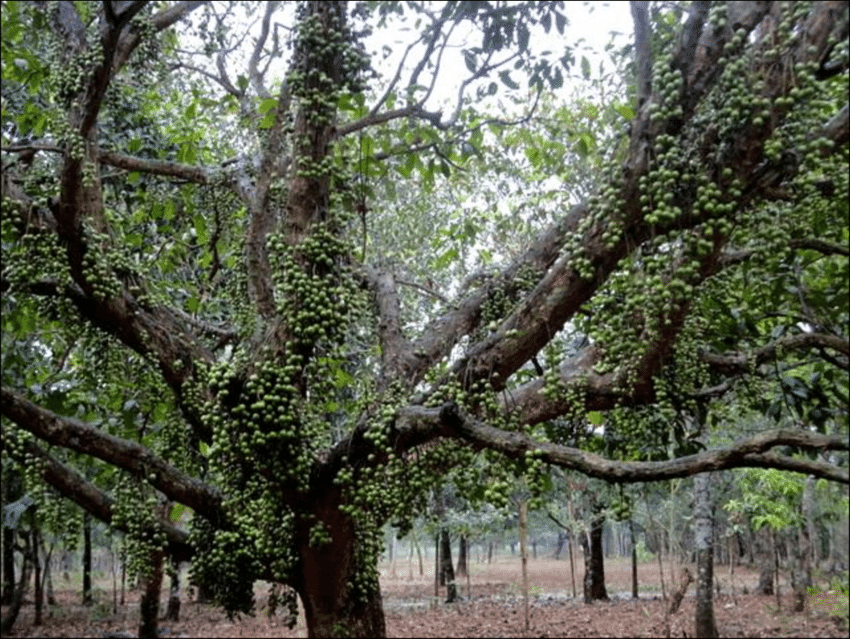
The Burmese grape tree (Baccaurea sapida) is a tropical fruit-bearing tree native to Southeast Asia that produces fruits rich in vitamin C, fiber, and antioxidants. A 100-gram serving provides 40% of daily vitamin C needs and 2g of fiber, supporting immune function, skin health, and digestive wellness through its flavonoids and polyphenols.
The Burmese grape tree, known scientifically as Baccaurea sapida, is a tropical fruit-bearing tree native to Southeast Asia, particularly in Myanmar (Burma), Thailand, and Malaysia.
This remarkable tree is not just a source of delicious fruit; it also holds significant ecological, nutritional, and cultural importance.
In this blog, we will explore the secrets of this sweet superfruit, including its nutritional benefits, historical context, environmental impact, and the efforts of organizations like Grow Billion Trees Partners in promoting sustainable practices in the region.
Nutritional Benefits of Burmese Grape
The Burmese grape is often celebrated for its unique flavor and impressive nutritional profile. Rich in vitamins, minerals, and antioxidants, this superfruit is a powerhouse of health benefits. A 100-gram serving of Burmese grapes contains:
- Calories: 70
- Carbohydrates: 18 g
- Protein: 1 g
- Fat: 0.5 g
- Fiber: 2 g
- Vitamin C: 40% of the Daily Value (DV)
- Calcium: 2% of the DV
- Iron: 4% of the DV
The high vitamin C content in Burmese grapes boosts the immune system, aids in collagen production, and promotes skin health. Additionally, the fruit is rich in dietary fiber, which supports digestive health and helps maintain a healthy weight.
The antioxidants present in the fruit, such as flavonoids and polyphenols, play a crucial role in combating oxidative stress and reducing inflammation in the body.
Fun Facts About Burmese Grapes
- The Burmese grape tree can grow up to 30 meters tall, making it one of the tallest fruit trees in Southeast Asia.
- The fruit is often referred to as "lethe" in Myanmar and is a popular snack among locals.
- Burmese grapes are typically harvested during the rainy season, from June to September, when they are at their sweetest.
- The tree is known for its unique growth habit, with fruits growing directly from the trunk and older branches, a phenomenon called cauliflory.
- In addition to its edible fruit, the Burmese grape tree is also valued for its timber, which is used in traditional construction and furniture making.
Historical Context
The Burmese grape tree has been an integral part of the culture and diet in Southeast Asia for centuries. Historically, indigenous communities have utilized the fruit not only for consumption but also for medicinal purposes.
Traditional medicine practices have employed the leaves, bark, and roots of the tree to treat various ailments, including digestive issues and skin diseases.
As globalization has increased, the popularity of Burmese grapes has spread beyond their native regions. They are now cultivated in various tropical and subtropical regions worldwide, including parts of India and Africa.
The fruit is often enjoyed fresh, but it can also be processed into jams, jellies, and beverages, further increasing its appeal.
Environmental Impact
The Burmese grape tree plays a vital role in its native ecosystem. Its dense foliage provides habitat and food for various wildlife species, including birds and insects. The tree's deep root system helps prevent soil erosion, contributing to the stability of the forest ecosystem.
Furthermore, the cultivation of Burmese grape trees can have positive environmental impacts when done sustainably.
Agroforestry practices that integrate these trees into farming systems can enhance biodiversity, improve soil health, and sequester carbon. By promoting sustainable cultivation methods, we can help mitigate the impacts of climate change while supporting local economies.
Grow Billion Trees Partners: A Catalyst for Change
Organizations like Grow Billion Trees Partners are actively working to promote sustainable practices and conservation efforts in regions where the Burmese grape tree thrives. Their mission is to plant and nurture a billion trees worldwide, focusing on biodiversity and ecological restoration.
Grow Billion Trees Partners executes its projects by collaborating with local communities, governments, and environmental organizations. Their approach includes:
- Community Engagement: Involving local communities in tree planting initiatives ensures that they have a stake in the project. This engagement fosters a sense of ownership and responsibility towards the environment.
- Education and Awareness: The organization conducts workshops and training sessions to educate communities about the benefits of sustainable forestry and the importance of preserving native species like the Burmese grape tree.
- Research and Development: By conducting scientific research on the ecological benefits of the Burmese grape tree and other native species, Grow Billion Trees Partners helps to create evidence-based strategies for conservation and sustainable land use.
- Monitoring and Evaluation: Continuous monitoring of tree growth and biodiversity is essential for assessing the success of planting initiatives. This data helps refine future projects and ensures long-term sustainability.
Conclusion
The Burmese grape tree is a remarkable superfruit that offers a wealth of nutritional benefits, ecological significance, and cultural heritage. As we unlock the secrets of this sweet fruit, it becomes evident that preserving and promoting its cultivation is essential for the environment and local communities.
Organizations like Grow Billion Trees Partners are at the forefront of this movement, executing sustainable projects that not only restore ecosystems but also empower communities. By supporting such initiatives, we can contribute to a greener future while enjoying the delicious taste of Burmese grapes.
In a world increasingly affected by climate change and environmental degradation, the Burmese grape tree stands as a symbol of hope and resilience. As we celebrate this incredible fruit, let us also commit to protecting the natural world and the diverse species that inhabit it.
So the next time you bite into a juicy Burmese grape, remember that you are not just enjoying a delightful treat; you are also supporting a movement towards sustainability and ecological harmony.
Further reading: Wampi Tree: Unlocking Nature's Superfruit for Health & Wellness · Hog Plum Tree: The Hidden Superfruit You Need to Know About for Health and Wellness
Frequently Asked Questions
What is the Burmese grape tree?
The Burmese grape tree, scientifically known as *Baccaurea sapida*, is a tropical superstar native to Southeast Asia. This fruit-bearing marvel isn't just about delicious grapes; it contributes to local ecosystems and cultures. Think of it as nature's multitasker, providing fruit, timber, and a habitat for wildlife all while being a snack sensation!
What are the nutritional benefits of Burmese grapes?
Packed with vitamins and antioxidants, Burmese grapes are a health enthusiast's dream! A 100-gram serving boasts 70 calories, 40% of your daily vitamin C, and enough fiber to keep your digestive system happy. Enjoy these sweet treats, and you’re not just snacking; you’re boosting your immune system and fighting inflammation like a pro!
How tall can the Burmese grape tree grow?
The Burmese grape tree can reach heights of up to 30 meters, making it one of the tallest fruit trees in Southeast Asia. Imagine a fruit tree that could give skyscrapers a run for their money! With its towering presence, it provides shade, habitat, and, of course, delicious fruit from its lofty branches.
When are Burmese grapes harvested?
Burmese grapes are harvested during the rainy season, from June to September, when they reach peak sweetness. It’s like nature’s own harvest party! Locals eagerly await the season, ready to indulge in these juicy delights. So, if you’re looking to taste the best Burmese grapes, mark your calendar for this fruity fiesta!
What does "cauliflory" mean in relation to Burmese grapes?
Cauliflory is the botanical term for when fruits grow directly from the trunk and older branches, and the Burmese grape tree is a prime example! It's like a fruit party on the tree's body, making it easy for animals to snack and spread seeds. Nature sure knows how to throw a bash!
How have Burmese grapes been used historically?
Historically, Burmese grapes have been a staple in the diet and culture of Southeast Asia for centuries. Indigenous communities have enjoyed them fresh and used them in traditional medicine. Talk about a fruit with a rich backstory! It’s not just a tasty treat; it’s been a vital part of local heritage and healing practices.
What is the ecological significance of the Burmese grape tree?
The Burmese grape tree is an ecological hero! Its dense foliage provides shelter and food for various wildlife, while its deep roots prevent soil erosion. By supporting biodiversity and stabilizing the forest ecosystem, this tree ensures that nature thrives, making it a true champion in the fight for a healthy environment.
What role does Grow Billion Trees Partners play?
Grow Billion Trees Partners is like a superhero for the environment, promoting sustainable practices and conservation efforts where Burmese grape trees thrive. Their mission? To plant and nurture a billion trees! By collaborating with local communities, they’re ensuring that these ecological wonders continue to flourish for generations to come.
How does community engagement benefit tree planting initiatives?
Community engagement is the secret sauce for successful tree planting initiatives! By involving locals, Grow Billion Trees Partners ensures that communities feel a sense of ownership and responsibility toward the environment. This grassroots approach fosters a shared commitment to sustainability, making tree planting a community celebration rather than just a project.
What educational efforts are made by Grow Billion Trees Partners?
Grow Billion Trees Partners conducts workshops and training sessions to educate communities about sustainable forestry practices. Think of it as an eco-school where locals learn the importance of preserving native species like the Burmese grape tree. Knowledge is power, and they’re empowering communities to be the environmental champions of tomorrow!
How do Burmese grapes contribute to climate change mitigation?
Burmese grapes are not just tasty; they also help combat climate change! Sustainable cultivation practices can enhance biodiversity and improve soil health, all while sequestering carbon. By promoting these practices, we’re not just enjoying delicious fruit; we’re actively participating in a greener future and helping Mother Earth breathe a little easier!
What is the overall importance of the Burmese grape tree?
The Burmese grape tree is a true gem, offering nutritional benefits, ecological significance, and cultural heritage. As we savor this sweet superfruit, we also recognize its role in supporting local economies and ecosystems. By promoting its cultivation, we’re not just enjoying a snack; we’re contributing to a sustainable future for our planet!
Keep reading
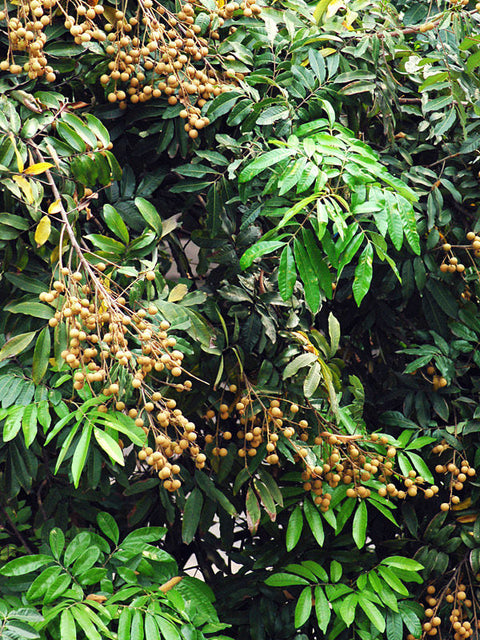 Wampi Tree: Unlocking Nature's Superfruit for Health & Wellness
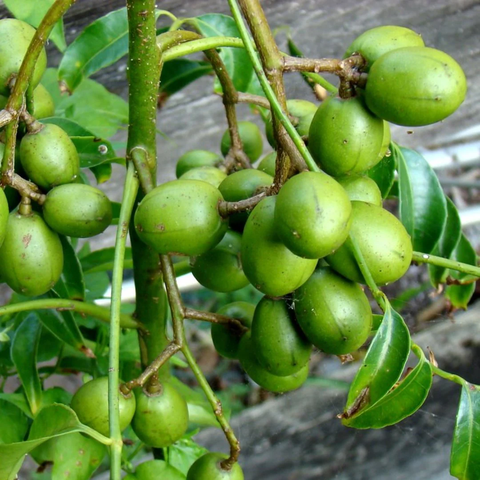 Hog Plum Tree: The Hidden Superfruit You Need to Know About for Health and Wellness
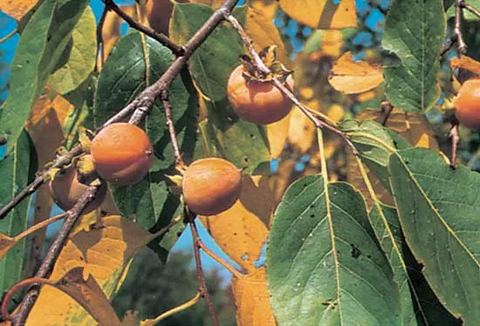 Indian Persimmon Tree: Unlocking the Secrets to Growing Nature's Sweetest Delight
 Noni Tree: Unlocking the Secrets of Nature's Superfruit for Ultimate Health Benefits
 Soursop Tree: Unlocking the Secrets of Nature's Superfruit and Its Incredible Health Benefits


Comments
Leave a comment