
Tea Tree: Unlocking the Secrets to Natural Skincare and Wellness
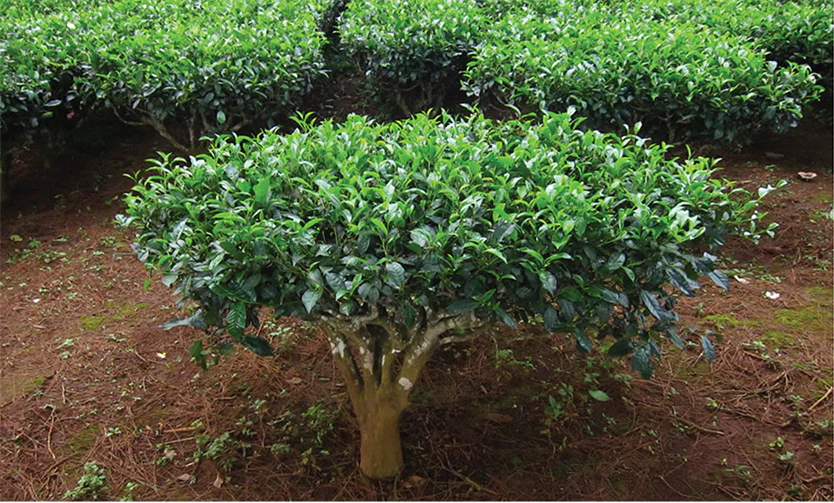
Tea tree oil, extracted from the Melaleuca alternifolia tree, is an essential oil with antimicrobial, anti-inflammatory, and antiseptic properties for skincare and wellness. Indigenous Australians have used it for thousands of years, and 1920s scientific research validated its antibacterial and antifungal properties, leading to its inclusion in modern natural health products.
Tea tree oil stands as nature's most powerful antiseptic, offering proven benefits for skincare and wellness that have been scientifically validated. Derived from the leaves of the Melaleuca alternifolia tree, this essential oil delivers antimicrobial, anti-inflammatory, and healing properties that make it an indispensable ingredient in natural health routines.
The Historical Significance of Tea Tree Oil
Tea tree oil has its roots in Australia, where the indigenous Bundjalung people have used it for thousands of years. They crushed the leaves to extract the oil and applied it to treat various ailments, including cuts, infections, and skin irritations. The name "tea tree" comes from the practice of early European settlers who brewed tea from the leaves, unaware of the oil's potent medicinal properties.
In the 1920s, Australian chemist Arthur Penfold conducted extensive research on tea tree oil, discovering its antibacterial and antifungal properties. His findings paved the way for the oil's rise in popularity as a natural remedy, leading to its inclusion in many skincare products today. Scientific studies have since validated its efficacy, with research published in journals like the Journal of Antimicrobial Chemotherapy highlighting its ability to combat various pathogens.
Scientific Data and Benefits of Tea Tree Oil
Tea tree oil is renowned for its antiseptic, anti-inflammatory, and antimicrobial properties. A study published in the Journal of Dermatology found that a 5% tea tree oil gel was effective in treating mild to moderate acne, reducing lesions and inflammation significantly compared to a placebo. Another study in the Australian Journal of Dermatology demonstrated that tea tree oil can effectively treat athlete's foot and other fungal infections.
One of the key components of tea tree oil is terpinen-4-ol, which is responsible for its antimicrobial activity. Research has shown that terpinen-4-ol can inhibit the growth of various bacteria, including Staphylococcus aureus, commonly known for causing skin infections. This makes tea tree oil an excellent natural alternative to conventional antibiotics, particularly in an era where antibiotic resistance is a growing concern.
In addition to its antimicrobial properties, tea tree oil is also a powerful anti-inflammatory agent. A study published in the Journal of Inflammation indicated that tea tree oil could reduce inflammation in skin cells, making it beneficial for conditions like psoriasis and eczema. Its soothing properties can help alleviate redness and irritation, promoting healthier skin.
✅ Proven Benefits for Natural Wellness
- Acne treatment: Reduces inflammation and prevents bacterial growth
- Fungal infection relief: Effective against athlete's foot and nail fungus
- Wound healing: Accelerates recovery from minor cuts and scrapes
- Dandruff control: Soothes scalp irritation and reduces flaking
- Natural deodorant: Combats odor-causing bacteria
Tea Tree Oil in Skincare Routines
Tea tree oil is a versatile ingredient in skincare, suitable for various skin types. It is particularly popular among those with oily and acne-prone skin due to its ability to balance oil production and combat breakouts. Here are some ways to incorporate tea tree oil into your skincare routine:
💡 Application Methods
- Acne Treatment: Apply diluted tea tree oil directly to blemishes using a cotton swab. Its antibacterial properties will help reduce inflammation and prevent future breakouts.
- Facial Cleanser: Add a few drops of tea tree oil to your regular cleanser to enhance its antimicrobial effects.
- Moisturizer: Mix tea tree oil with a carrier oil, such as jojoba or coconut oil, and apply it as a moisturizer to keep skin hydrated while controlling excess oil.
- Spot Treatment: Create a spot treatment by mixing tea tree oil with aloe vera gel to soothe irritated skin.
⚠️ Safety Guidelines for Tea Tree Use
Always dilute tea tree oil before applying to skin, as pure oil can cause irritation. Perform a patch test on a small area first. Avoid contact with eyes and never ingest tea tree oil. Pregnant women should consult healthcare providers before use.
Environmental Impact and Sustainable Cultivation
While tea tree oil boasts numerous benefits, it is essential to consider the environmental impact of its cultivation. Sustainable practices are crucial to ensure that the harvesting of tea tree leaves does not lead to deforestation or habitat destruction. According to the World Wildlife Fund's research on deforestation, responsible farming practices are essential for preserving biodiversity.
Organizations like Grow Billion Trees are at the forefront of promoting sustainable tea tree farming. Our mission to Plant a tree in your Name extends beyond traditional reforestation to include sustainable cultivation of beneficial plants like tea trees. Through our comprehensive 2-3ft Tree Planting + 3 Years Care + GeoTag program, we ensure that every planted tree contributes to long-term environmental health.
The United Nations Sustainable Development Goals emphasize the importance of responsible consumption and production patterns. By supporting sustainable tea tree cultivation, we contribute to these global objectives while providing communities with valuable natural resources.
⭐ Amazing Tea Tree Facts
- Tea tree oil is often referred to as "nature's antiseptic" due to its powerful healing properties
- It takes approximately 100 kg of tea tree leaves to produce just 1 kg of essential oil, highlighting the oil's concentrated nature
- In addition to skincare, tea tree oil is also used in household cleaning products due to its antibacterial properties
- Australia is the only country where the Melaleuca alternifolia tree grows naturally, making it a unique and valuable resource
- Tea tree oil can remain effective for up to 2 years when stored properly in dark, cool conditions
Corporate Wellness and Net Zero Targets
Many companies are incorporating tea tree-based products into their corporate wellness programs while pursuing Net Zero Targets. The cultivation of tea trees through sustainable agroforestry practices supports both employee health initiatives and environmental goals. UNEP's forest conservation initiatives highlight how sustainable cultivation practices can contribute to global climate action.
Grow Billion Trees partners with corporations to integrate tea tree cultivation into their sustainability strategies. Our goal of planting 100 crore trees includes beneficial species like tea trees that provide both environmental and wellness benefits. This approach supports Combating Climate Change Through Collective Action while promoting natural health solutions.
Quality and Purity Standards
When selecting tea tree oil products, quality matters significantly. Look for oils that are 100% pure, steam-distilled, and sourced from Melaleuca alternifolia trees. Third-party testing ensures the oil contains the optimal levels of terpinen-4-ol (30-40%) and minimal cineole content (less than 15%).
Certified organic tea tree oil guarantees that no synthetic pesticides or fertilizers were used during cultivation. This not only ensures product purity but also supports sustainable farming practices that protect soil health and biodiversity.
Integration with Modern Skincare Science
Contemporary skincare research continues to validate tea tree oil's effectiveness when combined with modern formulation techniques. Studies show that encapsulated tea tree oil provides sustained release, reducing irritation while maintaining antimicrobial efficacy. This innovation makes tea tree suitable for sensitive skin types previously unable to tolerate the oil.
Dermatologists increasingly recommend tea tree oil as part of comprehensive acne treatment protocols. When combined with salicylic acid or niacinamide, tea tree oil enhances overall treatment effectiveness while providing natural antimicrobial protection.
Further reading: Paperbark Tea Tree: Nature's Healing Wonder for Health & Wellness · Neem Tree: Unveiling the Secrets of Nature's Pharmacy
Frequently Asked Questions
Can tea tree oil be used daily on the face?
Yes, when properly diluted (5-10% concentration), tea tree oil can be used daily. Start with every other day to assess skin tolerance, then gradually increase frequency as your skin adapts.
Is tea tree oil safe for all skin types?
Tea tree oil works well for oily and combination skin but should be used cautiously on sensitive or dry skin. Always perform a patch test and use appropriate dilution ratios for your skin type.
How long does it take to see results from tea tree oil?
Most people notice improvements in acne and skin clarity within 2-4 weeks of consistent use. For fungal infections, results typically appear within 1-2 weeks of regular application.
Can tea tree oil replace conventional acne medications?
While effective for mild to moderate acne, severe cases may require prescription treatments. Tea tree oil works excellently as a complementary treatment or maintenance therapy.
What's the best way to store tea tree oil?
Store tea tree oil in a dark, cool place away from direct sunlight. Properly stored oil maintains potency for up to 2 years. Refrigeration can extend shelf life further.
Are there any drug interactions with tea tree oil?
Topical tea tree oil has minimal drug interactions, but avoid combining with other strong topical treatments without consulting a dermatologist. Never ingest tea tree oil.
Can pregnant women use tea tree oil?
Topical use of properly diluted tea tree oil is generally considered safe during pregnancy, but consult your healthcare provider before use, especially during the first trimester.
How does tea tree oil compare to other natural acne treatments?
Tea tree oil shows comparable effectiveness to benzoyl peroxide for mild acne but with fewer side effects. It's gentler than salicylic acid while providing additional antimicrobial benefits.Tea tree oil represents one of nature's most versatile and scientifically validated wellness solutions. From ancient Aboriginal wisdom to modern skincare science, this remarkable oil continues to prove its worth in promoting healthy, radiant skin. By choosing sustainably sourced tea tree products and supporting organizations committed to environmental stewardship, you contribute to both personal wellness and planetary health.Ready to experience the transformative power of natural skincare? Explore our sustainable wellness initiatives and discover how you can support both your skin health and environmental conservation through conscious choices. Together, we can nurture healthier skin while protecting the precious ecosystems that provide these natural treasures.
Keep reading
 Paperbark Tea Tree: Nature's Healing Wonder for Health & Wellness
 Neem Tree: Unveiling the Secrets of Nature's Pharmacy
 Butter Tree: Unlocking the Secrets of Nature’s Creamy Wonder for Health and Wellness
 Myrtle Tree: The Timeless Symbol of Love, Healing, and Eco-Friendly Elegance
 Palo Santo Tree: Sacred Wood for Healing, Spirituality & Aromatherapy
 Soapberries Trees Tree: Unlocking Nature’s Eco-Friendly Cleanser and Sustainable Wonder


Comments
Leave a comment