
Butter Tree: Unlocking the Secrets of Nature’s Creamy Wonder for Health and Wellness
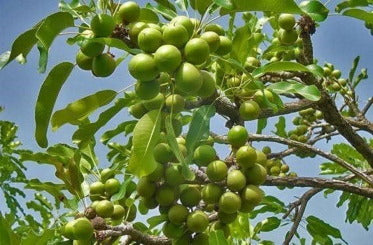
The Butter Tree—scientifically Vitellaria paradoxa, commonly known as the Shea tree—is a West African tree whose nutrient-rich nuts produce shea butter, a creamy substance used in culinary, cosmetic, and medicinal applications with documented indigenous use spanning over 3,000 years.
Nature has an incredible way of providing us with resources that not only nourish our bodies but also promote overall health and wellness.
One such remarkable gift is the Butter Tree, scientifically known as Vitellaria paradoxa, commonly referred to as the Shea tree. This tree is native to West Africa and is celebrated for its nutrient-rich nuts, which are transformed into shea butter—a creamy substance that has been used for centuries for its culinary, cosmetic, and medicinal properties.
In this blog, we will explore the secrets of the Butter Tree, its historical significance, health benefits, environmental impact, and how organizations like Grow Billion Trees are promoting sustainable practices in this region.
The History of the Butter Tree
The Shea tree has a long-standing history, particularly in African cultures, where it has been revered for its multifaceted uses. Indigenous tribes have utilized shea butter for over 3,000 years, not only as a food source but also as a moisturizer and healing agent.
The traditional method of extracting shea butter involves harvesting the nuts, drying them, and then grinding them into a paste before boiling to separate the oil. This age-old process is still practiced today, ensuring that the cultural heritage surrounding the Butter Tree continues to thrive.
Historically, shea butter was considered a luxury item, often used by royalty and affluent families. It played a significant role in African trade routes, and its value extended beyond borders.
It was even mentioned in ancient texts, including the writings of Cleopatra, who reportedly used it in her beauty regimen. Today, shea butter has gained international recognition, finding its way into cosmetics, skincare products, and even culinary dishes.
Health Benefits of Shea Butter
Shea butter is a powerhouse of nutrients, rich in vitamins A, E, and F, which are essential for maintaining healthy skin and hair. Its high fatty acid content, including oleic, stearic, and linoleic acids, makes it an excellent emollient, providing deep hydration and nourishment. Here are some of the key health benefits of shea butter:
- Moisturizing Properties: Shea butter is known for its ability to hydrate and soften the skin. It forms a protective barrier that locks in moisture, making it ideal for dry or sensitive skin.
- Anti-Inflammatory Effects: The presence of cinnamic acid in shea butter provides anti-inflammatory benefits, making it effective in soothing irritated skin and reducing the appearance of redness.
- Anti-Aging Benefits: Rich in antioxidants, shea butter helps combat free radicals, which contribute to premature aging. Regular use can improve skin elasticity and reduce the appearance of fine lines and wrinkles.
- Healing Properties: Shea butter has been traditionally used to treat minor cuts, burns, and skin conditions like eczema and psoriasis due to its natural healing properties.
- Hair Care: The moisturizing properties of shea butter extend to hair care, where it can help reduce frizz, add shine, and promote healthy hair growth.
Scientific Data Supporting Shea Butter Benefits
Numerous scientific studies have explored the benefits of shea butter. Research published in the Journal of Ethnopharmacology highlights the anti-inflammatory and antioxidant properties of shea butter, supporting its traditional use in treating skin ailments.
Another study in the International Journal of Cosmetic Science found that shea butter significantly improved skin hydration and elasticity in participants, confirming its effectiveness as a moisturizer.
Fun Facts about the Butter Tree
- The Shea tree can live for up to 200 years, and it takes about 15 years before it starts producing fruit.
- Each tree can produce up to 20 nuts annually, and the nuts are harvested during the rainy season when they fall to the ground.
- The process of extracting shea butter is labor-intensive and traditionally involves the collective efforts of women in local communities, providing them with a source of income.
- Shea butter is not just limited to cosmetic use; it is also used in cooking, particularly in West African cuisine, where it adds flavor and nutrition to dishes.
Environmental Impact of Shea Butter Production
The cultivation and harvesting of shea nuts have a significant impact on the environment. Shea trees are often grown in agroforestry systems, which promote biodiversity and soil health. They provide shade and improve soil fertility, making them an essential component of sustainable farming practices.
However, the increasing demand for shea butter has led to concerns about overharvesting and deforestation in some regions.
To combat these challenges, sustainable practices are crucial. Organizations like Grow Billion Trees are actively involved in promoting the sustainable growth of shea trees.
Their initiatives focus on reforestation, educating local communities about sustainable harvesting techniques, and ensuring that the benefits of shea butter production are equitably shared among those who contribute to it.
Grow Billion Trees: Promoting Sustainable Practices
Grow Billion Trees is an organization dedicated to reforestation and the promotion of sustainable practices in tree cultivation. Their mission is to plant one billion trees worldwide, and they recognize the importance of the Butter Tree in this initiative.
By partnering with local communities in West Africa, Grow Billion Trees executes projects that focus on the sustainable cultivation of shea trees, ensuring that the environment is preserved while providing economic opportunities for local populations.
Through their partnerships, Grow Billion Trees provides training on sustainable harvesting methods, helping communities understand the importance of maintaining healthy ecosystems. They also promote agroforestry practices that integrate shea trees with other crops, maximizing land use while preserving biodiversity.
This holistic approach not only benefits the environment but also enhances food security and provides a sustainable income for families.
Additionally, Grow Billion Trees actively engages in awareness campaigns to educate consumers about the importance of choosing sustainably sourced shea butter products. By promoting brands that prioritize ethical sourcing, they encourage a market shift towards environmentally friendly practices, benefiting both the planet and local communities.
The Future of Shea Butter and Environmental Sustainability
The future of shea butter production lies in sustainable practices that prioritize environmental health and community well-being. As consumers become more conscious of the products they use, there is a growing demand for ethically sourced ingredients. This shift presents an opportunity for local farmers and producers to benefit from fair trade practices while preserving the rich cultural heritage associated with the Butter Tree.
Investing in sustainable shea butter production can lead to improved livelihoods for local communities. By ensuring that women, who play a vital role in the shea butter supply chain, receive fair compensation for their labor, we can empower them economically and socially. This empowerment contributes to gender equality and strengthens community resilience.
Moreover, the cultivation of shea trees can play a significant role in combating climate change. Trees absorb carbon dioxide, and by increasing the number of shea trees planted, we can enhance carbon sequestration efforts. This not only helps mitigate the impacts of climate change but also contributes to soil conservation and biodiversity preservation.
Conclusion
The Butter Tree, with its rich history and numerous health benefits, is a true treasure of nature. From its traditional uses in African cultures to its modern applications in skincare and cooking, shea butter continues to captivate people around the world. However, as we embrace the benefits of this creamy wonder, it is essential to prioritize sustainable practices that protect the environment and support local communities.
Organizations like Grow Billion Trees are leading the charge in promoting sustainable shea butter production, ensuring that the secrets of the Butter Tree are unlocked responsibly and ethically. By choosing sustainably sourced shea butter products, consumers can play a vital role in supporting these initiatives and contributing to a healthier planet.
As we continue to explore the wonders of nature, let us remember the importance of preserving our resources for future generations. The Butter Tree is not just a source of nourishment; it is a symbol of resilience, sustainability, and the interconnectedness of all living things.
Further reading: Avocado Tree: Nutritional Goldmine, Superfood Symbol, and Green Treasure · Chironji Tree: A Nutty Chronicle of Culinary Delight and Traditional Splendor
Frequently Asked Questions
What is the Butter Tree?
The Butter Tree, or Vitellaria paradoxa, is a remarkable tree native to West Africa, celebrated for its nutrient-rich nuts that are transformed into shea butter. This creamy treasure has been cherished for centuries for its culinary, cosmetic, and medicinal properties. It’s nature’s gift that keeps on giving!
Why is shea butter so popular?
Shea butter is like the Swiss Army knife of skincare! Packed with vitamins A, E, and F, it hydrates, nourishes, and protects your skin. Its anti-inflammatory and anti-aging properties make it a favorite in cosmetics. Plus, it has culinary uses, making it a versatile superstar in both beauty and cooking!
How is shea butter extracted?
The traditional extraction of shea butter is a labor of love! It involves harvesting the nuts, drying them, grinding them into a paste, and boiling to separate the oil. This time-honored method not only preserves cultural heritage but also ensures high-quality shea butter that embodies the essence of the Butter Tree.
What are the health benefits of shea butter?
Shea butter is a skin savior! It moisturizes, soothes inflammation, fights aging, and heals minor skin issues. Rich in fatty acids, it locks in moisture and enhances elasticity. Whether you’re battling dryness or looking for a natural remedy, shea butter is your go-to for healthy, radiant skin!
How does shea butter benefit hair care?
Shea butter isn’t just for your skin; it’s a hair hero too! Its moisturizing properties help reduce frizz, add shine, and promote healthy hair growth. Whether you’re taming wild locks or nourishing your scalp, shea butter is the secret ingredient for luscious, manageable hair.
Is shea butter good for all skin types?
Absolutely! Shea butter is a chameleon for skin types. Its rich moisturizing properties make it ideal for dry and sensitive skin, while its anti-inflammatory effects soothe irritation. Whether you have oily, dry, or combination skin, shea butter adapts to your needs for a healthy glow.
What impact does shea butter production have on the environment?
Shea butter production can be a double-edged sword. While it supports biodiversity and soil health through agroforestry, overharvesting poses risks. Sustainable practices are crucial to protect the environment, and organizations like Grow Billion Trees are leading the charge to ensure a greener future for the Butter Tree.
How does Grow Billion Trees support sustainable shea butter production?
Grow Billion Trees is on a mission to plant one billion trees, including the Butter Tree! By partnering with local communities, they promote sustainable harvesting and reforestation. Their initiatives empower locals economically while preserving the environment, proving that caring for nature can also be profitable!
What role does shea butter play in African culture?
Shea butter has deep roots in African culture, where it has been cherished for over 3,000 years. Used by royalty and in trade, it symbolizes wealth and beauty. Today, it continues to be a staple in traditional practices, connecting generations and showcasing the rich heritage of the Butter Tree.
How can consumers choose sustainably sourced shea butter?
Choosing sustainably sourced shea butter is as easy as reading labels! Look for certifications that indicate ethical sourcing and fair trade practices. By supporting brands that prioritize sustainability, you’re not just pampering yourself; you’re also contributing to a healthier planet and empowering local communities.
What is the future of shea butter in sustainability?
The future of shea butter lies in sustainable practices that benefit both people and the planet. As demand for ethically sourced ingredients rises, local farmers can thrive through fair trade. Investing in sustainable production not only preserves the Butter Tree but also helps combat climate change. It’s a win-win for everyone!
Keep reading
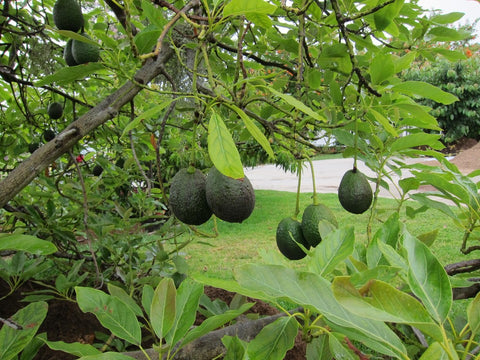 Avocado Tree: Nutritional Goldmine, Superfood Symbol, and Green Treasure
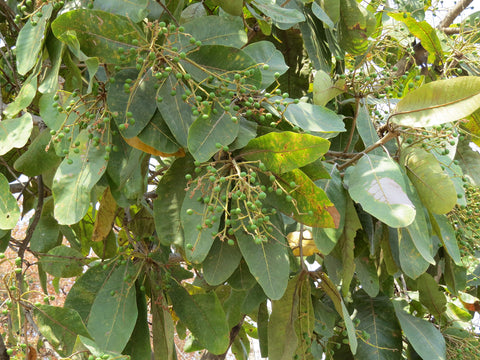 Chironji Tree: A Nutty Chronicle of Culinary Delight and Traditional Splendor
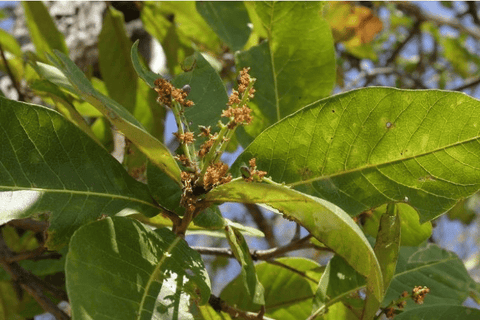 Charoli Tree: Unearthing the Nutty Treasures and Hidden Wonders of Nature’s Culinary and Medicinal Gem
 Tea Tree: Unlocking the Secrets to Natural Skincare and Wellness
 Gudhal Plant: Hair Care Hero, Medicinal Uses, and Garden Charm


Comments
Leave a comment