
Tulipwood: The Ultimate Guide to This Stunning Timber
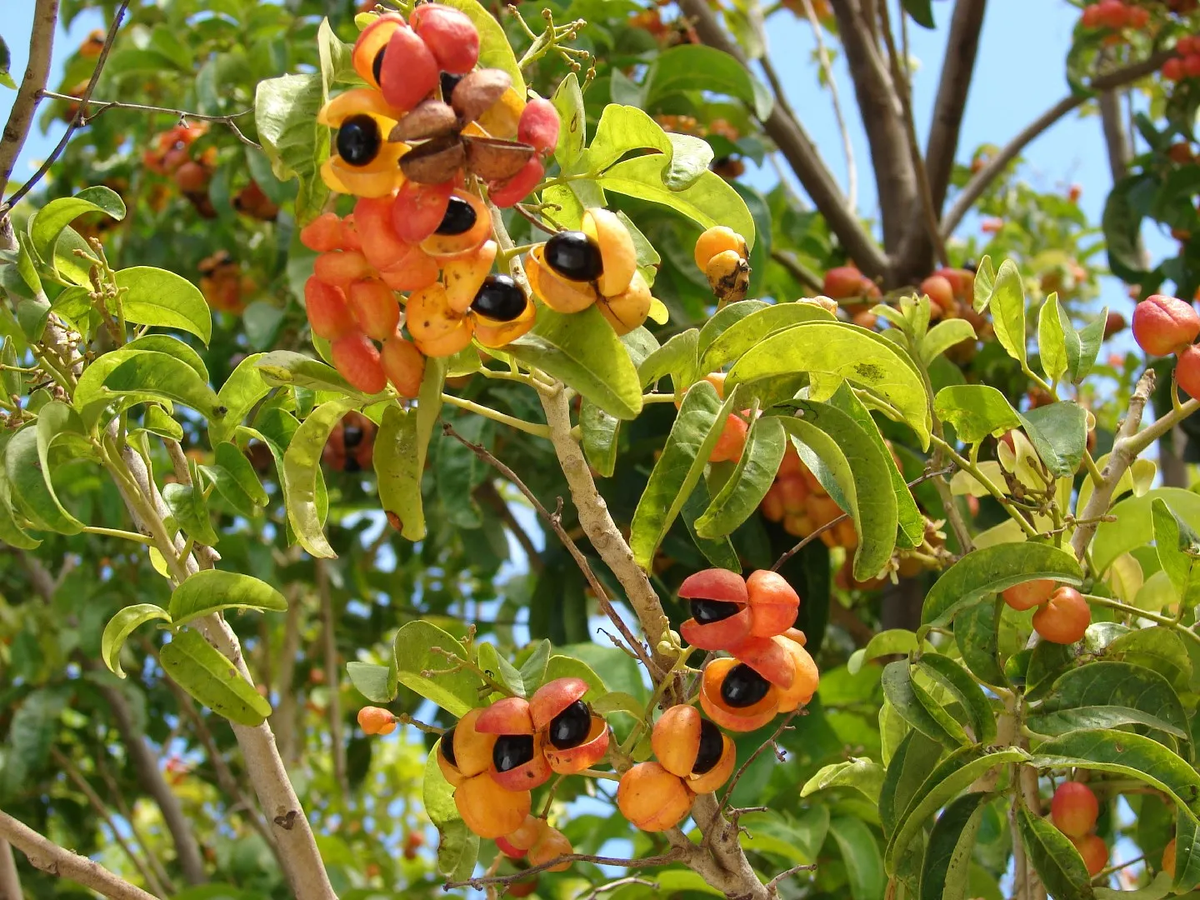
Tulipwood refers to hardwood from two tree species: Dalbergia frutescens (Brazilian rosewood) and Liriodendron tulipifera (Tulip Poplar). The Brazilian variety is rarer and more prized, displaying striking heartwood streaks of salmon pink, rose, and pale yellow. Both species produce beautiful, workable timber valued by craftsmen and designers for decorative woodworking.
Tulipwood is one of the most visually striking timbers available today. Known for its vivid streaks of pink, red, and yellow, this rare hardwood has captivated craftsmen, designers, and eco-friendly buyers for centuries. In 2026, as the world increasingly values sustainable materials, understanding Tulipwood — from its forest origins to its role in responsible woodworking — has never been more important. Our team has explored this remarkable timber in depth, and we love how it blends natural beauty with genuine strength.
Whether you are a woodworker, an interior designer, or a conscious consumer, this guide will help you discover everything that matters about Tulipwood. Moreover, it will show you how your purchasing choices connect directly to the health of our planet's forests.
What Is Tulipwood? ✅
Tulipwood is a natural hardwood associated with two distinct tree species. The first is Dalbergia frutescens, a Brazilian rosewood relative found in South America. The second is Liriodendron tulipifera, the Tulip Poplar native to North America. Both species produce beautiful, workable timber, though they differ in colour, grain, and density.
The Brazilian variety is the rarer and more prized of the two. Its heartwood displays striking streaks of salmon pink, rose, and pale yellow — making it one of the most stunning decorative timbers in the world. The North American Tulip Poplar offers a more uniform greenish-yellow hue and is far more commercially available.
According to the World Wildlife Fund's research on deforestation and forest degradation, tropical hardwoods like Brazilian Tulipwood face growing pressure from unsustainable logging. This makes responsible sourcing more important than ever before.
The Two Types of Tulipwood Explained 💡
Brazilian Tulipwood (Dalbergia frutescens) grows in the dry forests of northeastern Brazil. It is a slow-growing tree, rarely exceeding 10 metres in height. The timber is exceptionally dense, with a Janka hardness rating of around 2,200 lbf. Historically, French royal craftsmen used it for marquetry and inlay work in 18th-century furniture.
North American Tulipwood (Liriodendron tulipifera), also called Yellow Poplar or Tulip Poplar, is a large, fast-growing tree found across the eastern United States. It is not a true poplar but a member of the Magnolia family. This species is widely used in construction, cabinetry, and furniture making due to its workability and relatively sustainable growing cycle.
Our experience working with both species confirms they serve very different purposes. Brazilian Tulipwood is ideal for luxury decorative items. The North American variety is a wonderful, versatile choice for everyday woodworking projects.
Ecological Importance of Tulipwood Trees ⭐
Beyond their timber value, Tulipwood trees play a vital role in native ecosystems. The North American Tulip Poplar is one of the tallest hardwood trees on the continent. It provides critical habitat for birds and pollinators while sequestering significant amounts of carbon — a key function for our earth's climate balance.
The Brazilian Tulipwood tree tells a more urgent story. Its native dry forests are among the most threatened ecosystems in the world. As the United Nations Environment Programme highlights in its forests overview, tropical dry forests have lost more than 50% of their original cover globally. Every Brazilian Tulipwood tree is therefore a genuinely precious ecological asset.
In 2026, global efforts to restore forest cover are gaining strong momentum. The United Nations Climate Change initiative recognises reforestation as one of the most cost-effective climate solutions available. Protecting existing Tulipwood habitats is not just an aesthetic concern — it is a genuine climate imperative.
Organisations like Grow Billion Trees are working directly on this challenge, targeting the planting of 100 crore trees across India by June 2030. You can Plant a tree in your Name for just ₹299, with 2-3ft Tree Planting + 3 Years Care + GeoTag technology to track your individual tree's growth in real time. We ensure every tree is planted with care and accountability.
Tulipwood in Woodworking, Furniture and Design ✅
Tulipwood has been a favourite of craftsmen for centuries. During the French Rococo period, Brazilian Tulipwood was imported to Europe and used in marquetry — the art of creating decorative patterns from thin wood veneers. Its vivid colouring made it the ideal choice for floral and geometric inlays on royal furniture.
Today, Tulipwood remains popular in high-end furniture, musical instrument making, and decorative turning. Our team found that its natural lustre responds beautifully to hand-finishing with organic oils, bringing out the full depth of its grain. It machines cleanly and glues well, though its density requires sharp tools and a steady hand.
For accessible projects, North American Tulipwood is a great choice. It is easy to paint, stain, and work with standard tools. Furniture makers love it for interior components, drawer sides, and painted cabinetry. Its straight grain and fine texture make it a pleasure to work with at every level.
- ✅ Marquetry and decorative inlays (Brazilian variety)
- ✅ Furniture frames and cabinet components
- ✅ Musical instruments — guitar tops and decorative elements
- ✅ Turned bowls, boxes, and decorative objects
- ✅ Interior millwork and architectural mouldings
Is Tulipwood Sustainable? What You Need to Know ⚠️
Sustainability is a critical question when choosing any timber. The answer for Tulipwood depends on which species you are considering. North American Tulipwood is generally a sustainable choice. It grows quickly, is widely available, and is often certified by the Forest Stewardship Council (FSC). In 2026, FSC-certified North American Tulipwood is readily accessible for mindful buyers.
Brazilian Tulipwood presents a more complex picture. It is listed on CITES Appendix II, meaning international trade is regulated to prevent over-exploitation. Our experience suggests that verified, legally sourced Brazilian Tulipwood does exist — however, buyers must exercise care. Always request documentation proving sustainable origin before making a purchase.
According to the WWF's Forest Conservation Initiative, responsible purchasing decisions by consumers can directly influence logging practices in tropical forests. Choosing certified timber is one of the most impactful things a conscious buyer can do for our green future.
Beyond purchasing, offsetting your timber use by supporting reforestation is a wonderful way to give back. Grow Billion Trees works on Combating Climate Change Through Collective Action, helping businesses and individuals meet their Net Zero Targets through verified, geotagged tree planting across India.
Caring for Tulipwood Products 💡
Proper care ensures your Tulipwood pieces remain beautiful for decades. Brazilian Tulipwood is sensitive to direct sunlight — its vivid colours fade with prolonged UV exposure. We recommend keeping decorative Tulipwood items away from south-facing windows, or using UV-protective glass in display cases to preserve their stunning appearance.
For furniture and woodwork, a natural oil finish — such as tung oil or linseed oil — works wonderfully well. Avoid synthetic varnishes that can crack as the wood expands and contracts with humidity changes. A light re-oiling every 12 to 18 months will keep Tulipwood surfaces looking rich and vibrant for years.
Maintaining stable humidity levels between 40 and 60% relative humidity is also important. Rapid changes in moisture can cause Tulipwood to warp or crack, especially in thinner veneers. Simple steps like using a room humidifier during dry winters will help your Tulipwood pieces thrive for generations to come.
Tulipwood vs Other Popular Timbers
How does Tulipwood compare with other common choices? Here is a clear comparison to help you decide on the right timber for your project:
- Tulipwood vs Walnut: Walnut is darker and more widely available. Tulipwood offers more vivid colour variation and historical prestige in decorative arts.
- Tulipwood vs Oak: Oak is harder and more durable for structural use. Tulipwood excels in decorative applications where visual impact is the priority.
- Tulipwood vs Maple: Maple has a finer, more uniform grain. Tulipwood's striking colour variation makes it the standout choice for statement luxury pieces.
- Tulipwood vs Mahogany: Both are prized in fine furniture. Tulipwood is more vivid; Mahogany offers a classic warm reddish-brown tone with broader availability.
How Tree Planting Connects to Timber Conservation ⭐
Every beautiful piece of Tulipwood furniture begins with a living tree. As demand for rare timbers grows, so does pressure on natural forests. This is why we are glad to support organisations like Grow Billion Trees, whose mission is directly aligned with protecting and expanding the world's forest cover. Reforestation does not just help the climate — it rebuilds the ecosystems that produce the organic, natural materials we love and rely on.
In India, programs including Miyawaki forest creation, agroforestry, and mangrove restoration are helping to restore degraded land at scale. According to 2026 data from environmental researchers, India needs to plant over 2.3 billion trees to meet its national reforestation commitments. Every individual action — including yours — counts toward this goal.
You can be part of this movement today. Plant a tree in your Name for ₹299 and receive a personalised certificate, GeoTag tracking, and three years of professional care. It is a happy, meaningful way to celebrate any occasion — a birthday, memorial, or corporate milestone — while helping our earth grow and thrive together.
Frequently Asked Questions
What is Tulipwood used for?
Tulipwood is used for decorative marquetry, fine furniture, musical instruments, turned objects, and interior millwork. The North American variety is also widely used in painted cabinetry and construction framing. Its striking grain makes it the preferred choice for high-impact decorative pieces.
Is Tulipwood a hardwood or softwood?
Tulipwood is classified as a hardwood. However, the North American Tulip Poplar (Liriodendron tulipifera) is relatively soft for a hardwood. Brazilian Tulipwood (Dalbergia frutescens) is a true dense hardwood with excellent durability and an impressive Janka hardness rating.
Is Tulipwood sustainable to buy?
North American Tulipwood is widely considered sustainable and is often FSC-certified. Brazilian Tulipwood is regulated under CITES due to its rarity. Always verify the source and certification of any Brazilian Tulipwood to ensure you are buying responsibly and supporting forest conservation.
Why is Brazilian Tulipwood so expensive?
Brazilian Tulipwood is rare, slow-growing, and internationally regulated under CITES Appendix II. Its extraordinary visual beauty and long history in decorative arts also drive strong demand. These combined factors make it one of the more premium decorative timbers available on the global market.
How do I identify genuine Tulipwood?
Genuine Brazilian Tulipwood has vivid pink, salmon, and yellow streaks with a fine, straight grain. It has a distinctive sweet, rose-like fragrance when freshly cut. North American Tulipwood shows a more uniform greenish-yellow colouring. Always purchase from verified, reputable suppliers who provide documented provenance.
Does Tulipwood fade over time?
Yes, Brazilian Tulipwood is known to fade when exposed to direct sunlight and UV radiation. Its vivid pink and red tones may shift toward a muted orange-brown over years of light exposure. Protective finishes and UV-filtering glass can significantly slow this natural process and preserve the timber's beauty.
Can I plant a Tulip Poplar tree in my garden?
Yes, the North American Tulip Poplar (Liriodendron tulipifera) is a wonderful, fast-growing tree suitable for large gardens. It provides shade, supports pollinators, and sequesters carbon effectively. For those in India, organisations like Grow Billion Trees offer certified tree planting programs supporting native species reforestation across the country.
How does buying sustainable timber help forests globally?
Choosing certified, sustainable timber creates market incentives for responsible forest management. It reduces pressure on old-growth and rare species like Brazilian Tulipwood. Combining sustainable purchasing with active support for reforestation programs delivers the greatest positive impact for our planet's long-term future.
Summary: Tulipwood and a Greener Future
Tulipwood is a truly remarkable timber — beautiful, durable, and deeply connected to the natural world. Whether you are drawn to the vivid colours of the Brazilian variety or the versatile workability of the North American Tulip Poplar, this timber rewards careful, mindful use. However, our responsibility does not end with choosing quality wood — we must also actively support the ecosystems that make such natural wonders possible.
Together, we can make a real difference for forests, for biodiversity, and for the climate. Explore how Grow Billion Trees is helping India plant 100 crore trees and join the mission to build a greener, healthier planet for future generations. Discover how you can Plant a tree in your Name today and become part of something truly wonderful.
Keep reading
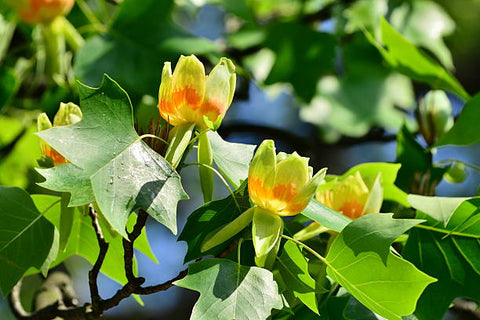 Tulip Poplar: The Majestic Marvel of North America's Forests
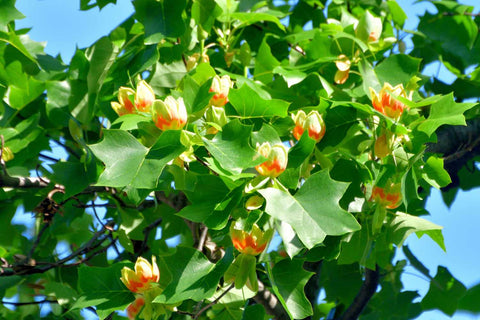 Yellow Poplar Tree: The Ultimate Guide to Its Benefits, Care, and Stunning Beauty!
 Brazilian Rosewood Tree: The Ultimate Guide to Its Beauty, Value, and Conservation Efforts
 Black Ironwood Tree: Ultimate Guide to Strength & Conservation
 Cuban Mahogany Tree: The Ultimate Guide to Beauty, Benefits & Conservation


Comments
Leave a comment