
Yellow Box Tree: Hardy Australian Native for Your Garden Success
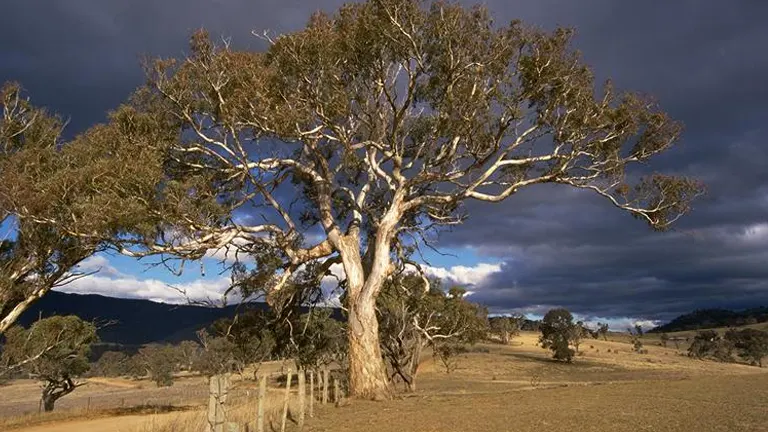
The Yellow Box Tree (Eucalyptus melliodora) is an Australian native eucalyptus that reaches up to 30 metres tall, with distinctive pale yellow bark and creamy white flowers. It adapts well to challenging conditions and requires minimal maintenance, while providing nectar for pollinators and supporting carbon sequestration in garden settings.
The Yellow Box Tree (Eucalyptus melliodora) stands as one of Australia's most resilient and versatile native species, offering gardeners an exceptional combination of beauty, hardiness, and ecological value. This remarkable tree has adapted to thrive in challenging conditions while providing essential habitat for wildlife and contributing significantly to carbon sequestration efforts.
With its distinctive pale yellow bark and clusters of creamy white flowers, this Tree transforms any landscape into a thriving ecosystem. Whether you're planning a sustainable garden or supporting reforestation initiatives, this hardy native delivers outstanding results with minimal maintenance requirements.
✅ Key Characteristics of the Yellow Box Tree
We found that this Tree is a medium to large-sized eucalyptus that can reach impressive heights of up to 30 meters, with trunk diameters extending to 1 meter. Its most distinctive feature is the smooth, pale yellow to grey bark that sheds in long strips, revealing the tree's namesake coloration underneath.
The lance-shaped leaves display a glossy green appearance, creating an attractive backdrop for the tree's spectacular flowering display. During late spring to early summer, clusters of creamy white to pale yellow flowers emerge, serving as vital nectar sources for native bees and other pollinators essential to ecosystem health.
The woody capsules that follow contain seeds capable of remaining viable in soil for several years, ensuring the species' natural regeneration and resilience across various environmental conditions.
⭐ Historical Significance and Cultural Heritage
For thousands of years, Indigenous Australian communities have recognized it's exceptional value. Traditional uses included harvesting the edible nectar from flowers, while the durable wood provided materials for crafting tools and constructing shelters.
During Australia's colonial period, this Tree gained recognition for its superior timber qualities. The hardwood became highly prized for flooring, furniture, and construction applications, establishing it as a cornerstone of the Australian timber industry.
However, historical overharvesting raised sustainability concerns, highlighting the importance of responsible management practices and conservation efforts to protect this valuable species for future generations.
🌍 Ecological Benefits and Environmental Impact
The Yellow Box Tree plays a crucial role in supporting biodiversity and ecosystem health. According to the United Nations Sustainable Development Goals, native tree species like the Yellow Box are essential for maintaining ecological balance and supporting wildlife populations.
This remarkable tree provides habitat for numerous species, including birds, insects, and small mammals. Its flowers attract diverse pollinators while the foliage serves as a food source for herbivores, creating a complex web of ecological relationships.
The Yellow Box Tree contributes significantly to soil health by improving nutrient cycling and preventing erosion. Additionally, its impressive carbon sequestration capabilities make it invaluable for climate change mitigation efforts, with mature trees absorbing substantial amounts of carbon dioxide from the atmosphere.
Research supported by the United Nations Environment Programme on forests emphasizes the critical role of native tree species in maintaining ecosystem stability and supporting global environmental goals.
💡 Growing Yellow Box Trees in Your Garden
Successfully cultivating Yellow Box Trees requires understanding their specific growing requirements and preferences. These hardy natives reward proper care with decades of beauty and environmental benefits.
Climate and Soil Requirements
Yellow Box Trees thrive in well-drained soils and prefer temperate climates with variable rainfall patterns. Once established, they demonstrate remarkable drought resistance, making them ideal for sustainable gardening practices.
Sandy or loamy soils with good drainage provide optimal growing conditions. The trees adapt well to various soil pH levels but perform best in slightly acidic to neutral conditions.
Sunlight and Positioning
Full sun exposure is essential for healthy Yellow Box Tree development. Ensure your planting location receives at least six hours of direct sunlight daily to promote vigorous growth and abundant flowering.
Consider the tree's mature size when selecting planting locations, allowing adequate space for canopy development and root expansion.
Watering and Establishment
While Yellow Box Trees are drought-tolerant once established, consistent watering during the first few years supports strong root system development. Deep, infrequent watering encourages deep root growth and improves long-term drought resistance.
After establishment, these trees typically require minimal supplemental irrigation, making them excellent choices for water-wise gardening approaches.
Pruning and Maintenance
Regular pruning maintains tree health and desired shape while promoting airflow and sunlight penetration. Remove dead, diseased, or crossing branches during winter dormancy periods.
Young trees benefit from formative pruning to establish strong structural frameworks, while mature specimens require minimal intervention beyond health maintenance.
➡️ Pest and Disease Management
Yellow Box Trees demonstrate natural resistance to most pests and diseases, contributing to their reputation as low-maintenance garden specimens. However, monitoring for common issues ensures optimal tree health.
Watch for signs of leaf discoloration, wilting, or unusual growth patterns that may indicate stress or disease. Early intervention typically resolves most problems before they become serious threats.
Proper spacing, adequate airflow, and appropriate watering practices prevent most disease issues while supporting the tree's natural defense mechanisms.
🌱 Supporting Conservation Through Tree Planting
Organizations like Grow Billion Trees are working toward the ambitious goal of planting 100 crore trees across India, demonstrating how collective action can address environmental challenges. When you Plant a tree in your Name for just ₹299, you're contributing to this massive reforestation effort.
The comprehensive approach includes 2-3ft Tree Planting + 3 Years Care + GeoTag technology, ensuring your Yellow Box Tree receives proper care and monitoring throughout its establishment period. This commitment to Combating Climate Change Through Collective Action helps individuals and organizations achieve their Net Zero Targets.
Through initiatives like Miyawaki forest creation and agroforestry programs, we can restore degraded landscapes while supporting biodiversity conservation efforts aligned with United Nations climate change action goals.
⭐ Amazing Facts About Yellow Box Trees
- Named for their distinctive yellowish timber, highly valued for aesthetic and structural qualities
- Can live over 300 years in natural conditions, making them true heritage trees
- Critical components of the endangered Box-Gum Woodland ecological community
- Often grow in association with other eucalyptus species, enhancing habitat diversity
- Produce nectar with exceptionally high sugar content, attracting numerous pollinator species
- Demonstrate remarkable adaptability to various soil types and climate conditions
Further reading: Red Flowering Gum Tree: The Ultimate Guide to Its Stunning Beauty and Benefits for Your Garden · Tallowwood Tree: Ultimate Guide to Benefits, Care & Facts
Frequently Asked Questions
How fast do Yellow Box Trees grow?
Yellow Box Trees typically grow at a moderate rate of 30-60 cm per year under optimal conditions. Growth rates vary depending on soil quality, water availability, and climate conditions, with younger trees generally growing faster than mature specimens.
Are Yellow Box Trees suitable for small gardens?
While Yellow Box Trees can reach substantial sizes, they can be managed in smaller spaces through regular pruning and careful variety selection. Consider dwarf cultivars or plan for long-term size management when planting in confined areas.
Do Yellow Box Trees attract wildlife?
Yes, Yellow Box Trees are exceptional wildlife attractors. Their flowers provide nectar for native bees, birds, and other pollinators, while the foliage supports various insects and the tree structure offers nesting sites for birds and small mammals.
When is the best time to plant Yellow Box Trees?
The optimal planting time is during autumn or early spring when temperatures are moderate and rainfall is typically more reliable. This timing allows trees to establish root systems before facing summer heat or winter cold stress.
How much water do established Yellow Box Trees need?
Once established, Yellow Box Trees are remarkably drought-tolerant and typically survive on natural rainfall alone. During extended dry periods, deep watering once or twice monthly may be beneficial, particularly for younger trees.
Can Yellow Box Trees be grown from seed?
Yes, Yellow Box Trees can be successfully grown from seed, though germination rates vary. Fresh seeds generally show better germination success, and seedlings require consistent moisture and protection during their first growing season.
What soil pH do Yellow Box Trees prefer?
Yellow Box Trees adapt to a wide range of soil pH levels but perform best in slightly acidic to neutral conditions (pH 6.0-7.5). They demonstrate remarkable tolerance for various soil types provided drainage is adequate.
Do Yellow Box Trees require fertilization?
Yellow Box Trees typically thrive without regular fertilization, particularly when grown in their natural habitat conditions. If soil is particularly poor, a light application of native plant fertilizer during spring may support healthy growth.
How can I identify a healthy Yellow Box Tree?
Healthy Yellow Box Trees display vibrant green foliage, smooth bark that sheds naturally, and abundant flowering during appropriate seasons. Signs of stress include yellowing leaves, bark damage, or reduced flowering, which may indicate watering, disease, or environmental issues.
Are Yellow Box Trees fire-resistant?
Like many eucalyptus species, Yellow Box Trees have evolved with fire and can regenerate after burning. However, they are not fire-proof and proper fire management strategies should be implemented in fire-prone areas to protect both trees and property.
Creating a Sustainable Future with Yellow Box Trees
The Yellow Box Tree represents more than just an attractive garden addition – it's a powerful tool for environmental restoration and climate action. By choosing native species like the Yellow Box Tree, gardeners contribute to biodiversity conservation while creating resilient, low-maintenance landscapes.
As highlighted by the World Wildlife Fund's forest conservation initiatives, native tree planting plays a crucial role in ecosystem restoration and wildlife habitat protection. Every Yellow Box Tree planted supports these broader conservation goals while providing immediate benefits to local environments.
Whether you're establishing a new garden, restoring degraded land, or simply wanting to support environmental sustainability, the Yellow Box Tree offers an exceptional combination of beauty, hardiness, and ecological value. Join the movement toward environmental restoration and plant your Yellow Box Tree today to create lasting positive impact for future generations.
Keep reading
 Red Flowering Gum Tree: The Ultimate Guide to Its Stunning Beauty and Benefits for Your Garden
 Tallowwood Tree: Ultimate Guide to Benefits, Care & Facts
 Mountain Ash Tree: The Ultimate Guide to Its Stunning Beauty, Benefits, and Care Tips!
 Alpine Ash Tree: The Ultimate Guide to Growing This Majestic Species
 Mountain Gum Tree: The Majestic Marvel of Australia's Forests


Comments
Leave a comment