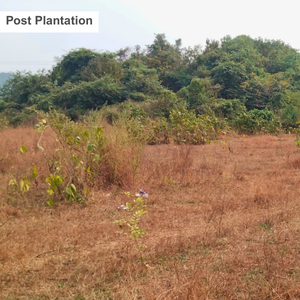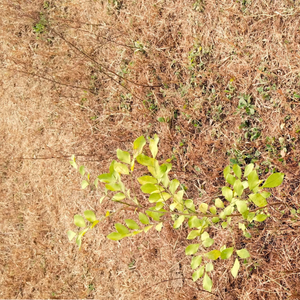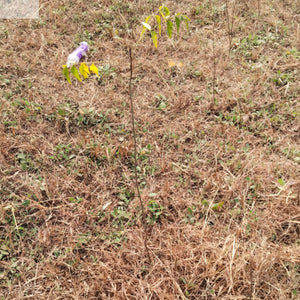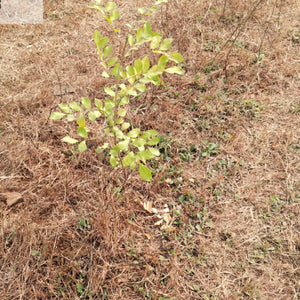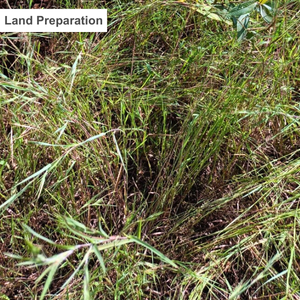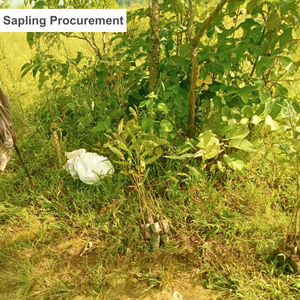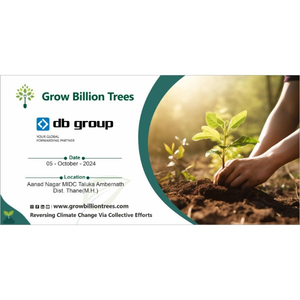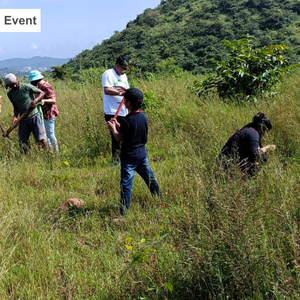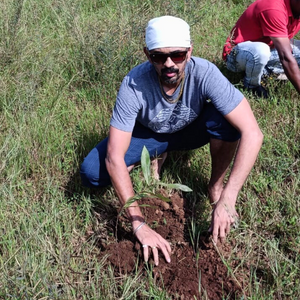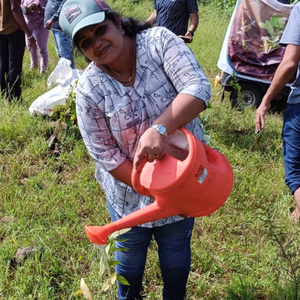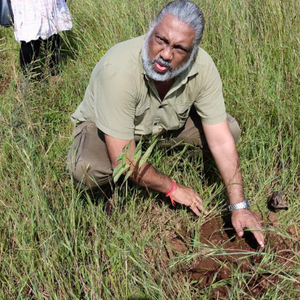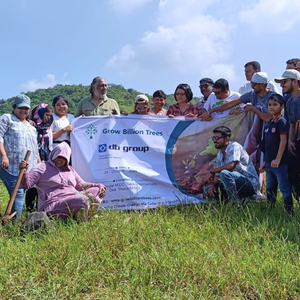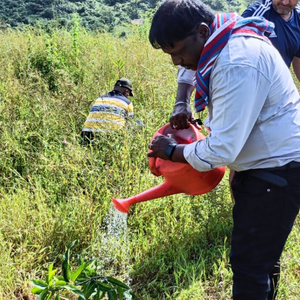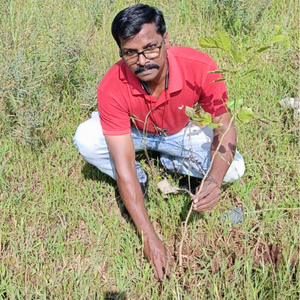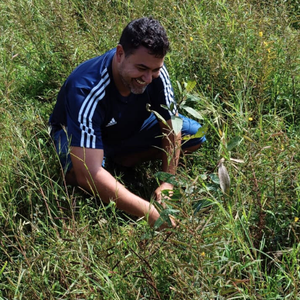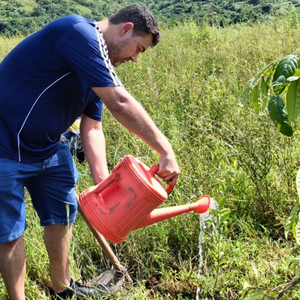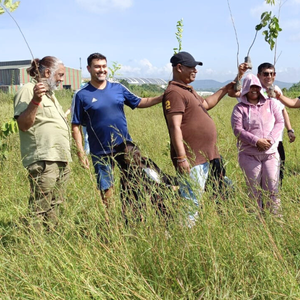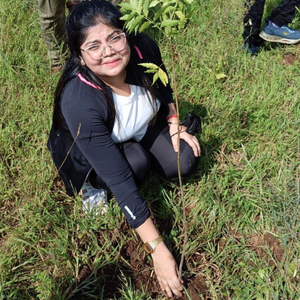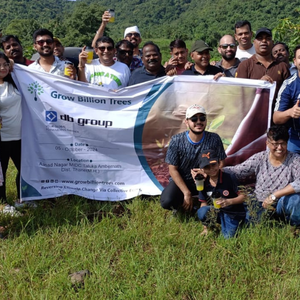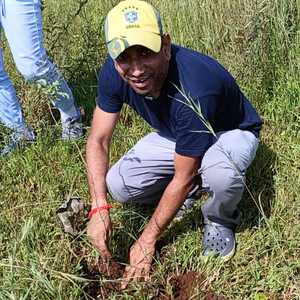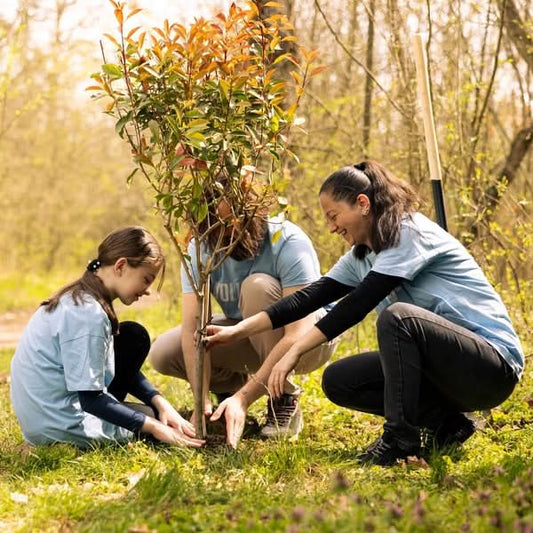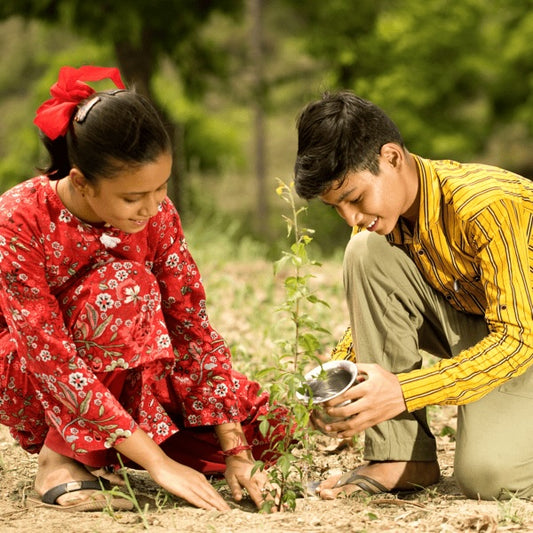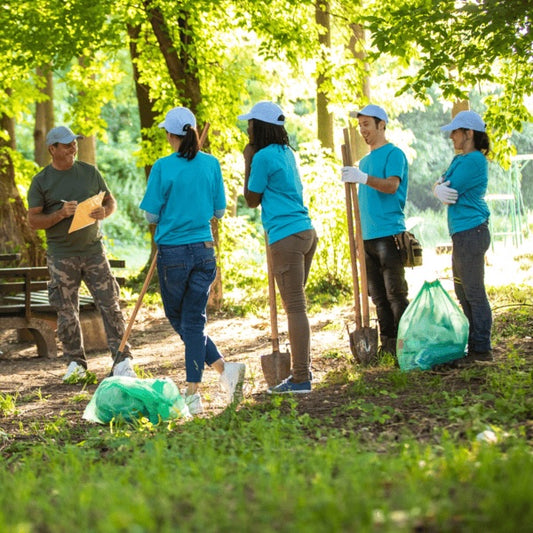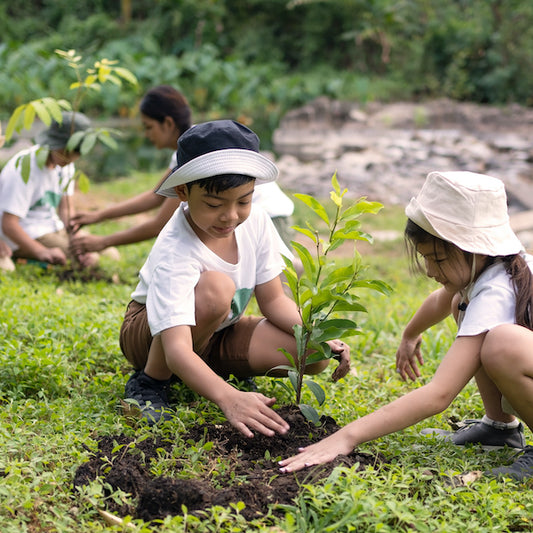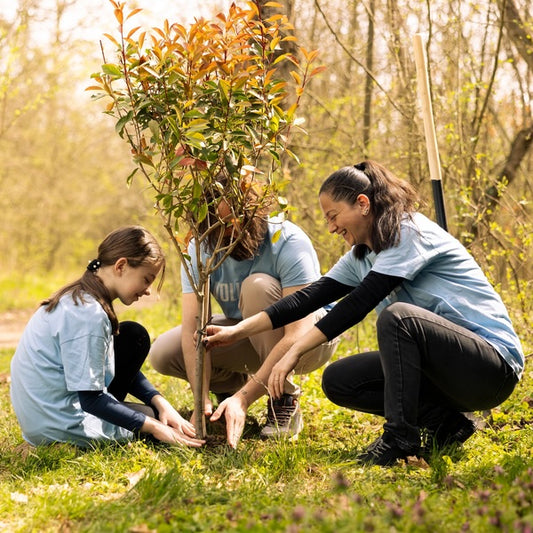
The DB Group’s tree plantation initiative in an agroforest format involved a series of engaging activities that brought employees closer to nature while creating a sustainable ecosystem.The project began with the careful selection of native tree species to create a balanced agroforest. Employees were actively involved in the drive where they learned tree planting techniques and sustainable land management practices. This was followed by tree planting drives, where participants planted saplings included regular watering to promote healthy tree growth.
Tree Plantation Purpose
DB Group’s tree plantation initiative in the agroforest format significantly contributes to various Sustainable Development Goals (SDGs) and aligns with Environmental, Social, and Governance (ESG) principles, making it a holistic approach to sustainability and employee engagement.
The initiative addresses several key SDGs:
1. SDG 8: Decent Work and Economic Growth
By engaging employees in planting and maintaining the agroforest, DB Group fosters skill development, teamwork, and a sense of purpose. The initiative also offers local communities employment opportunities in agroforestry, thereby contributing to economic growth and sustainable livelihoods.
2. SDG 11: Sustainable Cities and Communities
The agroforest project helps create greener urban spaces, improving air quality and promoting ecological balance. This enhances community well-being and contributes to building more sustainable and resilient urban and peri-urban areas.
3. SDG 12: Responsible Consumption and Production
Integrating trees and crops in the agroforest encourages sustainable agricultural practices and responsible use of natural resources. The initiative promotes a balanced production system that reduces resource depletion and supports long-term agricultural productivity.
4. SDG 13: Climate Action
The plantation of trees in the agroforest absorbs substantial amounts of carbon dioxide, thereby reducing the company’s carbon footprint and helping mitigate climate change. This action represents DB Group’s proactive stance on climate action and environmental responsibility.
5. SDG 15: Life on Land
The agroforest approach promotes sustainable land use, restoration of degraded areas, and biodiversity conservation. It helps restore soil fertility, creates habitats for local wildlife, and supports ecosystem health, which directly contributes to SDG 15’s objectives.
The initiative aligns seamlessly with DB Group’s ESG commitments:
Environmental (E)
DB Group’s agroforest initiative enhances environmental sustainability by sequestering carbon, improving soil health, and boosting biodiversity. The carefully selected native tree species and crops reduce soil erosion, conserve water, and promote a healthy ecosystem. This approach reflects DB Group’s dedication to minimizing its environmental footprint and promoting ecological resilience.
Social (S)
The project strengthens employee engagement by involving them in meaningful, hands-on environmental activities, fostering a sense of shared responsibility and teamwork. Employees experience a sense of pride and fulfillment as they contribute to a greener future. Moreover, the initiative engages local communities by providing employment opportunities and raising awareness about sustainable land management, which contributes to community well-being and social upliftment.
Governance (G)
The initiative is part of DB Group’s broader sustainability strategy, showcasing transparent and responsible governance. It includes clear guidelines for tree selection, planting, and maintenance, along with impact assessment and reporting. This structured approach ensures that the initiative remains aligned with the company’s sustainability goals and regulatory requirements, demonstrating strong governance in environmental and social efforts.
Through its tree plantation initiative in the agroforest format, DB Group not only advances global SDGs but also exemplifies a comprehensive ESG strategy that benefits the environment, society, and corporate governance practices.
Commitment by Grow Billion Trees
Grow Billion Trees is committed to driving sustainable plantation efforts, ensuring every initiative aligns with key environmental objectives and promotes long-term ecological balance. They focus on selecting native tree species that are well-adapted to local ecosystems, ensuring a higher survival rate and stronger environmental impact.
To maintain plant health and longevity, Grow Billion Trees emphasizes continuous maintenance and regular monitoring of the plantations. This approach helps ensure that each tree thrives, contributing effectively to both biodiversity and climate resilience.
Transparency is a core principle in their operations. Clients receive comprehensive reports, including geo-tagging of planted trees, survival rate updates, and ongoing progress reports. This level of openness allows clients to track the direct impact of their contributions, reinforcing trust and accountability.
Through their dedication to sustainable practices, Grow Billion Trees ensures that every plantation project leaves a lasting positive footprint on both the environment and the local communities it serves.
Summary
DB Group’s tree plantation initiative, rooted in the concept of urban forestry, is designed to actively involve employees in creating a greener and more sustainable environment. Through this program, DB Group has transformed underutilized urban spaces into thriving green ecosystems, fostering a unique blend of environmental stewardship and employee engagement. Employees participated in planting native trees, learning sustainable practices, and nurturing these green spaces, which not only improves air quality and biodiversity but also strengthens team spirit and a shared sense of purpose. The initiative aligns with the company’s commitment to sustainability and social responsibility, promoting environmental awareness while creating green havens within the city. By involving employees in meaningful ecological activities, DB Group’s urban forestry initiative not only enhances community well-being but also empowers its workforce to become active contributors to a more sustainable future.