
Karanj Tree: Nature’s Solution for Soil Health and Erosion Control
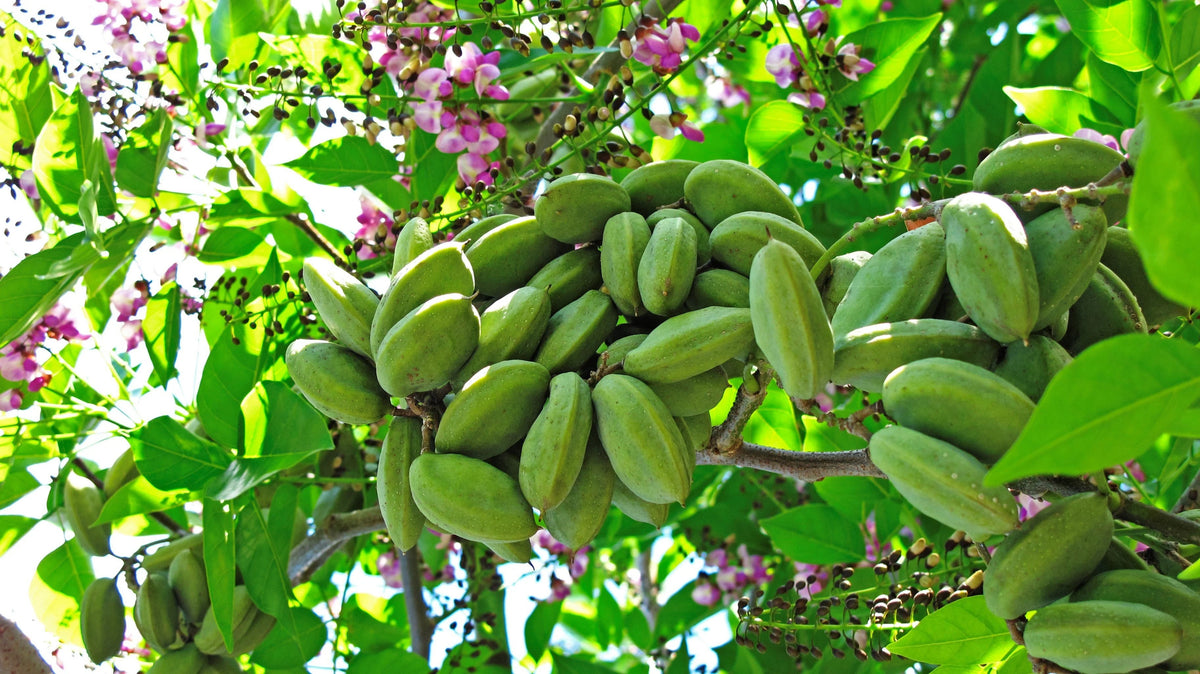
The Karanj tree (Pongamia pinnata) is a medium to large-sized tropical tree that reaches up to 50 feet tall. Its deep roots stabilize soil and enhance fertility, making it effective for erosion control and improving soil nutrient content. Beyond environmental benefits, the tree provides oil for biodiesel, leaves and flowers for traditional medicine, and fodder for livestock.
Further reading: Indian Beech Tree: Unveiling the Secret Benefits and Uses of This Majestic Tree · Kher Tree: Enhancing Soil Fertility and Preventing Erosion
Frequently Asked Questions
What is the Karanj tree and how tall does it grow?
The Karanj tree, scientifically known as Pongamia pinnata, is a medium to large-sized tropical tree that can reach heights of up to 50 feet. It is distinguished by its broad canopy, fragrant flowers, and flat, bean-like pods.
How does the Karanj tree help control erosion and improve soil health?
The Karanj tree has deep roots that stabilize soil and prevent erosion while enhancing soil fertility and improving nutrient content. This makes it particularly effective for restoring degraded lands and supporting healthy ecosystems.
What are the practical uses of the Karanj tree?
The Karanj tree has multiple applications: oil from its seeds is used for biodiesel production, its leaves and flowers are used in traditional medicine, and it provides fodder for livestock, making it a multipurpose resource.
How is the Karanj tree used in traditional medicine and cultural practices?
The Karanj tree is traditionally associated with health and longevity in various cultures. Its seeds and oil are used in rituals and medicinal practices, symbolising wellness and vitality in local communities.
Why is the Karanj tree important for ecosystems?
The Karanj tree plays an essential ecological role by enhancing soil fertility, preventing erosion through its deep roots, and supporting a diverse range of plant and animal life in its ecosystem.
Keep reading
 Indian Beech Tree: Unveiling the Secret Benefits and Uses of This Majestic Tree
 Kher Tree: Enhancing Soil Fertility and Preventing Erosion
 Argentine Mesquite Tree: Unveiling Hidden Benefits & Features
 The Pink Poui Tree: A Blossoming Symbol of Beauty and Resilience
 The Papari Tree: A Pillar of Nature and Culture
 Bauxite and iron-ore mine restoration: species and methods


Leave a comment