

Agroforestry
Trees that earn for farmers
Digital forest · Dense Plantation
The Silox India Miyawaki Tree Plantation School Initiative is a wonderful step toward building a greener, more sustainable India. By introducing the proven Miyawaki method into school campuses, this initiative helps young students connect...
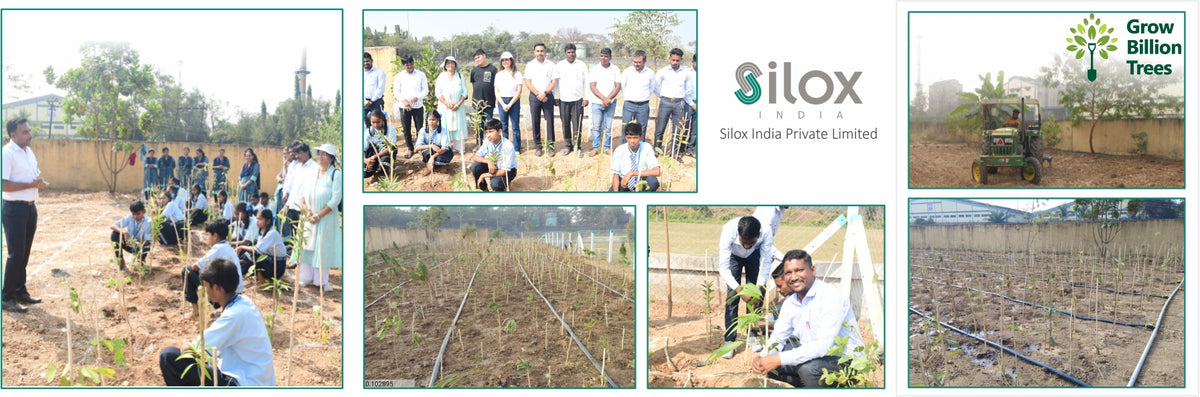
The Silox India Miyawaki Tree Plantation School Initiative is a wonderful step toward building a greener, more sustainable India. By introducing the proven Miyawaki method into school campuses, this initiative helps young students connect with nature while creating dense, thriving urban forests. We are glad to see such conscious action delivering long-lasting environmental impact across India in 2026.
This school-focused program is transforming empty grounds into living ecosystems. When it comes to silox india miyawaki tree plantation school initiative,It nurtures biodiversity, improves air quality, and gives students a hands-on experience with eco-friendly, natural reforestation. Together, schools and communities can grow a greener future for the planet.
The Miyawaki method is a natural forest-creation technique developed by Japanese botanist Dr. When it comes to silox india miyawaki tree plantation school initiative,Akira Miyawaki. It plants diverse native species in dense clusters, enabling trees to grow ten times faster than conventional methods. According to the United Nations Environment Programme on Forests, restoring native forests is one of the most effective tools to combat climate change and biodiversity loss.
These forests reach full maturity in just eight to ten years. When it comes to silox india miyawaki tree plantation school initiative,They are self-sustaining, maintenance-free, and 30 times denser than regular plantations. Moreover, they provide habitat for birds, insects, and native wildlife, making every campus a thriving living ecosystem.
At the forefront of the Silox India Miyawaki Tree Plantation School Initiative stands Grow Billion Trees, India's most trusted reforestation partner. Our mission is to plant 100 crore trees across India by June 2030. We provide end-to-end Miyawaki forest solutions for schools, corporates, and communities nationwide.
Our team uses GeoTag technology to track every tree planted. When it comes to silox india miyawaki tree plantation school initiative,Each sapling receives 2-3ft Tree Planting + 3 Years Care + GeoTag — ensuring verified, long-term growth. Schools and corporates can monitor their green impact in real time, building transparent accountability for every forest created.
We ensure every Miyawaki forest is designed using site-specific native species. When it comes to silox india miyawaki tree plantation school initiative,Our hands-on approach covers soil preparation, species selection, dense planting, and ongoing nurturing. Through Combating Climate Change Through Collective Action, we help schools become environmental leaders in their communities.
Welcome to a movement that transforms empty school grounds into thriving green canopies. Explore how Grow Billion Trees can help your school Plant a tree in your Name and inspire the next generation of mindful, eco-conscious citizens.
Grow Billion Trees is a certified, verified partner for school-based Miyawaki plantations across India. When it comes to silox india miyawaki tree plantation school initiative,Our experience working with hundreds of schools and corporates makes us the natural choice for the Silox India initiative. We love transforming school spaces into green, sustainable environments that students are proud of.
Miyawaki forests are transforming campuses and urban landscapes across India. Here are some great examples of impactful projects that demonstrate what is possible:
Several forward-thinking corporates have joined the Silox India Miyawaki Tree Plantation School Initiative, contributing to India's goal of planting 100 crore trees together. Their support helps schools access certified plantation expertise, quality saplings, and long-term care programs that improve outcomes for students and the earth.
These trusted partnerships prove that Combating Climate Change Through Collective Action is not just a vision — it is a reality being built, tree by tree, campus by campus, in partnership with India's most conscious businesses.
Schools across India are discovering that Miyawaki forests do far more than improve air quality. When it comes to silox india miyawaki tree plantation school initiative,They save energy by reducing ambient temperatures on campus. They improve student well-being by creating natural, green spaces for learning and play. In addition, they serve as living classrooms where students study ecology, biodiversity, and climate science firsthand.
According to the United Nations Climate Change portal, forests absorb roughly 2.6 billion tonnes of carbon dioxide each year. When it comes to silox india miyawaki tree plantation school initiative,Every school forest, however small, contributes to this global effort. Our 2026 data shows that dense Miyawaki forests absorb carbon 30 times more effectively per square metre than conventional tree rows.
The World Wildlife Fund's deforestation research highlights that native forest restoration is among the highest-impact actions available to local communities. When it comes to silox india miyawaki tree plantation school initiative,School-based Miyawaki projects therefore carry both educational and planetary value, making them a wonderful investment in the future.
A Miyawaki forest on your school campus delivers measurable, proven results that students, teachers, and communities will love:
The Silox India Miyawaki Tree Plantation School Initiative is a program that brings Miyawaki-method forests to school campuses across India. It partners with certified organisations like Grow Billion Trees to create dense, native, thriving green spaces that benefit students and the environment together.
The Miyawaki method is ideal for schools because it creates dense forests in small spaces, grows quickly, and requires minimal maintenance after establishment. When it comes to silox india miyawaki tree plantation school initiative,It serves as a natural, hands-on classroom and is eco-friendly, sustainable, and internationally proven.
Grow Billion Trees provides end-to-end Miyawaki forest solutions including site assessment, native species planting, GeoTag technology for tree tracking, and three years of care. When it comes to silox india miyawaki tree plantation school initiative,We are a certified, verified partner with hands-on experience across schools in India.
Corporates including Tata Group, Infosys, Mahindra, Wipro, and HCL Foundation have participated in Miyawaki plantation programs. Their support helps schools achieve meaningful, measurable green impact aligned with Net Zero Targets.
GeoTag technology assigns GPS coordinates to each planted tree. This allows schools, corporates, and supporters to track their trees in real time via a secure digital platform, ensuring full transparency and accountability in every plantation.
A Miyawaki forest reaches a self-sustaining state in approximately three years and full maturity in eight to ten years. With our 2-3ft Tree Planting + 3 Years Care + GeoTag package, growth is monitored and supported throughout the critical early period.
Yes. When it comes to silox india miyawaki tree plantation school initiative,Grow Billion Trees provides authentic, personalised tree certificates for schools and students. These certificates make the Miyawaki plantation a memorable, certified educational milestone and are great for institutional recognition and student motivation.
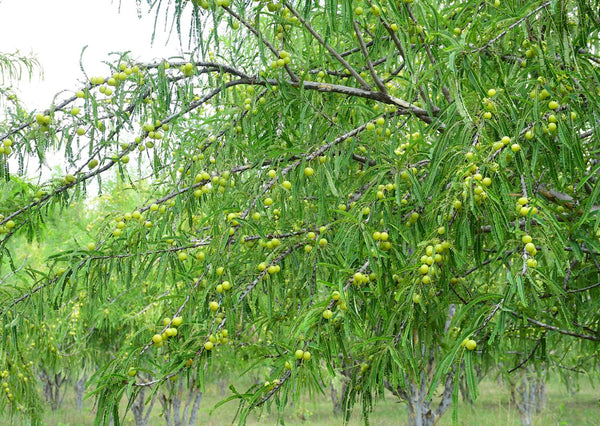
We select natural, native species specific to the school's geographic region. These may include Neem, Peepal, Arjuna, Indian Gooseberry, and various local flowering trees — all chosen to thrive together and support local biodiversity.
Yes. When it comes to silox india miyawaki tree plantation school initiative,The Miyawaki method is internationally recognised and backed by decades of scientific research. According to the United Nations Environment Programme, native forest restoration using methods like Miyawaki is among the most effective tools for biodiversity recovery and climate resilience.
Simply visit growbilliontrees.com to learn more and connect with our team. We will guide you through the entire process — from site assessment to tree certification — making it easy to transform your campus into a thriving, green forest.
The Silox India Miyawaki Tree Plantation School Initiative is a meaningful opportunity to build a greener, healthier future for students and communities. Together, we can grow forests that teach, protect, and inspire generations. Our mission of planting 100 crore trees across India depends on schools, corporates, and conscious citizens acting together.
Grow Billion Trees is your trusted, certified partner in this journey. When it comes to silox india miyawaki tree plantation school initiative,Discover how our GeoTagged Miyawaki plantation program can transform your school into a thriving urban forest. Every tree planted is a future saved — and every school that joins this initiative becomes a beacon of hope for the earth.
Learn more and get started at growbilliontrees.com — join thousands of schools and corporates already making a real, proven difference for our planet.
Photos from the site, from planting day onwards.
Every tree in this forest, with the name and message of the person or company who planted it.
Undisclosed contributors
The people and companies who planted this forest have chosen not to list their names.
Plan a forest for your company, school or family, with its own digital forest page.
Plan a forestAbout Grow Billion Trees
We plant, geo-tag and look after every tree for three years, for companies, NGOs and families.


Pick the programme that fits your land, goal and budget.
Every pin is a project with its own digital forest. Filter by programme or state, or search for a company.
Pins show the approximate area of each project, not exact plot locations. Updated 2026-10-21.
Trees for birthday celebration offer the most meaningful way to mark another year of life while nurturing our planet's future. Instead of tradition...
View full detailsDescription: Every day is Mother's Day, take a moment to celebrate and honor the Nurturing Mothers in your life who have guided, encouraged, and lo...
View full detailsTrees as a gift represent the most meaningful way to celebrate special occasions while combating climate change through collective action. Unlike t...
View full detailsDescription: Honoring the memory of a loved one with a tree planting can be a powerful and enduring way to pay tribute to their life. Trees offer c...
View full detailsWelcome to a wonderful way of celebrating Janmashtami by planting trees for Krishna! Our sacred tree planting service offers a divine gift for just...
View full detailsDescription: Let's take a moment on this Women's Day to appreciate and honor the exceptional women in our lives who have inspired, encouraged, and ...
View full detailsDescription: "Celebrating your wedding anniversary by planting trees can be a meaningful and environmentally friendly way to honor your commitment ...
View full detailsTrees for friendship create lasting memories while nurturing our planet. When you plant a tree with friends, you're not just growing roots in the e...
View full detailsDescription: Let's take a moment to honor and celebrate the wise and nurturing grandmothers in your life who have shared their love, experience, an...
View full detailsDescription: Take a moment to celebrate and honor your Grandfather who has supported, inspired, and loved you unconditionally. Show your appreciati...
View full details


