
Sunderlal Bahuguna: Chipko Movement Pioneer & Environmental Legacy
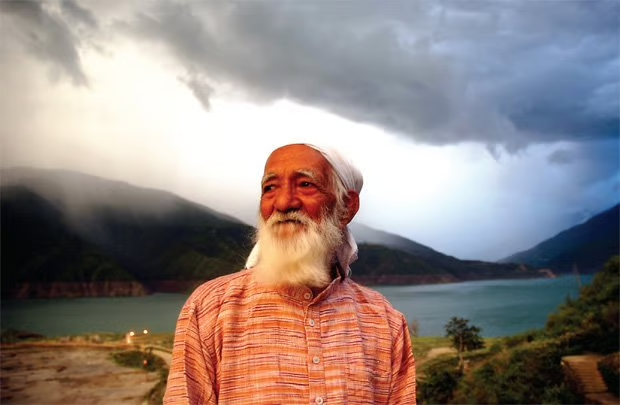
Sunderlal Bahuguna (1927–2021) was an Indian environmentalist who pioneered the Chipko Movement, transforming forest conservation in India and globally. A Gandhian activist, he fought commercial logging in the Himalayas, championing the philosophy that "Ecology is the permanent economy"—a belief that continues to inspire environmental movements worldwide.
Sunderlal Bahuguna stands as one of India's most influential environmental champions, whose pioneering work through the Chipko Movement transformed forest conservation globally. His philosophy that "Ecology is the permanent economy" resonates powerfully today as we face unprecedented climate challenges. This visionary Gandhian activist dedicated his life to protecting forests and advocating for ecological sustainability, creating a blueprint for environmental activism that continues to inspire millions worldwide.
✅ Who Was Sunderlal Bahuguna? A Voice for the Forests
Sunderlal Bahuguna (1927–2021) was an Indian environmentalist whose relentless activism helped shape India's conservation policies. Born in Tehri, Uttarakhand, he grew up amidst the lush forests of the Himalayas, which later became his battleground for environmental justice.
Influenced by Mahatma Gandhi's principles of non-violence and sustainability, Bahuguna believed in community-driven conservation. He saw forests not just as trees, but as lifelines—protecting soil, preserving biodiversity, and sustaining livelihoods. His most significant contribution was the Chipko Movement—a groundbreaking environmental protest that changed how India and the world approached deforestation.
⭐ The Chipko Movement: Revolutionary Forest Protection
In the 1970s, rampant commercial logging was destroying India's Himalayan forests. This not only threatened biodiversity but also increased landslides, water shortages, and soil erosion—devastating local communities. According to the United Nations Environment Programme on forests, deforestation continues to be one of the most pressing environmental challenges globally.
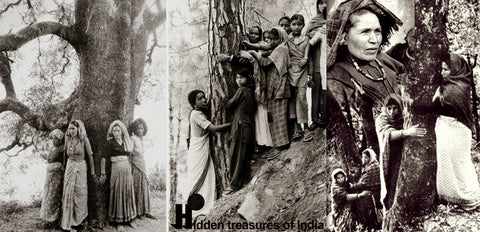
In 1973, villagers in the Chamoli district of Uttarakhand took a bold stand: they hugged trees to prevent them from being cut down. This act of peaceful resistance became known as the Chipko Movement—derived from the Hindi word "Chipko," meaning "to embrace."
How the Chipko Movement Changed Environmental Activism:
- Forest Protection: By physically shielding trees, villagers successfully halted government-sanctioned deforestation
- Women as Environmental Leaders: Led by figures like Gaura Devi, the movement showcased the crucial role women play in conservation
- Policy Changes: The protests led to the 1980 ban on commercial logging in the Himalayan region
- Global Influence: The movement inspired environmental protests worldwide, emphasizing non-violent, grassroots activism
Bahuguna's efforts proved that environmental protection wasn't just about saving trees—it was about securing water, soil, and the livelihoods of future generations.
💡 Why Sunderlal Bahuguna Fought for Trees
Bahuguna was more than just an activist—he was a philosopher of nature. He believed that deforestation wasn't just an ecological problem; it was a human crisis. The World Wildlife Fund reports on deforestation highlight how forest loss continues to threaten global biodiversity and climate stability.
Why trees matter for our planet:
- Carbon Sequestration: Forests absorb 30% of global CO₂ emissions, helping combat climate change
- Water Conservation: Tree roots retain moisture, recharge groundwater, and prevent floods
- Biodiversity Protection: Forests support 80% of Earth's terrestrial species
- Climate Stabilization: Trees regulate temperatures and reduce urban heat islands
- Air Purification: Trees filter pollutants and improve air quality
Bahuguna tirelessly campaigned against the destruction of Himalayan forests, warning that unchecked deforestation would lead to climate disasters. His advocacy paved the way for government policies focused on conservation.
→ Native Trees: The Backbone of Ecological Balance
Bahuguna emphasized the importance of native tree species for ecological restoration. Unlike exotic trees, native species are well-adapted to their environment, require less water, and provide crucial habitats for local wildlife.
Key Native Trees of the Himalayas:
- Himalayan Oak (Quercus leucotrichophora): A critical species that prevents soil erosion and supports local biodiversity
- Deodar Cedar (Cedrus deodara): A sacred and resilient tree that stabilizes mountain slopes
- Rhododendron (Rhododendron arboreum): The state tree of Uttarakhand, known for its soil-enhancing properties
- Sal (Shorea robusta): Provides shelter for wildlife and helps maintain forest balance
- Neem (Azadirachta indica): A powerful medicinal tree that purifies air and soil
Bahuguna's advocacy for afforestation focused on planting native species that could restore ecosystems naturally and sustainably.
⚠️ Sunderlal Bahuguna's Role in Water Conservation
Beyond forest conservation, Bahuguna recognized the deep connection between trees and water security. He saw deforestation as a major cause of soil erosion, reduced rainfall, and declining river levels. His water conservation efforts included opposing the Tehri Dam, warning that large-scale projects could disrupt natural water cycles and displace communities.
Bahuguna understood that forests act as natural water towers, collecting moisture from clouds and releasing it gradually through streams and rivers. This insight aligns with current research showing how forest conservation is essential for maintaining regional water security.
🌱 Connecting Bahuguna's Vision to Modern Environmental Action
Today's environmental challenges require the same grassroots approach that Sunderlal Bahuguna championed. The United Nations climate change initiatives emphasize the critical role of forest conservation in achieving global climate goals.
At Grow Billion Trees, we honor Bahuguna's legacy by making tree planting accessible to everyone. Our mission to plant 100 crore trees across India reflects his belief in collective action for environmental restoration. Through our Plant a tree in your Name program, individuals can contribute to reforestation for just ₹299, including 3 years of care and GeoTag tracking.
How We're Continuing Bahuguna's Work:
- Miyawaki Forests: Creating dense, native forests that grow 10 times faster
- Agroforestry Programs: Supporting farmers while restoring ecosystems
- Mangrove Restoration: Protecting coastal communities and biodiversity
- Corporate Partnerships: Helping businesses achieve Net Zero Targets through verified tree planting
Learn more about our environmental programs and join the movement toward a sustainable future.
📈 The Global Impact of Bahuguna's Environmental Philosophy
Sunderlal Bahuguna's influence extends far beyond India's borders. His approach to environmental activism—combining scientific understanding with grassroots mobilization—has inspired conservation movements worldwide. The Chipko Movement demonstrated that ordinary people could challenge powerful interests and create lasting environmental change.
Modern environmental movements continue to draw inspiration from Bahuguna's methods. From the Amazon rainforest defenders to climate activists in Europe, the principles of non-violent resistance and community-based conservation remain relevant and powerful.
Key Lessons from Bahuguna's Activism:
- Local Knowledge Matters: Communities understand their ecosystems better than distant policymakers
- Non-Violence Works: Peaceful resistance can achieve more than confrontational approaches
- Women Are Environmental Leaders: Recognizing women's roles in conservation strengthens movements
- Economic and Ecological Goals Align: Sustainable practices benefit both people and planet
🌍 Combating Climate Change Through Collective Action
Bahuguna's vision of "Ecology as permanent economy" becomes more relevant each year. As climate change accelerates, his emphasis on forest conservation offers practical solutions. Trees remain our most cost-effective technology for carbon capture, biodiversity protection, and climate resilience.
Our 2-3ft Tree Planting + 3 Years Care + GeoTag program ensures that every tree planted has the best chance of survival and growth. This approach reflects Bahuguna's understanding that successful conservation requires long-term commitment and community involvement.
By participating in reforestation efforts, individuals and corporations can directly contribute to climate solutions while honoring the legacy of environmental pioneers like Sunderlal Bahuguna.
Further reading: Chipko Women of Uttarakhand: Forest Guardians Who Changed History · Chandi Prasad Bhatt: Chipko Movement Pioneer Fighting Climate Change
Frequently Asked Questions
Who was Sunderlal Bahuguna and why is he important?
Sunderlal Bahuguna was an Indian environmental activist who led the Chipko Movement in the 1970s. He's important because he pioneered grassroots forest conservation methods that influenced environmental policy in India and inspired global conservation movements.
What was the Chipko Movement and how did it work?
The Chipko Movement was a non-violent protest where villagers hugged trees to prevent them from being cut down by commercial loggers. "Chipko" means "to embrace" in Hindi, and the movement successfully protected Himalayan forests through peaceful resistance.
How did Sunderlal Bahuguna influence environmental policy?
Bahuguna's activism led to the 1980 ban on commercial logging in the Himalayan region. His work demonstrated the effectiveness of community-based conservation and influenced India's forest protection policies for decades.
What was Bahuguna's philosophy about ecology and economics?
Bahuguna believed that "Ecology is the permanent economy," meaning that environmental health forms the foundation of all economic activity. He argued that destroying forests for short-term profits would lead to long-term economic disaster.
How can we apply Bahuguna's lessons to modern environmental challenges?
We can apply his lessons by supporting community-based conservation, choosing non-violent advocacy methods, recognizing local knowledge, and understanding that environmental protection and economic prosperity are interconnected.
What role did women play in the Chipko Movement?
Women were central to the Chipko Movement's success. Leaders like Gaura Devi organized village women to protect trees, recognizing that forest destruction directly affected their daily lives through water scarcity and fuel shortages.
How does tree planting today honor Bahuguna's legacy?
Modern tree planting programs honor Bahuguna's legacy by focusing on native species, involving local communities, and understanding forests as complete ecosystems rather than just collections of trees.
What types of trees did Bahuguna advocate for planting?
Bahuguna advocated for native Himalayan species like Oak, Deodar Cedar, and Rhododendron because they were naturally adapted to local conditions and provided the best ecological benefits for their regions.
How did the Chipko Movement influence global environmentalism?
The Chipko Movement showed that grassroots, non-violent environmental activism could succeed against powerful interests. It inspired similar movements worldwide and demonstrated the importance of community involvement in conservation.
What would Sunderlal Bahuguna think about current climate change efforts?
Based on his philosophy, Bahuguna would likely support comprehensive climate action that combines forest conservation, community involvement, and sustainable economic practices. He would emphasize that protecting existing forests is as important as planting new ones.
🌳 Continuing the Legacy: Your Role in Environmental Conservation
Sunderlal Bahuguna's life demonstrates that individual action can create massive environmental change. His legacy reminds us that protecting our planet requires both personal commitment and collective action. Today, as we face unprecedented environmental challenges, his message resonates more powerfully than ever.
At Grow Billion Trees, we're committed to continuing Bahuguna's work by making reforestation accessible, transparent, and impactful. Our goal to plant 100 crore trees by 2030 reflects his belief in the power of collective environmental action. Every tree planted through our program contributes to climate resilience, biodiversity protection, and community well-being.
Join us in honoring Sunderlal Bahuguna's legacy by taking action today. Plant a tree in your name and become part of the solution to climate change. Together, we can create the sustainable future that Bahuguna envisioned—one where ecology truly becomes our permanent economy.
Keep reading
 Chipko Women of Uttarakhand: Forest Guardians Who Changed History
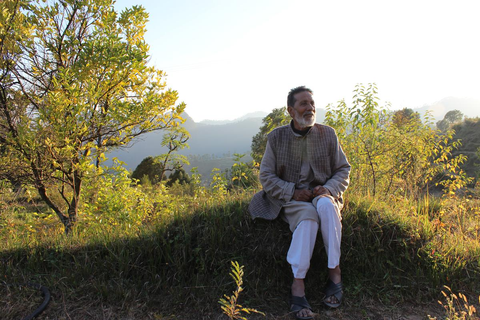 Chandi Prasad Bhatt: Chipko Movement Pioneer Fighting Climate Change
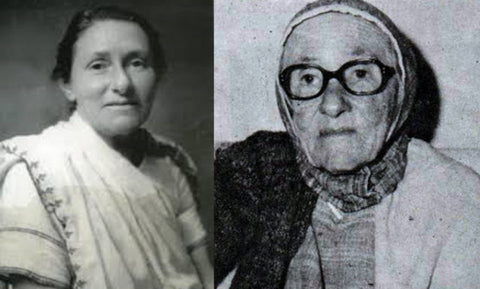 Sarla Behn: Nurturing Nature and Empowering Communities for a Sustainable Future
 Amrita Devi Bishnoi: The Environmental Warrior Who Died for Trees
 Himalayan Oak Tree: The Majestic Guardian of the Himalayas


Leave a comment