


Chipko Women of Uttarakhand: Forest Guardians Who Changed History
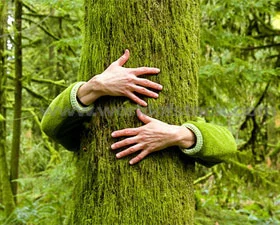
The Chipko Women of Uttarakhand were environmental activists who wrapped their arms around trees in the 1970s to prevent deforestation by commercial loggers. "Chipko" means "to hug" in Hindi, and their action sparked a global conservation movement that continues to inspire environmental efforts today.
The Chipko Women of Uttarakhand transformed environmental activism forever when they wrapped their arms around trees to prevent deforestation in the 1970s. These fearless women didn't just save forests—they sparked a global movement that continues to inspire conservation efforts today, proving that collective action can create lasting change for our planet's future.
In the heart of the Himalayas, a quiet yet powerful revolution took root. Armed with nothing but their unwavering determination and a deep love for the land, these women stood between towering forests and the axes of loggers. Their message was simple yet profound—forests are not just resources; they are life itself.
✅ The Birth of the Chipko Movement: When Hugging Trees Became Revolutionary
The word "Chipko" means "to hug" in Hindi, and that's exactly what the villagers of Uttarakhand did—they wrapped their arms around trees to stop them from being felled. This wasn't just an act of protest; it was an act of protection, a human shield against exploitation.
In the 1970s, large-scale logging in Uttarakhand's forests threatened local communities. The government had auctioned vast stretches of trees to commercial loggers, ignoring the needs of villagers who depended on these forests for firewood, fodder, and clean water. For the people of Uttarakhand, the forests weren't just economic assets; they were their lifelines.
As deforestation increased, so did landslides, soil erosion, and water shortages. According to the United Nations Environment Programme, forests play a crucial role in maintaining ecological balance and preventing natural disasters. The Chipko Women understood this connection instinctively.
⭐ Gaura Devi and the Women Who Led the Resistance
The first major Chipko protest took place in 1973 in the village of Reni. When loggers arrived to cut trees, the men were away working in the fields. This left the women, led by the fearless Gaura Devi, to take a stand.
Instead of arguing or fighting, they used a different strategy—they hugged the trees. Facing the axes, Gaura Devi and her group of women placed their bodies between the loggers and the forest. She boldly declared, "This forest is our mother. If you cut these trees, you must cut us first."
The loggers retreated, and the movement spread like wildfire. From village to village, women began protecting trees by embracing them. The Chipko Women of Uttarakhand had launched one of history's most significant grassroots environmental movements.
Key Leaders of the Movement
- Gaura Devi: The brave village woman who led the first tree-hugging protest
- Sunderlal Bahuguna: Environmental activist who supported and amplified the women's voices
- Chandi Prasad Bhatt: Co-founder who helped organize the movement
- Vandana Shiva: Philosopher who documented the movement's significance
→ Why the Chipko Movement Still Matters Today
Deforestation remains one of the biggest environmental crises today. The World Wildlife Fund reports that we lose 18.7 million acres of forests annually. The Chipko Movement was ahead of its time in recognizing the importance of forests in tackling climate change, biodiversity loss, and water shortages.
Environmental Contributions of the Chipko Women
- ✅ Prevented thousands of trees from being felled in Uttarakhand
- ✅ Protected watersheds, ensuring groundwater recharge and stable water supply
- ✅ Preserved biodiversity, creating safe habitats for countless species
- ✅ Helped combat soil erosion and landslides in the fragile Himalayan terrain
- ✅ Influenced Indian government policies, leading to a ban on commercial logging in the region
Today, with deforestation contributing to 20% of global CO₂ emissions, the lessons of the Chipko Movement are more relevant than ever. Their legacy reminds us that protecting forests isn't just about saving trees—it's about saving our future.
💡 Women and Environmental Justice: The Power of Eco-Feminism
The Chipko Women of Uttarakhand weren't just environmental activists—they were pioneers of eco-feminism, highlighting the deep connection between nature and women's rights. Their leadership showed the world that environmental protection and gender justice are interconnected.
Why Women Were the Backbone of Chipko
- Direct Dependence: Women relied on forests for food, firewood, and fodder, making them natural protectors
- Future Vision: They understood that deforestation would harm their children's future, motivating them to act
- Non-violent Resistance: Their peaceful approach showed the strength of community-led conservation
- Cultural Connection: Women maintained traditional knowledge about forest ecosystems and sustainable practices
By placing their bodies between the trees and axes, the Chipko Women proved that environmental activism isn't just about policies—it's about people taking direct action to defend their homes and future generations.
🌳 Native Trees Protected by the Chipko Movement
The forests the Chipko Women of Uttarakhand protected were rich with biodiversity. These native trees provided ecological, economic, and cultural benefits that sustained entire communities for generations.
Key Native Species Saved by Chipko Activists
- Oak (Quercus): Prevents soil erosion and maintains groundwater levels
- Rhododendron (Rhododendron arboreum): Supports pollinators and enriches the soil
- Deodar Cedar (Cedrus deodara): Strengthens Himalayan slopes against landslides
- Wild Apple (Malus sylvestris): Provides food for both wildlife and humans
- Banyan (Ficus benghalensis): A sacred tree that shelters birds, bees, and small animals
By saving these trees, the Chipko Movement ensured the survival of ecosystems that had thrived for centuries, maintaining the delicate balance between human needs and environmental preservation.
⚠️ The Global Impact of the Chipko Movement
The influence of the Chipko Women of Uttarakhand extended far beyond the Himalayan forests. Their peaceful resistance inspired environmental movements worldwide and contributed to global awareness about deforestation and climate change.
The United Nations climate change initiatives recognize grassroots movements like Chipko as essential for achieving global environmental goals. The women's approach demonstrated that local communities are often the most effective guardians of natural resources.
International Recognition and Awards
- ⭐ UNESCO recognition for environmental education
- ⭐ Right Livelihood Award for Sunderlal Bahuguna
- ⭐ Inclusion in global environmental curricula
- ⭐ Inspiration for similar movements in Kenya, Brazil, and Philippines
🌱 Modern Lessons from the Chipko Women
The Chipko Women of Uttarakhand teach us valuable lessons about sustainable living and environmental stewardship. Their approach combined traditional wisdom with grassroots activism, creating a model that remains relevant today.
Key Principles We Can Apply Today
- Community-Led Conservation: Local communities are the best protectors of their natural resources
- Non-violent Resistance: Peaceful protest can be more powerful than aggressive confrontation
- Women's Leadership: Women often lead the most effective environmental movements
- Traditional Knowledge: Indigenous wisdom about ecosystems is invaluable for conservation
- Intergenerational Thinking: Decisions should consider impact on future generations
🚀 Connecting Chipko Values to Modern Tree Planting
The spirit of the Chipko Women of Uttarakhand lives on in today's reforestation efforts. Organizations like Grow Billion Trees continue their legacy by making tree planting accessible and meaningful. When you Plant a tree in your Name for ₹299, you're participating in the same tradition of forest protection that the Chipko women started.
Modern tree planting programs honor the Chipko legacy by focusing on native species, community involvement, and long-term care. With our 2-3ft Tree Planting + 3 Years Care + GeoTag service, we ensure that every tree planted contributes to the goal of 100 crore trees while maintaining the same commitment to forest protection that inspired the original movement.
By supporting reforestation efforts today, we're Combating Climate Change Through Collective Action and helping organizations achieve their Net Zero Targets, just as the Chipko women fought for environmental balance in their time.
Further reading: Chandi Prasad Bhatt: Chipko Movement Pioneer Fighting Climate Change · Amrita Devi Bishnoi: The Environmental Warrior Who Died for Trees
Frequently Asked Questions
Who were the Chipko Women of Uttarakhand?
The Chipko Women of Uttarakhand were village women who led the famous Chipko Movement in the 1970s. Led by brave women like Gaura Devi, they hugged trees to prevent deforestation and protect their forest resources. Their non-violent resistance became one of the world's most significant environmental movements.
When did the Chipko Movement begin?
The Chipko Movement began in 1973 in the village of Reni, Uttarakhand. The first major protest occurred when women, led by Gaura Devi, hugged trees to prevent loggers from cutting them down. The movement then spread to other villages across the region.
Why did the Chipko Women hug trees?
The Chipko Women hugged trees as a form of non-violent protest to prevent deforestation. They depended on forests for firewood, fodder, and water, and understood that cutting trees would lead to environmental disasters like landslides and water shortages. Hugging trees was their way of protecting their livelihood and future.
What was the impact of the Chipko Movement?
The Chipko Movement successfully prevented large-scale deforestation in Uttarakhand, influenced government policies leading to logging bans, and inspired environmental movements worldwide. It also highlighted the important role of women in environmental conservation and contributed to the development of eco-feminism.
How does the Chipko Movement relate to modern environmental efforts?
The Chipko Movement's principles of community-led conservation, sustainable forest management, and grassroots activism continue to inspire modern environmental efforts. Today's reforestation programs and climate action initiatives often follow the same community-based approach pioneered by the Chipko Women.
What trees did the Chipko Movement protect?
The Chipko Movement protected native Himalayan trees including oak, rhododendron, deodar cedar, wild apple, and banyan trees. These species were crucial for preventing soil erosion, maintaining water sources, and supporting local biodiversity in the fragile Himalayan ecosystem.
Are there modern movements inspired by Chipko?
Yes, the Chipko Movement has inspired environmental movements worldwide, including the Green Belt Movement in Kenya, forest protection efforts in Brazil, and community-led conservation programs across Asia and Africa. The movement's non-violent approach and community leadership model continue to influence environmental activism globally.
How can I support forest conservation like the Chipko Women?
You can support forest conservation by participating in tree planting programs, supporting sustainable forestry practices, advocating for forest protection policies, and choosing eco-friendly products. Organizations like Grow Billion Trees offer opportunities to plant trees and contribute to reforestation efforts that honor the Chipko legacy. The Chipko Women of Uttarakhand proved that ordinary people can create extraordinary change. Their legacy reminds us that protecting our forests isn't just an environmental necessity—it's a moral obligation to future generations. Today, as we face unprecedented climate challenges, their message resonates more powerfully than ever: forests are life itself, and we must all become their guardians. Join the movement they started. Plant a tree today and become part of the solution for a sustainable future.
Keep reading
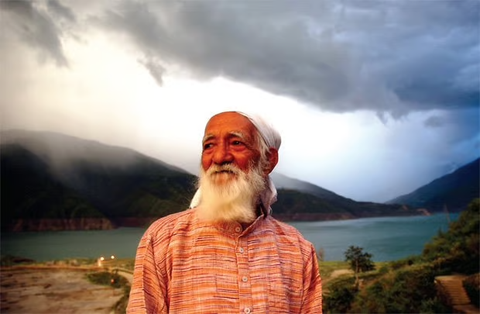 Sunderlal Bahuguna: Chipko Movement Pioneer & Environmental Legacy
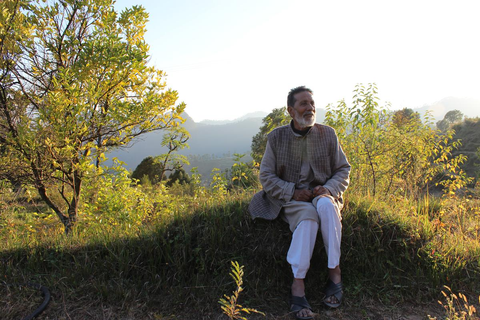 Chandi Prasad Bhatt: Chipko Movement Pioneer Fighting Climate Change
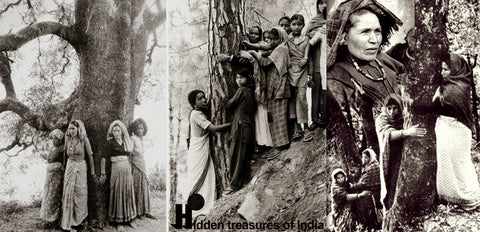 Amrita Devi Bishnoi: The Environmental Warrior Who Died for Trees
 Sarla Behn: Nurturing Nature and Empowering Communities for a Sustainable Future
 Kinkri Devi: Environmental Justice Warrior Who Fought Mining Giants


Leave a comment