
Vandana Shiva: Nurturing Eco-Justice and Sustainable Farming
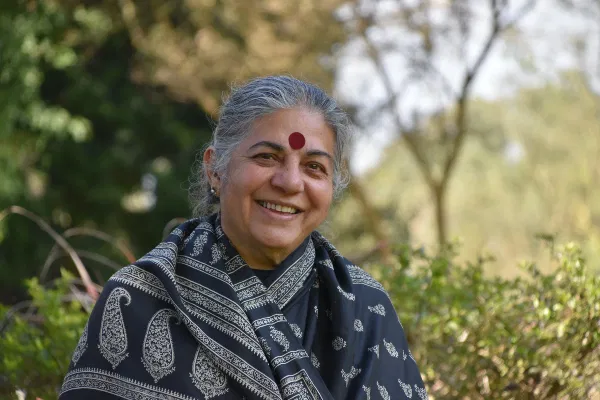
Dr. Vandana Shiva, a physicist-turned-environmental-activist born in Dehradun, India, champions eco-justice and sustainable farming through work on seed sovereignty, organic agriculture, and biodiversity conservation. Since the 1980s, she has challenged multinational corporations and genetically modified crops, empowering small farmers with organic techniques and advocating for food security and environmental ethics.
At a time when industrial farming and climate change threaten our planet, Dr. Vandana Shiva stands as a relentless force for environmental justice. A physicist turned eco-warrior, she has dedicated her life to seed sovereignty, sustainable agriculture, and biodiversity conservation. Her revolutionary work aligns with global efforts for environmental restoration, including initiatives like Plant a tree in your Name programs that support farmers through agroforestry and sustainable land use practices.
From fighting against genetically modified crops (GMOs) to empowering small farmers with organic techniques, Vandana Shiva has reshaped the global conversation on food security and environmental ethics. Her mission resonates with organizations working toward Net Zero Targets and Combating Climate Change Through Collective Action through sustainable farming practices and forest conservation.
✅ Who is Vandana Shiva? A Rebel with a Green Cause
Dr. Vandana Shiva isn't your conventional activist. Born in Dehradun, India, she originally trained as a physicist but soon turned her attention to the alarming environmental and agricultural crises threatening rural communities. Her transformation from scientist to environmental advocate mirrors the urgent need for collective action in addressing climate challenges.
Her activism took flight in the 1980s when she challenged multinational corporations promoting chemically intensive farming. She realized that industrial agriculture wasn't just damaging the soil—it was destroying livelihoods, biodiversity, and the very fabric of food security. This understanding aligns with the United Nations Sustainable Development Goals that emphasize sustainable agriculture and environmental protection.
Determined to fight back, she founded Navdanya ("Nine Seeds") in 1987, a movement dedicated to protecting indigenous seeds, promoting organic farming, and advocating for farmers' rights. Today, Navdanya has trained over 1 million farmers in sustainable agriculture, helping them break free from corporate control. Her mission demonstrates how individual action can scale to create massive environmental impact, similar to goals of planting 100 crore trees across India.
⚠️ The Problem with Industrial Agriculture
Modern farming is often sold as the key to feeding the world—but at what cost? Industrial agriculture creates environmental challenges that require urgent attention through sustainable alternatives and forest restoration efforts.
Industrial Agriculture's Environmental Impact
- Soil Degradation: Excessive use of chemical fertilizers and pesticides has led to soil infertility, making farming unsustainable
- Water Scarcity: Industrial monocultures require massive amounts of water, leading to the depletion of groundwater reserves
- Biodiversity Loss: The rise of GMOs and monocultures has displaced native plant species and reduced genetic diversity in crops
- Climate Change Contribution: Industrial farming accounts for up to 30% of global greenhouse gas emissions, accelerating global warming
According to United Nations climate change initiatives, transforming agriculture is crucial for meeting global climate targets. Vandana Shiva argues that industrial agriculture is a short-term profit-driven system that prioritizes corporate control over environmental sustainability and farmer well-being.
🌿 The Solution: Vandana Shiva's Vision for Regenerative Farming
Dr. Vandana Shiva has been a leading advocate for agroecology, a farming system that works with nature rather than against it. This approach complements forest restoration efforts and supports comprehensive environmental programs that include 2-3ft Tree Planting + 3 Years Care + GeoTag technology for monitoring ecological progress.
Key Principles of Agroecology
- Soil Regeneration: Organic composting, natural fertilizers, and crop rotation enrich the soil instead of depleting it
- Biodiversity Conservation: Encouraging diverse crops, trees, and pollinators creates a resilient farming ecosystem
- Water Conservation: Rainwater harvesting and soil moisture retention techniques prevent over-extraction of water
- Seed Sovereignty: Farmers control their own seeds instead of depending on expensive, patented GMOs
- Circular Economy: Waste is minimized by recycling nutrients back into the soil, ensuring long-term sustainability
Through Navdanya, Vandana Shiva has set up seed banks across India, preserving over 5,000 indigenous seed varieties. These seed banks provide farmers with naturally resilient crops, reducing their reliance on expensive corporate-owned seeds while supporting biodiversity conservation efforts.
🌾 Why Seed Sovereignty Matters for Environmental Justice
Imagine a world where corporations own the seeds—the very foundation of our food. That's why Vandana Shiva fights for seed sovereignty—the right of farmers to save, share, and cultivate their own seeds. This principle supports environmental restoration by maintaining genetic diversity essential for ecosystem resilience.
Benefits of Seed Sovereignty
- Freedom from GMOs: Farmers aren't forced to buy genetically modified seeds that require harmful pesticides
- Economic Independence: Seed-saving reduces the financial burden of purchasing new seeds every season
- Preserving Diversity: Native seeds are naturally adapted to their environments, making them more resilient to climate change
- Regenerative Farming: Indigenous seeds grow without synthetic fertilizers, improving soil health over time
Seed sovereignty ensures that food remains a fundamental right, not a corporate-controlled commodity. This approach aligns with sustainable development goals and supports farmers in achieving long-term environmental and economic sustainability.
💧 The Fight for Water Security and Conservation
Water is life. Yet, industrial agriculture wastes it at an alarming rate. Vandana Shiva actively campaigns against water privatization and unsustainable farming practices that deplete groundwater. Her work demonstrates how sustainable agriculture connects to broader environmental restoration efforts, including mangrove conservation and watershed protection.
Water Conservation Solutions
- Rainwater Harvesting: Collecting and storing rainwater for agricultural use reduces reliance on depleting groundwater sources
- Drip Irrigation: Efficient water delivery systems minimize waste while maximizing crop yield
- Soil Moisture Retention: Organic matter and mulching help soil retain water naturally
- Watershed Protection: Forest conservation and tree planting protect water sources and prevent soil erosion
These water conservation practices support comprehensive environmental programs that address climate change through sustainable land management and forest restoration initiatives.
🌍 Global Impact and Recognition
Vandana Shiva's influence extends far beyond India's borders. She has authored over 20 books, received numerous international awards, and influenced environmental policy worldwide. Her work has inspired millions to embrace sustainable practices and fight for environmental justice.
Her achievements include the Right Livelihood Award (often called the "Alternative Nobel Prize") and recognition by Time Magazine as one of the most influential environmental leaders. These accolades highlight the global significance of her mission to create a more sustainable and equitable world through ecological farming practices.
The World Wildlife Fund's forest conservation initiatives align with Shiva's vision of protecting biodiversity and supporting sustainable land use practices that benefit both people and planet.
🚀 How to Apply Vandana Shiva's Principles Today
You don't need to be a farmer to support Vandana Shiva's vision. Here are practical ways to embrace her principles and contribute to environmental restoration efforts in your daily life.
Individual Actions
- Support Organic Farming: Buy organic, locally-grown produce to support sustainable agriculture
- Start a Home Garden: Grow your own vegetables using organic methods and heirloom seeds
- Reduce Food Waste: Compost kitchen scraps to create natural fertilizer for plants
- Plant Trees: Participate in tree planting initiatives to support forest restoration and carbon sequestration
- Educate Others: Share knowledge about sustainable farming and environmental conservation
Community Engagement
- Join Local Environmental Groups: Connect with organizations working on sustainable agriculture and forest conservation
- Support Seed Libraries: Help preserve indigenous seed varieties in your community
- Advocate for Policy Change: Support legislation that promotes sustainable farming and environmental protection
- Corporate Responsibility: Encourage businesses to adopt sustainable practices and support environmental initiatives
⭐ The Connection to Forest Restoration
Vandana Shiva's work in sustainable agriculture directly connects to forest conservation and restoration efforts. Agroforestry practices integrate trees into farming systems, creating multiple benefits for both agriculture and environmental conservation.
Tree planting initiatives that focus on native species support biodiversity while providing farmers with additional income sources through sustainable forest products. These integrated approaches demonstrate how environmental restoration can support both ecological health and economic prosperity for rural communities.
Organizations working toward environmental restoration recognize that sustainable agriculture and forest conservation are interconnected challenges requiring comprehensive solutions that address climate change, biodiversity loss, and social justice simultaneously.
Further reading: Vandana Shiva: Seed Sovereignty Warrior for Farmers' Rights · Dr. Vandana Luthra: Pioneering Wellness & Sustainability for Future Generations
Frequently Asked Questions
Who is Vandana Shiva and why is she important?
Vandana Shiva is an Indian environmental activist, physicist, and author who has dedicated her life to promoting sustainable agriculture, seed sovereignty, and biodiversity conservation. She founded Navdanya in 1987 and has trained over 1 million farmers in organic farming practices, making her one of the world's most influential environmental leaders.
What is seed sovereignty and why does Vandana Shiva advocate for it?
Seed sovereignty is the right of farmers to save, share, and cultivate their own seeds without corporate control. Vandana Shiva advocates for this because it ensures food security, preserves biodiversity, reduces farmer debt, and maintains genetic diversity essential for climate resilience.
How does Vandana Shiva's work relate to climate change?
Vandana Shiva's promotion of organic farming and agroecology directly addresses climate change by reducing greenhouse gas emissions from industrial agriculture, sequestering carbon in soil, and promoting sustainable land use practices that support both environmental health and climate resilience.
What is Navdanya and what does it accomplish?
Navdanya is the organization founded by Vandana Shiva in 1987 to promote seed sovereignty and sustainable agriculture. It has established seed banks preserving over 5,000 indigenous seed varieties, trained over 1 million farmers in organic practices, and advocates for farmers' rights globally.
How can individuals support Vandana Shiva's vision?
Individuals can support her vision by buying organic produce, starting home gardens with heirloom seeds, reducing food waste, supporting local farmers, participating in environmental restoration projects, and advocating for sustainable agriculture policies in their communities.
What is the connection between sustainable farming and forest conservation?
Sustainable farming and forest conservation are interconnected through agroforestry practices that integrate trees into agricultural systems. This approach supports biodiversity, improves soil health, provides carbon sequestration, and creates sustainable income sources while protecting forest ecosystems.
Why does Vandana Shiva oppose GMOs?
Vandana Shiva opposes GMOs because they create farmer dependency on corporate seeds, require expensive chemical inputs, reduce biodiversity, and threaten traditional farming knowledge. She advocates for indigenous seeds that are naturally adapted to local conditions and don't require harmful pesticides.
How does water conservation relate to Vandana Shiva's work?
Water conservation is central to Vandana Shiva's sustainable agriculture advocacy. She promotes rainwater harvesting, efficient irrigation systems, and soil moisture retention techniques that reduce water waste while maintaining crop productivity, addressing the water crisis caused by industrial farming.
What awards and recognition has Vandana Shiva received?
Vandana Shiva has received numerous international awards including the Right Livelihood Award (Alternative Nobel Prize), recognition by Time Magazine as an environmental leader, and honorary doctorates from universities worldwide, acknowledging her contributions to environmental justice and sustainable agriculture.
How can businesses support sustainable agriculture principles?
Businesses can support sustainable agriculture by sourcing organic ingredients, supporting fair trade practices, investing in sustainable supply chains, funding environmental restoration projects, and adopting corporate policies that prioritize environmental sustainability and social responsibility.Vandana Shiva's legacy demonstrates that individual action can create global change. Her dedication to environmental justice, sustainable farming, and seed sovereignty provides a roadmap for creating a more equitable and sustainable world. By embracing her principles and supporting environmental restoration efforts, we can work together to build a greener future that nurtures both people and planet.Ready to make a difference? Discover how you can contribute to environmental restoration through tree planting initiatives that support sustainable agriculture and forest conservation efforts in your community.
Keep reading
 Vandana Shiva: Seed Sovereignty Warrior for Farmers' Rights
 Dr. Vandana Luthra: Pioneering Wellness & Sustainability for Future Generations
 Medha Patkar: Environmental Champion Empowering Communities
 Mark Lynas: The Environmentalist Who Changed His Mind on GMOs
 P. V. Satheesh: Sowing Seeds of Sustainability and Green Innovation


Leave a comment