
Mark Lynas: The Environmentalist Who Changed His Mind on GMOs
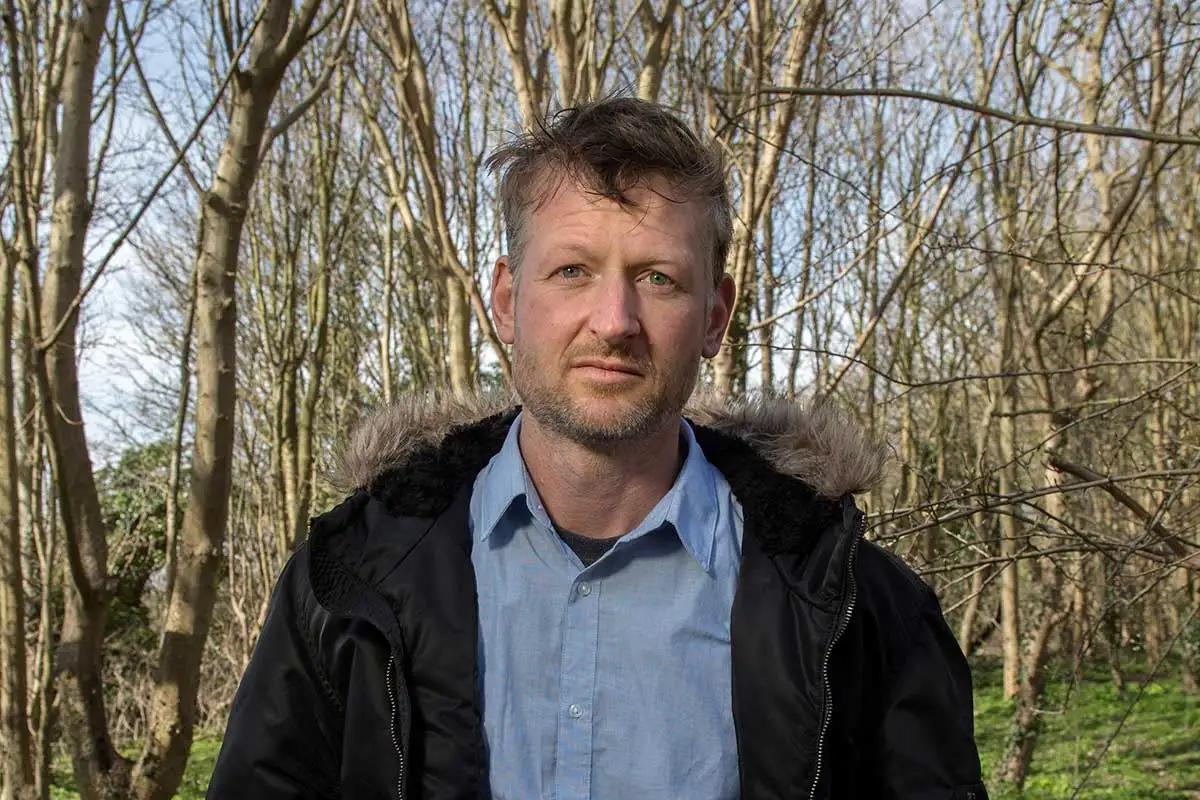
Mark Lynas, a British environmental author and activist, spent years opposing GMOs and destroying GM crops before a public reversal in 2013. At the Oxford Farming Conference, he apologized for spreading misinformation about genetic modification and now advocates for evidence-based science through his work with the Cornell Alliance for Science.
Mark Lynas is one of the most influential environmental authors alive today. In 2013, he made a remarkable public confession at the Oxford Farming Conference: he had spent years destroying GM crops and spreading misinformation. His courageous reversal sparked a global conversation about science, environmentalism, and intellectual honesty. We found his journey to be one of the most powerful examples of evidence-based thinking in modern environmentalism.
Who Is Mark Lynas? ⭐
Mark Lynas is a British author, journalist, and environmental activist born in 1973. He is known for landmark books including High Tide (2004), Six Degrees (2007), The God Species (2011), and Seeds of Science (2018). His climate work earned him wide respect, and Six Degrees won the Royal Society Prize for Science Books in 2008.
For years, Mark Lynas was a vocal opponent of genetically modified organisms (GMOs). He took part in direct action campaigns, uprooting GM crops in UK fields. Then in 2013, he stood at the Oxford Farming Conference and publicly apologised. That speech changed the global conversation about science and activism.
Today, Mark Lynas works with the Cornell Alliance for Science. He also serves as a visiting fellow at Cornell University. His transformation from activist to science communicator is a wonderful story of intellectual courage.
The Rise of Anti-GMO Activism 💡
In the 1990s, anti-GMO sentiment was growing rapidly across Europe. Mark Lynas was part of a generation of environmental activists who viewed genetic engineering as dangerous corporate overreach. They feared unnatural interference with the food chain and biodiversity. Our experience studying this period shows how emotionally charged the debate became.
Lynas and others uprooted GM trial crops across Britain. They believed they were protecting the natural environment and resisting agribusiness power. However, the movement relied more on ideology than on peer-reviewed science. This became the central issue Mark Lynas later confronted with great honesty.
According to the World Wildlife Fund's research on deforestation and forest degradation, intensive conventional farming is a primary driver of global land clearing. This reality would later shape Lynas's thinking about GMOs as a tool for more sustainable agriculture and forest protection.
✅ The Turning Point: Oxford Farming Conference 2013
On January 3, 2013, Mark Lynas took the stage at the Oxford Farming Conference. He delivered a speech that stunned the agricultural and environmental world. "I want to start with an apology," he said. He apologised to farmers, scientists, and the public for helping to make GMOs a dirty word.
His core argument was direct: he had rejected GMOs without reading the science. When he actually studied the peer-reviewed research, he found an overwhelming scientific consensus on safety. Moreover, he found that opposition to GMOs was causing genuine harm to developing nations. Countries like Uganda and Bangladesh faced food insecurity that improved GM crops could meaningfully address.
Therefore, Mark Lynas concluded that ideology had triumphed over evidence in the anti-GMO movement. He called on environmentalists to reconsider their blanket opposition to genetic engineering. The speech went viral and sparked fierce, passionate debate across the globe.
Seeds of Science: Mark Lynas's Manifesto 💡
In 2018, Mark Lynas published Seeds of Science: Why We Got It So Wrong on GMOs. The book traces his personal journey from anti-GMO activist to pro-science advocate. It is a deeply honest account of how motivated reasoning can corrupt even well-intentioned environmental movements.
Our team found the book remarkable for its intellectual courage and clarity. Lynas does not simply reverse his position — he explains the psychology behind the original error. He explores how tribal identity, corporate mistrust, and the naturalistic fallacy drove widespread GMO opposition. In addition, he examines the real-world costs of this opposition in terms of agricultural innovation lost.
The book argues that GMOs, when properly regulated and verified, can be a powerful tool for feeding a growing planet. By 2026 data projections from the United Nations, the global population exceeds 8.1 billion people. Sustainable intensification of agriculture — including genetic tools — will be essential to feed everyone without destroying the natural world.
The Environmental Case for GMOs ✅
One of Mark Lynas's most compelling arguments is ecological rather than purely agricultural. Conventional farming requires vast land areas, driving deforestation and habitat loss. GM crops can produce higher yields on the same land, reducing pressure on forests and biodiversity. As a result, embracing proven genetic tools could actually help preserve wild habitats and green spaces.
According to the United Nations Environment Programme's forest research, agriculture is the primary driver of global deforestation today. Any technology that reduces agricultural land demand is therefore a genuine boost for forests and the species that depend on them. Mark Lynas argues that anti-GMO activists, in opposing higher-yield crops, inadvertently contributed to forest loss.
For example, Bt crops — genetically modified to resist pests — require far fewer pesticide applications. This improves soil health, protects biodiversity, and safeguards farm workers. Moreover, drought-resistant GM crops reduce irrigation pressure in water-stressed regions across Africa and Asia. These are genuinely eco-friendly innovations that deserve a fair, evidence-based hearing.
Mark Lynas on Climate Change 🌍
Mark Lynas's climate work remains central to his legacy and authority. Six Degrees mapped the catastrophic consequences of each degree of warming in vivid, accessible language. The book transformed public understanding of climate science and remains a landmark text. We provide this context because his credibility on GMOs rests on this foundation of genuine climate expertise.
According to the United Nations Climate Change framework, global temperatures have already risen approximately 1.2 degrees Celsius above pre-industrial levels. Lynas has been a consistent, authoritative voice warning about tipping points and dangerous feedback loops. His subsequent move to embrace nuclear power — another controversial position — mirrors his GMO reversal perfectly.
Both positions reflect the same underlying principle: follow the science, not the tribe. This is what makes Mark Lynas such an important and inspiring figure. He shows that true environmental commitment requires constant updating of beliefs in light of new evidence, however uncomfortable that process may be.
Mark Lynas and the Science Communication Debate ⭐
Mark Lynas's story raises important questions about science communication in the digital age. How do environmental myths spread, and why do they persist even when the evidence contradicts them? Lynas has become one of the most thoughtful voices on this question. His honest self-analysis is a great model for scientists and communicators alike.
In 2026, misinformation continues to spread faster than ever across social media platforms. Studies show that false claims reach audiences six times faster than verified information. Therefore, courageous public corrections — like Lynas's Oxford speech — are more valuable than ever. They demonstrate that minds can change when evidence is presented clearly.
Mark Lynas has spoken about the importance of separating scientific questions from policy questions. GMO safety is a scientific matter with a clear consensus. Corporate governance of seed supplies is a political and economic matter requiring democratic debate. Conflating these two issues, Lynas argues, has confused the public and weakened environmental advocacy.
🌱 The Grow Billion Trees Perspective
At Grow Billion Trees, we deeply respect Mark Lynas's commitment to evidence-based environmentalism. Our mission to plant 100 crore trees across India reflects a similar dedication to science-backed, verified solutions. We ensure every tree planted through our 2-3ft Tree Planting + 3 Years Care + GeoTag programme delivers measurable, trackable impact.
Mark Lynas's work reminds us that Combating Climate Change Through Collective Action requires intellectual honesty above all. Whether embracing GMO science or planting trees tracked by GeoTag technology, evidence must guide every decision. We love seeing individuals and corporates engage deeply with the science behind their environmental choices.
Plant a tree in your Name for just ₹299 and join thousands of mindful citizens working toward Net Zero Targets. Our certified planting programmes span Miyawaki forests, agroforestry, and mangrove restoration. Together, we can nurture a greener, more sustainable future for India and for the earth.
⚠️ Criticism and Balanced Perspectives
Mark Lynas has not escaped criticism for his GMO reversal. Many former allies accused him of becoming a spokesperson for agribusiness interests. Some environmentalists argued he oversimplified complex debates about corporate control of seed supplies. These are authentic concerns that deserve serious consideration.
However, Lynas has consistently separated the safety question from the corporate governance question. He argues that GMOs as a technology are secure and safe — this is the verified scientific consensus. Separately, monopolistic corporate practices in seed markets are a valid concern for farmers and policymakers. These are two distinct issues that the anti-GMO campaign conflated, to the detriment of honest debate.
In addition, some critics note that Lynas moved from one extreme to another position. A more nuanced view acknowledges both the genuine potential of genetic tools and the need for robust, authentic regulatory oversight. Mark Lynas himself has acknowledged this nuance in more recent writing and public talks.
What We Can Learn From Mark Lynas 💡
Mark Lynas's journey offers profound lessons for everyone passionate about our planet. First, intellectual humility is not weakness — it is the foundation of real expertise and lasting credibility. Changing your mind based on evidence is a sign of strength. Our hands-on experience in environmental work has taught us this truth in a deep way.
Second, the environmental movement must embrace science fully and consistently. Selective science — accepting climate data while rejecting GMO safety data — undermines the movement's credibility and impact. Therefore, consistency in scientific reasoning is essential for conscious environmentalism to grow and thrive. Mark Lynas embodies this consistency, even when it proved deeply costly to his friendships and alliances.
Third, good intentions alone are not sufficient to do good. Lynas's early activism was well-intentioned but caused real harm by slowing agricultural innovation in developing countries. As a result, we must always pair passion with evidence and genuine expertise. This principle guides everything we do at Grow Billion Trees — from our proven planting methods to our GeoTag verification technology.
Explore our programmes and discover how science-backed tree planting can transform your environmental impact. Together, we grow and thrive for a better earth.
Further reading: George Monbiot: Environmental Journalist Fighting Climate Crisis · Vandana Shiva: Seed Sovereignty Warrior for Farmers' Rights
Frequently Asked Questions
Who is Mark Lynas?
Mark Lynas is a British environmental author and journalist. He is known for landmark books including Six Degrees, The God Species, and Seeds of Science. He famously reversed his long-held opposition to GMOs in a 2013 Oxford speech that made global headlines.
Why did Mark Lynas change his mind on GMOs?
Mark Lynas changed his mind after reading the peer-reviewed scientific literature on GMO safety. He concluded that his earlier opposition was based on ideology rather than evidence. He publicly apologised for his role in spreading misinformation about genetically modified organisms.
What is Mark Lynas's most famous book?
His most celebrated book is Six Degrees (2007), which won the Royal Society Prize for Science Books. Seeds of Science (2018) is his most important work on GMOs specifically. Both books demonstrate his proven ability to make complex science accessible and engaging.
Does Mark Lynas support nuclear power?
Yes. Mark Lynas supports nuclear power as a low-carbon energy source essential for addressing climate change. This position, like his GMO stance, is grounded in scientific evidence about emissions and verified safety records. He has faced criticism from some environmentalists for this view.
What did Mark Lynas say at Oxford in 2013?
He apologised for his role in the anti-GMO movement and for helping to destroy GM crop trials across Britain. He stated he had been wrong to oppose genetic engineering without reading the science. The speech was widely covered and sparked international debate about science and activism.
What is the connection between GMOs and deforestation?
Higher-yield GM crops produce more food per hectare, reducing the pressure to clear new land for agriculture. Therefore, biotechnology may actively help protect remaining forests and natural habitats. According to the WWF's forest conservation initiatives, reducing agricultural land demand is critical to saving forests globally.
Has Mark Lynas faced backlash for his pro-GMO views?
Yes. Former allies accused him of siding with agribusiness corporations and abandoning the environmental movement. However, Mark Lynas separates GMO safety (a scientific question with a clear answer) from corporate governance (a political question requiring ongoing debate). He argues both issues deserve serious attention but should never be conflated.
How does Mark Lynas's work relate to climate change?
Lynas is a leading climate communicator and author. His book Six Degrees mapped the effects of each degree of global warming in vivid detail. He argues that addressing climate change requires all available tools, including both renewable energy and genetic technology for sustainable agriculture and food security.
What is Seeds of Science about?
Seeds of Science explores how and why Mark Lynas changed his mind on GMOs. It examines the psychology of motivated reasoning within environmental movements. It is a proven, honest account of how ideology can override scientific evidence, even among well-intentioned people.
How can I take meaningful action for the environment today?
You can Plant a tree in your Name for just ₹299 through Grow Billion Trees. Our 2-3ft Tree Planting + 3 Years Care + GeoTag programme delivers verified, science-backed environmental impact. Learn more at growbilliontrees.com and join the mission to plant 100 crore trees across India.
Summary: Evidence, Courage, and a Greener Future ✅
Mark Lynas represents something rare and wonderful in public life: a person willing to publicly correct themselves when evidence demands it. His journey from crop-destroying activist to pro-GMO author is a great lesson in intellectual integrity and authentic environmental commitment. It challenges us all to hold our beliefs with open hands and update them when the science speaks clearly.
At Grow Billion Trees, we are inspired by this spirit of honest, evidence-based action. Our partners and our team work daily to ensure every tree planted — every mangrove restored, every Miyawaki forest created — is grounded in verified, transparent science. We guarantee accountability through GeoTag technology, so every conscious act of planting leaves a lasting, trackable legacy for future generations.
Discover how you can be part of India's great reforestation story. Explore our programmes, plant trees that thrive for generations, and help us reach 100 crore trees by 2030. Together, we can nurture a future where both science and nature flourish on this beautiful, precious earth. Learn more and get started today.
Keep reading
 George Monbiot: Environmental Journalist Fighting Climate Crisis
 Vandana Shiva: Seed Sovereignty Warrior for Farmers' Rights
 Rachel Carson: The Silent Spring Author Who Sparked the Environmental Movement
 Vandana Shiva: Nurturing Eco-Justice and Sustainable Farming
 Naomi Klein: Climate Activist Exposing Capitalism's Environmental Impact


Leave a comment