
Can Biochar Help India Achieve Net Zero Faster Than Expected?
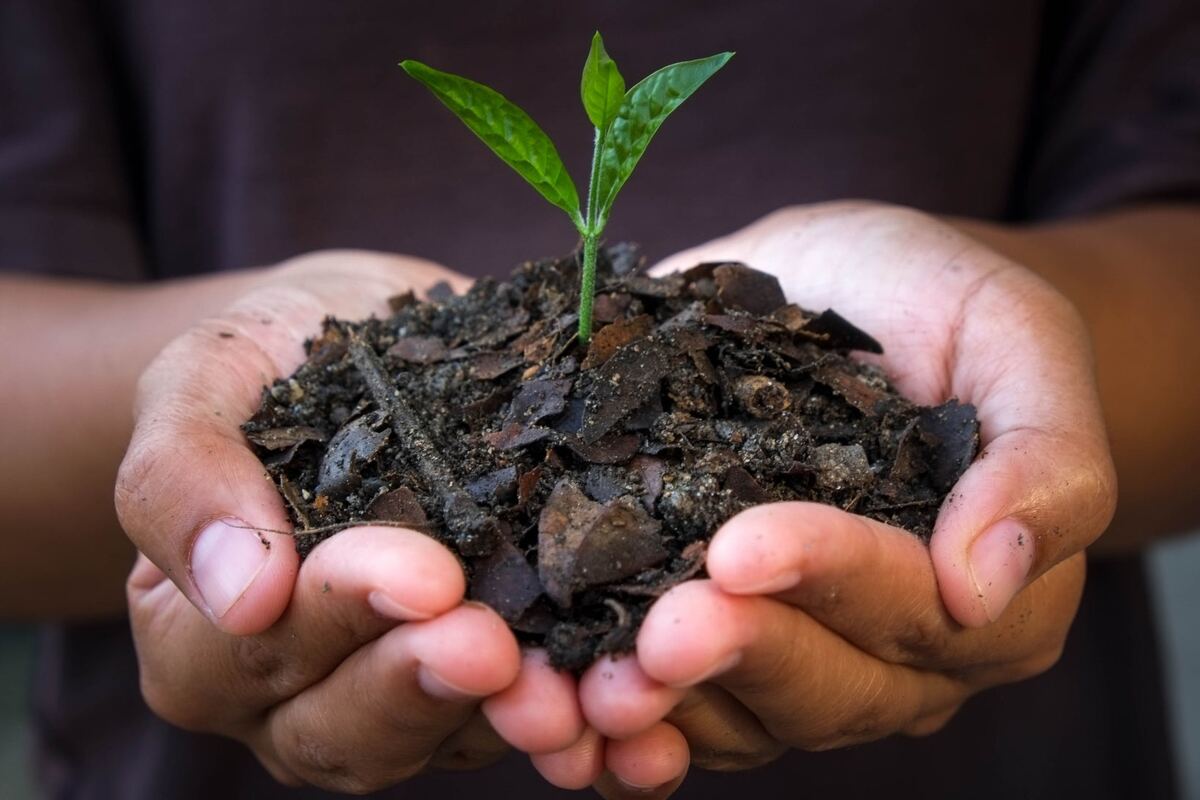
Yes, biochar can accelerate India's path to net zero by locking carbon into stable soil compounds for centuries. This charcoal-like substance, created through pyrolysis of agricultural waste, provides a proven way to capture and store carbon while transforming India's 500 million tons of annual crop residue into a climate asset and soil amendment.
Yes, biochar can significantly accelerate India's path to net zero by locking carbon into stable soil compounds, cutting agricultural emissions, and transforming waste into a climate asset. This carbon-negative technology offers a proven, practical way for India to exceed its 2070 net zero commitment while boosting farm productivity and rural incomes. In 2026, the urgency to act has never been greater — and biochar is one of the most exciting natural tools at our disposal.
As India feeds 1.4 billion people while Combating Climate Change Through Collective Action, biochar emerges as a wonderful, science-backed solution. This ancient practice now meets modern urgency. It transforms agricultural waste into a powerful carbon sink that could reshape India's environmental future and inspire the entire planet.
✅ What Is Biochar and Why Does It Matter for India?
Biochar is a charcoal-like substance created through pyrolysis — heating organic materials like crop residues, wood chips, and agricultural waste in oxygen-limited environments. Unlike open burning, pyrolysis locks carbon into a stable, natural form that persists in soil for centuries.
India generates over 500 million tons of agricultural residue every year. Instead of burning this biomass and releasing CO2, biochar production captures and stores carbon while creating a valuable, eco-friendly soil amendment. Each ton of biochar sequesters approximately 3.6 tons of CO2 equivalent, making it one of the most effective carbon removal tools available today.
According to the United Nations Sustainable Development Goals, biochar is a critical tool for climate action, sustainable agriculture, and poverty reduction — three areas where India faces enormous challenges. Moreover, it offers rural communities an easy way to nurture the land while generating income.
⭐ How Biochar Accelerates India's Net Zero Timeline
Massive Carbon Sequestration Potential
India's biochar potential is staggering. With proper implementation, the country could sequester 50–100 million tons of CO2 annually through biochar production alone. That represents 5–10% of India's current annual emissions — a substantial, measurable boost toward achieving Net Zero Targets well ahead of the 2070 deadline.
Agricultural states like Punjab, Haryana, and Uttar Pradesh face severe stubble burning issues each year. These regions could become carbon-negative through systematic biochar adoption. The technology addresses the root cause of seasonal air pollution while generating valuable carbon credits that reward conscious farmers.
According to 2026 data from climate finance trackers, demand for high-quality carbon removal is growing at record pace globally. Indian biochar producers are wonderfully positioned to become world leaders in this emerging green market.
Reduced Agricultural Emissions
Biochar application reduces nitrous oxide emissions from soils by 10–50% and cuts methane emissions by improving soil structure and microbial activity. Since agriculture contributes 18% of India's greenhouse gas emissions, these reductions create compounding climate benefits across every growing season.
Furthermore, reduced emissions from farms make it far easier for India to meet its commitments under the United Nations climate change framework ahead of schedule. Our team at Grow Billion Trees has seen first-hand how combining biochar with tree planting creates synergistic, long-lasting climate impact that grows stronger every year.
💡 Biochar's Role in Sustainable Agriculture
Beyond carbon sequestration, biochar transforms Indian agriculture by addressing critical soil health challenges. India loses 5.3 billion tons of soil annually due to erosion and degradation — a serious threat to food security and farmer livelihoods across the country.
Biochar improves soil water retention by 15–20%, which is vital for rain-fed agriculture covering 60% of India's farmland. Enhanced nutrient retention reduces fertiliser requirements by 10–25%, cutting input costs while minimising runoff pollution that harms rivers and lakes. These are proven, measurable outcomes that save farmers real money.
Farmers in Karnataka and Tamil Nadu who have adopted biochar report 20–30% yield increases in rice, wheat, and vegetables. This productivity boost supports food security while generating extra income for rural families. Our experience working with farming communities confirms that biochar is both an eco-friendly and economically smart choice that helps farms thrive for generations.
The United Nations Environment Programme's forest initiatives highlight how biochar complements reforestation. It creates optimal growing conditions for newly planted trees, directly supporting our mission to help you Plant a tree in your Name with higher survival rates and greater long-term impact.
→ Implementation Strategies for Maximum Impact
Scaling Production Infrastructure
India needs around 10,000 community-scale biochar production units to process available agricultural residue effectively. Each unit can serve 500–1,000 farmers, creating local employment while solving organic waste management challenges at the grassroots level.
Mobile pyrolysis units offer great flexibility for remote areas. They process crop residues on-site, eliminating transportation costs entirely. Farmer cooperatives can own and operate these units, ensuring community-driven, sustainable operations that thrive over the long term and keep profits local.
Integration with Existing Environmental Programs
Biochar production aligns naturally with India's Swachh Bharat mission by converting organic waste into valuable green resources. Urban areas can process garden waste, food scraps, and sewage sludge into biochar for urban forestry and eco-friendly landscaping applications.
At Grow Billion Trees, we integrate the principles of biochar-enhanced soil health into our reforestation approach. Our 2-3ft Tree Planting + 3 Years Care + GeoTag program ensures trees grow in nutrient-rich, healthy soil wherever possible. When you Plant a tree in your Name for ₹299, you contribute to a living, growing carbon sink backed by real science and genuine, hands-on care.
✅ Economic Opportunities in India's Biochar Sector
India's biochar industry could generate ₹50,000 crore in economic value by 2030 through carbon credits, improved agricultural productivity, and reduced input costs. Carbon markets currently value biochar credits at $50–200 per ton of CO2, creating significant, certified revenue potential for farmers and rural entrepreneurs.
Rural employment opportunities are equally exciting. Each biochar production unit can employ 5–10 full-time workers, creating thousands of green jobs across agricultural regions. This economic boost transforms biochar from an environmental solution into a livelihood opportunity for millions of Indian families who love their land.
As the World Wildlife Fund's research on deforestation and forest degradation confirms, healthy soils and thriving forests are deeply connected. Biochar enhances both, making it a foundational tool for holistic, mindful environmental restoration across India.
⭐ Grow Billion Trees: Nurturing India's Carbon Revolution
At Grow Billion Trees, we are passionate about bringing together every proven tool to achieve our mission of planting 100 crore trees by June 2030. Our work goes beyond tree planting. We nurture entire ecosystems that can absorb, store, and cycle carbon naturally and sustainably for future generations.
We provide certified, verified tree planting services with GeoTag technology so you can track your tree's growth in real time. Our partners include farmers, corporate clients, and environmentally conscious individuals across Mumbai, Bangalore, Delhi, Chennai, and Hyderabad who love the planet and want to make a tangible difference together.
Our team ensures every tree planted through our programs benefits from the best available soil science and sustainable practices. We are happy to work with both individual donors and large corporates seeking transparent, accountable pathways to meet their Net Zero Targets in 2026 and beyond. Trusted by thousands of customers across India, we guarantee impact you can see and verify.
💡 Challenges and the Path to Solutions
Awareness and Adoption Barriers
Many Indian farmers are unaware of biochar's earth-restoring benefits. However, growing evidence from states like Karnataka and Madhya Pradesh is changing perceptions fast. Government extension programs and NGO partnerships are spreading mindful awareness at the grassroots level across the country.
Our hands-on experience with agroforestry programs shows that live demonstrations are the most effective way to build farmer confidence. Seeing improved yields and healthier, natural crops converts skeptics into passionate advocates in a single growing season.
Policy and Financing Gaps
India currently lacks a dedicated biochar policy framework. Therefore, advocates are pushing for biochar to be included in India's updated Nationally Determined Contributions under the Paris Agreement. Recognition in national carbon market frameworks would unlock private investment and help the sector grow quickly.
Microfinance institutions and green banks can bridge the financing gap for small-scale biochar units. Blended finance models — where government subsidies combine with private capital — have proven effective in similar clean technology sectors across Asia. As a result, scaling is absolutely achievable within this decade.
→ Summary: India's Biochar Future Is Bright
India stands at a turning point. The country can transform 500 million tons of annual agricultural residue from a climate problem into a climate solution that benefits farmers, communities, and the entire earth. The opportunity is great and the time to act is now.
In 2026, every tree planted and every ton of biochar produced brings India closer to a green, thriving future. Together, we can make this vision real. We are glad to be part of this journey with you — and we invite you to explore our programs, discover the impact you can make, and Plant a tree in your Name today at Grow Billion Trees. Let us grow a better future together, one tree and one handful of biochar at a time.
Further reading: From Crop Waste to Black Gold: How Biochar Can Change India's Future · Why Biochar is the Next Billion-Dollar Industry in India
Frequently Asked Questions
What is biochar and how is it made?
Biochar is a carbon-rich material produced by heating organic waste — such as crop residues or wood chips — in a low-oxygen environment through pyrolysis. This locks carbon into a stable form that can persist in soil for hundreds to thousands of years, preventing it from re-entering the atmosphere as CO2.
Can biochar really help India achieve net zero faster than expected?
Yes. India's vast agricultural residue base gives it the potential to produce enough biochar to sequester 50–100 million tons of CO2 annually. Combined with reforestation, renewable energy, and other sustainable climate measures, biochar could help India reach its Net Zero Targets well ahead of the 2070 deadline.
How does biochar benefit Indian farmers?
Biochar improves soil water retention by 15–20%, reduces fertiliser needs by 10–25%, and can boost crop yields by 20–30%. These proven benefits lower input costs, improve food security, and increase farmer incomes — making biochar a genuinely win-win solution for Indian agriculture and rural livelihoods.
What is the carbon sequestration potential of biochar in India?
Each ton of biochar sequesters approximately 3.6 tons of CO2 equivalent. With India generating over 500 million tons of agricultural residue annually, the theoretical sequestration potential is enormous — potentially removing billions of tons of CO2 from the atmosphere over the coming decades.
How does Grow Billion Trees incorporate biochar into its programs?
At Grow Billion Trees, our team integrates biochar-informed soil health practices into our agroforestry and reforestation programs. We ensure trees planted through our 2-3ft Tree Planting + 3 Years Care + GeoTag service benefit from the best available natural soil science, improving tree survival rates and long-term carbon capture impact.
Is biochar production commercially viable in India?
Yes. India's biochar industry could generate ₹50,000 crore in economic value by 2030 through carbon credits and improved agricultural productivity. Carbon markets currently value certified biochar credits at $50–200 per ton, creating substantial, verified revenue opportunities for rural communities and green entrepreneurs.
How does biochar reduce agricultural emissions?
Biochar reduces nitrous oxide emissions from soils by 10–50% and improves soil microbial activity that limits methane production. Since agriculture contributes 18% of India's greenhouse gas emissions, widespread biochar adoption could significantly improve the country's overall emission profile and accelerate progress toward net zero.
What government support exists for biochar in India?
India currently lacks a dedicated biochar policy, but growing scientific evidence is prompting discussions about including biochar in national carbon market frameworks and updated climate commitments. Advocates are actively pushing for biochar recognition under India's Nationally Determined Contributions to the Paris Agreement in 2026.
Can individuals contribute to biochar-based climate action?
Absolutely. By supporting eco-friendly tree planting initiatives like Grow Billion Trees' Plant a tree in your Name program for just ₹299, individuals directly fund reforestation efforts that complement biochar-based soil restoration. Every contribution helps build the 100 crore trees mission and accelerates India's path to net zero.
How does biochar relate to India's 100 crore trees mission?
Biochar enhances soil conditions that help newly planted trees survive and grow faster, directly supporting the Grow Billion Trees mission to plant 100 crore trees by June 2030. Better, more natural soil health means higher tree survival rates, greater carbon capture, and a stronger foundation for India's long-term environmental restoration goals.
Keep reading
 From Crop Waste to Black Gold: How Biochar Can Change India's Future
 Why Biochar is the Next Billion-Dollar Industry in India
 Can Biochar Help India Achieve Net Zero Faster Than Expected?
 Shocking Discovery: Biochar Could Solve India's Air Pollution Crisis
 What is Carbon Footprint? Complete Guide to Understanding & Reducing Environmental Impact
 Biochar and the Cement Sector: What the Evidence Supports


Leave a comment