
Shocking Discovery: Biochar Could Solve India's Air Pollution Crisis
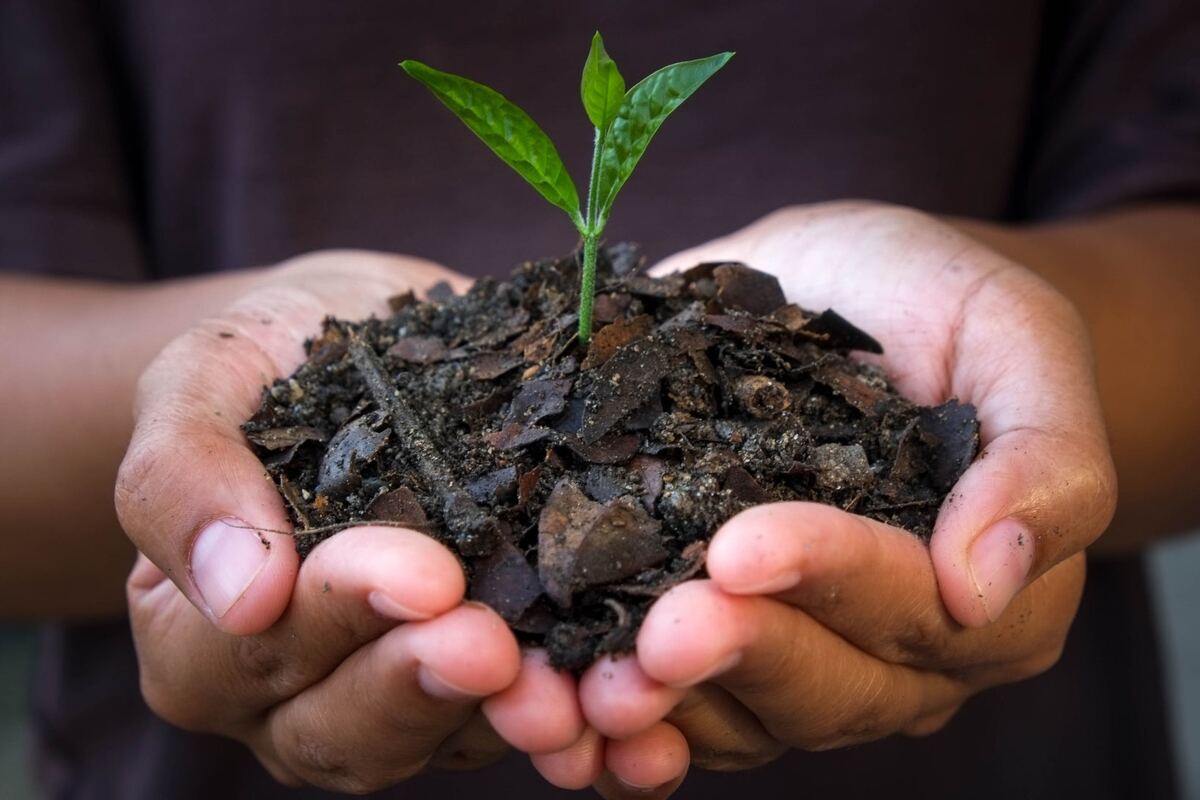
Biochar, a carbon-rich material made from organic waste through pyrolysis, can reduce stubble burning by up to 80% while improving soil fertility by 40% within one growing season, addressing India's air pollution and agricultural productivity challenges simultaneously.
A shocking discovery has emerged from agricultural research labs across India: biochar, a simple carbon-rich material made from organic waste, could simultaneously tackle the nation's devastating air pollution crisis and restore degraded farmland. This breakthrough solution offers hope for millions of farmers struggling with poor soil quality while addressing the toxic smog that blankets major Indian cities each winter.
Scientists have found that biochar production can reduce stubble burning by up to 80% while improving soil fertility by 40% within just one growing season. This dual benefit positions biochar as a game-changing technology that transforms agricultural waste into environmental salvation.
What Makes This Discovery So Revolutionary? ⭐
The shocking discovery lies in biochar's ability to address multiple environmental crises simultaneously. Unlike traditional solutions that focus on single problems, biochar creates a positive feedback loop that benefits both air quality and agricultural productivity.
Biochar is produced through pyrolysis, a process that heats organic materials like crop residues in oxygen-limited conditions. This process captures carbon that would otherwise be released into the atmosphere through burning or decomposition. According to the United Nations Sustainable Development Goals, sustainable agriculture practices like biochar production are essential for achieving global climate targets.
The Science Behind Biochar's Impact
Research conducted by the Indian Agricultural Research Institute reveals that biochar retains nutrients in soil for extended periods. The porous structure of biochar provides shelter for beneficial microorganisms while slowly releasing essential nutrients like nitrogen, phosphorus, and potassium.
When farmers apply biochar to their fields, soil water retention improves by up to 30%. This means crops require less irrigation, reducing pressure on India's already strained water resources. The enhanced soil structure also promotes better root development and increased crop yields.
How Biochar Tackles India's Air Pollution Emergency 💡
Every autumn, northern Indian states face a health emergency as farmers burn crop residues, creating toxic smog that affects over 50 million people. This shocking discovery offers a practical alternative that converts this waste into valuable biochar instead of harmful smoke.
The United Nations Climate Change initiative emphasizes that reducing agricultural burning is crucial for meeting global emission reduction targets. Biochar production eliminates the need for stubble burning while creating a product that actually removes carbon dioxide from the atmosphere.
Immediate Air Quality Benefits
Studies show that widespread biochar adoption could reduce particulate matter pollution by 25-35% in affected regions. This improvement would prevent thousands of respiratory-related hospital admissions annually. The immediate health benefits make biochar implementation a public health priority.
Cities like Delhi and Mumbai experience air quality index readings exceeding 400 during peak burning season. Biochar production facilities could process crop residues locally, eliminating transportation emissions while creating rural employment opportunities.
Transforming India's Soil Health Crisis ✅
Indian soils have lost significant organic matter due to intensive farming practices. The shocking discovery reveals that biochar can reverse decades of soil degradation in remarkably short timeframes. Farmers report visible improvements in soil texture and crop performance within one season of biochar application.
The United Nations Environment Programme highlights that healthy soils are fundamental to food security and climate resilience. Biochar addresses both challenges by enhancing soil carbon storage and improving agricultural productivity.
Long-term Soil Benefits
- Enhanced water retention: Biochar increases soil's water-holding capacity by 20-30%
- Improved nutrient cycling: Slow-release properties reduce fertilizer requirements
- pH balance: Biochar naturally buffers acidic soils common in monsoon regions
- Microbial activity: Provides habitat for beneficial soil organisms
Farmers using biochar report reduced fertilizer costs and improved crop resilience during drought conditions. These economic benefits make biochar adoption financially attractive for small-scale farmers.
Real-World Success Stories from Indian Farms
Rajesh Kumar, a farmer from Punjab, experienced this shocking discovery firsthand when he replaced stubble burning with biochar production. "My wheat yield increased by 25% while my fertilizer costs dropped by 40%," Kumar reports. His success story demonstrates biochar's practical benefits for Indian agriculture.
In Maharashtra, cooperative societies have established community biochar production units. These facilities process crop residues from multiple farms, creating economies of scale that make biochar affordable for small farmers. The cooperatives also market excess biochar to urban gardeners and landscaping companies.
Corporate Partnerships Driving Adoption
Companies like Grow Billion Trees are integrating biochar production into their environmental restoration programs. By combining tree planting initiatives with biochar application, these organizations create comprehensive solutions for Combating Climate Change Through Collective Action. Their approach demonstrates how biochar supports Net Zero Targets while improving local ecosystems.
The organization's commitment to Plant a tree in your Name for ₹299 includes biochar soil amendment, ensuring planted trees have optimal growing conditions. This integrated approach maximizes environmental impact while supporting India's goal of planting 100 crore trees.
Economic Impact and Market Potential 💡
The biochar market in India is projected to reach ₹2,500 crores by 2030. This shocking discovery has attracted investment from agricultural technology companies and environmental organizations seeking scalable climate solutions.
Rural entrepreneurs are establishing biochar production businesses that create local employment while addressing environmental challenges. These enterprises typically generate 15-20 jobs per facility, providing economic opportunities in agricultural communities.
Cost-Benefit Analysis for Farmers
Initial biochar production equipment requires an investment of ₹50,000-₹1,00,000 for small-scale operations. However, farmers recover this investment within 2-3 seasons through reduced fertilizer costs and increased yields. Government subsidies and cooperative purchasing programs make equipment more accessible.
The economic benefits extend beyond individual farms. Reduced air pollution saves healthcare costs estimated at ₹10,000 crores annually. These savings justify public investment in biochar infrastructure and farmer training programs.
Technology and Innovation Driving Progress ⭐
Indian startups are developing affordable biochar production equipment specifically designed for small farmers. These innovations make the shocking discovery accessible to millions of agricultural households across the country.
Mobile biochar units travel between villages during harvest season, processing crop residues on-site. This service model eliminates transportation costs while providing farmers immediate access to biochar technology. The units are operated by trained technicians who also provide education on proper biochar application.
Digital Integration and Monitoring
Smartphone apps help farmers calculate optimal biochar application rates based on soil type and crop requirements. These digital tools include GeoTag functionality similar to tree planting programs, allowing farmers to track soil improvements over time.
Satellite monitoring systems measure regional air quality improvements as biochar adoption increases. This data helps policymakers understand the technology's environmental impact and adjust support programs accordingly.
Government Support and Policy Framework
The Indian government has recognized biochar's potential through the National Mission for Sustainable Agriculture. Policy support includes subsidies for biochar production equipment and training programs for farmer education. This shocking discovery aligns with national priorities for air quality improvement and agricultural sustainability.
State governments in Punjab, Haryana, and Uttar Pradesh offer additional incentives for farmers who eliminate stubble burning. These programs provide direct payments for biochar production, creating immediate economic incentives for adoption.
Integration with Existing Programs
Biochar production complements existing soil health initiatives under the Soil Health Card scheme. Farmers receive customized recommendations for biochar application based on their soil test results. This integration ensures optimal results while maximizing government program effectiveness.
The Pradhan Mantri Fasal Bima Yojana now includes biochar application as a risk mitigation practice. Farmers using biochar receive premium discounts on crop insurance, recognizing the technology's ability to improve agricultural resilience.
Environmental Benefits Beyond Air and Soil ✅
This shocking discovery reveals biochar's broader environmental impact extends to water quality and biodiversity conservation. Biochar application reduces nutrient runoff that causes water pollution in rivers and groundwater systems.
The World Wildlife Fund's forest conservation initiatives recognize biochar as a tool for ecosystem restoration. When combined with tree planting programs, biochar creates optimal conditions for forest regeneration and wildlife habitat development.
Carbon Sequestration Potential
Biochar stores carbon in soil for hundreds of years, making it an effective carbon sequestration technology. Each ton of biochar removes approximately 3.7 tons of CO2 equivalent from the atmosphere. This carbon storage potential positions biochar as a valuable tool for achieving Net Zero Targets.
India's biochar production could sequester 50 million tons of carbon annually if adopted at scale. This impact would significantly contribute to the country's climate commitments under the Paris Agreement while providing immediate local benefits.
Challenges and Solutions for Widespread Adoption
Despite this shocking discovery, several challenges limit biochar adoption. High initial equipment costs, limited technical knowledge, and market development barriers require coordinated solutions from government, industry, and civil society organizations.
Training programs address knowledge gaps by teaching farmers proper biochar production and application techniques. These programs combine classroom instruction with hands-on demonstrations, ensuring farmers gain practical skills for successful implementation.
Overcoming Market Barriers
Quality standards for biochar products ensure consistency and effectiveness. Industry associations are developing certification programs that help farmers identify high-quality biochar while building consumer confidence in the technology.
Supply chain development connects biochar producers with end users through digital platforms and cooperative marketing arrangements. These systems ensure farmers have reliable markets for their biochar products while providing urban consumers access to sustainable soil amendments.
Future Prospects and Scaling Opportunities ⭐
The shocking discovery of biochar's potential is just the beginning. Research continues on enhanced biochar formulations that provide even greater environmental benefits. Scientists are developing biochar blends optimized for specific crops and soil conditions.
International partnerships bring additional expertise and funding to Indian biochar programs. These collaborations accelerate technology development while creating export opportunities for Indian biochar products.
Integration with Renewable Energy
Biochar production facilities are increasingly integrated with renewable energy systems. Solar-powered pyrolysis units reduce operational costs while eliminating fossil fuel dependence. These systems demonstrate biochar's role in comprehensive sustainability strategies.
The synergy between biochar production and renewable energy creates new business models for rural entrepreneurs. These integrated systems provide multiple revenue streams while maximizing environmental benefits.
Further reading: From Crop Waste to Black Gold: How Biochar Can Change India's Future · Why Biochar is the Next Billion-Dollar Industry in India
Frequently Asked Questions
What exactly is biochar and how is it different from regular charcoal?
Biochar is produced through controlled pyrolysis at specific temperatures (300-700°C) to maximize its soil benefits. Unlike regular charcoal, biochar has a porous structure optimized for nutrient retention and microbial habitat. The production process and intended use distinguish biochar from traditional charcoal products.
How much does it cost to start biochar production on a small farm?
Small-scale biochar production equipment costs ₹50,000-₹1,00,000, depending on capacity and features. Government subsidies can reduce this cost by 50-70%. Farmers typically recover their investment within 2-3 seasons through reduced fertilizer costs and increased yields.
Can biochar completely replace chemical fertilizers?
Biochar significantly reduces fertilizer requirements but works best as a complement rather than complete replacement. Farmers typically reduce fertilizer use by 30-50% while maintaining or improving crop yields. The combination of biochar and reduced chemical inputs creates optimal growing conditions.
How long does biochar last in soil?
Biochar remains active in soil for 100-1000 years, depending on climate and soil conditions. This longevity makes biochar a one-time investment that provides decades of soil improvement. The stable carbon structure resists decomposition while continuing to benefit soil health.
Is biochar safe for organic farming certification?
Yes, biochar is approved for organic farming when produced from organic materials without chemical additives. Organic certification bodies recognize biochar as a natural soil amendment that supports sustainable agriculture practices. Farmers should verify biochar sources meet organic standards.
What crops benefit most from biochar application?
Most crops show positive responses to biochar, with particularly strong benefits for rice, wheat, vegetables, and fruit trees. Crops grown in sandy or degraded soils typically show the greatest improvements. The benefits are most pronounced in areas with water stress or poor soil fertility.
How does biochar production affect air quality compared to stubble burning?
Biochar production eliminates 80-90% of harmful emissions compared to open field burning. The controlled pyrolysis process captures pollutants that would otherwise enter the atmosphere. This dramatic reduction in emissions provides immediate air quality benefits for surrounding communities.
Can urban areas use biochar for gardening and landscaping?
Urban gardeners and landscapers increasingly use biochar for soil improvement in parks, gardens, and green infrastructure projects. Biochar improves plant growth in urban soils while reducing irrigation requirements. The carbon sequestration benefits support urban sustainability goals.
What government support is available for biochar adoption?
Multiple government programs provide financial support for biochar adoption, including equipment subsidies, training programs, and direct payments for eliminating stubble burning. State and central government schemes offer up to 70% subsidies for qualifying farmers and cooperatives.
How does biochar support India's climate change commitments?
Biochar contributes to India's climate goals through carbon sequestration, emission reduction, and improved agricultural resilience. The technology supports multiple Sustainable Development Goals while providing practical solutions for farmers facing climate challenges.This shocking discovery represents more than just a technological breakthrough—it embodies hope for India's environmental future. Biochar offers a practical pathway to cleaner air, healthier soils, and more prosperous farming communities. Organizations like Grow Billion Trees are already integrating biochar into their comprehensive environmental programs, demonstrating how innovative solutions can address multiple challenges simultaneously.The journey from shocking discovery to widespread implementation requires continued collaboration between farmers, researchers, policymakers, and environmental organizations. By supporting biochar adoption through initiatives that Plant a tree in your Name while improving soil health, we can accelerate progress toward a more sustainable future. Explore how you can contribute to this environmental transformation and become part of the solution that's reshaping India's relationship with its land and air.
Keep reading
 From Crop Waste to Black Gold: How Biochar Can Change India's Future
 Why Biochar is the Next Billion-Dollar Industry in India
 Can Biochar Help India Achieve Net Zero Faster Than Expected?
 Can Biochar Help India Achieve Net Zero Faster Than Expected?
 Trees for Farmers: Growing Prosperity Through Agroforestry


Leave a comment