
Why Biochar is the Next Billion-Dollar Industry in India
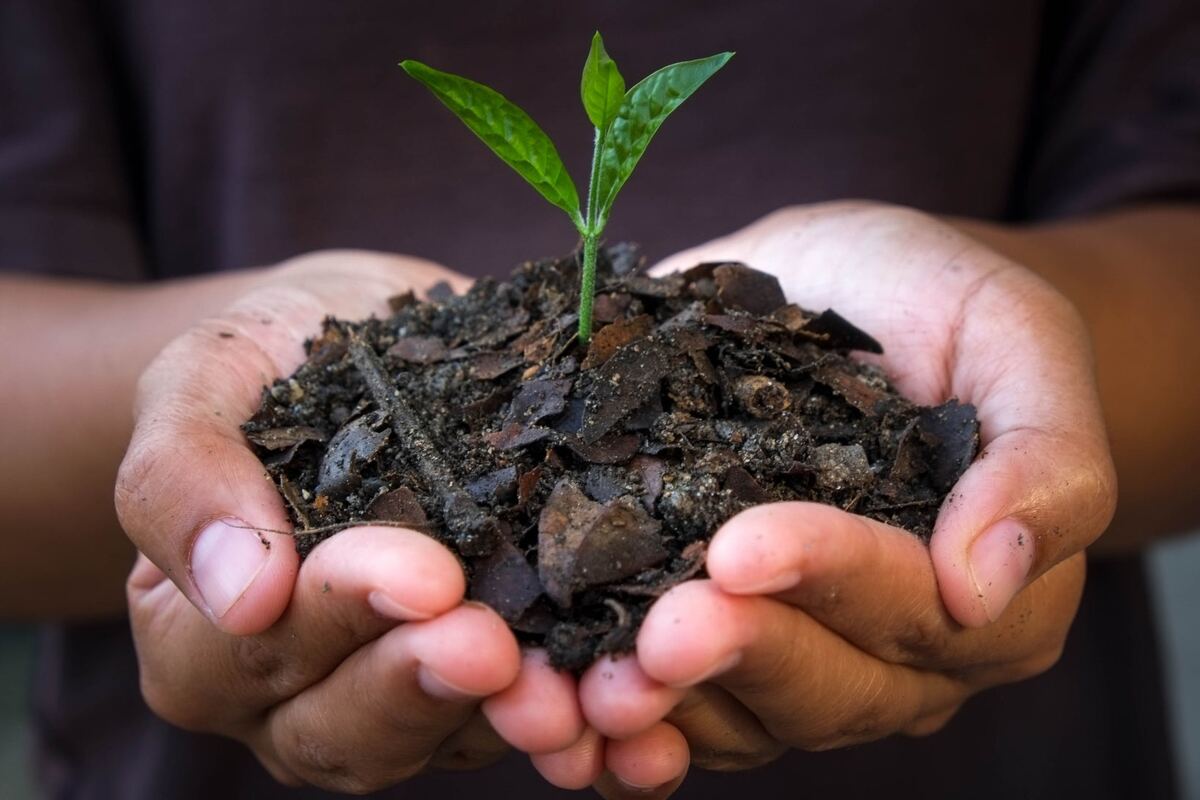
Biochar, a carbon-rich material produced from agricultural waste through pyrolysis, is positioned as India's next billion-dollar industry because it addresses climate change, soil degradation, and economic growth simultaneously. With India generating over 500 million tons of agricultural waste annually, biochar converts this waste into valuable resources while locking carbon in soil for centuries.
Biochar represents India's most promising pathway to achieving net-zero emissions by 2070 while creating a billion-dollar industry. This carbon-rich material transforms agricultural waste into valuable resources, offering solutions for climate change, soil degradation, and economic growth. With India generating over 500 million tons of agricultural waste annually, biochar presents an unprecedented opportunity to turn environmental challenges into profitable ventures.
The Black Gold Revolution: Understanding Biochar's Potential
India is on a mission to go green, and biochar is emerging as a game-changer! This carbon-rich, eco-friendly material is not just improving soil health but also revolutionizing industries—from agriculture to construction and even renewable energy. With sustainability becoming a priority, biochar is expected to drive a billion-dollar market in India.
Biochar is produced through pyrolysis, a process where agricultural waste is heated in a low-oxygen environment. This results in a stable, carbon-rich material that enhances soil fertility, captures carbon, and prevents harmful emissions. Unlike traditional burning, which releases CO₂ into the air, biochar locks carbon into the soil for centuries, making it a powerful climate solution aligned with the United Nations climate action initiatives.
The Science Behind Biochar's Revolutionary Impact
The scientific benefits of biochar make it a transformative solution for India's environmental challenges:
- ✅ Carbon Sequestration Powerhouse: One ton of biochar can remove 2-3 tons of CO₂ from the atmosphere
- ✅ Soil Supercharger: Biochar improves water retention by up to 50%, reducing irrigation needs
- ✅ Microbe Magnet: Its porous structure creates a habitat for beneficial microbes, leading to healthier crops
- ✅ Nutrient Retention: Prevents valuable nutrients from leaching away from soil
These scientific advantages position biochar as a critical component in achieving India's goal of Combating Climate Change Through Collective Action. When combined with tree planting initiatives, biochar creates a comprehensive approach to environmental restoration.
India's Agricultural Waste Crisis: A Golden Opportunity
Every year, India generates 500 million+ tons of agricultural waste, much of which is burned, causing severe air pollution and greenhouse gas emissions. Instead of going up in smoke, this waste can be converted into biochar, reducing pollution and creating economic opportunities.
The stubble burning crisis in Punjab, Haryana, and Uttar Pradesh presents a perfect case study. Farmers often burn crop stubble, releasing toxic smoke that causes health hazards. Converting this stubble into biochar could prevent air pollution, improve soil health, and provide an additional income stream for farmers. This aligns with United Nations Sustainable Development Goals for sustainable agriculture and climate action.
⭐ Stubble Burning Solution Benefits
- Prevent air pollution and respiratory diseases
- Improve soil health and fertility naturally
- Provide additional income stream for farmers
- Reduce greenhouse gas emissions significantly
Why Biochar is a Boon for Indian Farmers
With unpredictable weather, water shortages, and declining soil health, farmers in India face numerous challenges. Biochar offers multiple benefits that directly address these concerns:
- Reduces reliance on chemical fertilizers by 30-40%
- Increases crop yield by 15-25% consistently
- Improves soil's ability to hold nutrients longer
- Naturally repels pests and reduces pesticide use
💡 Historical Insight: Ancient Amazonian tribes used biochar over 2,500 years ago to create Terra Preta (dark earth). These soils remain fertile even today! India can learn from history and modernize this technique for sustainable farming.
For farmers looking to enhance their land's productivity while contributing to environmental restoration, combining biochar application with tree plantation programs creates synergistic benefits. Learn more about sustainable farming practices that complement biochar usage.
Biochar and India's Net Zero Targets
India has pledged to achieve net-zero emissions by 2070, and biochar can help fast-track this goal significantly. The World Wildlife Fund's forest conservation initiatives highlight how carbon sequestration technologies like biochar complement reforestation efforts.
→ Climate Impact Benefits
- Capturing and storing carbon for centuries
- Reducing methane emissions from organic waste
- Improving soil health, reducing dependence on high-carbon fertilizers
- Supporting India's commitment to Net Zero Targets
If India scales biochar production, it could cut millions of tons of CO₂ emissions while boosting economic growth. This creates a perfect synergy with tree planting initiatives where organizations like Grow Billion Trees are working toward planting 100 crore trees across India.
The Business of Biochar: Multiple Revenue Streams
Biochar isn't just about farming—it's a goldmine across multiple industries, creating diverse revenue opportunities:
🏗️ Construction Industry Applications
Mixed with cement, biochar enhances durability and reduces CO₂ footprint of construction materials. This creates a sustainable building solution that appeals to environmentally conscious developers.
💦 Water Filtration Solutions
Its porous nature removes toxins from water, making it an affordable purifier for rural and urban communities. This addresses India's water quality challenges while creating business opportunities.
🐄 Livestock and Agriculture Enhancement
Biochar improves digestion in cattle, reducing methane emissions while enhancing animal health. This dual benefit supports both environmental and economic goals.
🔋 Renewable Energy Storage
Used in battery electrodes, biochar is a renewable energy booster that supports India's clean energy transition.
Global Market Trends and India's Opportunity
The global biochar market is projected to reach $3.1 billion by 2028, with compound annual growth rates exceeding 15%. With India's massive biomass resources and growing green initiatives, it can emerge as a world leader in biochar production.
Key market drivers include increasing awareness of carbon sequestration, government policies supporting sustainable agriculture, and growing demand for organic farming solutions. India's position as a major agricultural producer gives it a competitive advantage in raw material availability.
Government Policies and Incentives Framework
India is actively promoting sustainable agriculture and waste-to-energy projects. Policies supporting biochar adoption could include:
- ✅ Carbon credit programs with international market access
- ✅ Subsidies for biochar production units
- ✅ Tax benefits for businesses using biochar
- ✅ Grants for research and innovation in biochar technology
The government's focus on achieving carbon neutrality aligns perfectly with biochar's potential to contribute significantly to emission reduction targets.
Technology and Innovation in Biochar Production
Modern biochar production technologies are making the process more efficient and cost-effective. Advanced pyrolysis systems can process multiple types of biomass, creating customized biochar for specific applications.
💡 Innovation Opportunities:
- Mobile biochar production units for rural areas
- IoT-enabled monitoring systems for optimal production
- Blockchain technology for carbon credit verification
- AI-powered quality control systems
Challenges and Solutions for Scaling Up
While biochar presents enormous opportunities, scaling up requires addressing several challenges:
⚠️ Key Challenges
- Limited awareness among farmers and industries
- Need for investment in large-scale biochar plants
- Requirement for government incentives and policy support
- Technology adoption and training needs
→ Strategic Solutions
- Educational programs and demonstration projects
- Public-private partnerships for infrastructure development
- Integrated approach combining tree plantation with biochar production
- Technology transfer and capacity building initiatives
Environmental Impact and Sustainability Benefits
Biochar production creates a closed-loop system that transforms waste into valuable resources. This circular economy approach reduces environmental burden while creating economic value.
The environmental benefits extend beyond carbon sequestration to include improved biodiversity, enhanced soil ecosystem health, and reduced water pollution. These comprehensive benefits make biochar a cornerstone technology for sustainable development.
Further reading: From Crop Waste to Black Gold: How Biochar Can Change India's Future · Shocking Discovery: Biochar Could Solve India's Air Pollution Crisis
Frequently Asked Questions
What makes biochar different from regular charcoal?
Biochar is specifically produced through controlled pyrolysis for agricultural and environmental applications, while regular charcoal is primarily for fuel. Biochar has enhanced porosity and nutrient-holding capacity.
How much can farmers earn from biochar production?
Farmers can earn ₹15,000-25,000 per ton of biochar produced, plus additional income from carbon credits and improved crop yields. This creates multiple revenue streams from agricultural waste.
Is biochar production environmentally safe?
Yes, modern biochar production systems capture and utilize emissions, making the process carbon-negative. The technology actually reduces greenhouse gas emissions compared to traditional waste burning.
What crops benefit most from biochar application?
Rice, wheat, sugarcane, and vegetable crops show significant yield improvements with biochar. The benefits are particularly pronounced in degraded soils and water-stressed conditions.
How does biochar support India's net zero goals?
Biochar sequesters carbon for centuries while reducing methane emissions from waste. Large-scale adoption could contribute 10-15% of India's carbon reduction targets by 2070.
What government support is available for biochar projects?
The government offers subsidies through various schemes including MNRE programs, carbon credit mechanisms, and state-level incentives for waste-to-energy projects.
Can biochar be combined with tree planting initiatives?
Absolutely! Biochar enhances soil conditions for tree growth while trees provide additional biomass for biochar production. Organizations like Grow Billion Trees integrate both approaches for maximum environmental impact.
What is the investment required for biochar production?
Small-scale units require ₹5-10 lakhs investment, while commercial plants need ₹50 lakhs to ₹2 crores. Government subsidies can cover 30-50% of project costs.
How long does biochar remain effective in soil?
Biochar remains stable in soil for hundreds to thousands of years, providing long-term benefits. This durability makes it a permanent soil improvement solution.
What quality standards exist for biochar in India?
India is developing BIS standards for biochar quality, covering parameters like carbon content, pH levels, and heavy metal limits. International standards like IBI guidelines are currently referenced.
The Future of Biochar in India: A Sustainable Revolution
Biochar represents more than just a soil amendment—it's a comprehensive solution for climate change, economic development, and sustainable agriculture. With the right investments, policies, and awareness, India can lead the global biochar revolution while achieving its environmental goals.
The convergence of environmental necessity and economic opportunity makes biochar India's next billion-dollar industry. By transforming agricultural waste into valuable resources, India can address multiple challenges simultaneously: reducing emissions, improving soil health, creating rural employment, and building a sustainable economy.
Organizations committed to environmental restoration, like Grow Billion Trees, recognize that combining biochar production with tree planting creates synergistic benefits. When you Plant a tree in your Name and support biochar initiatives, you contribute to a comprehensive environmental solution that addresses climate change through multiple pathways.
The time to act is now. India's biochar revolution promises to turn waste into wealth while creating a sustainable future for generations to come. Discover how you can be part of this transformative movement by exploring sustainable agriculture and reforestation initiatives that integrate biochar technology. Learn more about supporting India's environmental transformation through innovative solutions like biochar and tree planting programs.
Keep reading
 From Crop Waste to Black Gold: How Biochar Can Change India's Future
 Shocking Discovery: Biochar Could Solve India's Air Pollution Crisis
 Can Biochar Help India Achieve Net Zero Faster Than Expected?
 Can Biochar Help India Achieve Net Zero Faster Than Expected?
 Agroforestry for Farmers: Sustainable Income & Climate Solutions


Comments
Leave a comment