
Green Belt and Miyawaki Forests at Integrated Steel Plants
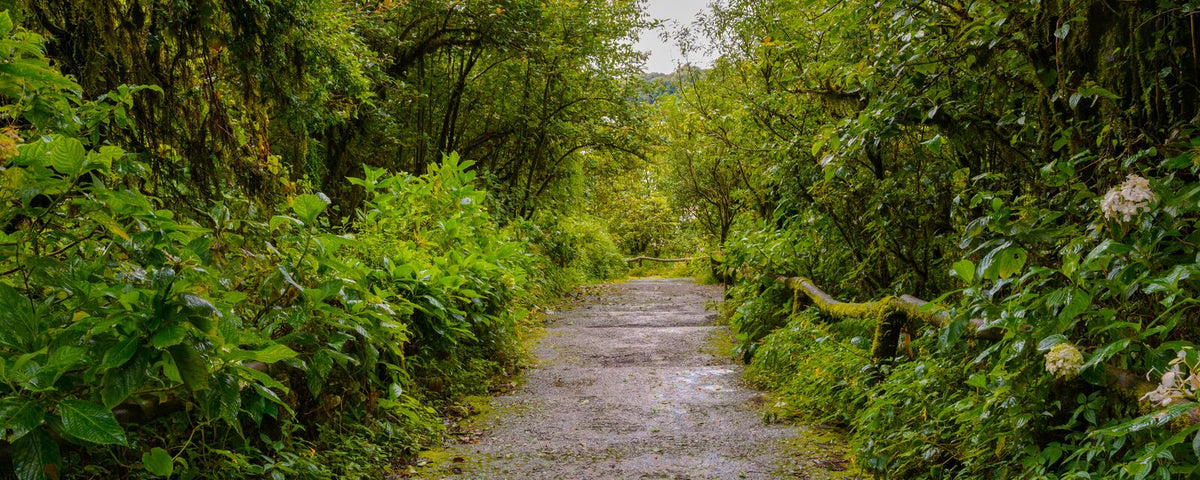
Many steel plant clearances ask for a three-tier green belt on 33% of the project area, at 2,500 trees per hectare. They often add a six-row shelter belt towards nearby villages. New clearances follow category-based minimums set in October 2025. Dense Miyawaki-style patches can green small spaces inside the plant. They add to the periphery belt rather than replace it.
What does a recent steel plant clearance ask?
We read a MoEFCC clearance from February 2023 for an integrated steel plant in West Bengal. Its green belt conditions are typical of large new steel projects.
- A three-tier green belt covering at least 33% of the total project area, mostly in the first year.
- Native species along the whole periphery, of adequate width.
- Tree density of not less than 2,500 per hectare, with survival monitored and damaged plants replaced.
- A shelter belt of six rows at 2 m x 2 m, with tall broad-leaved trees, towards nearby villages.
- Greening and paving in the plant area to stop dust from exposed soil.
The expert committee notes in the same EC describe about 82 hectares of green belt, around 34% of the site. They also record compensatory planting of five trees for each tree cut, inside the premises.
Some villages in this case sit within a few dozen metres of the boundary. That is why the shelter belt matters so much.
What changed for new steel projects in October 2025?
A MoEFCC memorandum of 29 October 2025 replaced the flat 33% figure for new EC applications. It sets minimums by pollution category.
- Standalone red-category units: 25% in predominantly air-polluting sectors, 20% in others.
- Units inside new industrial estates: 15% for red and 10% for orange category.
- Red and orange units in critically or severely polluted areas: at least 40%.
- Expansions of existing plants: decided case by case by the expert committee.
Plants with older ECs must still meet the conditions written in them. Extra planting off-site is allowed, with at least five years of watering and protection.
The memorandum also asks for a multi-tier design, belts set across the main wind and gap-free along sensitive boundaries.
What makes a steel plant hard to green?
Integrated plants combine dust, heat and large paved areas. Each part of the site needs a different approach.
| Area | Challenge | Planting approach |
|---|---|---|
| Raw material yards | Iron ore fines, coal and flux dust | Multi-row belts with a dense shrub layer downwind. |
| Blast furnace, SMS and sinter areas | Heat, fumes and little open soil | Narrow strips and tree pits along roads; hardy species only. |
| Slag handling area | Dust and alkaline, stony ground | Boundary rows on good soil, not on fresh slag. |
| Boundary facing villages | Dust, noise and visual impact | The six-row shelter belt with tall, broad-leaved trees. |
| Township and offices | Small open spaces, heat | Miyawaki-style patches and avenue trees. |
Where do Miyawaki-style forests fit?
The Miyawaki approach plants many native species close together, in layers, on well-prepared and mulched soil. It suits small spaces where a normal green belt cannot fit.
| EC green belt | Miyawaki-style patch | |
|---|---|---|
| Main job | Buffer dust and noise at the periphery | Fill small internal spaces with dense native cover |
| Layout | Long belts and six-row shelter belts | Compact blocks |
| Density | Not less than 2,500 trees per hectare | Much denser, with shrubs and trees mixed |
| Soil work | Pits with soil improvers | Full-bed soil preparation and thick mulch |
| Care | Watering and gap filling for several years | Intensive care until the canopy closes |
Whether Miyawaki area counts towards your green belt percentage depends on your EC and the Regional Office. Record it separately so the numbers stay clear. See our Miyawaki forest page.
Which species suit steel plant conditions?
The EC asks for native species, so start from your agro-climatic zone. Many steel plants sit in eastern and central India, where sal-belt and dry deciduous species do well.
- Tall tier: neem, arjun, mahua, peepal, banyan, sal where soils allow.
- Middle tier: karanj, jamun, kusum, amaltas, kadamb.
- Shrub tier: karonda, adulsa, curry leaf, native bamboo in moist areas.
Field studies help. Mongabay India reported an IIT Dhanbad study near Bokaro thermal power station. It found the blackboard tree, banyan, Ashoka and mango best suited to the dusty setting.
Confirm every list with the State Forest Department. For the general rules on tiers and layout, see our green belt guide.
How should the green belt be maintained and recorded?
- Water through the first two dry seasons, using treated water where quality allows.
- Mulch, weed and protect saplings from vehicles, fire and cattle.
- Count survival after each monsoon and fill gaps with suitable species.
- Keep block maps, species counts, dated geo-tagged photos and spend records.
The EC asks for green belt compliance status to reach the MoEFCC Regional Office. It also asks for six-monthly compliance reports on the ministry's portal.
The same EC asks for a GHG inventory that includes carbon sequestration by trees. Report sequestration as an estimate; it does not count towards CCTS targets, as our steel CCTS guide explains.
How do you plan the first year?
The older EC we read expects most of the green belt in the first year. That needs nursery stock and pits ready before the monsoon.
- Map the green belt blocks and shelter belt before construction fills the site.
- Book native saplings from nurseries months ahead.
- Prepare pits and water lines in the dry season.
How Grow Billion Trees helps
We design periphery green belts, shelter belts and Miyawaki-style patches to fit your EC and your site. We plant, care for every tree for three years, and geo-tag it, with 85% survival across our programmes and progress on GreenTrack. Work is priced per project after a site survey; see our steel industry page.
Further reading: Green Belt at Cement Plants: Dust, Dry Sites and Compliance · Green Belt Development for Industries: Rules, Species and Maintenance
Frequently Asked Questions
How much green belt does a steel plant need?
Many existing ECs say at least 33%. For new applications, the October 2025 memorandum sets category-based minimums, such as 25% for standalone red-category units in air-polluting sectors. Check your own EC.
What tree density do steel plant ECs ask for?
The 2023 steel EC we reviewed says tree density shall not be less than 2,500 per hectare.
Can a Miyawaki forest replace the green belt?
No. It can add dense cover in small internal spaces, but the EC belt and shelter belt at the periphery still need to be built.
Does Miyawaki area count towards the green belt percentage?
That depends on your EC and the Regional Office. Record it separately so either reading is easy to show.
Can trees be planted on steel slag?
Fresh slag is a poor growing medium. Plant on good soil at the edges of slag areas, and follow the EC on slag reuse.
Does the green belt reduce our CCTS emission intensity?
No. It meets EC conditions and helps air quality, but it is outside the plant's scope 1 and scope 2 emissions.
Sources: MoEFCC environmental clearance, integrated steel plant, West Bengal (28 Feb 2023) · MoEFCC office memorandum of 29 Oct 2025 on green belt norms (enclosed with Kerala SPCB circular, 18 Dec 2025) · Mongabay India: Greening with pollution-gobbling trees doubles benefits (Nov 2018). Last updated: October 2026. Rules change; check the latest notification before you rely on any detail.





Leave a comment