
CCTS Targets for Iron and Steel Plants: What the Draft Means
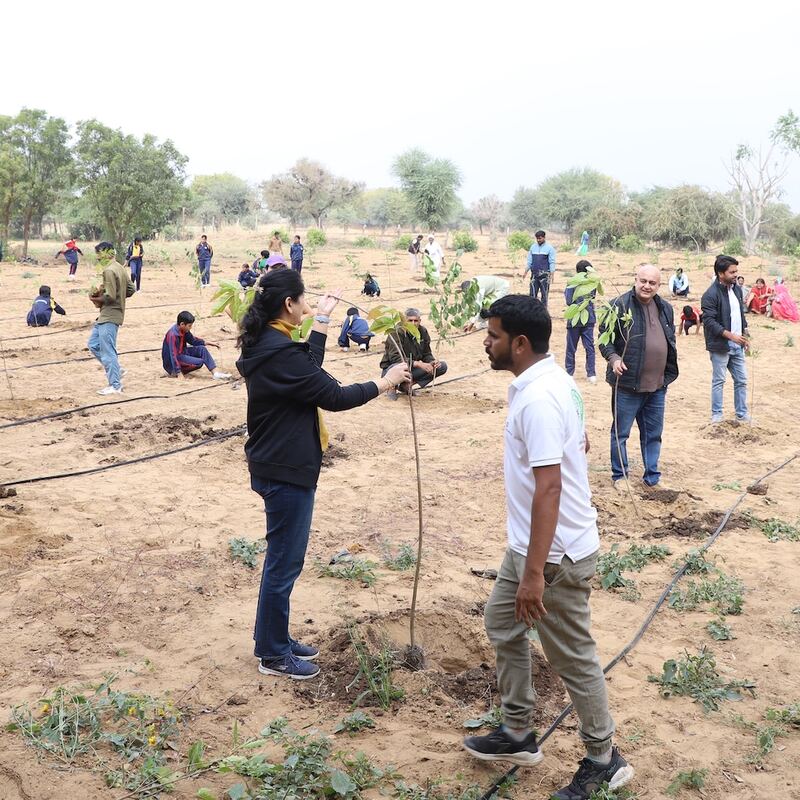
India has proposed plant-wise emission intensity targets for iron and steel under the CCTS. A first draft in June 2025 covered 253 units, and a revised draft in June 2026 covers 255. Down To Earth reports required cuts of 2.1% to 9.3% against 2023-24, with a median near 5.5%. Trees do not reduce a plant's emission intensity or count towards these targets.
What has been proposed for iron and steel?
Iron and steel is one of nine sectors in India's Carbon Credit Trading Scheme (CCTS). The first four sectors, including cement and aluminium, got final targets in October 2025, as ICAP reports.
Steel has moved more slowly. The Grantham Research Institute at LSE notes that draft targets for 253 steel units were released in June 2025.
The environment ministry then issued a revised draft on 26 June 2026, made public on 2 July 2026. Madhyamam and Down To Earth report these points:
- 255 iron and steel units would be covered.
- The baseline year is 2023-24.
- Required cuts range from 2.1% to 9.3%, with a median of about 5.5%.
- Combined baseline emissions are about 358.6 million tonnes of CO2 equivalent.
- Stakeholders had 60 days to comment.
Down To Earth reports that compliance would begin from 2026-27. It also says baselines were recalibrated for 126 units, with 73 getting relaxed targets and 24 stricter ones.
As of October 2026, check the Gazette for the final notification before you plan around any number.
How would compliance work?
The CCTS is a "baseline-and-credit" scheme. A unit below its target earns Carbon Credit Certificates (CCCs) it can sell.
A unit above its target must buy and surrender CCCs. Madhyamam reports that units failing their targets would pay environmental compensation of twice the average traded price of credits.
The Bureau of Energy Efficiency's procedure covers direct (scope 1) and indirect (scope 2) emissions, as ICAP explains. That means furnaces, kilns, process gases and purchased power.
Why doesn't plantation count towards the target?
The target is a plant's emissions divided by its output. Trees on the boundary or on farms nearby do not change either figure.
Removal projects sit in a separate offset mechanism for non-obligated entities. So green belts, Miyawaki patches and mine reclamation should never appear as CCTS progress.
Grow Billion Trees does not sell CCTS carbon credits from its plantations. Our guide to CCTS and tree projects covers the wider rules.
How does this sit with the green steel taxonomy?
The Ministry of Steel's Green Steel Taxonomy rates steel by the emission intensity of the plant that made it.
| Rating | Emission intensity (tCO2e per tonne of finished steel) |
|---|---|
| Five-star green steel | Below 1.6 |
| Four-star | 1.6 to 2.0 |
| Three-star | 2.0 to 2.2 |
| Not eligible | Above 2.2 |
The ministry says the thresholds will be reviewed every three years. Like the CCTS, the rating rests on plant emissions, so plan cuts at the plant first.
Down To Earth puts India's average at 2.54 tonnes of CO2 per tonne of crude steel, against a global average of 1.9.
What does lower a steel plant's emission intensity?
The LSE brief finds large producers need only about 2% cuts a year under the draft. It expects efficiency gains in high-emitting units, but not deep technology change yet.
| Lever | Example | Source of the example |
|---|---|---|
| Energy recovery | Top recovery turbines, stove waste heat recovery, waste heat boilers | 2023 steel plant EC |
| Process gas use | Dry cleaning of BOF gas; using BF and coke oven gas for reheating | 2023 steel plant EC |
| Hot charging | 85-90% of billets and slabs rolled directly in hot stage | 2023 steel plant EC |
| Route change | More electric arc furnace and scrap-based steel | Down To Earth |
| Cleaner power | Renewable electricity cuts scope 2 emissions | BEE scope (via ICAP) |
Where does plantation still matter for a steel company?
- Environmental clearance: green belts, 33% in many older ECs and category-based for new ones; see our green belt guide.
- Captive mines: reclamation under mine closure plans.
- Communities: village plantation, pond restoration and farm forestry under CSR.
- Reporting: land and biodiversity data for BRSR.
- Voluntary net zero: removals as a supplement to cuts, never a substitute.
What should steel companies do while the targets are in draft?
A draft is not final, but the direction is clear. Firms that prepare now will have fewer surprises when the Gazette notification lands.
- Check your baseline. Compare the draft's 2023-24 figure for each unit with your own data.
- Track comments. Note any changes made after the 60-day consultation.
- Cost the levers. Rank energy recovery, gas use, scrap and electric arc furnace options, and clean power for each unit.
- Fix the data. Make sure fuel, process and power data meet the monitoring needs of the scheme.
- Keep plantation separate. Report green belts, mine reclamation and village programmes in EC, mine and BRSR reports.
The LSE brief suggests later target cycles may push firms towards best available technologies. Planning beyond the first cycle is wise.
The green steel taxonomy adds a market reason to act. Buyers who ask for star-rated steel will look at plant intensity, not at plantation.
Plantation still has a clear role. It meets EC and mine duties and supports communities near the plant, which matters when expansions come up for appraisal.
How Grow Billion Trees helps
We handle the plantation and restoration side for steel companies: green belts, Miyawaki patches, mine reclamation and village programmes. Each project is geo-tagged and reported on GreenTrack, with carbon figures shown only as estimates. See our steel industry page or plan a programme.
Further reading: CCTS Targets for Cement Plants: What They Mean and Where Trees Fit · Aluminium smelters and CCTS: what plantation can and cannot do
Frequently Asked Questions
Are steel CCTS targets final?
Not as of our last check. A first draft came in June 2025 and a revised draft on 26 June 2026; check the Gazette for the final notification.
How many steel units would be covered?
The revised June 2026 draft covers 255 iron and steel units, according to Madhyamam and Down To Earth.
How big are the proposed cuts?
Down To Earth reports required cuts of 2.1% to 9.3% against 2023-24, with a median of about 5.5%.
Can a green belt count towards our CCTS target?
No. The target covers the plant's own scope 1 and scope 2 emissions per unit of output.
What is green steel under the taxonomy?
Steel from a plant emitting less than 2.2 tonnes of CO2e per tonne of finished steel, rated three to five stars by intensity.
What happens if a unit misses its target?
It buys and surrenders Carbon Credit Certificates. If it does not, environmental compensation applies.
Sources: Grantham Research Institute, LSE: What does the CCTS mean for the Indian steel sector? (Aug 2025) · Madhyamam: Centre issues revised draft emission targets for iron and steel sector · Down To Earth: India's iron and steel sector moves closer to CCTS compliance (14 Jul 2026) · ICAP: India notifies emission intensity targets for nine sectors under CCTS · ICAP: India adopts regulations for planned compliance carbon market · Ministry of Steel: Green Steel initiative and Green Steel Taxonomy · MoEFCC environmental clearance, integrated steel plant, West Bengal (28 Feb 2023). Last updated: October 2026. Rules change; check the latest notification before you rely on any detail.
Keep reading
 CCTS Targets for Cement Plants: What They Mean and Where Trees Fit
 Aluminium smelters and CCTS: what plantation can and cannot do
 CCTS targets for refineries and petrochemicals: where trees fit
 CCTS for Chlor-Alkali, Paper and Textiles: What Plantation Can Do
 Captive Iron Ore Mine Reclamation for Steel Companies
 CCTS sectors and timeline 2023-2027: what is final and what is draft


Leave a comment