
Unveiling the Benefits of Agroforestry: Harmony in Cultivation

Agroforestry integrates trees into agricultural systems alongside crops and livestock, creating a productive ecosystem where these elements coexist symbiotically. This approach improves agricultural productivity while reducing the environmental degradation associated with conventional farming. By combining forestry and agriculture, agroforestry offers a sustainable model for addressing food security and climate challenges.
Unveiling the benefits of agroforestry reveals a revolutionary approach that transforms traditional farming into a sustainable ecosystem. This innovative practice integrates trees into agricultural systems, creating a harmonious balance that boosts productivity while nurturing our environment. As we face mounting pressure to feed a growing population and combat climate change, agroforestry emerges as a beacon of hope for sustainable agriculture.
In the intricate dance between humanity and the environment, a sustainable and innovative practice is emerging as a key player in transforming our approach to agriculture. Agroforestry, the integration of trees into traditional farming systems, offers a harmonious solution that not only boosts agricultural productivity but also nurtures the environment.
A Symphony of Growth: Understanding Agroforestry
Agroforestry is not a new concept; it's a holistic approach that harmonizes agriculture and forestry. The method involves strategically planting trees alongside crops and livestock, creating a diversified and resilient ecosystem. Unlike conventional farming, which often leads to deforestation and environmental degradation, agroforestry seeks to strike a balance between cultivation and conservation.
This integrated approach recognizes that trees, crops, and livestock can coexist symbiotically, each contributing to the overall health and productivity of the system. By embracing this methodology, farmers can achieve Net Zero Targets while maintaining profitable agricultural operations.
✅ Boosting Soil Health: Trees as Earth's Custodians
One of the key advantages of agroforestry lies in its positive impact on soil health. Trees act as natural guardians, preventing soil erosion, enhancing fertility, and promoting water retention. The fallen leaves from trees create a nutrient-rich layer, enriching the soil and providing a conducive environment for crops to thrive.
According to the United Nations Sustainable Development Goals, sustainable land management practices like agroforestry are crucial for achieving food security and environmental sustainability. The deep root systems of trees help break up compacted soil layers, improving water infiltration and reducing surface runoff by up to 50%.
Research shows that agroforestry systems can increase soil organic carbon content by 15-30% compared to conventional farming methods. This enhanced soil structure supports better crop yields while sequestering atmospheric carbon dioxide.
⭐ Enhanced Biodiversity: Nature's Answer to Pest Control
Agroforestry fosters biodiversity by creating a mosaic of habitats for various plant and animal species. This diversity acts as a natural pest control mechanism, reducing the reliance on chemical pesticides. Beneficial insects find refuge in the tree canopy, contributing to a balanced and sustainable ecosystem within the agricultural landscape.
Studies indicate that agroforestry systems support 30-50% more species diversity than monoculture farming. This biological richness creates natural predator-prey relationships that help control agricultural pests, reducing pesticide use by up to 40% in some systems.
The diverse plant structure also provides habitat for pollinators, essential for crop reproduction and yield optimization. This natural approach aligns with Combating Climate Change Through Collective Action by reducing chemical inputs and supporting ecosystem services.
🌳 Climate Resilience: Trees as Climate Warriors
As climate change poses increasingly severe challenges to agriculture, agroforestry emerges as a resilient strategy. Trees offer shade to crops, mitigating the impacts of extreme temperatures. Additionally, the carbon sequestration capacity of trees contributes to offsetting greenhouse gas emissions, making agroforestry a climate-smart approach to farming.
The United Nations Climate Change initiative recognizes agroforestry as a vital tool for climate adaptation and mitigation. Trees in agricultural landscapes can sequester 50-100 tons of CO2 per hectare over their lifetime, significantly contributing to carbon neutrality goals.
Temperature moderation provided by tree canopies can reduce crop stress during heat waves, maintaining productivity even under changing climate conditions. This resilience is particularly valuable as weather patterns become increasingly unpredictable.
💰 Diversified Income Streams: Beyond Crops and Livestock
Agroforestry introduces new economic opportunities for farmers. Beyond traditional crops and livestock, the cultivation of trees for timber, fruits, nuts, and other products diversifies income streams. This not only improves the financial stability of farming communities but also encourages sustainable land management practices.
Farmers practicing agroforestry report 20-40% higher incomes compared to conventional farming due to multiple revenue sources. Tree products like fruits, nuts, medicinal plants, and timber provide both short-term and long-term economic benefits.
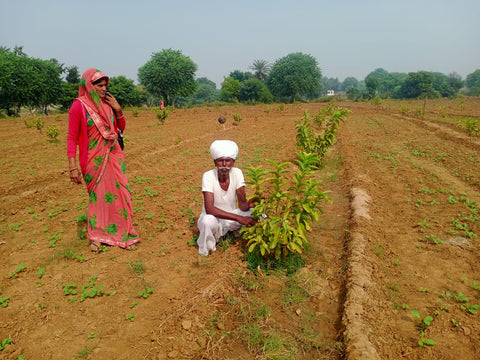
At Grow Billion Trees, we support farmers through comprehensive agroforestry programs that include 2-3ft Tree Planting + 3 Years Care + GeoTag technology, ensuring successful tree establishment and growth monitoring. Our mission to plant 100 crore trees includes extensive agroforestry initiatives across India.
🌍 Global Success Stories: From Alley Cropping to Silvopasture
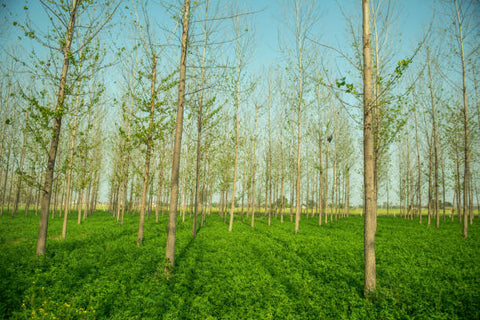
Around the world, agroforestry practices have been successfully implemented in various forms. Alley cropping, where rows of trees are planted between crops, and silvopasture, integrating trees into pastureland for livestock, are just two examples of how agroforestry is transforming landscapes and livelihoods.
In Costa Rica, coffee farmers using agroforestry methods report 25% higher yields and improved coffee quality. The shade-grown coffee also commands premium prices in international markets, demonstrating the economic viability of sustainable practices.
Kenya's success with agroforestry has led to improved food security for over 100,000 farming households. The integration of nitrogen-fixing trees has reduced fertilizer costs by 60% while increasing maize yields by 30%.
🚀 Implementation Strategies for Modern Agriculture
Successful agroforestry implementation requires careful planning and species selection. Farmers must consider local climate conditions, soil types, and market demands when choosing appropriate tree-crop combinations. The World Wildlife Fund's forest conservation initiatives provide valuable guidance for sustainable agroforestry practices.
Key implementation steps include:
- Soil analysis and site assessment
- Selection of compatible tree and crop species
- Strategic spacing and arrangement planning
- Integration of livestock grazing patterns
- Long-term management and monitoring systems
Technology integration, including GPS mapping and drone monitoring, enhances the precision and effectiveness of agroforestry systems. This modern approach ensures optimal resource utilization and maximizes both environmental and economic benefits.
💡 Environmental Impact and Sustainability
The environmental benefits of agroforestry extend far beyond individual farms. These systems contribute to watershed protection, air quality improvement, and habitat connectivity across landscapes. By reducing agricultural runoff, agroforestry helps protect water resources and prevents eutrophication of nearby water bodies.
Carbon sequestration in agroforestry systems occurs both above and below ground, with root systems storing significant amounts of carbon in soil organic matter. This dual storage mechanism makes agroforestry particularly effective for climate change mitigation.
The practice also supports the United Nations Environment Programme's forest conservation goals by maintaining tree cover in agricultural landscapes, reducing pressure on natural forests.
🎯 Corporate Partnerships and Scaling Up
Corporate engagement in agroforestry initiatives is accelerating as companies seek to achieve sustainability goals and support rural communities. Many organizations are investing in agroforestry projects to offset their carbon footprint while supporting local economic development.
Grow Billion Trees partners with corporations to implement large-scale agroforestry programs that align with their Net Zero Targets. Our comprehensive approach includes farmer training, technical support, and long-term monitoring to ensure project success.
These partnerships create win-win scenarios where companies achieve environmental goals while farmers benefit from improved productivity and additional income streams. The scalability of agroforestry makes it an attractive option for corporate sustainability programs.
Further reading: What is Agroforestry and How It Fights Climate Crisis · Agroforestry for Farmers: Sustainable Income & Climate Solutions
Frequently Asked Questions
What is agroforestry and how does it work?
Agroforestry is the practice of integrating trees and shrubs into agricultural systems alongside crops and livestock. It works by creating beneficial interactions between different components, such as trees providing shade and nutrients while crops utilize available space and resources efficiently.
How much can farmers increase their income through agroforestry?
Farmers practicing agroforestry typically see 20-40% higher incomes compared to conventional farming. This increase comes from diversified revenue streams including timber, fruits, nuts, and improved crop yields due to better soil health and microclimate conditions.
What are the main environmental benefits of agroforestry?
Key environmental benefits include carbon sequestration (50-100 tons CO2 per hectare), improved soil health, enhanced biodiversity, reduced erosion, better water retention, and decreased reliance on chemical inputs. These systems also provide habitat for wildlife and support ecosystem services.
How long does it take to see results from agroforestry?
Short-term benefits like improved soil structure and microclimate can be observed within 1-2 years. Economic returns from tree products typically begin after 3-5 years for fruits and nuts, while timber harvesting may take 10-20 years depending on species and local conditions.
Can agroforestry help achieve Net Zero targets?
Yes, agroforestry significantly contributes to Net Zero targets through carbon sequestration, reduced emissions from decreased chemical inputs, and improved soil carbon storage. Many corporations use agroforestry projects as part of their carbon offset strategies.
What types of trees are best for agroforestry?
The best trees depend on local conditions, but popular choices include nitrogen-fixing species like Acacia and Leucaena, fruit trees like mango and citrus, and multipurpose trees that provide timber, fodder, and other products. Native species are often preferred for better adaptation and ecosystem integration.
How does agroforestry compare to conventional farming in terms of productivity?
While initial crop yields may be slightly lower due to tree competition, overall system productivity is typically higher when considering all outputs (crops, timber, fruits, livestock products). Long-term productivity often exceeds conventional systems due to improved soil health and climate resilience.
What support is available for farmers interested in agroforestry?
Support includes technical training, financial assistance, seedling provision, and ongoing monitoring services. Organizations like Grow Billion Trees offer comprehensive programs with Plant a tree in your Name initiatives, providing farmers with trees, care services, and GeoTag tracking technology.
🌱 The Future of Sustainable Agriculture
As we look toward the future, agroforestry represents a paradigm shift towards regenerative agriculture that works with natural systems rather than against them. This approach offers hope for feeding a growing global population while addressing climate change and environmental degradation.
The integration of modern technology with traditional knowledge creates opportunities for precision agroforestry that maximizes benefits while minimizing inputs. Digital tools enable farmers to monitor tree growth, soil health, and crop performance in real-time, optimizing management decisions.
Investment in agroforestry research and development continues to unlock new possibilities, from improved tree varieties to innovative management techniques. This ongoing innovation ensures that agroforestry will remain relevant and effective as agricultural challenges evolve.
Agroforestry is more than a farming technique; it is a paradigm shift towards sustainable and regenerative agriculture. By recognizing the interconnectedness of trees, crops, and livestock, agroforestry provides a blueprint for cultivating the land while respecting its natural processes. As we face the challenges of feeding a growing global population and mitigating climate change, agroforestry stands as a beacon of hope, showcasing the potential for a resilient and harmonious coexistence between agriculture and the environment.
Join us in this transformative journey by exploring our agroforestry programs at Grow Billion Trees. Together, we can create sustainable agricultural systems that benefit both people and the planet. Discover how you can Plant a tree in your Name and contribute to our mission of planting 100 crore trees while supporting farmers and combating climate change through collective action.



Leave a comment