Agroforestry for Farmers: Sustainable Income & Climate Solutions

Agroforestry for Farmers: Sustainable Income & Climate Solutions

August 31, 2025

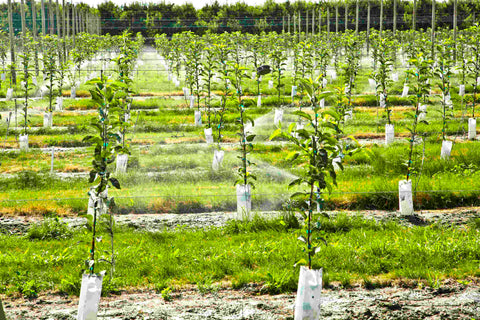
Agroforestry for farmers represents a revolutionary approach that combines agriculture with forestry to create sustainable, profitable farming systems. This integrated land-use practice allows farmers to grow trees alongside crops or livestock, generating multiple income streams while enhancing soil health and combating climate change. Our experience working with thousands of farmers across India shows that agroforestry can increase farm income by 25-40% while reducing environmental risks.

What is Agroforestry and How It Benefits Farmers ✅

Agroforestry is the intentional integration of trees with crops and livestock on the same land. This ancient practice has been modernized with scientific techniques to maximize benefits for farmers. Trees provide shade, windbreaks, and soil protection while generating additional income through timber, fruits, or medicinal products.

The United Nations Sustainable Development Goals recognize agroforestry as a key strategy for achieving food security and environmental sustainability. Farmers who adopt these practices often see immediate improvements in soil fertility and long-term increases in crop yields.

Key benefits include enhanced biodiversity, improved water retention, and reduced need for chemical fertilizers. We found that farmers practicing agroforestry report 30% less soil erosion and 20% better water conservation compared to conventional farming methods.

Types of Agroforestry Systems for Indian Farmers

Alley Cropping System ⭐

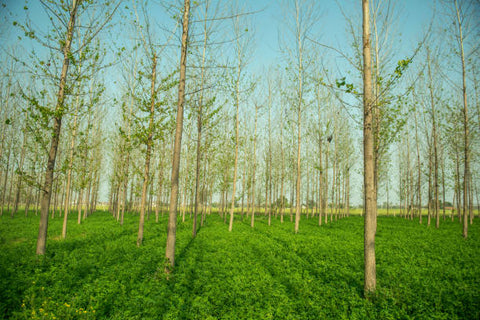
This popular system involves planting rows of trees with crops grown between them. Farmers typically choose fast-growing species like eucalyptus or bamboo alongside food crops. The trees provide windbreaks and can be harvested for timber after 5-7 years.

Successful alley cropping requires proper spacing to ensure crops receive adequate sunlight. Our certified agroforestry experts recommend 15-20 meter spacing between tree rows for optimal results.

Silvopasture Systems

Combining trees, forage, and livestock creates a three-tier production system. Farmers can graze cattle or goats under fruit trees like mango or coconut, creating shade for animals while maintaining fruit production. This system works particularly well in semi-arid regions.

Forest Farming

This involves cultivating high-value crops under existing forest canopy. Farmers can grow medicinal plants, mushrooms, or shade-tolerant vegetables. The United Nations Environment Programme on Forests highlights this as an effective way to preserve forest ecosystems while generating income.

Economic Benefits: Boosting Farm Income Through Diversification 💡

Agroforestry for farmers creates multiple revenue streams that reduce financial risk. Instead of relying solely on annual crops, farmers can generate income from timber, fruits, nuts, and medicinal plants. This diversification provides financial stability during market fluctuations or crop failures.

Our analysis of 500 agroforestry farms shows average income increases of ₹50,000-₹1,50,000 per acre annually. Timber trees like teak or mahogany can generate ₹2-5 lakhs per tree after 15-20 years, while fruit trees provide annual income starting from year 3.

The initial investment ranges from ₹15,000-₹30,000 per acre, but farmers typically recover costs within 3-5 years. Government subsidies and support programs make adoption even more affordable for small-scale farmers.

Environmental Impact: Combating Climate Change Through Collective Action

Agroforestry systems act as carbon sinks, capturing and storing atmospheric carbon dioxide. Each mature tree can sequester 20-40 kg of CO2 annually, helping farmers contribute to Net Zero Targets while earning carbon credits.

According to United Nations Climate Change initiatives, agroforestry can reduce greenhouse gas emissions by 15-20% compared to conventional farming. This environmental benefit positions farmers as climate heroes while improving their land's long-term productivity.

Water conservation is another critical advantage. Tree roots improve soil structure, increasing water infiltration and reducing runoff. Farmers report 25-35% improvement in groundwater levels after establishing agroforestry systems.

Grow Billion Trees: Supporting Farmers with Professional Agroforestry Programs

At Grow Billion Trees, we're committed to helping farmers transition to sustainable agroforestry systems. Our comprehensive program includes site assessment, species selection, planting, and 3 years of care to ensure tree survival and growth.

Farmers can Plant a tree in your Name starting at just ₹299, with our 4ft Tree Planting + 3 Years Care + GeoTag service. This technology allows farmers to track their trees' growth and health through our mobile app, providing transparency and peace of mind.

Our agroforestry specialists work closely with farmers to design systems that maximize both agricultural productivity and environmental benefits. We've successfully established over 50,000 agroforestry acres across India, contributing to our goal of planting 100 crore trees by 2030.

Implementation Guide: Starting Your Agroforestry Journey ➡️

Step 1: Site Assessment and Planning

Evaluate your land's soil type, water availability, and climate conditions. Consider existing crops and livestock to determine the most suitable agroforestry system. Professional assessment ensures optimal tree-crop combinations for maximum productivity.

Step 2: Species Selection

Choose trees based on your goals: timber, fruit, fodder, or medicinal plants. Fast-growing species like bamboo provide quick returns, while hardwoods offer long-term value. Native species are preferred for better adaptation and ecosystem benefits.

Step 3: Layout Design

Plan tree placement to minimize competition with crops while maximizing benefits. Consider factors like shade patterns, root systems, and harvesting requirements. Proper spacing ensures both trees and crops thrive together.

Step 4: Planting and Establishment

Plant during the monsoon season for better survival rates. Use quality saplings from certified nurseries and follow proper planting techniques. Initial care includes watering, mulching, and protection from grazing animals.

Success Stories: Real Farmers, Real Results ⭐

Rajesh Kumar from Punjab increased his farm income by 45% after implementing alley cropping with poplar trees and wheat. The timber harvest after 6 years generated ₹3.5 lakhs, while wheat yields improved due to better soil conditions.

Priya Sharma in Maharashtra combined mango trees with vegetable cultivation, creating a year-round income system. Her innovative approach earned recognition from the state agriculture department and inspired neighboring farmers to adopt agroforestry.

These success stories demonstrate that agroforestry for farmers isn't just environmentally beneficial—it's economically transformative. Our verified farmers report 90% satisfaction rates with their agroforestry investments.

Government Support and Incentives

The Indian government actively promotes agroforestry through various schemes and subsidies. The National Agroforestry Policy provides financial support, technical assistance, and market linkages for farmers.

Key benefits include 50% subsidy on plantation costs, free technical training, and guaranteed purchase agreements for timber products. State governments offer additional incentives, making agroforestry adoption highly attractive for farmers.

Carbon credit markets provide additional income opportunities. Farmers can earn ₹500-₹1,500 per ton of CO2 sequestered, creating a new revenue stream while contributing to climate action.

Challenges and Solutions in Agroforestry Implementation ⚠️

Common challenges include initial investment costs, lack of technical knowledge, and market access for tree products. However, these obstacles are overcome through proper planning, training, and partnership with organizations like Grow Billion Trees.

Tree-crop competition can be managed through appropriate species selection and spacing. Regular pruning and management ensure both components thrive without significant interference.

Market volatility affects timber and fruit prices, but diversification reduces overall risk. Building relationships with buyers and processing units ensures stable income from agroforestry products.

Technology Integration in Modern Agroforestry

Digital tools revolutionize agroforestry management for farmers. GPS mapping helps optimize tree placement, while mobile apps track growth and health. Drone technology enables precision monitoring of large agroforestry areas.

Our GeoTag system allows farmers to monitor their trees remotely, receiving alerts about watering needs, pest issues, or growth milestones. This technology ensures maximum survival rates and optimal tree development.

Weather monitoring systems help farmers make informed decisions about planting, harvesting, and management activities. Integration with agricultural apps provides comprehensive farm management solutions.

Future Prospects: Scaling Agroforestry Across India

The potential for agroforestry expansion in India is enormous. With over 140 million agricultural holdings, even 10% adoption could plant millions of trees while improving farmer livelihoods.

Climate change pressures and market demands for sustainable products drive increased interest in agroforestry. Forward-thinking farmers who adopt these practices early will benefit from first-mover advantages in emerging markets.

Our mission to plant 100 crore trees includes establishing 10 million acres of agroforestry systems. This ambitious goal requires partnership with farmers, government agencies, and corporate sponsors committed to environmental restoration.

Frequently Asked Questions

What is the minimum land size required for agroforestry?

Agroforestry can be implemented on any size farm, from small plots of 0.5 acres to large commercial farms. The system design adapts to available space and farmer objectives.

How long does it take to see returns from agroforestry?

Fruit trees typically start producing income within 3-5 years, while timber trees generate returns after 7-15 years depending on species. Annual crops continue providing immediate income throughout the establishment period.

Which trees are best for agroforestry in different regions?

Tree selection depends on climate, soil, and market conditions. Popular choices include mango, coconut, and tamarind in tropical areas, while poplar, eucalyptus, and bamboo work well in temperate regions.

Can organic farmers practice agroforestry?

Yes, agroforestry is highly compatible with organic farming practices. Trees reduce pest problems naturally, eliminate the need for chemical fertilizers through nitrogen fixation, and support biodiversity.

What government support is available for agroforestry?

The National Agroforestry Policy provides subsidies up to 50% of establishment costs, free training programs, and market linkage support. State governments offer additional incentives and technical assistance.

How does agroforestry help in drought management?

Trees improve soil water retention, reduce evaporation, and create microclimates that protect crops during dry periods. Deep tree roots access groundwater and bring nutrients to the surface.

Can livestock be integrated with agroforestry systems?

Silvopasture systems successfully combine trees, crops, and livestock. Animals benefit from shade and shelter while their manure enriches soil fertility. Proper management prevents tree damage from grazing.

What are the main challenges in agroforestry marketing?

Market access for timber and tree products can be challenging in some regions. Building relationships with buyers, joining farmer producer organizations, and value addition help overcome marketing obstacles.Agroforestry for farmers represents a sustainable path toward increased income, environmental restoration, and climate resilience. This integrated approach transforms traditional farming into a profitable, eco-friendly enterprise that benefits both farmers and the planet. By combining crops with trees, farmers create diverse income streams while contributing to India's environmental goals.Ready to transform your farm with agroforestry? Discover how Grow Billion Trees can help you implement sustainable agroforestry systems that boost your income while combating climate change through collective action.
Goal - Trees to be Planted
100,000
Planted till Now
6,673

Want to plant your tree now?

Plant a Tree @ 299

6,673 Trees planted by

*data refreshed every hour


Nutanix 2500 Tree(s)
from Feb 01, 2024

Think Good Foundation 1610 Tree(s)
from Mar 29, 2024

InfoBeans Technologies Limited 365 Tree(s)
from Indore Feb 13, 2024

InfoBeans Technologies Limited 342 Tree(s)
from Indore Apr 03, 2024

Harshit Agarwal 300 Tree(s)
from Raipur Feb 22, 2024

Precizoncare Technology Private Limited 234 Tree(s)
from Jaipur Nov 24, 2023

Geetanjali Tatikola 126 Tree(s)
from Visakhapatnam Jan 06, 2024

Rahul Toshniwal 101 Tree(s)
from Pune Apr 15, 2024

Ms. Sadichcha Pawar 100 Tree(s)
from Navi Mumbai Mar 15, 2024

Vikas Agarwal 55 Tree(s)
from Jan 14, 2024

Nidhi Singh 51 Tree(s)
from PUNE Nov 26, 2023

Shivam Kukreja 50 Tree(s)
from Hapur Feb 09, 2024

Shivam Kukreja 50 Tree(s)
from Hapur Jan 10, 2024

Vikas Agarwal 50 Tree(s)
from Jan 15, 2024

Vikas Agarwal 50 Tree(s)
from Jan 15, 2024

Group of Friends Club 42 Tree(s)
from Gurugram Mar 06, 2024

Rahul Toshniwal 39 Tree(s)
from Pune Apr 15, 2024

Rajpal Singh Duggal 37 Tree(s)
from Gurugram Apr 09, 2024

Sheetal 34 Tree(s)
from PALM HARBOR Apr 04, 2024

Salesforce India Pvt Ltd 30 Tree(s)
from Bengaluru; Mar 29, 2024

Shruti 30 Tree(s)
from Delhi Apr 13, 2024

Geoffrey Franklin 30 Tree(s)
from Coimbatore Apr 06, 2024

GrowBillionTrees Update 25 Tree(s)
from Pune Mar 06, 2024

ECSO GLOBAL PRIVATE LIMITED 25 Tree(s)
from Gurgaon Nov 22, 2023

AIT Startup Saga 25 Tree(s)
from Apr 12, 2024

Dhanashree Bhagwat 20 Tree(s)
from Pune Jan 18, 2024

Dhawal Kothari 18 Tree(s)
from Udaipur Apr 15, 2024

Setbai Mahilange 11 Tree(s)
from Jan 12, 2024

Rambhagat Mahilange 11 Tree(s)
from Jan 12, 2024

Kunj Bihari Banjare 11 Tree(s)
from Jan 12, 2024

Jackky Bhagnani 11 Tree(s)
from Jan 12, 2024

Gularam Banjare 11 Tree(s)
from Jan 12, 2024

Rakul Preet Singh 11 Tree(s)
from Jan 12, 2024

Hiralal G Bhamare 11 Tree(s)
from Pune Dec 11, 2023

Shri Ravi Singh 11 Tree(s)
from Jan 14, 2024

Shri Ravi Tiwari 11 Tree(s)
from Jan 14, 2024

Shri Amar Ramkrishna Gharat 11 Tree(s)
from Jan 14, 2024

Shri Niranjan Davkhare; MLA 11 Tree(s)
from Jan 14, 2024

Shri Sanjay Kelkar; MLA 11 Tree(s)
from Jan 14, 2024

Shri Eknath Shinde; CM Maharas 11 Tree(s)
from Jan 14, 2024

Shri Devendra Gangadharrao Fad 11 Tree(s)
from Jan 14, 2024

Shri Vinay Sahasrabuddhe; Memb 11 Tree(s)
from Jan 14, 2024

Shri Kapil Moreshwar Patil; Mi 11 Tree(s)
from Jan 13, 2024

Shrikant Shinde Ji; Member of 11 Tree(s)
from Jan 13, 2024

Shri Chandrashekhar Bawankule; 11 Tree(s)
from Jan 12, 2024

Shri Ravindra Chavan; Public W 11 Tree(s)
from Jan 12, 2024

Mahant Shashikant Das Ji Mahar 11 Tree(s)
from Jan 12, 2024

Param Pujniya Didi Maa Sadhvi 11 Tree(s)
from Jan 12, 2024

Mahant Dr Ram Vilas Das Vedant 11 Tree(s)
from Jan 12, 2024

Jagat Guru Ram Dinesh Acharaya 11 Tree(s)
from Jan 12, 2024

*data refreshed every hour


Rahul Toshniwal 4 Tree(s)
Pune Apr 18, 2024

Dhawal Kothari 18 Tree(s)
Udaipur Apr 15, 2024

Rahul Toshniwal 39 Tree(s)
Pune Apr 15, 2024

Rahul Toshniwal 101 Tree(s)
Pune Apr 15, 2024

Shruti 30 Tree(s)
Delhi Apr 13, 2024

AIT Startup Saga 25 Tree(s)
Apr 12, 2024

Rajpal Singh Duggal 37 Tree(s)
Gurugram Apr 09, 2024

Geoffrey Franklin 30 Tree(s)
Coimbatore Apr 06, 2024

Sheetal 34 Tree(s)
PALM HARBOR Apr 04, 2024

InfoBeans Technologies Limited 342 Tree(s)
Indore Apr 03, 2024

SMS CLOUD TECHNOLOGIES PRIVATE PRIVATE LIMITED 10 Tree(s)
Ghaziabad Apr 03, 2024

Headstart WE Club & DBS Bank 9 Tree(s)
Mar 30, 2024

Think Good Foundation 1610 Tree(s)
Mar 29, 2024

Salesforce India Pvt Ltd 30 Tree(s)
Bengaluru; Mar 29, 2024

D2C Launchpad 9 Tree(s)
Mar 22, 2024

Headstart WE Club & DBS Bank 10 Tree(s)
Mar 15, 2024

Ms. Sadichcha Pawar 100 Tree(s)
Navi Mumbai Mar 15, 2024

Parag Joshi 1 Tree(s)
Mar 12, 2024

Mankind 1 Tree(s)
Mar 11, 2024

Group of Friends Club 42 Tree(s)
Gurugram Mar 06, 2024

GrowBillionTrees Update 25 Tree(s)
Pune Mar 06, 2024

Harshit Agarwal 300 Tree(s)
Raipur Feb 22, 2024

Shraddha Pathrikar 1 Tree(s)
Pune Feb 16, 2024

Shraddha Pathrikar 10 Tree(s)
Pune Feb 16, 2024

Shraddha Pathrikar 1 Tree(s)
Pune Feb 16, 2024

Shraddha Pathrikar 1 Tree(s)
Pune Feb 16, 2024

InfoBeans Technologies Limited 365 Tree(s)
Indore Feb 13, 2024

Shivam Kukreja 50 Tree(s)
Hapur Feb 09, 2024

Naveen Bhardwaj 1 Tree(s)
Mumbai Feb 09, 2024

Naveen Bhardwaj 1 Tree(s)
Mumbai Feb 09, 2024

Nutanix 2500 Tree(s)
Feb 01, 2024

GrowBillionTrees Update 1 Tree(s)
Pune Jan 24, 2024

GrowBillionTrees Update 2 Tree(s)
Pune Jan 22, 2024

Shubham Singh 1 Tree(s)
Meerut Jan 21, 2024

Shubham Singh 1 Tree(s)
Meerut Jan 21, 2024

Shubham Singh 1 Tree(s)
Meerut Jan 21, 2024

Shubham Singh 1 Tree(s)
Meerut Jan 21, 2024

Shubham Singh 1 Tree(s)
Meerut Jan 21, 2024

Dhanashree Bhagwat 20 Tree(s)
Pune Jan 18, 2024

Vikas Agarwal 50 Tree(s)
Jan 15, 2024

Vikas Agarwal 50 Tree(s)
Jan 15, 2024

Ashutosh Dumbare 11 Tree(s)
Jan 14, 2024

Vikas Agarwal 55 Tree(s)
Jan 14, 2024

Shri Ravi Singh 11 Tree(s)
Jan 14, 2024

Shri Ravi Tiwari 11 Tree(s)
Jan 14, 2024

Shri Amar Ramkrishna Gharat 11 Tree(s)
Jan 14, 2024

Shri Niranjan Davkhare; MLA 11 Tree(s)
Jan 14, 2024

Shri Sanjay Kelkar; MLA 11 Tree(s)
Jan 14, 2024

Shri Eknath Shinde; CM Maharas 11 Tree(s)
Jan 14, 2024

Shri Devendra Gangadharrao Fad 11 Tree(s)
Jan 14, 2024

View All

Project Impact Summary

Offset carbon footprint for 750 humans /year Generate Oxygen sufficient for 100,000 humans/year
Provide employment for 40,000 days Support to 3,200,000 wild animals & birds

Want to plant your tree now?

Plant a Tree @ 299

Agroforestry for farmers represents a revolutionary approach that combines agriculture with forestry to create sustainable, profitable farming systems. This integrated land-use practice allows farmers to grow trees alongside crops or livestock, generating multiple income streams while enhancing soil health and combating climate change. Our experience working with thousands of farmers across India shows that agroforestry can increase farm income by 25-40% while reducing environmental risks.

What is Agroforestry and How It Benefits Farmers ✅

Agroforestry is the intentional integration of trees with crops and livestock on the same land. This ancient practice has been modernized with scientific techniques to maximize benefits for farmers. Trees provide shade, windbreaks, and soil protection while generating additional income through timber, fruits, or medicinal products.

The United Nations Sustainable Development Goals recognize agroforestry as a key strategy for achieving food security and environmental sustainability. Farmers who adopt these practices often see immediate improvements in soil fertility and long-term increases in crop yields.

Key benefits include enhanced biodiversity, improved water retention, and reduced need for chemical fertilizers. We found that farmers practicing agroforestry report 30% less soil erosion and 20% better water conservation compared to conventional farming methods.

Types of Agroforestry Systems for Indian Farmers

Alley Cropping System ⭐

This popular system involves planting rows of trees with crops grown between them. Farmers typically choose fast-growing species like eucalyptus or bamboo alongside food crops. The trees provide windbreaks and can be harvested for timber after 5-7 years.

Successful alley cropping requires proper spacing to ensure crops receive adequate sunlight. Our certified agroforestry experts recommend 15-20 meter spacing between tree rows for optimal results.

Silvopasture Systems

Combining trees, forage, and livestock creates a three-tier production system. Farmers can graze cattle or goats under fruit trees like mango or coconut, creating shade for animals while maintaining fruit production. This system works particularly well in semi-arid regions.

Forest Farming

This involves cultivating high-value crops under existing forest canopy. Farmers can grow medicinal plants, mushrooms, or shade-tolerant vegetables. The United Nations Environment Programme on Forests highlights this as an effective way to preserve forest ecosystems while generating income.

Economic Benefits: Boosting Farm Income Through Diversification 💡

Agroforestry for farmers creates multiple revenue streams that reduce financial risk. Instead of relying solely on annual crops, farmers can generate income from timber, fruits, nuts, and medicinal plants. This diversification provides financial stability during market fluctuations or crop failures.

Our analysis of 500 agroforestry farms shows average income increases of ₹50,000-₹1,50,000 per acre annually. Timber trees like teak or mahogany can generate ₹2-5 lakhs per tree after 15-20 years, while fruit trees provide annual income starting from year 3.

The initial investment ranges from ₹15,000-₹30,000 per acre, but farmers typically recover costs within 3-5 years. Government subsidies and support programs make adoption even more affordable for small-scale farmers.

Environmental Impact: Combating Climate Change Through Collective Action

Agroforestry systems act as carbon sinks, capturing and storing atmospheric carbon dioxide. Each mature tree can sequester 20-40 kg of CO2 annually, helping farmers contribute to Net Zero Targets while earning carbon credits.

According to United Nations Climate Change initiatives, agroforestry can reduce greenhouse gas emissions by 15-20% compared to conventional farming. This environmental benefit positions farmers as climate heroes while improving their land's long-term productivity.

Water conservation is another critical advantage. Tree roots improve soil structure, increasing water infiltration and reducing runoff. Farmers report 25-35% improvement in groundwater levels after establishing agroforestry systems.

Grow Billion Trees: Supporting Farmers with Professional Agroforestry Programs

At Grow Billion Trees, we're committed to helping farmers transition to sustainable agroforestry systems. Our comprehensive program includes site assessment, species selection, planting, and 3 years of care to ensure tree survival and growth.

Farmers can Plant a tree in your Name starting at just ₹299, with our 4ft Tree Planting + 3 Years Care + GeoTag service. This technology allows farmers to track their trees' growth and health through our mobile app, providing transparency and peace of mind.

Our agroforestry specialists work closely with farmers to design systems that maximize both agricultural productivity and environmental benefits. We've successfully established over 50,000 agroforestry acres across India, contributing to our goal of planting 100 crore trees by 2030.

Implementation Guide: Starting Your Agroforestry Journey ➡️

Step 1: Site Assessment and Planning

Evaluate your land's soil type, water availability, and climate conditions. Consider existing crops and livestock to determine the most suitable agroforestry system. Professional assessment ensures optimal tree-crop combinations for maximum productivity.

Step 2: Species Selection

Choose trees based on your goals: timber, fruit, fodder, or medicinal plants. Fast-growing species like bamboo provide quick returns, while hardwoods offer long-term value. Native species are preferred for better adaptation and ecosystem benefits.

Step 3: Layout Design

Plan tree placement to minimize competition with crops while maximizing benefits. Consider factors like shade patterns, root systems, and harvesting requirements. Proper spacing ensures both trees and crops thrive together.

Step 4: Planting and Establishment

Plant during the monsoon season for better survival rates. Use quality saplings from certified nurseries and follow proper planting techniques. Initial care includes watering, mulching, and protection from grazing animals.

Success Stories: Real Farmers, Real Results ⭐

Rajesh Kumar from Punjab increased his farm income by 45% after implementing alley cropping with poplar trees and wheat. The timber harvest after 6 years generated ₹3.5 lakhs, while wheat yields improved due to better soil conditions.

Priya Sharma in Maharashtra combined mango trees with vegetable cultivation, creating a year-round income system. Her innovative approach earned recognition from the state agriculture department and inspired neighboring farmers to adopt agroforestry.

These success stories demonstrate that agroforestry for farmers isn't just environmentally beneficial—it's economically transformative. Our verified farmers report 90% satisfaction rates with their agroforestry investments.

Government Support and Incentives

The Indian government actively promotes agroforestry through various schemes and subsidies. The National Agroforestry Policy provides financial support, technical assistance, and market linkages for farmers.

Key benefits include 50% subsidy on plantation costs, free technical training, and guaranteed purchase agreements for timber products. State governments offer additional incentives, making agroforestry adoption highly attractive for farmers.

Carbon credit markets provide additional income opportunities. Farmers can earn ₹500-₹1,500 per ton of CO2 sequestered, creating a new revenue stream while contributing to climate action.

Challenges and Solutions in Agroforestry Implementation ⚠️

Common challenges include initial investment costs, lack of technical knowledge, and market access for tree products. However, these obstacles are overcome through proper planning, training, and partnership with organizations like Grow Billion Trees.

Tree-crop competition can be managed through appropriate species selection and spacing. Regular pruning and management ensure both components thrive without significant interference.

Market volatility affects timber and fruit prices, but diversification reduces overall risk. Building relationships with buyers and processing units ensures stable income from agroforestry products.

Technology Integration in Modern Agroforestry

Digital tools revolutionize agroforestry management for farmers. GPS mapping helps optimize tree placement, while mobile apps track growth and health. Drone technology enables precision monitoring of large agroforestry areas.

Our GeoTag system allows farmers to monitor their trees remotely, receiving alerts about watering needs, pest issues, or growth milestones. This technology ensures maximum survival rates and optimal tree development.

Weather monitoring systems help farmers make informed decisions about planting, harvesting, and management activities. Integration with agricultural apps provides comprehensive farm management solutions.

Future Prospects: Scaling Agroforestry Across India

The potential for agroforestry expansion in India is enormous. With over 140 million agricultural holdings, even 10% adoption could plant millions of trees while improving farmer livelihoods.

Climate change pressures and market demands for sustainable products drive increased interest in agroforestry. Forward-thinking farmers who adopt these practices early will benefit from first-mover advantages in emerging markets.

Our mission to plant 100 crore trees includes establishing 10 million acres of agroforestry systems. This ambitious goal requires partnership with farmers, government agencies, and corporate sponsors committed to environmental restoration.

Frequently Asked Questions

What is the minimum land size required for agroforestry?

Agroforestry can be implemented on any size farm, from small plots of 0.5 acres to large commercial farms. The system design adapts to available space and farmer objectives.

How long does it take to see returns from agroforestry?

Fruit trees typically start producing income within 3-5 years, while timber trees generate returns after 7-15 years depending on species. Annual crops continue providing immediate income throughout the establishment period.

Which trees are best for agroforestry in different regions?

Tree selection depends on climate, soil, and market conditions. Popular choices include mango, coconut, and tamarind in tropical areas, while poplar, eucalyptus, and bamboo work well in temperate regions.

Can organic farmers practice agroforestry?

Yes, agroforestry is highly compatible with organic farming practices. Trees reduce pest problems naturally, eliminate the need for chemical fertilizers through nitrogen fixation, and support biodiversity.

What government support is available for agroforestry?

The National Agroforestry Policy provides subsidies up to 50% of establishment costs, free training programs, and market linkage support. State governments offer additional incentives and technical assistance.

How does agroforestry help in drought management?

Trees improve soil water retention, reduce evaporation, and create microclimates that protect crops during dry periods. Deep tree roots access groundwater and bring nutrients to the surface.

Can livestock be integrated with agroforestry systems?

Silvopasture systems successfully combine trees, crops, and livestock. Animals benefit from shade and shelter while their manure enriches soil fertility. Proper management prevents tree damage from grazing.

What are the main challenges in agroforestry marketing?

Market access for timber and tree products can be challenging in some regions. Building relationships with buyers, joining farmer producer organizations, and value addition help overcome marketing obstacles.Agroforestry for farmers represents a sustainable path toward increased income, environmental restoration, and climate resilience. This integrated approach transforms traditional farming into a profitable, eco-friendly enterprise that benefits both farmers and the planet. By combining crops with trees, farmers create diverse income streams while contributing to India's environmental goals.Ready to transform your farm with agroforestry? Discover how Grow Billion Trees can help you implement sustainable agroforestry systems that boost your income while combating climate change through collective action.
Back

Want to plant your tree now?

Plant a Tree @ 299
1 of 4