


Trees for Farmers: Growing Prosperity Through Agroforestry
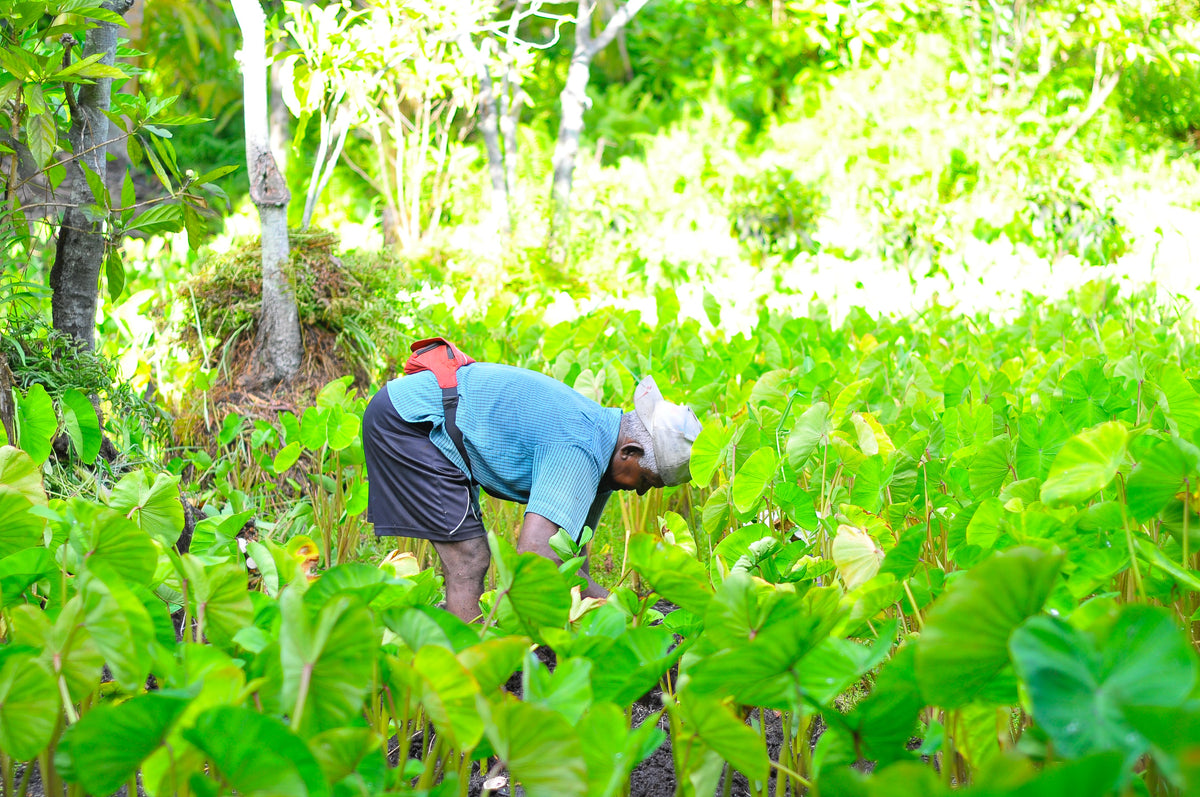
Agroforestry integrates trees with crop cultivation to create multiple income streams for farmers while restoring soil health and degraded lands. Trees fix nitrogen, improve soil structure, and generate microclimates benefiting surrounding crops—establishing a symbiotic relationship where both agricultural components thrive together.
In agricultural landscapes across India, a transformative practice is revolutionizing farming livelihoods. Trees for farmers through agroforestry systems are creating sustainable income streams while restoring degraded lands. This integrated approach combines traditional crop cultivation with strategic tree planting, offering farmers multiple revenue sources and environmental benefits that secure their future prosperity.
At Grow Billion Trees, we've witnessed firsthand how our Plant a tree in your Name initiative transforms agricultural communities. Through our comprehensive program offering 2-3ft Tree Planting + 3 Years Care + GeoTag technology, farmers gain access to expert guidance and monitoring systems that ensure successful tree establishment and long-term growth.
The Agroforestry Revolution ✅
Agroforestry represents a paradigm shift in agricultural thinking. Rather than viewing trees as obstacles to farming, this practice recognizes them as valuable partners in sustainable agriculture. Trees for farmers in agroforestry systems provide multiple benefits that extend far beyond traditional monoculture approaches.
The integration of trees with crops creates a symbiotic relationship where both components thrive. Trees contribute nitrogen fixation, improve soil structure, and create microclimates that benefit surrounding crops. According to the United Nations Sustainable Development Goals, agroforestry systems can increase crop yields by 20-30% while simultaneously sequestering carbon and promoting biodiversity.
Our agroforestry programs focus on native species selection that complement existing farming practices. Farmers receive detailed guidance on spacing, pruning, and management techniques that maximize both agricultural productivity and tree growth. This approach ensures that trees for farmers become assets rather than competition for resources.
Economic Fruits of Tree Planting ⭐
The financial benefits of integrating trees for farmers into agricultural systems are substantial and diverse. Beyond traditional crop income, trees provide multiple revenue streams that create economic resilience and stability for farming families.
Timber production offers long-term investment returns, with many species reaching commercial maturity within 8-12 years. Fruit and nut trees provide annual harvests that can be sold fresh or processed into value-added products. Non-timber forest products like medicinal plants, fodder, and organic matter create additional income opportunities throughout the year.
- ✅ Timber sales providing 15-25% annual returns on investment
- ✅ Fruit and nut harvests generating ₹50,000-₹2,00,000 per hectare annually
- ✅ Fodder production reducing livestock feed costs by 40-60%
- ✅ Medicinal plant cultivation creating premium market opportunities
Our farmers report average income increases of 35-50% within five years of implementing agroforestry systems. The diversified income sources provide financial security during crop failures or market fluctuations, making trees for farmers an essential risk management strategy.
Environmental Stewardship Through Tree Integration 🌱
Environmental benefits of trees for farmers extend beyond individual farms to entire watersheds and ecosystems. Trees act as natural infrastructure, providing essential ecosystem services that support agricultural sustainability and climate resilience.
Soil conservation represents one of the most critical benefits. Tree roots bind soil particles, preventing erosion during heavy rains or strong winds. The organic matter from fallen leaves improves soil fertility and water retention capacity. Research shows that agroforestry systems can reduce soil erosion by up to 75% compared to conventional farming methods.
Carbon sequestration through trees for farmers contributes significantly to climate change mitigation. The United Nations Climate Change initiative recognizes agroforestry as a key strategy for achieving global carbon reduction targets. Our GeoTag technology enables farmers to track and verify their carbon sequestration contributions, potentially accessing carbon credit markets for additional income.
Water cycle regulation improves through increased infiltration and reduced runoff. Trees create natural water storage systems that maintain soil moisture during dry periods and prevent flooding during monsoons. This hydrological stability is crucial for consistent crop production and long-term farm sustainability.
Shade, Shelter, and Livestock Benefits 💡
Strategic tree placement provides immediate practical benefits that improve overall farm productivity. Trees for farmers create favorable microclimates that protect crops and livestock from extreme weather conditions while enhancing growing conditions.
Crop protection through strategic shading reduces heat stress and water requirements. Shade-tolerant crops benefit from filtered sunlight, while wind barriers protect against storm damage and reduce moisture loss. Temperature moderation can increase crop yields by 10-20% in hot climates.
Livestock welfare improves significantly with adequate tree cover. Animals seek shade during hot weather, and trees provide natural windbreaks during cold periods. Improved animal comfort translates to better milk production, weight gain, and reproductive performance. Farmers report 15-25% increases in livestock productivity when adequate tree cover is available.
Fodder production from tree species like Leucaena, Gliricidia, and native varieties provides high-quality nutrition for livestock. Fresh fodder availability reduces feed costs while improving animal health through diverse nutritional sources.
Empowering Farmers Through Education ➡️
Knowledge transfer and capacity building form the foundation of successful agroforestry adoption. Our comprehensive education programs ensure that trees for farmers initiatives achieve maximum impact through informed decision-making and proper implementation techniques.
Training workshops cover species selection, planting techniques, pruning methods, and integrated pest management. Farmers learn to identify suitable tree species for their specific soil types, climate conditions, and market demands. This knowledge empowers them to make strategic choices that optimize both environmental and economic outcomes.
Demonstration plots showcase successful agroforestry models, allowing farmers to observe practical applications and results. Peer-to-peer learning through farmer field schools creates knowledge-sharing networks that accelerate adoption and innovation within communities.
Our certification programs provide farmers with credentials that enhance market access for their products. Certified sustainable agriculture practices command premium prices, creating additional incentives for adopting trees for farmers approaches.
Success Stories Across Indian Regions ⭐
The adaptability of trees for farmers systems is evident in successful implementations across India's diverse agricultural zones. From the wheat fields of Punjab to the coconut groves of Kerala, agroforestry demonstrates remarkable versatility and effectiveness.
In Maharashtra, sugarcane farmers have integrated Casuarina trees along field boundaries, creating windbreaks that protect crops while providing timber income. These farmers report 20% increases in sugarcane yields and additional annual income of ₹80,000 per hectare from timber sales.
Coffee growers in Karnataka have embraced shade trees like Grevillea and Silver Oak, improving coffee quality while generating timber revenue. The shade trees create optimal growing conditions that enhance coffee flavor profiles, commanding premium market prices.
Rice farmers in West Bengal have successfully integrated fruit trees on bunds and homesteads, maximizing land use efficiency. Mango, jackfruit, and guava trees provide nutritional security and additional income without interfering with rice cultivation cycles.
Overcoming Challenges and Implementing Solutions ⚠️
While trees for farmers offer tremendous benefits, implementation challenges require innovative solutions and supportive policies. Understanding and addressing these obstacles is crucial for widespread adoption and success.
Land tenure issues often prevent farmers from planting long-term crops like trees. Our programs work with local governments and NGOs to develop secure tenure arrangements that protect farmer investments in tree planting. Lease agreements and cooperative farming models provide alternatives for landless farmers.
Initial investment requirements can be prohibitive for small-scale farmers. Our affordable ₹299 tree planting program with 3 Years Care included reduces financial barriers while ensuring tree survival. Microfinance partnerships and government subsidies further support farmer participation.
Market access challenges for tree products require coordinated value chain development. We facilitate connections between farmers and buyers, establish collection centers, and support processing facilities that add value to raw products. These initiatives ensure that trees for farmers translate into sustainable livelihoods.
Technology Integration for Enhanced Success 📱
Modern technology revolutionizes how trees for farmers programs are implemented, monitored, and optimized. Digital tools enhance efficiency while providing valuable data for continuous improvement and impact measurement.
Our GeoTag system enables precise location tracking of planted trees, facilitating monitoring and maintenance scheduling. Farmers receive mobile app notifications for watering, pruning, and fertilization activities, ensuring optimal tree care throughout the growth period.
Satellite imagery and drone technology support land assessment and species selection. These tools identify optimal planting locations, monitor tree growth progress, and detect potential problems early. Data analytics help optimize spacing, species combinations, and management practices for maximum productivity.
Weather monitoring systems provide real-time information that guides irrigation scheduling and protection measures. Integration with market price data helps farmers make informed decisions about harvesting timing and product marketing strategies.
Corporate Partnerships and Net Zero Targets 🤝
Corporate engagement in trees for farmers initiatives creates win-win scenarios that benefit businesses, farmers, and the environment. Companies seeking to achieve Net Zero Targets find agroforestry programs provide verified carbon sequestration while supporting rural livelihoods.
Our corporate partnerships facilitate large-scale implementation of agroforestry systems across multiple farming communities. Companies sponsor tree planting initiatives as part of their environmental, social, and governance (ESG) commitments, while farmers receive technical support and guaranteed markets for their products.
Carbon credit programs enable farmers to monetize their environmental contributions. Verified carbon sequestration from trees for farmers generates additional income streams that improve project financial viability and farmer participation rates.
Supply chain partnerships connect farmers directly with corporate buyers, ensuring stable markets for agroforestry products. These relationships provide price premiums for sustainably produced goods while meeting corporate sustainability requirements.
Frequently Asked Questions
What types of trees are best for farmers in different regions?
Tree selection depends on climate, soil type, and market demand. In northern India, Poplar and Eucalyptus work well for timber. Southern regions benefit from Teak, Mahogany, and fruit trees like mango and coconut. Our experts provide region-specific recommendations based on local conditions and farmer objectives.
How much income can farmers expect from tree integration?
Income varies by species, management intensity, and market conditions. Timber trees typically provide 15-25% annual returns over 8-12 years. Fruit trees generate ₹50,000-₹2,00,000 per hectare annually. Combined with crop production, farmers often see 35-50% total income increases within five years.
What support does Grow Billion Trees provide to farmers?
We offer comprehensive support including species selection guidance, quality saplings, planting assistance, and 3 Years Care with regular monitoring. Our GeoTag technology tracks tree progress, and we provide ongoing technical support through mobile apps and field visits.
How do trees affect crop yields in agroforestry systems?
Properly managed agroforestry systems typically increase crop yields by 10-30% through improved soil fertility, water retention, and microclimate moderation. Strategic tree placement ensures minimal competition while maximizing beneficial effects like nitrogen fixation and pest control.
Can small-scale farmers afford to implement agroforestry?
Yes, our ₹299 tree planting program makes agroforestry accessible to small farmers. We also facilitate access to government subsidies, microfinance, and cooperative farming arrangements that reduce individual investment requirements while sharing benefits across community groups.
How long does it take to see returns from tree planting?
Returns timeline varies by species and objectives. Fast-growing trees for fodder and fuel provide benefits within 1-2 years. Fruit trees typically start producing within 3-5 years. Timber species require 8-12 years for full maturity but provide intermediate products like poles and fuelwood earlier.
What environmental benefits do trees provide to farming systems?
Trees offer numerous environmental benefits including soil erosion control, carbon sequestration, biodiversity enhancement, and water cycle regulation. According to the United Nations Environment Programme, agroforestry systems can sequester 2-4 tons of carbon per hectare annually while improving ecosystem resilience.
How does climate change affect tree selection for farmers?
Climate change requires careful species selection for drought tolerance, temperature resilience, and adaptability to changing precipitation patterns. We recommend native species and climate-adapted varieties that can withstand extreme weather events while providing consistent benefits to farmers.
What role do trees play in achieving Net Zero emissions?
Trees sequester atmospheric carbon in biomass and soil, contributing significantly to carbon neutrality goals. The World Wildlife Fund forest initiatives recognize agroforestry as a key climate solution. Our verified carbon sequestration programs help farmers and corporate partners achieve measurable emission reductions.
How can farmers access markets for agroforestry products?
We facilitate market connections through our network of buyers, processors, and cooperative marketing groups. Digital platforms connect farmers directly with consumers, while value-added processing opportunities increase product prices. Certification programs for sustainable production provide access to premium markets.
Cultivating a Greener Future Through Collective Action 🌍
The potential for trees for farmers to transform agricultural landscapes and rural livelihoods extends far beyond individual farms. Widespread adoption of agroforestry practices contributes to national goals of environmental restoration, climate resilience, and sustainable development.
Our vision of planting 100 crore trees across India includes significant focus on agricultural integration. By supporting farmers in adopting tree-based systems, we contribute to Combating Climate Change Through Collective Action while strengthening food security and rural prosperity.
The ripple effects of successful agroforestry adoption include improved watershed management, enhanced biodiversity conservation, and strengthened rural economies. These outcomes support broader sustainability goals while demonstrating the power of nature-based solutions to address multiple challenges simultaneously.
Technology integration, supportive policies, and market development create enabling environments for trees for farmers success. Continued investment in research, extension services, and infrastructure development will accelerate adoption and maximize impact across diverse agricultural systems.
Conclusion: Planting Seeds of Prosperity
As we witness the transformative power of trees for farmers across India's agricultural landscapes, the evidence is clear: agroforestry represents a pathway to sustainable prosperity that benefits farmers, communities, and the environment. Through strategic tree integration, farmers access diversified income sources, improved productivity, and enhanced resilience against climate uncertainties.
At Grow Billion Trees, our commitment to supporting farmers through comprehensive agroforestry programs reflects our belief in the power of collective action. Every tree planted through our Plant a tree in your Name initiative contributes to a larger vision of environmental restoration and rural empowerment.
The success stories emerging from farming communities across India demonstrate that trees for farmers are not just an environmental imperative but an economic opportunity. By embracing this integrated approach to agriculture, we cultivate not only healthier ecosystems but also more prosperous farming communities.
Join us in this transformative movement. Explore our agroforestry programs and discover how you can support farmers while contributing to India's goal of planting 100 crore trees. Together, we can grow prosperity that nurtures both people and planet for generations to come.
Keep reading
 Your Carbon, Decoded - carbon footprint of everyday Indian life.
- The IPL Is Planting 500 Trees for Every Dot Ball. Is It Enough?
 Nutri-Garden Revolution: How Poshan Vatika is Growing a Healthier India
- What Does a Tree Actually Do?
- Green Gold: How Indian Farmers Can Earn from Carbon Projects
- The Hidden Carbon Cost of IPL — What One Franchise Leaves Behind
Comments
Leave a comment