
Miyawaki Forests in Residential and Commercial Projects
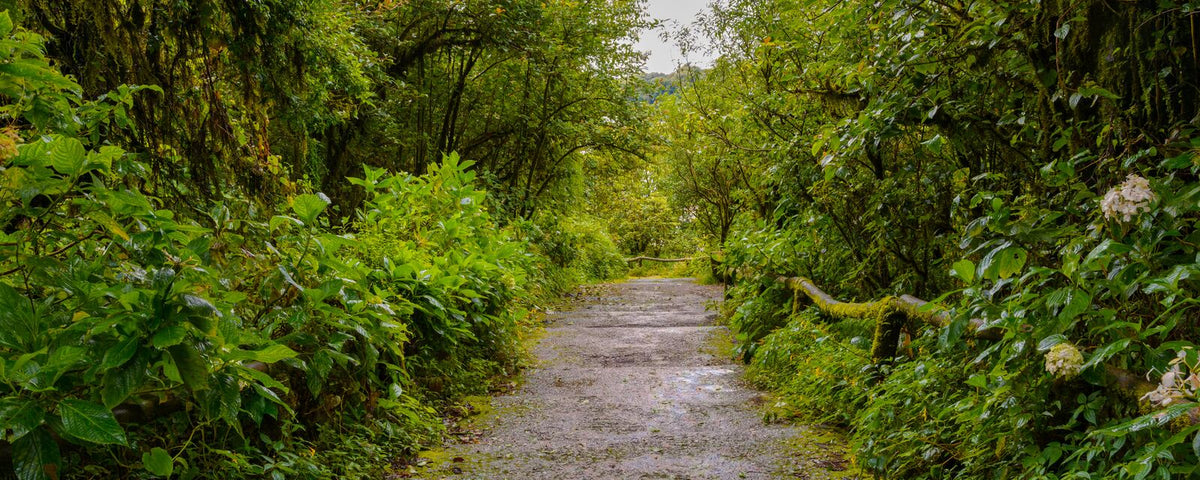
A Miyawaki forest is a small, dense planting of native species that suits leftover land in housing societies, offices and campuses. NHAI uses the method on land beside National Highways. It describes these forests as dense, native and biodiverse, and as a sound and dust barrier. It works when soil is prepared well, species are truly local, and someone waters and weeds it for the first few years.
What is a Miyawaki forest?
The method was developed by Japanese botanist Akira Miyawaki. Many native species are planted close together on well-prepared soil.
In its 2024 announcement, NHAI described the method as a way to create dense, native and biodiverse forests in a short period. It said the focus is indigenous species suited to local climate and soil.
Where it fits in a real estate project
| Space | Why it works | Watch out for |
|---|---|---|
| Boundary strips | Screens noise, dust and views from roads | Keep clear of boundary walls and drains |
| Leftover corners and setbacks | Turns unused land into habitat | Fire tender access and setback rules |
| Office and IT campuses | Shade, birds and a place to walk | Lighting and security sightlines |
| Over basements or podiums | Rarely suitable | Soil depth, waterproofing and load limits |
| Plotted layouts and townships | Pocket forests in open spaces | Who maintains after handover |
A Miyawaki block needs real soil, not a thin layer over a slab. Check structural limits with your engineer before planning one over a basement.
How it links to building rules and ratings
In 2022, MoEFCC published draft Building Construction Environment Management Regulations, PTI reported. The draft proposed one tree per 80 sq m and at least 10% of plot area under tree cover.
That was a draft for public comment. Check what your state building bye-laws and your environmental clearance actually require.
Green building ratings also reward tree planting and protection. Our IGBC and GRIHA guide explains what we could confirm.
Steps to build one
- Survey. Test soil, check sunlight, drainage and existing trees.
- Select species. List native trees, shrubs and climbers of the local forest type, in canopy layers.
- Prepare soil. Loosen deeply and add organic matter suited to the site.
- Plant densely. Mix species at random so no two neighbours are the same.
- Mulch. A thick layer keeps moisture in and weeds down.
- Care. Water, weed and replace losses, usually for at least two to three years.
Common mistakes
- Using ornamental or exotic plants because they are easy to buy.
- Too few species, which gives a hedge, not a forest.
- No drip line or watering plan for the first summers.
- Handing the forest to residents with no maintenance budget.
- Claiming large carbon numbers. Any carbon figure for a small forest is an estimate.
Who looks after it after handover?
Developers often hand common areas to a residents' association. Agree a maintenance plan and budget in the handover documents.
For commercial buildings, the facility manager should own it, with a simple monthly checklist and photo log.
Measuring success
| What to track | How | How often |
|---|---|---|
| Survival | Count live plants in marked plots | Every quarter in year one |
| Growth | Measure height of sample plants | Twice a year |
| Species mix | Check that all planted species are still present | Every year |
| Canopy closure | Fixed-point photos | Every year |
| Wildlife | Simple bird and butterfly counts by residents | Seasonally |
Involving residents and employees
A planting day with residents or staff builds ownership. People protect what they helped plant.
Keep the technical work with the planting team, and give volunteers clear tasks. Our CSR plantation page explains employee drives.
Miyawaki forest or conventional landscaping?
| Question | Miyawaki forest | Conventional landscaping |
|---|---|---|
| Look | Wild, dense, layered | Open lawns, clipped hedges, specimen trees |
| Species | Many native species | Often a few ornamental species |
| Water after establishment | Usually less, once the canopy closes | Regular irrigation of lawns |
| Access | Viewed from paths around it | Walk-through and play areas |
| Best use | Edges, buffers, corners | Central courts and gathering spaces |
Most projects benefit from both. Use dense native blocks on edges and keep open green space where people gather.
Budgeting
Costs depend on soil, water access, species and maintenance length. We price Miyawaki work per project after a site survey.
Budget maintenance as a separate line. Most failures come from the care period, not the planting day.
How Grow Billion Trees helps
We design and plant Miyawaki forests and urban forests for residential and commercial projects. Each comes with three years of care and geo-tagged records on GreenTrack. Miyawaki work is priced per project after a site survey. See our real estate page or the project cost estimator.
Frequently Asked Questions
How much land does a Miyawaki forest need?
It can work on small plots, but the space must have real soil, sunlight and access for watering. Ask for a site survey first.
Which species should we plant?
Native species from the local forest type, across canopy layers. NHAI's programme also focuses on indigenous species suited to local soil and climate.
Can we plant a Miyawaki forest on a podium?
Rarely. Soil depth, waterproofing and structural load usually make it unsuitable. Check with your structural engineer.
Does it count towards tree cover rules?
It may, depending on your state bye-laws and clearance conditions. Check those documents, as rules differ.
Who maintains it after the project is sold?
Agree this in the handover to the residents' association or facility manager, with a budget for at least the first few years.
How much carbon will it absorb?
Any figure is an estimate and small. Present a Miyawaki forest as shade, habitat and amenity, not as an offset.
Sources: PIB: NHAI Miyawaki plantations along National Highways (18 Jun 2024) · Outlook/PTI: Draft Building Construction Environment Management Regulations, 2022. Last updated: October 2026. Rules change; check the latest notification before you rely on any detail.


Leave a comment