
Eco-parks in coalfields: turning mined-out land into green space
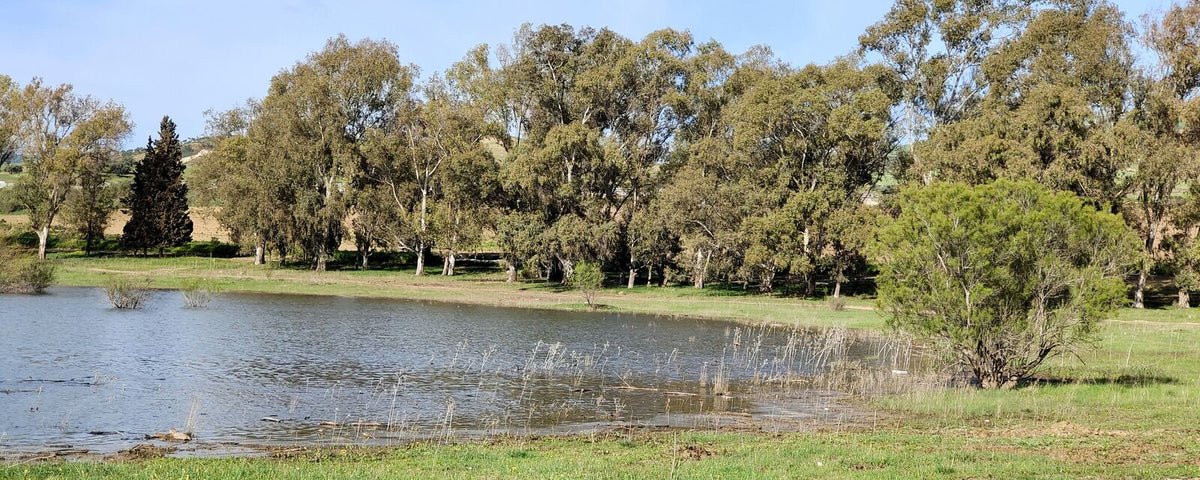
An eco-park turns a worked-out coal mine into public green space, with tree cover, grassland and often a water body in the old pit. The Ministry of Coal says coal and lignite PSUs completed 16 new eco-parks or mine tourism sites by March 2024. They target 34 more from 2024-25 to 2028-29. A good eco-park needs a safe landform, native planting and a plan for upkeep.
Eco-parks are now a standard end use for mined-out land in the coal sector. They give the community something back and show reclamation in a way anyone can see.
This guide covers what the ministry says, how to design the green parts, and what keeps an eco-park alive after the opening ceremony.
What does the Ministry of Coal say about eco-parks?
The ministry's eco-tourism page says mined-out areas offer potential for eco-parks, water sports, underground mine visits, golf grounds, recreation, adventure and bird watching. It says coal and lignite PSUs have developed more than 30 eco-parks through sustainable mine closure.
The ministry adds that these sites are expected to earn revenue for their own upkeep and create local jobs. Several coal companies have signed agreements with state tourism bodies.
| Milestone | Figure | Source |
|---|---|---|
| Planned, FY 2019-20 to 2023-24 | 10 new eco-parks / tourism sites | Ministry of Coal |
| Completed by March 2024 | 16 new eco-parks / mine tourism sites | Ministry of Coal; PIB Dec 2024 |
| Target, FY 2024-25 to 2028-29 | 34 new eco-parks / mine tourism sites | Ministry of Coal |
| Linked to local tourism circuits (Oct 2023) | 7 of the 15 then established | PIB Oct 2023 |
| Estimated funds for 19 planned sites (Oct 2023) | ₹128 crore | PIB Oct 2023 |
PIB described eco-parks as incorporating tree plantations and grasslands, and as parts of green landscapes. That makes the planting plan central to the whole project.
How should the green spaces be designed?
An eco-park has to work for people and for nature. We plan it in zones, each with its own planting logic.
Native forest blocks
Dense Miyawaki-style blocks of local species give quick shade and habitat on backfilled flats. They also screen roads and remaining mine works.
Grassland and open meadows
Grassland stabilises slopes and gives open views. It also costs less to maintain than lawns, which need constant water and mowing.
Water edges
Many eco-parks sit around a flooded pit. The 2013 closure guidelines note that a left-out void filled with water can help recharge groundwater for nearby residents.
Native trees and grasses along the banks reduce erosion and give birds cover. Our lake restoration team plans bank planting with the water design.
Avenues and visitor areas
Paths, parking and seating need shade trees with deep roots and strong branches. We avoid brittle species near crowds.
Fruit and pollinator corners
Native fruit trees and flowering shrubs bring birds, butterflies and school visits. They give local people a reason to protect the park.
What safety points come first?
An eco-park is still a former mine. The closure plan's safety section must be complete before the public arrives.
- Slope stability on old dumps and pit walls, checked by the mine planning team.
- Fencing and barriers at deep water and steep edges.
- Planting set back from unstable crests, so roots and irrigation do not add load.
- Clear rules on swimming and boating, which belong to the operator, not the planting plan.
What keeps an eco-park green after opening?
Most failures happen after handover. Trees planted for an opening event often die in the first summer.
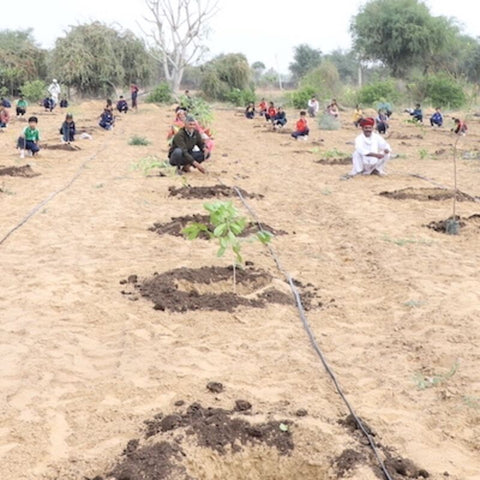
- A three-year care contract for every planted area, with watering, mulching and casualty replacement.
- Drip lines on dry slopes and near paths where hand watering is hard.
- Fixed-point photos and geo-tagged records, so the reclamation report shows real survival.
- A revenue plan for upkeep, which the ministry expects these sites to generate.
Can private and captive coal miners build eco-parks too?
Yes. The ministry's figures relate to PSUs, but the logic applies to any coal mine with a closure plan. An eco-park can be the agreed post-mining use for part of the lease.
Planting outside closure obligations, for nearby communities, may also fit a CSR programme. See our CSR Schedule VII checklist.
How Grow Billion Trees helps
We design and plant the green parts of an eco-park: native forest blocks, grassland, water edges, avenues and fruit corners. We care for the trees for three years, geo-tag each one on GreenTrack, and report 85% survival across our programmes. Projects are priced per project after a site survey. See the coal mining hub or urban forests for related work.
Further reading: Coal mine closure plans and eco-restoration: a practical guide · Overburden dump plantation that survives: methods and species
Frequently Asked Questions
What is a coal mine eco-park?
A worked-out mine area converted into public green space, often with tree cover, grassland and a water body in the old pit. The Ministry of Coal promotes them as a post-closure use.
How many eco-parks have coal PSUs built?
The ministry says 16 new eco-parks or mine tourism sites were completed by March 2024, and more than 30 have been developed overall. It targets 34 more from 2024-25 to 2028-29.
Which trees should an eco-park use?
Mostly native species suited to the local forest type, planted in layers. Shade avenues, fruit trees and grassland add variety. Species are fixed after a site survey.
Is an eco-park part of the mine closure plan?
It can be the agreed post-mining land use for part of the lease. The closure plan then covers its landform, safety and planting.
Who maintains an eco-park?
The mining company or its operator. The ministry expects these sites to generate revenue for their own upkeep.
How much does eco-park planting cost?
It is priced per project after a site survey, because area, slope and water access vary.
Sources: Ministry of Coal: Promoting eco-tourism in mining areas · PIB: Coal sector green cover and eco-parks (13 Oct 2023) · PIB: Green cover around coalfields (16 Dec 2024) · Ministry of Coal: Guidelines for preparation of mine closure plan (7 Jan 2013). Last updated: October 2026. Rules change; check the latest notification before you rely on any detail.
Keep reading
 Coal mine closure plans and eco-restoration: a practical guide
 Overburden dump plantation that survives: methods and species
 Monitoring mine reclamation: satellite, geo-tagging and reporting
 Mine reclamation under MCDR: progressive mine closure plans
 Limestone Quarry and Mine Reclamation for Cement Companies


Leave a comment