
Avocado Tree: Nutritional Goldmine, Superfood Symbol, and Green Treasure
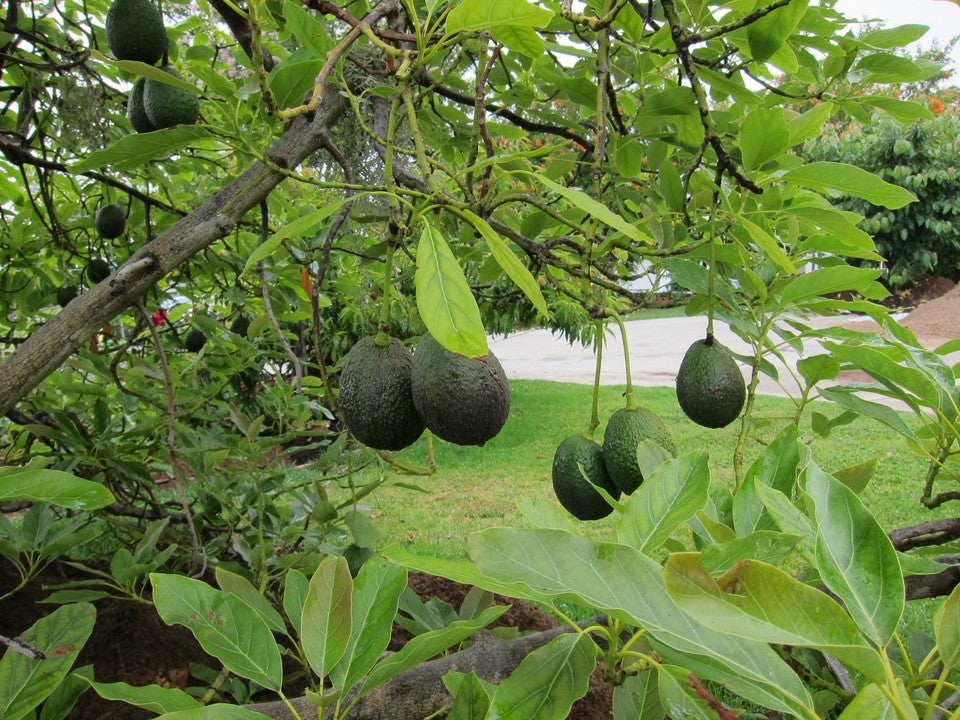
The Avocado Tree (Persea americana) is a tropical evergreen from the Lauraceae family, native to Central America. It produces pear-shaped, nutrient-packed fruit with creamy flesh, thriving in tropical and subtropical climates at heights of 10–15 metres. Valued equally for its nutritious fruit and environmental contributions, it earns the nickname 'green gold'.
The Avocado Tree, scientifically known as Persea americana, is a remarkable evergreen plant celebrated for its creamy, nutrient-packed fruit and ecological benefits.
Often called "green gold," the avocado has gained global fame for its versatile culinary uses, unmatched health benefits, and sustainable farming potential. Native to Central America, this tree has transcended its origins to become a symbol of modern wellness and green living.
In this blog, we’ll dive deep into the world of the Avocado Tree, uncovering its historical roots, ecological importance, health benefits, and its place in global cuisines and sustainable agriculture.
What is the Avocado Tree?
The Avocado Tree belongs to the Lauraceae family and thrives in tropical and subtropical climates. Known for its pear-shaped fruit with a creamy texture and rich flavor, this tree is as valuable for its environmental contributions as it is for its fruit.
Scientific Classification:
- Kingdom: Plantae
- Family: Lauraceae
- Genus: Persea
- Species: Persea americana
Physical Characteristics:
- Height: Typically grows between 10–15 meters (33–50 feet), but dwarf varieties are also cultivated.
- Leaves: Large, glossy, and elliptical, with a dark green hue.
- Flowers: Small, greenish-yellow, and inconspicuous, growing in clusters.
- Fruit: Pear-shaped, with a leathery green or black skin, creamy flesh, and a single large seed.
Historical and Cultural Significance
1. Ancient Origins:
The Avocado Tree is native to Central and South America, where it was cultivated as early as 5000 BCE by the Aztecs and Mayans, who called it "ahuacatl," meaning "testicle," referring to its shape and fertility symbolism.
2. Global Expansion:
Spanish explorers introduced avocados to Europe in the 16th century, and it later spread to Asia, Africa, and the Americas, becoming a staple crop worldwide.
3. Modern Superfood:
Today, avocados are hailed as a superfood, celebrated for their nutritional density and role in promoting heart health, weight management, and skin vitality.
Ecological Importance of the Avocado Tree
The Avocado Tree plays a vital role in enhancing biodiversity, improving soil quality, and mitigating climate change.
1. Carbon Sequestration:
As a fast-growing evergreen, the Avocado Tree absorbs significant amounts of carbon dioxide, contributing to climate change mitigation.
2. Pollinator Support:
Its small, nectar-rich flowers attract bees and other pollinators, supporting biodiversity and agricultural productivity.
3. Soil Enrichment:
Avocado orchards improve soil fertility by adding organic matter through fallen leaves and fruit.
4. Water Retention:
The tree’s root system helps retain soil moisture, making it a valuable addition to agroforestry systems.
Health Benefits and Nutritional Value
The avocado fruit is a powerhouse of nutrients, offering a range of health benefits backed by scientific research.
1. Heart Health:
Rich in monounsaturated fats and potassium, avocados help lower bad cholesterol (LDL) and regulate blood pressure, promoting cardiovascular health.
2. Weight Management:
Despite being calorie-dense, avocados are a favorite among weight-watchers due to their ability to promote satiety and reduce cravings.
3. Skin and Hair Care:
Packed with antioxidants like vitamin E and healthy fats, avocados nourish the skin, reduce signs of aging, and promote healthy hair.
4. Digestive Health:
The high fiber content supports digestion, prevents constipation, and maintains a healthy gut microbiome.
5. Nutrient Absorption:
Avocados enhance the absorption of fat-soluble vitamins like A, D, E, and K, making them an excellent addition to nutrient-rich meals.
6. Bone Health:
The fruit contains magnesium, potassium, and vitamin K, all of which are essential for strong bones and preventing osteoporosis.
Culinary Uses of Avocados
Avocados are a versatile culinary ingredient, loved for their creamy texture and subtle flavor.
1. Guacamole:
The classic Mexican dip combines mashed avocados with lime, salt, and spices for a tangy, creamy treat.
2. Smoothies:
Blended with fruits and milk or plant-based alternatives, avocados add a rich, velvety texture to smoothies.
3. Salads and Bowls:
Avocado slices enhance salads and grain bowls, adding creaminess and healthy fats.
4. Toast Topping:
Avocado toast, often topped with eggs, seeds, or vegetables, is a global breakfast favorite.
5. Desserts:
In some cultures, avocados are used in ice creams, puddings, and even chocolate mousse for their unique texture and taste.
Fun Facts About the Avocado Tree
- Survival of the Fittest: Avocado trees have been around for millions of years and were initially eaten by extinct megafauna like mammoths.
- Butter of the Forest: In some regions, avocados are called "butter of the forest" for their creamy texture and high-fat content.
- Global Favorite: Mexico is the largest producer and consumer of avocados, famously serving guacamole at fiestas and sporting events.
- A Tree for All Seasons: Avocado trees can flower up to three times a year, ensuring a steady supply of fruit.
- Superfood Status: Avocados are one of the only fruits rich in healthy fats, making them unique in the world of produce.
How to Grow and Care for an Avocado Tree
Growing an Avocado Tree is a rewarding endeavor, whether in an orchard or as a decorative indoor plant.
1. Ideal Growing Conditions:
- Climate: Prefers tropical and subtropical climates but can adapt to Mediterranean regions.
- Soil: Thrives in well-drained, sandy loam soil with a slightly acidic to neutral pH.
2. Planting:
- Propagate using seeds or grafted saplings.
- Plant in a sunny location with good drainage and ample space for the canopy to spread.
3. Maintenance:
- Watering: Requires regular watering, especially during the growing season, but avoid overwatering to prevent root rot.
- Pruning: Prune to remove dead branches and encourage healthy growth.
- Fertilization: Use organic compost or a balanced fertilizer rich in nitrogen and potassium.
Modern Applications of the Avocado Tree
The Avocado Tree’s versatility extends beyond its fruit, finding applications in various industries.
1. Beauty Products:
Avocado oil is a key ingredient in skincare, haircare, and cosmetic products for its nourishing and hydrating properties.
2. Health Supplements:
Avocado extracts are used in dietary supplements to support heart health and weight management.
3. Sustainable Farming:
Avocado orchards are integrated into agroforestry systems to improve soil health and biodiversity.
4. Food Industry:
Avocados are used in processed foods, including spreads, dressings, and baby foods, catering to global demand for healthy alternatives.
Environmental and Economic Impact
1. Livelihood Support:
Avocado farming provides income for millions of farmers, particularly in Mexico, Peru, and Kenya.
2. Export Economy:
Avocados are a significant export crop, driving economic growth in producing countries and meeting global demand.
3. Climate Resilience:
Avocado trees contribute to climate adaptation through carbon sequestration and water retention in agricultural landscapes.
Challenges and Conservation Efforts
Despite its popularity, avocado farming poses challenges that require attention.
1. Water Usage:
Avocado farming is water-intensive, raising concerns in drought-prone regions.
2. Monoculture Farming:
The expansion of avocado orchards can lead to deforestation and loss of biodiversity.
Conservation Measures:
- Encourage sustainable farming practices, such as intercropping and water conservation techniques.
- Promote community-led initiatives to balance production with environmental preservation.
- Raise awareness about the ecological impact of avocado farming and advocate for responsible consumption.
Conclusion
The Avocado Tree is a symbol of health, sustainability, and culinary innovation. From its creamy, nutrient-rich fruits to its role in climate resilience and sustainable agriculture, this tree offers a wealth of benefits for humans and the planet.
By planting and preserving Avocado Trees, we embrace a future of greener landscapes, healthier diets, and thriving ecosystems.
Whether you’re a gardener, a food enthusiast, or an environmental advocate, the Avocado Tree is a worthy addition to your world.
Celebrate the timeless charm of the Avocado Tree and let its "green gold" inspire a healthier, more sustainable future. 🥑✨
Further reading: Malabar Chestnut Tree: Unlocking the Secrets of This Nutrient-Rich Superfood and Its Incredible Benefits · Macadamia Tree: Unlocking Nature's Nutty Treasure Secrets
Frequently Asked Questions
What is the avocado tree and why is it called a green treasure?
The avocado tree is a tropical marvel that produces creamy, nutrient-rich fruits. Its superfood status, lush foliage, and environmental benefits make it a true green treasure.
How can I grow an avocado tree at home?
Plant the seed or sapling in sunny, well-drained soil, water moderately, and give it some love. With patience, your avocado tree will reward you with buttery fruits.
What are the nutritional benefits of avocados?
Avocados are packed with healthy fats, vitamins E and K, potassium, and fiber. They’re the guilt-free, creamy delight your health-conscious heart deserves.
How do avocados support heart health?
Rich in monounsaturated fats, avocados help lower bad cholesterol and boost heart health. They’re like a buttery hug for your cardiovascular system.
What makes avocado tree leaves special?
Avocado leaves are used in teas and remedies for digestion and overall wellness. They’re the unsung heroes of this fruitful tree.
Do avocado trees need a lot of care?
Not much! Avocado trees thrive in sunny spots with well-drained soil. Water them moderately, and they’ll grow with minimal fuss while looking fabulous.
How do avocado flowers contribute to fruit production?
Avocado flowers attract pollinators and are essential for fruiting. Though small and understated, they’re the behind-the-scenes stars of the tree’s harvest.
Why is the avocado tree ideal for landscaping?
With its lush green canopy and tropical vibe, the avocado tree enhances gardens with beauty and function. It’s the eco-friendly showstopper your yard needs.
Can avocados improve skin and hair health?
Absolutely! Avocados are rich in oils and antioxidants that hydrate skin and hair, leaving them soft, smooth, and glowing. It’s beauty care, the green way.
Why are avocado trees popular in orchards?
Avocado trees yield high-value fruits and thrive in tropical and subtropical climates. They’re the MVPs of orchard planning and the gift that keeps giving.
How do avocados elevate culinary creations?
From guacamole to avocado toast, avocados add creamy texture and healthy fats to dishes. They’re the versatile kitchen hero chefs adore.
What is the cultural significance of avocado trees?
Avocado trees symbolize abundance and prosperity in various cultures. Their fruits have been cherished for centuries, making them a symbol of nature’s generosity.
Keep reading
 Butter Tree: Unlocking the Secrets of Nature’s Creamy Wonder for Health and Wellness
 Malabar Chestnut Tree: Unlocking the Secrets of This Nutrient-Rich Superfood and Its Incredible Benefits
 Macadamia Tree: Unlocking Nature's Nutty Treasure Secrets
 Orange Tree: Vitamin C Powerhouse, Citrus Charm, and Fruity Goodness
 Water Apple Tree: Tropical Delight, Nutritional Value, and Orchard Favorite


Comments
Leave a comment