
Malabar Chestnut Tree: Unlocking the Secrets of This Nutrient-Rich Superfood and Its Incredible Benefits
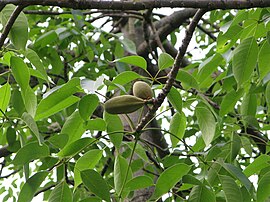
The Malabar Chestnut tree (Bombax ceiba), native to tropical regions of Central and South America, produces seeds that are a rich source of plant-based nutrition. The seeds contain approximately 30% protein, high levels of fiber, and antioxidants that support digestive health and help reduce the risk of chronic diseases.
The Malabar Chestnut tree, scientifically known as Bombax ceiba, is a remarkable species that has garnered attention for its nutritional benefits and environmental significance.
Often referred to as the "superfood tree," the Malabar Chestnut is native to the tropical regions of Central and South America, particularly in countries like Brazil, Colombia, and Peru.
This blog will delve into the secrets of this nutrient-rich superfood, its incredible benefits, and the environmental impact of its cultivation. Additionally, we will explore how organizations like Grow Billion Trees Partners are executing and promoting projects in this region to ensure the sustainability of this valuable resource.
Nutritional Profile of Malabar Chestnut
The Malabar Chestnut is not just a tree; it is a powerhouse of nutrients. The seeds of the Malabar Chestnut are rich in protein, healthy fats, and essential vitamins and minerals.
According to a study published in the Journal of Food Science and Technology, the seeds contain about 30% protein, making them an excellent plant-based protein source. They are also high in fiber, which aids in digestion and promotes gut health.
Moreover, the seeds are packed with antioxidants, which help combat oxidative stress in the body. Antioxidants play a crucial role in reducing the risk of chronic diseases, including heart disease and cancer.
The presence of essential fatty acids, particularly omega-3 and omega-6, contributes to improved heart health and brain function.
Fun Facts About Malabar Chestnut
- The Malabar Chestnut tree can grow up to 30 meters tall and has a wide canopy, making it an excellent shade provider in tropical climates.
- Its flowers are large, bright red, and attract various pollinators, including bees and butterflies, contributing to biodiversity.
- The tree's bark is traditionally used in the production of textiles and ropes, showcasing its versatility beyond food.
- In some cultures, the Malabar Chestnut is considered a sacred tree, symbolizing strength and resilience.
Historical Significance
The Malabar Chestnut has deep historical roots in indigenous cultures. Native tribes in the Amazon have utilized the tree for centuries, not only for its nutritional benefits but also for its medicinal properties.
The seeds were traditionally ground into a paste and used to treat various ailments, including digestive issues and skin problems.
As globalization has increased, the Malabar Chestnut has gained popularity in various parts of the world. Today, it is cultivated in many tropical regions, and its seeds are processed into flour, oil, and other products that are gaining traction in health food markets.
Health Benefits of Malabar Chestnut
The health benefits of Malabar Chestnut are numerous, making it a valuable addition to any diet. Here are some of the most notable advantages:
- Rich Source of Protein: With about 30% protein content, the seeds are an excellent option for vegetarians and vegans looking to boost their protein intake.
- High in Fiber: The high fiber content supports digestive health, helps regulate blood sugar levels, and promotes a feeling of fullness.
- Antioxidant Properties: The antioxidants present in the seeds help protect the body from oxidative stress and reduce inflammation.
- Heart Health: The essential fatty acids in Malabar Chestnut seeds can lower cholesterol levels and reduce the risk of heart disease.
- Weight Management: The combination of protein and fiber can aid in weight management by promoting satiety and reducing overall calorie intake.
Environmental Impact
The cultivation of Malabar Chestnut trees has significant environmental benefits. As a native species, it plays a crucial role in maintaining the ecological balance in tropical forests. Here are some of the environmental impacts of growing Malabar Chestnut:
- Biodiversity Enhancement: The Malabar Chestnut tree provides habitat and food for various species, including birds, insects, and mammals, thus supporting biodiversity.
- Soil Conservation: The extensive root system of the Malabar Chestnut helps prevent soil erosion and promotes soil health.
- Carbon Sequestration: Like all trees, the Malabar Chestnut absorbs carbon dioxide from the atmosphere, contributing to climate change mitigation.
- Shade and Microclimate Regulation: The large canopy of the Malabar Chestnut provides shade, helping to regulate temperatures in its surrounding environment.
How Grow Billion Trees Partners is Making a Difference
Organizations like Grow Billion Trees Partners are at the forefront of promoting the cultivation of Malabar Chestnut trees. Their mission is to plant and nurture a billion trees globally, with a focus on regions where the Malabar Chestnut thrives. Here’s how they execute and promote their projects:
- Community Engagement: Grow Billion Trees Partners works closely with local communities to raise awareness about the benefits of the Malabar Chestnut. They conduct workshops and training sessions to educate locals on sustainable farming practices.
- Planting Initiatives: The organization organizes tree-planting events that involve community members, schools, and local governments. This not only helps in reforestation efforts but also fosters a sense of ownership among participants.
- Research and Development: Collaborating with agricultural scientists, Grow Billion Trees Partners invests in research to optimize the cultivation of Malabar Chestnut trees, ensuring high yields and better quality seeds.
- Market Access: The organization assists local farmers in accessing markets for their Malabar Chestnut products, ensuring they receive fair compensation for their efforts.
- Monitoring and Evaluation: Continuous monitoring of tree health and growth is conducted to assess the impact of their initiatives and make necessary adjustments to their strategies.
Further reading: Walnut Tree: Unlocking the Secrets to Health Benefits, Care Tips, and Delicious Recipes · Guiana Chestnut Tree: The Ultimate Guide to Its Benefits, Care, and Unique Features
Frequently Asked Questions
What is the Malabar Chestnut tree?
The Malabar Chestnut tree, or Bombax ceiba, is a nutrient-packed wonder from Central and South America, often dubbed the "superfood tree." It's not just about the tasty seeds; this tall beauty also plays a vital role in tropical ecosystems, making it a true multitasker in nature's grand design.
What nutrients does Malabar Chestnut offer?
Packed with about 30% protein, healthy fats, and fiber, Malabar Chestnut seeds are a nutritional powerhouse. They also boast essential vitamins, minerals, and antioxidants that help fight oxidative stress. It’s like nature's own protein shake, ready to fuel your body and keep you feeling fabulous!
How can I incorporate Malabar Chestnut into my diet?
Get creative with Malabar Chestnut! Use its flour for gluten-free baking, roast the seeds for a crunchy snack, drizzle its oil on salads, or toss some powder into smoothies. With so many delicious options, you’ll be a culinary explorer in no time, all while enjoying its superfood benefits!
What are the health benefits of Malabar Chestnut?
Malabar Chestnut is a health superhero! Its high protein and fiber content support digestion and weight management, while antioxidants protect against chronic diseases. Plus, the essential fatty acids promote heart health. It’s like having a wellness coach in seed form—delicious and good for you!
Why is Malabar Chestnut considered a superfood?
With its rich nutritional profile, including high protein, fiber, and antioxidants, Malabar Chestnut earns its superfood title. It’s not just a snack; it’s a health boost in disguise! Eating these seeds is like giving your body a superhero cape—ready to take on the day!
What environmental benefits does Malabar Chestnut provide?
Malabar Chestnut trees are environmental champions! They enhance biodiversity, conserve soil, sequester carbon, and regulate microclimates. By planting these trees, you’re not just greening the planet; you’re creating a thriving ecosystem. It’s like hosting a party for nature, and everyone’s invited!
How does Grow Billion Trees Partners support Malabar Chestnut cultivation?
Grow Billion Trees Partners is on a mission! They engage local communities, organize planting events, and collaborate with scientists to optimize Malabar Chestnut cultivation. By helping farmers access markets and ensuring tree health, they’re not just planting trees; they’re planting hope for the future!
What makes Malabar Chestnut historically significant?
Historically, the Malabar Chestnut has been a staple for indigenous cultures in the Amazon, used for nutrition and medicinal purposes. Its seeds were ground into pastes for treating various ailments. Today, this ancient wisdom meets modern health trends, making it a timeless treasure for all!
How tall can the Malabar Chestnut tree grow?
The Malabar Chestnut tree can reach impressive heights of up to 30 meters! With its wide canopy, it provides ample shade in tropical climates. It’s like nature’s skyscraper, offering a cool refuge while contributing to the ecosystem—talk about a lofty ambition!
What role do antioxidants play in Malabar Chestnut?
Antioxidants in Malabar Chestnut seeds are like tiny warriors in your body, combating oxidative stress and reducing inflammation. They play a crucial role in lowering the risk of chronic diseases, such as heart disease and cancer. So, munch on those seeds and let the antioxidants do their magic!
Is Malabar Chestnut suitable for vegans and vegetarians?
Absolutely! With its high protein content and plant-based goodness, Malabar Chestnut is a fantastic choice for vegans and vegetarians. It’s a delicious way to boost protein intake without sacrificing flavor. Who knew saving the planet could taste so good?
What is the significance of Malabar Chestnut flowers?
The Malabar Chestnut flowers are not only stunning with their bright red hues, but they also attract pollinators like bees and butterflies. This contributes to biodiversity, making the tree a vital player in the ecological dance of life. Beauty and purpose? Now that’s a winning combination!
Keep reading
 Walnut Tree: Unlocking the Secrets to Health Benefits, Care Tips, and Delicious Recipes
 Guiana Chestnut Tree: The Ultimate Guide to Its Benefits, Care, and Unique Features
 Malabar Plum Tree: Unlocking Nature's Superfruit for Health
 Sweet Chestnut Tree: Hidden Benefits & Beauty of This Remarkable Species
 Chinese Chestnut Tree: Complete Growing Guide for Nature's Treasure


Leave a comment