
Redwood Ash Tree: Unveiling Nature's Majestic Carbon-Capturing Marvel
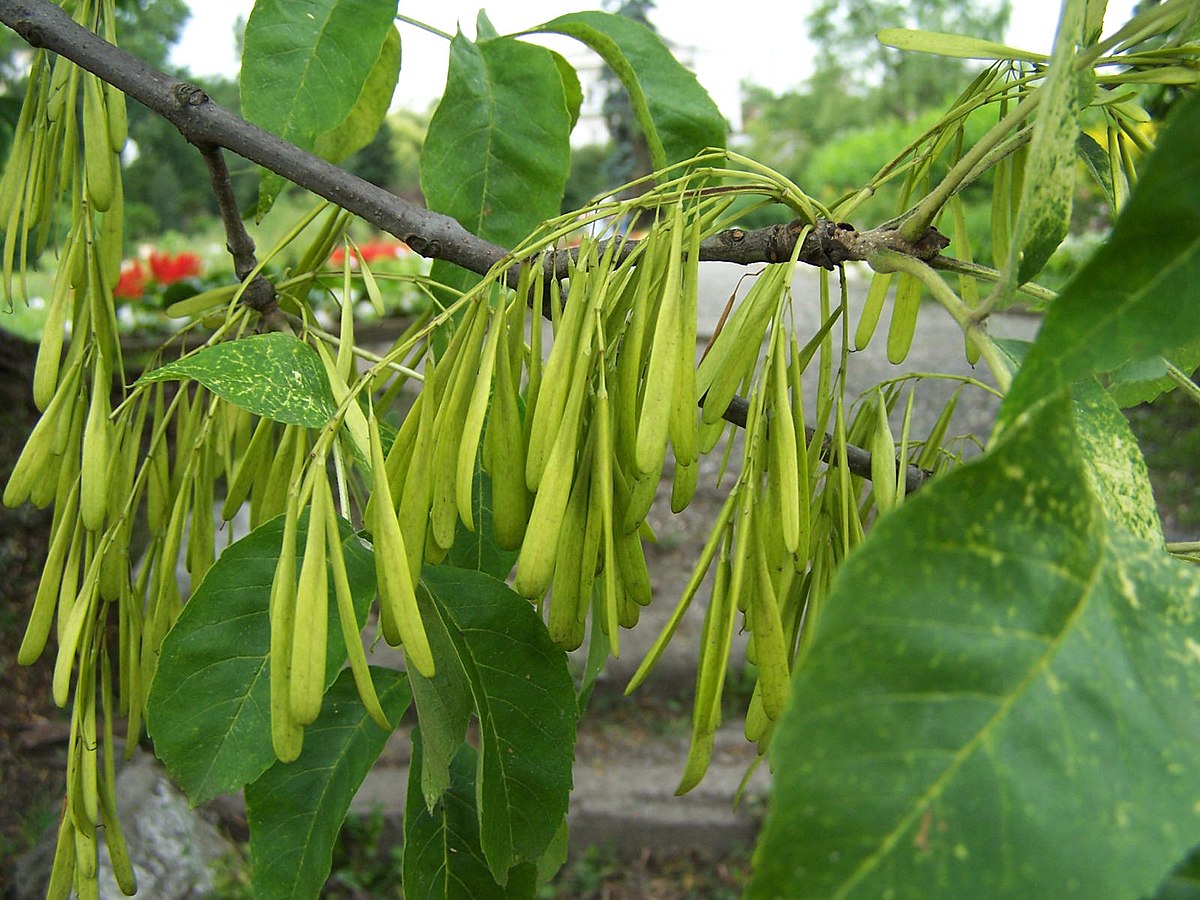
The Redwood Ash Tree (Fraxinus pennsylvanica) is a deciduous hardwood native to North America that absorbs approximately 48 pounds of CO2 annually. This species grows up to 80 feet tall and prefers moist, well-drained soils, supporting carbon sequestration and broader ecosystem functions.
The Redwood Ash Tree stands as one of nature's most remarkable carbon-capturing champions, absorbing approximately 48 pounds of CO2 annually while supporting entire ecosystems. Known scientifically as Fraxinus pennsylvanica, this deciduous hardwood represents the perfect harmony between environmental resilience and ecological value, making it an essential ally in our mission to Plant a tree in your Name and achieve our goal of planting 100 crore trees across India.
✅ Characteristics of the Redwood Ash Tree
The Redwood Ash Tree is a deciduous hardwood species native to North America that exemplifies nature's adaptability. It typically grows in moist, well-drained soils and can reach impressive heights of up to 80 feet, with trunk diameters spanning 2-3 feet. This majestic tree showcases the power of sustainable forestry practices that organizations like Grow Billion Trees champion through our comprehensive reforestation programs.
The tree's strikingly beautiful foliage undergoes a spectacular seasonal transformation. In spring, vibrant green leaves emerge, gradually transitioning to brilliant yellow or orange hues in fall. This natural cycle not only enhances aesthetic appeal but plays a crucial role in the tree's lifecycle, supporting the broader ecosystem through seasonal nutrient cycling.
One of the most fascinating aspects of the Redwood Ash Tree is its remarkable environmental resilience. It tolerates both drought and flooding conditions, making it an ideal species for climate adaptation strategies. The tree produces clusters of small, fragrant flowers each spring, attracting essential pollinators like bees and butterflies, contributing significantly to local biodiversity.
⭐ Scientific Data and Environmental Impact
Scientific studies reveal that the Redwood Ash Tree plays a crucial role in carbon sequestration, aligning perfectly with global climate change mitigation efforts. According to research by the U.S. Forest Service, a mature Redwood Ash Tree absorbs approximately 48 pounds of carbon dioxide annually, equivalent to emissions from a car driving 26 miles. This impressive carbon-capturing ability supports our Net Zero Targets and demonstrates why tree planting initiatives are vital for Combating Climate Change Through Collective Action.
The tree's extensive root system provides multiple environmental benefits beyond carbon storage. It prevents soil erosion, filters water pollutants, and reduces runoff in nearby streams and rivers. These characteristics make the Redwood Ash Tree an excellent choice for environmental restoration projects, supporting the United Nations Sustainable Development Goals related to climate action and ecosystem preservation.
💡 Key Environmental Benefits
- ✅ Carbon sequestration: 48 pounds CO2 absorbed annually per mature tree
- ✅ Soil erosion prevention through extensive root networks
- ✅ Water quality improvement via natural filtration
- ✅ Biodiversity support for pollinators and wildlife
- ✅ Climate resilience through drought and flood tolerance
🌿 Historical Significance and Cultural Value
The historical significance of the Redwood Ash Tree spans centuries, with Indigenous peoples revering this species for both practical and spiritual purposes. Native American tribes utilized the tree's bark for creating ropes and baskets, while its durable wood was fashioned into essential tools and weapons. This sustainable use demonstrates traditional ecological wisdom that modern conservation efforts strive to emulate.
As European settlers arrived in North America, they quickly recognized the Redwood Ash Tree's exceptional value for construction and manufacturing. However, this recognition led to widespread overharvesting and habitat loss. By the late 19th and early 20th centuries, many Redwood Ash populations had declined significantly, highlighting the importance of sustainable forestry practices that we champion through our 2-3ft Tree Planting + 3 Years Care + GeoTag program.
Conservation efforts gained momentum in the mid-20th century as scientists and environmentalists recognized the urgent need to protect this iconic species. Today, organizations worldwide are working to restore Redwood Ash populations while promoting sustainable harvesting practices that balance human needs with ecological preservation.
🌱 Remarkable Facts About the Redwood Ash Tree
The Redwood Ash Tree possesses numerous fascinating characteristics that make it a valuable addition to any reforestation program. These remarkable features demonstrate why this species deserves protection and cultivation efforts:
- Longevity: Redwood Ash Trees can live for over 100 years, making them a long-term investment for sustainable landscapes
- Wildlife Habitat: Provides essential habitat and food sources for various species including birds, squirrels, and beneficial insects
- Wood Quality: Highly valued for strength and durability, making it ideal for sustainable furniture and flooring applications
- Medicinal Properties: Traditional uses include treating fevers and skin conditions through bark and leaf preparations
- Pollinator Support: Spring flowers provide crucial nectar sources for bees and butterflies
🌍 Conservation Efforts and Global Impact
Modern conservation efforts recognize the Redwood Ash Tree's critical role in maintaining ecological balance and supporting climate resilience. The World Wildlife Fund's forest conservation initiatives emphasize the importance of protecting native tree species like the Redwood Ash Tree to maintain biodiversity and ecosystem stability.
Climate change presents new challenges for forest ecosystems, with many tree species facing threats from rising temperatures, invasive pests, and changing precipitation patterns. The Redwood Ash Tree's natural adaptability and resilience make it a valuable species for climate adaptation strategies, providing hope for future forest sustainability.
At Grow Billion Trees, we understand that successful conservation requires both protection of existing forests and strategic reforestation efforts. Our comprehensive approach includes species selection based on ecological value, climate resilience, and community benefits. The Redwood Ash Tree exemplifies these criteria, making it an excellent candidate for restoration projects across suitable habitats.
Discover our miyawaki forest creation programs that incorporate climate-resilient species like the Redwood Ash Tree for maximum environmental impact.🔬 Modern Research and Future Prospects
Contemporary research continues to reveal new insights about the Redwood Ash Tree's ecological contributions and potential applications. Scientists are studying its genetic diversity, disease resistance, and adaptation mechanisms to inform conservation strategies and breeding programs. This research supports evidence-based approaches to forest restoration that maximize both environmental benefits and long-term sustainability.
Advances in biotechnology and forest management techniques offer new opportunities for Redwood Ash Tree conservation. Seed banking, tissue culture propagation, and assisted migration strategies help ensure genetic diversity while expanding the species' range to suitable new habitats. These innovative approaches complement traditional conservation methods, creating comprehensive protection strategies.
→ Research Applications
- Genetic diversity studies for conservation breeding programs
- Climate adaptation research for future habitat suitability
- Carbon sequestration optimization through management practices
- Ecosystem service quantification for policy development
- Sustainable harvesting guidelines for commercial applications
🌳 Planting and Care Guidelines
Successfully establishing Redwood Ash Trees requires understanding their specific growing requirements and providing appropriate care during critical establishment phases. These guidelines support our mission to ensure every planted tree thrives and contributes to our goal of planting 100 crore trees with guaranteed survival rates.
Site selection plays a crucial role in Redwood Ash Tree success. Choose locations with moist, well-drained soils and adequate sunlight exposure. The species tolerates various soil types but performs best in slightly acidic to neutral pH conditions. Proper spacing allows for mature canopy development while preventing overcrowding that can lead to competition stress.
⚠️ Essential Care Requirements
- Regular watering during establishment (first 2-3 years)
- Mulching to retain soil moisture and suppress weeds
- Pruning for structural development and health maintenance
- Monitoring for pests and diseases with integrated management approaches
- Fertilization based on soil testing and growth requirements
Further reading: Green Ash Tree: Ultimate Guide to Benefits, Care & Landscape · Black Ash Tree: Unveiling the Secrets, Benefits, and Care Tips for This Majestic Species
Frequently Asked Questions
What makes the Redwood Ash Tree special compared to other ash species?
The Redwood Ash Tree stands out for its exceptional climate resilience, tolerating both drought and flooding conditions while maintaining strong carbon sequestration capabilities. Its adaptability makes it ideal for diverse environmental conditions and climate change adaptation strategies.
How long does it take for a Redwood Ash Tree to mature?
Redwood Ash Trees typically reach maturity in 20-30 years, though they continue growing and increasing their environmental benefits for over 100 years. Our 2-3ft Tree Planting + 3 Years Care + GeoTag program ensures optimal establishment during these critical early years.
Can Redwood Ash Trees survive in urban environments?
Yes, Redwood Ash Trees demonstrate good urban tolerance when properly planted and maintained. They handle air pollution reasonably well and provide excellent shade and air quality benefits in city landscapes, supporting urban forest initiatives.
What wildlife species benefit from Redwood Ash Trees?
Redwood Ash Trees support diverse wildlife including songbirds, squirrels, beneficial insects, and pollinators. The tree's flowers provide nectar sources while its seeds offer food for various bird species, creating valuable habitat corridors.
How much carbon does a Redwood Ash Tree sequester annually?
A mature Redwood Ash Tree absorbs approximately 48 pounds of carbon dioxide annually, equivalent to offsetting emissions from driving a car 26 miles. This impressive carbon capture supports Net Zero Targets and climate change mitigation efforts.
Are Redwood Ash Trees suitable for reforestation projects in India?
While native to North America, similar ash species and climate-adapted alternatives can support reforestation goals in India. Grow Billion Trees focuses on native Indian species that provide comparable environmental benefits while supporting local ecosystems.
What are the main threats to Redwood Ash Tree populations?
Primary threats include habitat loss, invasive pests like the emerald ash borer, climate change impacts, and overharvesting. Conservation efforts focus on habitat protection, pest management, and sustainable forestry practices to ensure species survival.
How can individuals contribute to Redwood Ash Tree conservation?
Support conservation organizations, participate in tree planting initiatives, choose sustainable wood products, and advocate for forest protection policies. Plant a tree in your Name through verified programs that ensure proper care and monitoring.
What soil conditions do Redwood Ash Trees prefer?
Redwood Ash Trees thrive in moist, well-drained soils with slightly acidic to neutral pH levels. They tolerate various soil types but perform best with adequate organic matter and good drainage to prevent root rot issues.
How do Redwood Ash Trees contribute to water quality improvement?
The extensive root systems filter pollutants from soil and groundwater while reducing erosion and runoff. This natural filtration process improves water quality in nearby streams and rivers, supporting aquatic ecosystem health.
🌟 Join the Movement: Plant Your Legacy Today
The Redwood Ash Tree represents more than just a beautiful addition to our landscapes—it embodies hope for a sustainable future where nature and humanity thrive together. Through understanding and protecting these magnificent trees, we contribute to Combating Climate Change Through Collective Action while preserving biodiversity for future generations.
At Grow Billion Trees, we're committed to making tree planting accessible and impactful for everyone. Our comprehensive approach ensures that every tree planted receives the care needed to flourish, supported by our innovative GeoTag technology that allows you to track your tree's growth and impact over time.
Ready to make a lasting environmental impact? Plant a tree in your Name today for just ₹299 and join thousands of environmentally conscious individuals working toward our shared goal of planting 100 crore trees. Together, we can create a greener, more sustainable world where majestic trees like the Redwood Ash continue to inspire and protect our planet for generations to come. Discover how you can plant your legacy today.
Keep reading
 Green Ash Tree: Ultimate Guide to Benefits, Care & Landscape
 Black Ash Tree: Unveiling the Secrets, Benefits, and Care Tips for This Majestic Species
 Golden Ash Tree: Nature's Majestic Beauty and Environmental Benefits
 Mexican Ash Tree: The Ultimate Guide to Beauty, Benefits & Care
 Narrow Leaf Ash Tree: The Ultimate Guide to Benefits & Care


Leave a comment