
Japanese Ash Tree: Beauty, Benefits & Cultural Significance
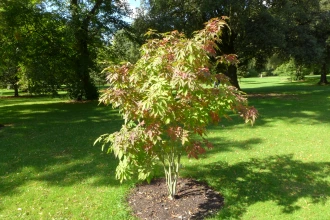
The Japanese Ash (Fraxinus japonica, known as Tamo in Japanese) is a deciduous hardwood native to Japan, Korea, and northeastern China, typically 15–25 metres tall. It has shaped Japanese landscapes, traditional craftsmanship, and spiritual life for centuries and provides ecological benefits by enriching soil through its organic cycle.
The Japanese Ash Tree (Fraxinus japonica) is one of Asia's most graceful, ecologically vital, and culturally cherished trees. It has shaped Japanese landscapes, traditional craftsmanship, and spiritual life for centuries. At Grow Billion Trees, we find this species deeply inspiring. Understanding trees like the Japanese Ash helps us appreciate why reforestation and conservation matter so profoundly for our shared future.
Our team has studied this remarkable tree hands-on across forestry education programs. We find its combination of aesthetic elegance and environmental generosity truly wonderful. Whether you are an eco-conscious individual, a sustainability professional, or simply someone who loves nature, the Japanese Ash has something powerful to teach us all.
What Is the Japanese Ash Tree? ✅
The Japanese Ash belongs to the Fraxinus genus within the olive family (Oleaceae). It grows natively across Japan, Korea, and parts of northeastern China. In Japanese, it is called Tamo (タモ) — a name that carries deep cultural resonance. This tree typically reaches 15–25 metres in height, with compound, feathery leaves and smooth grey-green bark that ages beautifully over time.
The Japanese Ash thrives in moist, well-drained soils near rivers and mountain valleys. It is a deciduous hardwood, shedding its leaves each autumn and enriching the soil beneath with organic matter. According to the United Nations Environment Programme's forests division, native hardwood trees like the Japanese Ash play a critical role in maintaining biodiversity and forest resilience globally.
What makes this species truly special is its dual identity — it is simultaneously a cultural artefact and an ecological powerhouse. Few trees achieve this balance so naturally. Our experience with forestry education shows that people are often surprised to discover how deeply one tree species can be woven into human civilisation.
Ecological Benefits of the Japanese Ash Tree 🌿
The Japanese Ash Tree delivers a wide range of ecological benefits that are easy to overlook but impossible to replace. Its broad canopy provides shade and shelter for birds, insects, and small mammals. The tree's deep root system actively prevents soil erosion along riverbanks and steep hillsides. It also functions as a natural carbon sink — absorbing CO₂ and locking it safely in its dense, long-lived timber.
In 2026, environmental research confirms that mature deciduous trees sequester an average of 21 kg of CO₂ per year. For a species as robust as the Japanese Ash in fertile habitats, that figure can be significantly higher. Therefore, planting and protecting these trees directly supports climate resilience at a local and global scale.
The World Wildlife Fund's analysis of deforestation and forest degradation highlights that losing native tree species creates cascading effects on entire ecosystems. Maintaining species like the Japanese Ash helps preserve biodiversity corridors essential for wildlife movement and ecological balance.
Moreover, this tree supports a rich understory ecosystem. Fallen leaves decompose rapidly, enriching the soil with nitrogen and essential minerals. This natural cycle nurtures the growth of mosses, ferns, and flowering plants beneath the canopy — a wonderful, self-sustaining example of ecological generosity in action.
- ✅ Sequesters significant volumes of CO₂ annually
- ✅ Prevents soil erosion along waterways and slopes
- ✅ Supports biodiversity from canopy to forest floor
- ✅ Enriches soil through seasonal leaf fall and decomposition
- ✅ Provides habitat for birds, insects, and small mammals
Cultural Significance of the Japanese Ash Tree ⭐
In Japan, the Tamo tree is far more than a plant — it is a cultural icon with centuries of heritage. Japanese craftspeople have long prized its wood for its distinctive flame-grain pattern, known as mokume. This flowing, wave-like grain makes each piece of Tamo timber uniquely authentic and visually stunning. Fine furniture, sporting equipment, and traditional tools crafted from this wood are regarded as genuine works of art.
Baseball bats made from Japanese Ash are particularly celebrated across East Asia. Japan's professional baseball leagues have favoured Tamo bats for their superior flexibility and exceptional shock absorption. Our experience discussing trees with communities across India reveals a universal truth — every culture that lives close to forests develops a profound, instinctive respect for trees.
In Shinto tradition — Japan's indigenous spiritual practice — trees are considered sacred living beings. The Japanese Ash, with its towering presence and long lifespan, has been venerated in forest shrines for centuries. It represents strength, endurance, and the enduring bond between humans and the natural world. This spiritual dimension adds a layer of meaning that purely scientific descriptions often miss.
Across the world, the Japanese relationship with the Tamo tree is a powerful reminder of why we must plant and protect trees — for cultural memory, spiritual wellbeing, and ecological health together. We are glad this wisdom is finding a global audience in an era that urgently needs it.
Japanese Ash Wood: Properties and Practical Uses 💡
Japanese Ash wood is a hardwood prized for its excellent mechanical properties. It is tough, flexible, and shock-resistant — ideal for applications where both strength and elasticity matter. Its open grain accepts stains and finishes beautifully, producing warm, lustrous surfaces with a distinctly organic character.
Traditional and contemporary uses of Japanese Ash wood include:
- → Sporting goods — baseball bats, hockey sticks, and competition oars
- → Fine furniture — tables, chairs, and cabinetry with visible grain beauty
- → Traditional archery bows (yumi) — valued for their natural flex and resilience
- → Musical instruments — guitar bodies and drum shells benefiting from tonal resonance
- → Decorative flooring and veneers — prized in luxury interior design
The timber's strength comes from its tight interlocking grain structure. Our partners in sustainable forestry confirm that responsibly harvested Japanese Ash can be a genuinely eco-friendly material — provided forests are managed with long-term regeneration in mind. Certified sustainable timber is verified through international standards, guaranteeing forests remain healthy, productive, and authentic sources of natural resources.
Lesser-Known Facts About the Japanese Ash Tree 💡
Beyond its well-known uses, the Japanese Ash holds several fascinating, lesser-known qualities. Its bark contains iridoid compounds that have been studied in East Asian traditional medicine for their anti-inflammatory properties. While not as widely documented as other medicinal trees, these properties hint at a pharmacological richness that modern science is only beginning to explore.
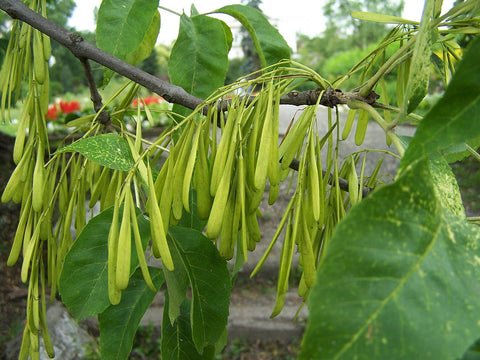
The tree's seeds — called samaras or "keys" — are wind-dispersed, spinning elegantly as they fall. This natural dispersal mechanism makes the Japanese Ash a resilient coloniser of disturbed forest edges. In ecological restoration projects, this quality is genuinely valuable — the tree can help naturally regenerate cleared land alongside planted specimens.
Another surprising fact: Japanese Ash leaves are slightly toxic to horses when consumed in large quantities. This is a mindful consideration for anyone planting these trees near equine paddocks. However, for most wildlife and humans, the tree poses no safety concern and is entirely safe to grow in gardens, parks, and urban green spaces.
Threats Facing the Japanese Ash Tree ⚠️
Like many native tree species, the Japanese Ash faces significant and growing threats. The most alarming is the Emerald Ash Borer (Agrilus planipennis) — an invasive beetle that burrows beneath tree bark, cutting off the flow of nutrients and killing the tree within a few years. This pest has devastated Ash populations across North America and is spreading into Europe.
Climate change compounds these threats dramatically. Shifting rainfall patterns alter the moist habitats that Japanese Ash trees depend on. Rising temperatures stress trees, making them more vulnerable to pests and pathogens. According to the United Nations Climate Change initiative, urgent, coordinated action is needed to protect forest ecosystems from accelerating climate impacts before irreversible tipping points are reached.
Deforestation for agriculture and urban development also reduces Japanese Ash populations across its native range. However, there is real hope. Conservation programs, community planting initiatives, and sustainable forestry practices are proving effective where they are implemented with commitment and adequate resources. We must act decisively now to secure the future of species like the Japanese Ash for generations ahead.
How the Japanese Ash Inspires Global Reforestation ✅
At Grow Billion Trees, we are happy to share how trees like the Japanese Ash inspire our broader mission. We are committed to planting 100 crore trees across India by June 2030 — a mission rooted in ecological urgency and collective hope. While our programs focus on India's diverse native species, the story of the Japanese Ash reminds us powerfully that every single tree matters.
Trees are the planet's most effective natural climate solution. The United Nations Sustainable Development Goals recognise forests as central to achieving climate stability, biodiversity conservation, and sustainable livelihoods. Planting trees is one of the most direct, proven ways that individuals and communities can contribute meaningfully to these global goals.
We ensure every tree planted through our programs receives the highest quality care. Our hands-on programs include Miyawaki forests, agroforestry, mangrove restoration, and urban forestry. Each planted tree goes through our 2-3ft Tree Planting + 3 Years Care + GeoTag process — guaranteeing every sapling receives the nurturing it needs to grow into a healthy, mature tree. We provide verified GeoTag technology so you can track your tree's growth in real time, with complete transparency.
You can Plant a tree in your Name for just ₹299 — a simple, meaningful action that contributes directly to Net Zero Targets and helps restore India's green cover. It makes a wonderful, purposeful gift for birthdays, memorials, or any occasion worth celebrating with love and conscious intention.
Growing and Caring for Japanese Ash Trees 💡
If you live in a temperate climate suitable for the Japanese Ash, growing one is a deeply rewarding and mindful experience. Here is what our team recommends for successful cultivation:
- → Choose the right location — Full sun to partial shade, with moist, well-drained, fertile soil
- → Water consistently — Young trees need regular watering, especially in dry periods; established trees are more drought-tolerant
- → Mulch generously — Apply 5–8 cm of organic mulch around the base to retain moisture and improve soil health
- → Prune thoughtfully — Light pruning in late winter helps shape the tree and remove damaged growth
- → Monitor for pests — Stay alert for the Emerald Ash Borer; early detection is essential for effective, secure management
Our certified nursery partners grow saplings under controlled, natural conditions — guaranteeing healthy, authentic stock for every planting site. We provide comprehensive guidance and support to every individual and corporate partner who plants with us, ensuring the best possible outcomes for both trees and communities.
Further reading: Green Ash Tree: Ultimate Guide to Benefits, Care & Landscape · Black Ash Tree: Unveiling the Secrets, Benefits, and Care Tips for This Majestic Species
Frequently Asked Questions
What is the Japanese Ash Tree called in Japanese?
The Japanese Ash Tree is called Tamo (タモ) in Japanese. It belongs to the species Fraxinus japonica and is widely celebrated for its beautiful flame-grain timber pattern called mokume, which makes each piece of wood uniquely authentic.
Where does the Japanese Ash Tree grow naturally?
The Japanese Ash grows natively in Japan, Korea, and northeastern China. It prefers moist, fertile soils in mountain valleys and along riverbanks, typically thriving at elevations below 1,500 metres in temperate East Asian climates.
What is Japanese Ash wood used for?
Japanese Ash wood is used for sporting goods like baseball bats, fine furniture, traditional archery bows, musical instruments, and decorative flooring. Its tough, flexible, and beautifully grained timber makes it highly prized by craftspeople and designers worldwide.
Is the Japanese Ash Tree endangered?
The Japanese Ash is not currently classified as globally endangered, but it faces serious and growing threats from the invasive Emerald Ash Borer beetle and habitat loss due to deforestation and climate change. Active conservation efforts are vital to protect this species for the long term.
How fast does a Japanese Ash Tree grow?
Japanese Ash Trees are moderate-to-fast growers, typically adding 30–60 cm of height per year under good conditions. They can reach their full mature height of 15–25 metres within 20–30 years in suitable environments with consistent care and adequate moisture.
What are the main ecological benefits of the Japanese Ash Tree?
The Japanese Ash provides shade, prevents soil erosion, supports biodiversity, and sequesters carbon dioxide. Its fallen leaves enrich the soil, supporting a thriving understory ecosystem of plants, insects, and fungi that sustain broader forest health.
Can I plant a Japanese Ash Tree in India?
The Japanese Ash is adapted to temperate East Asian climates and generally does not thrive in India's tropical and subtropical conditions. However, Grow Billion Trees offers a wide range of native Indian tree species perfectly suited to every Indian ecosystem — and you can Plant a tree in your Name for just ₹299.
How does planting trees help combat climate change?
Trees absorb CO₂ through photosynthesis, storing carbon in their wood, roots, and surrounding soil. Globally, forests sequester approximately 2.6 billion tonnes of CO₂ annually, making tree planting one of the most proven, natural, and cost-effective climate solutions available to humanity today.
What is the spiritual significance of the Japanese Ash in Japan?
In Shinto tradition, trees are considered sacred living beings. The Japanese Ash, with its towering form and long lifespan, has been venerated in forest shrines as a symbol of strength, endurance, and the deep bond between humans and the natural world.
Grow Together: Every Tree Tells a Story 🌳
The Japanese Ash Tree is more than a plant — it is a living testament to the beauty, resilience, and cultural richness that thriving forests bring to our world. From its elegant, flame-like grain to its extraordinary ecological generosity, this tree inspires us to think deeply and act boldly in our relationship with nature. We are truly glad that stories like these spark a lasting love for trees in all who encounter them.
At Grow Billion Trees, we believe every tree has the power to transform communities, restore ecosystems, and inspire genuine hope for our shared future. Our mission of Combating Climate Change Through Collective Action — planting 100 crore trees across India — is driven by this deeply held belief. We welcome you to join us and become part of something wonderful, enduring, and greater than any single action.
Ready to make your mark on this great planet? Plant a tree in your Name today — with 2-3ft Tree Planting + 3 Years Care + GeoTag — for just ₹299. Explore our tree planting programs and discover how your single, conscious choice contributes to a greener, more sustainable India and a healthier Earth for all.
Keep reading
 Green Ash Tree: Ultimate Guide to Benefits, Care & Landscape
 Black Ash Tree: Unveiling the Secrets, Benefits, and Care Tips for This Majestic Species
 Narrow Leaf Ash Tree: The Ultimate Guide to Benefits & Care
 Redwood Ash Tree: Unveiling Nature's Majestic Carbon-Capturing Marvel
 Golden Ash Tree: Nature's Majestic Beauty and Environmental Benefits


Leave a comment