
Juniper Tree: Unlocking the Mystical Benefits and Secrets of Nature's Enigmatic Evergreen

The Juniper tree (Cupressaceae family, over 50 species) is an evergreen found across the Northern Hemisphere with aromatic, needle-like leaves. These trees reach up to 50 feet tall and play a vital role in maintaining biodiversity and ecosystem health, particularly by improving air quality through filtering pollutants, dust, and pollen.
In the realm of evergreen trees, few species capture the imagination quite like the Juniper tree. Known for its distinctive appearance, aromatic foliage, and myriad uses, the Juniper tree has been revered in various cultures throughout history.
This blog delves deep into the mystical benefits and secrets of this enigmatic evergreen, exploring its ecological significance, historical uses, and the ongoing efforts to promote its growth through initiatives like Grow Billion Trees Partners.
Understanding the Juniper Tree
The Juniper tree, belonging to the Cupressaceae family, comprises over 50 species, with the most common being Juniperus communis, Juniperus virginiana, and Juniperus sabina.
These trees are predominantly found in the Northern Hemisphere, thriving in diverse climates ranging from arid deserts to mountainous regions. Junipers can grow as shrubs or small trees, reaching heights of up to 50 feet, and are characterized by needle-like or scale-like leaves that are often aromatic.
Scientific Benefits of Juniper Trees
Juniper trees are more than just visually appealing; they offer a plethora of ecological and health benefits. Scientifically, they play a vital role in maintaining biodiversity and ecosystem health.
- Air Quality Improvement: Junipers are effective at filtering pollutants and improving air quality. Their needle-like leaves capture dust, pollen, and other particulates, making them excellent natural air purifiers.
- Soil Erosion Prevention: The extensive root systems of Juniper trees stabilize soil, preventing erosion and promoting healthy land use. They are especially beneficial in hilly or mountainous regions where soil erosion is a concern.
- Wildlife Habitat: Juniper trees provide essential habitat for various wildlife species. Birds, small mammals, and insects rely on these trees for food, shelter, and nesting sites. The berries produced by Junipers are a vital food source for birds, particularly during winter months.
- Medicinal Properties: Traditional medicine practices have long utilized Juniper for its therapeutic properties. Juniper berries are rich in antioxidants and have been used to treat ailments such as urinary tract infections, digestive issues, and respiratory problems.
Fun Facts About Juniper Trees
Beyond their scientific benefits, Juniper trees are steeped in fascinating lore and fun facts:
- Ancient Symbolism: In many cultures, Juniper has been regarded as a protective plant. Ancient Egyptians used Juniper to embalm their dead, believing it would ward off evil spirits.
- Gin's Secret Ingredient: The berries of the Juniper tree are the primary flavoring agent in gin, giving the spirit its distinctive taste.
- Longevity: Some Juniper trees are incredibly long-lived, with certain specimens estimated to be over 1,000 years old.
- Variety of Species: Junipers come in various shapes and sizes, from low-growing ground covers to towering trees, making them versatile for landscaping and gardening.
Historical Uses of Juniper Trees
The historical significance of Juniper trees is vast. Ancient civilizations recognized their value, and their uses have evolved over time:
- Medicinal Uses: Indigenous peoples across North America have used Juniper for centuries. The Navajo tribe, for instance, utilized Juniper berries in traditional healing practices.
- Spiritual Significance: Juniper smoke is often used in purification rituals among various Native American tribes. Burning Juniper is believed to cleanse spaces and promote healing.
- Construction Material: Juniper wood is naturally resistant to decay and insects, making it a favored material for building fences, furniture, and even homes in some cultures.
Environmental Impact and Sustainability
As we navigate the challenges of climate change and environmental degradation, the role of Juniper trees becomes increasingly crucial. Their ability to sequester carbon makes them valuable allies in combating global warming. Junipers absorb carbon dioxide during photosynthesis, helping to mitigate the effects of greenhouse gases. Moreover, their drought-resistant nature allows them to thrive in arid regions, making them ideal candidates for reforestation projects aimed at restoring degraded landscapes.
However, it is essential to approach the cultivation of Juniper trees sustainably. Overharvesting of Juniper berries for commercial use, particularly in the production of gin and essential oils, can lead to population declines. Therefore, responsible harvesting practices and replanting initiatives are vital for maintaining healthy Juniper populations.
Grow Billion Trees Partners: Promoting Juniper Growth
One of the most promising initiatives aimed at promoting the growth of Juniper trees is the Grow Billion Trees Partners program. This initiative focuses on reforestation and afforestation efforts worldwide, emphasizing the planting of native tree species, including Junipers.
Grow Billion Trees Partners employs a multifaceted approach to execute and promote its projects:
- Community Engagement: The program collaborates with local communities to raise awareness about the importance of tree planting. Workshops, educational programs, and volunteer events encourage community participation in reforestation efforts.
- Partnerships with Organizations: By partnering with environmental organizations, government agencies, and businesses, Grow Billion Trees Partners amplifies its impact. These collaborations often lead to funding opportunities and resource sharing.
- Research and Monitoring: The initiative invests in research to understand the best practices for planting and maintaining Juniper trees. Ongoing monitoring ensures that planted trees thrive and adapt to changing environmental conditions.
- Advocacy for Policy Change: Grow Billion Trees Partners advocates for policies that support sustainable forestry and reforestation efforts. By influencing legislation, they aim to create a supportive environment for tree planting initiatives.
How You Can Get Involved
Individuals can contribute to the growth and sustainability of Juniper trees in several ways:
- Participate in Local Tree Planting Events: Look for local organizations or community groups that host tree planting events. Your participation can make a significant difference.
- Educate Yourself and Others: Understanding the ecological importance of Juniper trees can empower you to advocate for their protection and growth. Share your knowledge with friends and family.
- Support Sustainable Products: When purchasing products made from Juniper, ensure they come from sustainable sources. This supports responsible harvesting practices.
- Contribute to Reforestation Initiatives: Consider donating to organizations like Grow Billion Trees Partners that focus on reforestation and afforestation efforts.
Conclusion
The Juniper tree stands as a testament to nature’s resilience and beauty. From its ecological benefits and historical significance to its role in modern sustainability efforts, the Juniper tree is more than just an evergreen; it is a symbol of hope for a greener future.
By supporting initiatives like Grow Billion Trees Partners and engaging in local reforestation efforts, we can unlock the full potential of this mystical tree and ensure its preservation for generations to come. As we continue to explore the secrets of nature, let us remember the Juniper tree and its vital role in our ecosystems and cultures.
Whether you are a nature enthusiast, a history buff, or simply someone who appreciates the beauty of trees, the Juniper tree offers a wealth of knowledge and inspiration. Together, we can nurture this enigmatic evergreen and contribute to a healthier planet.
Further reading: Common Juniper Tree: Unveiling Nature's Resilient Wonder · Pencil Cedar Tree: The Ultimate Guide to Growing and Caring for This Unique Evergreen!
Frequently Asked Questions
What is a juniper tree?
A juniper tree, part of the Cupressaceae family, is an evergreen marvel with aromatic foliage and berry-like cones. With around 60 species, it thrives in diverse habitats, from rocky mountains to arid deserts, showcasing nature's ingenuity in survival and beauty.
What are the mystical benefits of juniper trees?
Juniper trees are revered for their mystical properties, from purifying air in aromatherapy to being used in spiritual rituals. Their berries boast medicinal benefits, aiding digestion and urinary health. Plus, they can even repel pests—nature's multitaskers!
How do juniper trees contribute to the environment?
Juniper trees are eco-warriors! They prevent soil erosion with their robust root systems, support biodiversity by providing food and habitat for wildlife, and act as carbon sinks, absorbing CO2 to help combat climate change. Talk about a green thumb!
What are the culinary uses of juniper berries?
Juniper berries are the secret ingredient in many dishes, especially in European cuisine. They add a unique, aromatic flavor to meats and sauces, and yes, they’re also the star in gin. Who knew cooking could be so enchanting?
How do you grow juniper trees?
Growing juniper trees is a breeze! Pick the right species for your climate, plant in well-drained soil with plenty of sunlight, and water regularly until established. A little pruning goes a long way to keep your juniper looking fabulous!
What is the historical significance of juniper trees?
Juniper trees have a rich history, from ancient Egypt’s embalming rituals to Native American smudging ceremonies. They’ve been valued for their medicinal properties since antiquity, proving that these evergreens are more than just pretty foliage—they’re steeped in culture!
What are the best species of juniper trees?
The best juniper species depends on your location! Juniperus communis is a global traveler, while Juniperus virginiana loves the eastern U.S., and Juniperus scopulorum thrives in mountainous regions. Choose wisely, and your juniper will flourish!
How do juniper trees help with pest control?
Juniper trees are nature’s pest repellents! Their strong aroma keeps pesky insects and deer at bay, making them a perfect companion for your garden. Plant them strategically, and watch your garden thrive without unwanted guests!
What is Grow Billion Trees Partners?
Grow Billion Trees Partners is an eco-hero organization dedicated to reforestation and sustainable land management. They aim to plant billions of trees, including junipers, to combat climate change and restore ecosystems. Join them in this green crusade!
How do juniper trees support wildlife?
Juniper trees are wildlife's best friends! They provide food in the form of berries and shelter for nesting birds and small mammals. By planting junipers, you're not just beautifying your space; you're creating a thriving ecosystem!
What role do juniper trees play in carbon sequestration?
Juniper trees are champions of carbon sequestration! By absorbing CO2 from the atmosphere, they help mitigate climate change. Their longevity and growth patterns make them effective carbon sinks, contributing to cleaner air and a healthier planet.
How can I get involved in tree planting initiatives?
Getting involved is easy! Support organizations like Grow Billion Trees Partners by volunteering, donating, or spreading awareness about the importance of planting trees. Every little effort counts in creating a greener, healthier planet!
Keep reading
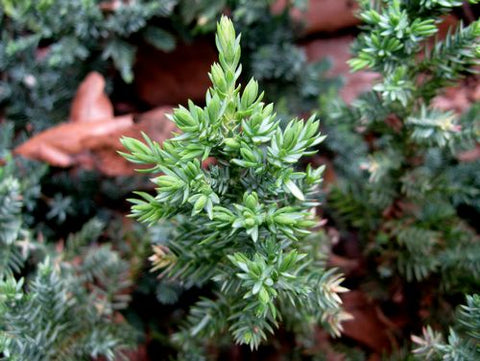 Common Juniper Tree: Unveiling Nature's Resilient Wonder
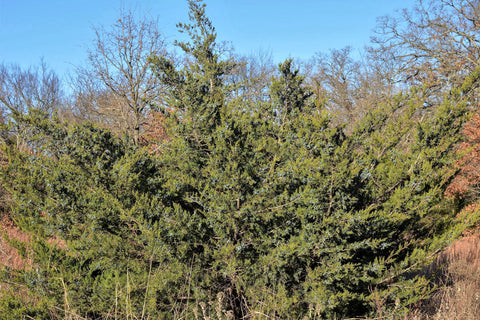 Pencil Cedar Tree: The Ultimate Guide to Growing and Caring for This Unique Evergreen!
 Myrtle Tree: The Timeless Symbol of Love, Healing, and Eco-Friendly Elegance
 Buddha’s Hand Tree: Unlocking the Mystical Benefits and Unique Uses of This Enigmatic Citrus
 Balsam Tree: The Ultimate Guide to Its Benefits, Care, and Mystical Properties
 Muskwood Tree: Unveiling Nature's Most Enigmatic Wonder


Comments
Leave a comment