


Capirona Tree: The Ultimate Guide to Its Benefits, Uses, and Care Tips for a Thriving Garden
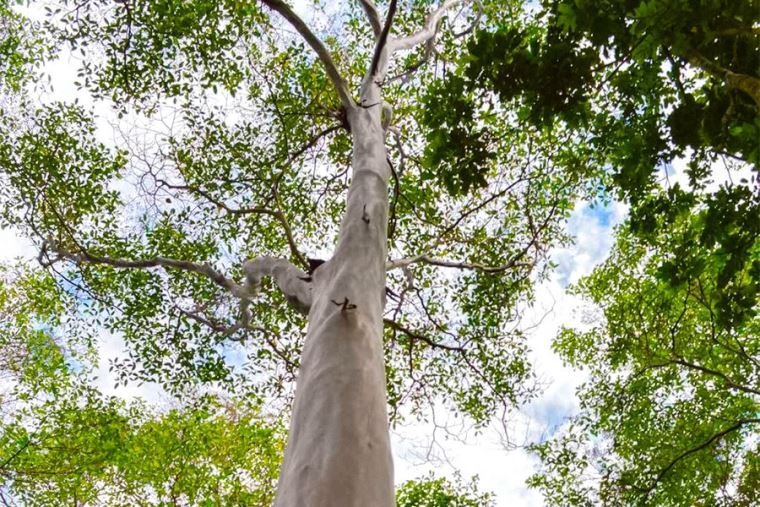
The Capirona tree (Calycophyllum spruceanum) is a tropical South American species native to Brazil, Peru, and Colombia, valued for aesthetic appeal and medicinal properties. Indigenous cultures have used its bark to treat skin infections, while research confirms anti-inflammatory, antifungal, and antibacterial compounds in its bark and leaves, making it a decorative and therapeutic garden addition.
The Capirona tree, scientifically known as Calycophyllum spruceanum, is a remarkable species that has gained popularity for its numerous benefits, uses, and environmental significance.
This blog serves as an ultimate guide to understanding the Capirona tree, including its historical background, ecological impact, and practical care tips for cultivating a thriving garden. Whether you're a gardening enthusiast or simply curious about this unique tree, you're in the right place!
Historical Background of the Capirona Tree
The Capirona tree is native to the tropical and subtropical regions of South America, particularly found in countries like Brazil, Peru, and Colombia.
It belongs to the Bignoniaceae family and has been known for centuries for its medicinal properties and aesthetic value. Indigenous cultures have utilized the Capirona tree not only for its wood but also for various traditional remedies.
Historical records indicate that the bark of the Capirona tree was used in the treatment of skin diseases and infections, showcasing its significance in traditional medicine.
Scientific Benefits of Capirona
The Capirona tree is not just a beautiful addition to your garden; it also offers a plethora of scientific benefits:
- Medicinal Properties: The bark and leaves of the Capirona tree contain compounds that have been shown to possess anti-inflammatory, antifungal, and antibacterial properties. Research published in the Journal of Ethnopharmacology highlights the tree's potential for treating various ailments, including respiratory issues and skin infections.
- Carbon Sequestration: As a fast-growing tree, the Capirona can absorb significant amounts of carbon dioxide, making it an essential player in combating climate change. Studies indicate that mature Capirona trees can sequester up to 22 kg of CO2 per year.
- Soil Improvement: The Capirona tree is known for its ability to improve soil quality. Its deep root system helps prevent soil erosion, while its leaf litter enriches the soil with organic matter, enhancing fertility.
Fun Facts About the Capirona Tree
- The Capirona tree can grow up to 30 meters tall and has a trunk diameter of 60 cm, making it a significant presence in any garden.
- Its striking yellow flowers bloom in the dry season, creating a stunning visual spectacle that attracts pollinators like bees and butterflies.
- Capirona wood is highly valued for its durability and resistance to decay, making it a popular choice for furniture and construction.
Environmental Impact
The Capirona tree plays a crucial role in maintaining ecological balance. Its extensive root system helps stabilize the soil, preventing erosion, especially in hilly terrains. Furthermore, the tree provides a habitat for various wildlife species, contributing to biodiversity.
The Capirona's flowers are a vital food source for pollinators, thus supporting the overall health of the ecosystem.
Moreover, the Capirona tree's ability to sequester carbon makes it an essential ally in the fight against climate change. By planting Capirona trees, communities can actively participate in carbon offset programs, which are increasingly vital as global temperatures continue to rise.
How to Grow and Care for Capirona Trees
Growing Capirona trees can be a rewarding experience. Here are some essential tips to ensure your Capirona thrives:
- Soil Requirements: Capirona trees prefer well-draining soil rich in organic matter. A pH level between 6.0 and 7.5 is ideal. Before planting, consider amending the soil with compost to improve its nutrient content.
- Sunlight: These trees thrive in full sunlight, requiring at least 6 hours of direct sunlight daily. Ensure that the planting location is free from shade, allowing the tree to grow robustly.
- Watering: Young Capirona trees need regular watering to establish their roots. Once established, they are drought-tolerant but will benefit from occasional watering during prolonged dry spells.
- Pruning: Regular pruning helps maintain the tree's shape and encourages healthy growth. Remove any dead or damaged branches to promote airflow and reduce the risk of disease.
- Pest and Disease Management: While Capirona trees are relatively resistant to pests, keep an eye out for common issues such as aphids and scale insects. Applying organic insecticidal soap can help manage infestations.
Uses of Capirona Trees
The Capirona tree is versatile and can be utilized in various ways:
- Ornamental Uses: With its stunning yellow flowers and broad canopy, the Capirona tree makes for an excellent ornamental tree, perfect for parks, gardens, and public spaces.
- Timber Production: The wood of the Capirona tree is highly prized for its strength and durability, making it a popular choice for furniture, flooring, and construction materials.
- Medicinal Uses: As mentioned earlier, the bark and leaves have traditional medicinal applications, and they can be brewed into teas or used in poultices.
Community Engagement and Environmental Initiatives
Organizations like Grow Billion Trees are actively involved in promoting the planting of Capirona trees as part of their reforestation efforts. They partner with local communities, schools, and environmental groups to execute and promote tree-planting projects in regions where Capirona trees are native.
Grow Billion Trees focuses on educating communities about the environmental benefits of planting trees, including the Capirona. They conduct workshops and training sessions to teach proper planting techniques, care, and maintenance of trees, ensuring that the trees thrive and contribute positively to the environment.
Additionally, Grow Billion Trees collaborates with local governments to develop policies that support reforestation efforts. By engaging with communities, they create a sense of ownership and responsibility towards the environment, fostering a culture of sustainability.
Conclusion
The Capirona tree is a remarkable species that offers numerous benefits and uses, making it an excellent addition to any garden.
From its historical significance and medicinal properties to its environmental impact and aesthetic appeal, the Capirona tree is truly a treasure of nature. By following the care tips outlined in this guide, you can ensure that your Capirona tree thrives and contributes positively to your garden and the environment.
With organizations like Grow Billion Trees leading the charge in reforestation efforts, the future of the Capirona tree looks bright.
By participating in tree-planting initiatives, you can play a part in enhancing biodiversity, combating climate change, and creating a greener planet for future generations. So why not consider planting a Capirona tree in your garden today? You'll be contributing to both your local ecosystem and the global effort to create a sustainable environment.
Further reading: Pink Trumpet Tree: The Stunning Showstopper of Spring Blooms You Need to Know About! · Mast Tree: The Ultimate Guide to Unlocking the Secrets of This Remarkable Tree for Your Garden
Frequently Asked Questions
What is the Capirona tree?
The Capirona tree, scientifically known as Tabebuia impetiginosa, is a stunning species native to South America, celebrated for its vibrant yellow flowers and impressive height. Not just a pretty face, it offers medicinal benefits and plays a vital role in the ecosystem. Plant one, and you’ll have a garden superstar!
What are the medicinal benefits of the Capirona tree?
The Capirona tree is like a natural pharmacy! Its bark and leaves boast anti-inflammatory, antifungal, and antibacterial properties. Indigenous cultures have long used it for treating skin infections and respiratory issues. Who knew a tree could be your health ally?
How tall can the Capirona tree grow?
Prepare for a towering spectacle! The Capirona tree can reach heights of up to 30 meters. With a trunk diameter of 60 cm, this beauty commands attention in any garden. It’s like nature’s skyscraper, but with a much prettier view!
Where is the Capirona tree native to?
The Capirona tree hails from the tropical and subtropical regions of South America, particularly Brazil, Peru, and Colombia. It thrives in warm climates, making it a perfect choice for those looking to add a touch of exotic flair to their gardens.
How does the Capirona tree help the environment?
The Capirona tree is an environmental superhero! It sequesters carbon, improves soil quality, and prevents erosion with its extensive root system. Plus, its flowers are a buffet for pollinators. Planting one means you’re doing your part to save the planet, one tree at a time!
What are the soil requirements for Capirona trees?
Capirona trees prefer well-draining soil rich in organic matter, with a pH between 6.0 and 7.5. Think of it as the tree’s version of a five-star meal! Amending the soil with compost is a great way to ensure your tree has a nutrient-packed feast.
How much sunlight do Capirona trees need?
These sun-loving trees thrive in full sunlight, needing at least 6 hours of direct sunlight daily. Shade? Not in their vocabulary! Choose a sunny spot for your Capirona tree, and watch it grow robustly, soaking up all that glorious sunshine.
How often should I water Capirona trees?
Young Capirona trees need regular watering to establish their roots, but once they're settled, they can handle a little drought. Think of them as the resilient types! Just remember to give them a drink during prolonged dry spells to keep them happy and thriving.
What pests should I watch out for with Capirona trees?
While Capirona trees are pretty tough, they can attract common pests like aphids and scale insects. Keep an eye out, and if they show up uninvited, a little organic insecticidal soap will send them packing. Your tree deserves a pest-free zone!
How can I use Capirona trees?
Capirona trees are versatile! They can serve as stunning ornamental features in parks and gardens, provide durable timber for construction, and even offer medicinal benefits through their bark and leaves. Talk about a multitasker! One tree, endless possibilities!
What initiatives support Capirona tree planting?
Organizations like Grow Billion Trees are leading the charge in promoting Capirona tree planting. They engage communities through workshops and training, teaching the importance of reforestation. Join in, and you’ll not only plant trees but also plant the seeds of sustainability in your community!
Keep reading
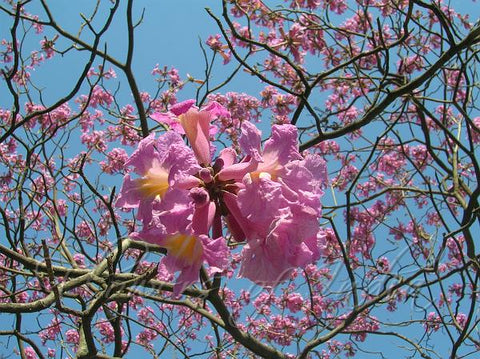 Pink Trumpet Tree: The Stunning Showstopper of Spring Blooms You Need to Know About!
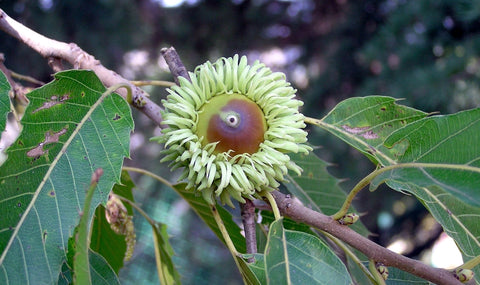 Mast Tree: The Ultimate Guide to Unlocking the Secrets of This Remarkable Tree for Your Garden
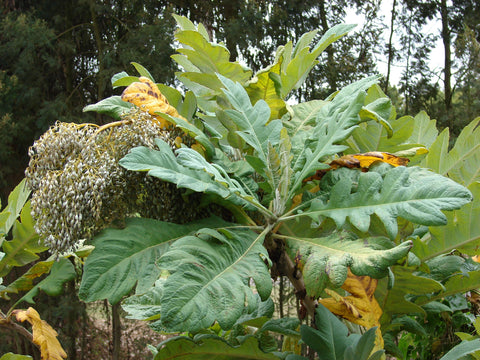 Buttercup Tree: Unveiling the Secrets of Nature's Hidden Gem for Your Garden
 Neem Tree: Unveiling the Secrets of Nature's Pharmacy
 Yellow Poplar Tree: The Ultimate Guide to Its Benefits, Care, and Stunning Beauty!


Comments
Leave a comment