
Mast Tree: The Ultimate Guide to Unlocking the Secrets of This Remarkable Tree for Your Garden
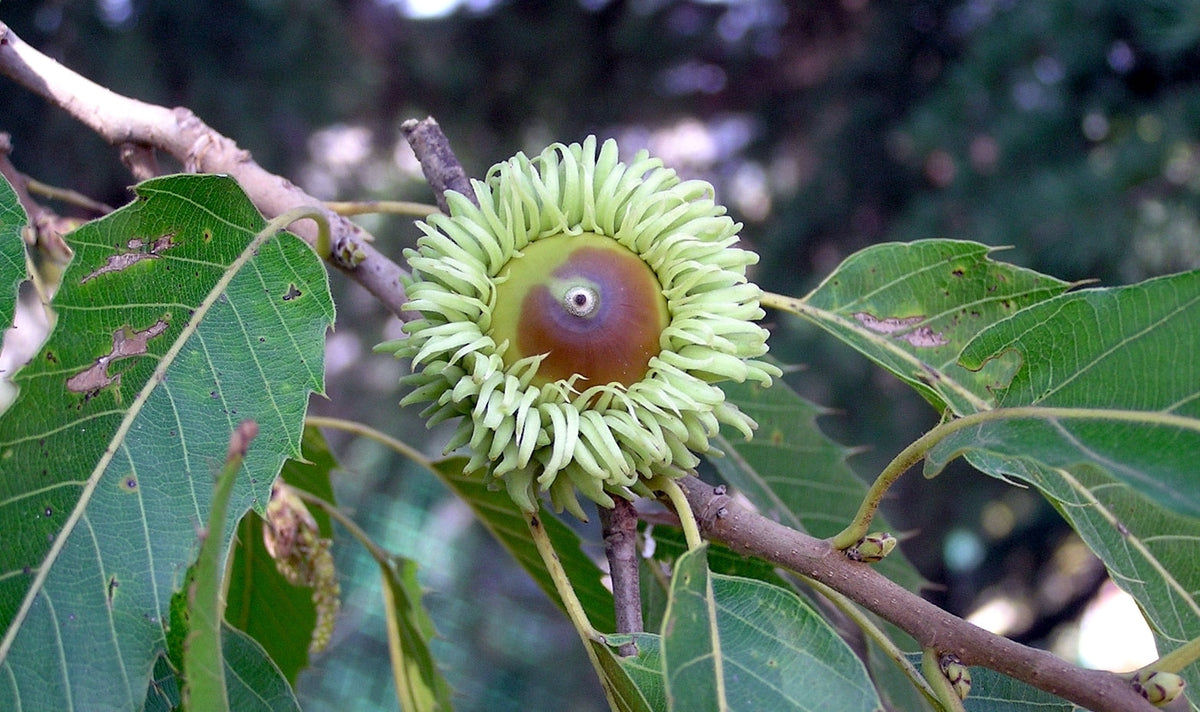
The Mast Tree, scientifically known as Quercus acutissima, is a deciduous tree native to East Asia that grows up to 20 meters tall and can live over 100 years. Its acorns provide food for wildlife, and its longevity makes it a long-term garden addition.
The Mast Tree, also known as the Quercus acutissima, is a remarkable species that has captured the attention of gardeners, environmentalists, and researchers alike.
This guide aims to explore the various aspects of the Mast Tree, from its unique characteristics and historical significance to its environmental impact and cultivation tips. By the end of this article, you will understand why the Mast Tree is a fantastic addition to any garden and how organizations like Grow Billion Trees are promoting its cultivation.
Understanding the Mast Tree
The Mast Tree is native to East Asia, particularly found in countries like China, Japan, and Korea. It is a deciduous tree that can grow up to 20 meters (about 66 feet) tall, with a trunk diameter of up to 60 cm (about 24 inches). The tree is known for its distinctive leaves, which are long and narrow with serrated edges, and its acorns, which are a crucial food source for various wildlife.
Scientific Classification
- Kingdom: Plantae
- Clade: Angiosperms
- Clade: Eudicots
- Order: Fagales
- Family: Fagaceae
- Genus: Quercus
- Species: Q. acutissima
Fun Facts about the Mast Tree
- The name "Mast" refers to the fruits of trees that are eaten by animals, particularly the acorns of the Mast Tree.
- Mast Trees can live for over 100 years, making them a long-term investment for any garden.
- The acorns of the Mast Tree are rich in carbohydrates and fats, providing essential nutrients for wildlife.
- This tree is known for its rapid growth rate, making it a popular choice for reforestation projects.
Historical Significance
The Mast Tree has been an integral part of Asian cultures for centuries. In ancient China, the tree was often planted in temple gardens as a symbol of longevity and prosperity. Its acorns were used as a food source for both humans and livestock. In Japan, the Mast Tree is celebrated in folklore and is often depicted in traditional art, symbolizing strength and resilience.
Environmental Impact
The Mast Tree plays a crucial role in its ecosystem. Its dense foliage provides shelter and food for various bird species, while its acorns serve as a vital food source for mammals like squirrels and deer. Additionally, the tree's extensive root system helps prevent soil erosion, making it an excellent choice for planting on slopes or in areas prone to erosion.
Moreover, the Mast Tree contributes to carbon sequestration, helping mitigate climate change. A mature Mast Tree can absorb approximately 48 pounds of carbon dioxide per year, making it an essential player in the fight against global warming.
Growing the Mast Tree
Growing a Mast Tree in your garden can be a rewarding experience. Here are some essential tips to ensure successful cultivation:
- Soil Requirements: The Mast Tree thrives in well-drained, loamy soils. However, it is adaptable and can tolerate a range of soil types, including sandy and clay soils.
- Sunlight: This tree prefers full sun but can tolerate partial shade. Aim to provide at least six hours of direct sunlight daily for optimal growth.
- Watering: Young Mast Trees require regular watering to establish their root systems. Once established, they are relatively drought-tolerant.
- Fertilization: A balanced fertilizer can be applied in early spring to promote healthy growth. Avoid over-fertilizing, as this can lead to weak growth.
- Pruning: Prune the tree in late winter or early spring to remove dead or damaged branches and to shape the tree. Regular pruning can help maintain a healthy structure.
Common Pests and Diseases
While the Mast Tree is generally resistant to pests and diseases, it can occasionally be affected by issues such as:
- Oak Wilt: A fungal disease that can be fatal to oak trees. It is essential to monitor your tree for symptoms and consult with an arborist if you suspect an infection.
- Leaf Spot: This fungal infection can cause discoloration on leaves. Maintaining good air circulation and proper watering can help prevent this issue.
- Insects: Pests like oak borers and aphids may occasionally infest Mast Trees. Regular monitoring and organic pest control methods can help manage these populations.
Planting and Care Tips
When planting a Mast Tree, consider the following:
- Spacing: Ensure adequate spacing between trees to allow for their mature size. A distance of at least 15-20 feet is recommended.
- Mulching: Apply a layer of organic mulch around the base of the tree to retain moisture and suppress weeds.
- Companion Planting: Consider planting native wildflowers or shrubs around the Mast Tree to create a diverse ecosystem that attracts beneficial insects and pollinators.
Grow Billion Trees: Partners in Sustainability
Organizations like Grow Billion Trees are at the forefront of promoting the cultivation of trees, including the Mast Tree, in various regions. Their mission is to combat climate change by planting billions of trees worldwide. They partner with local communities, schools, and environmental organizations to execute tree-planting projects effectively.
Grow Billion Trees employs a comprehensive approach to ensure the success of their initiatives:
- Community Engagement: They involve local communities in the planning and execution of tree-planting projects, ensuring that the needs and preferences of the community are considered.
- Education and Training: The organization provides training programs for community members on tree care and maintenance, empowering them to take ownership of their local environment.
- Monitoring and Evaluation: Grow Billion Trees implements monitoring systems to track the growth and health of newly planted trees, ensuring long-term success.
- Partnerships: They collaborate with governmental and non-governmental organizations to secure funding and resources for their projects.
Conclusion
The Mast Tree is not just a beautiful addition to your garden; it is a vital component of the ecosystem that provides numerous environmental benefits. From its rich historical significance to its role in promoting biodiversity and combating climate change, the Mast Tree is truly remarkable.
By incorporating the Mast Tree into your garden and supporting initiatives like Grow Billion Trees, you can contribute to a greener, more sustainable future. Whether you are an avid gardener or just starting, the Mast Tree offers a unique opportunity to make a positive impact on the environment while enhancing the beauty of your outdoor space.
So, plant a Mast Tree today, and unlock the secrets of this remarkable species for your garden!
Further reading: Red Oak Tree: The Ultimate Guide to Its Majestic Beauty · White Oak Tree: The Majestic Marvel of Nature and Its Garden Benefits
Frequently Asked Questions
What is the Mast Tree?
The Mast Tree, or Quercus acutissima, is a stunning deciduous tree native to East Asia. Growing up to 20 meters tall, it boasts long, serrated leaves and delicious acorns that wildlife can’t resist. It’s the tree that makes both your garden and the local critters happy!
Why is it called the Mast Tree?
The name "Mast" refers to the acorns and other fruits that serve as a feast for animals. So, it’s not just a pretty face; it’s a buffet on a trunk! Who knew trees could be so generous?
How tall does the Mast Tree grow?
The Mast Tree can reach impressive heights of up to 20 meters (about 66 feet). That’s taller than your average two-story house! It’s like the skyscraper of the forest, providing shade and a home for various critters.
What are the soil requirements for the Mast Tree?
This tree thrives in well-drained, loamy soils but is adaptable enough to tolerate sandy or clay soils. It’s like the tree version of a versatile friend—always fitting in wherever it goes!
How much sunlight does the Mast Tree need?
The Mast Tree loves basking in the sun, preferring full sunlight but can tolerate partial shade. Aim for at least six hours of direct sunlight daily; it’s like giving your tree a sunbathing session!
How often should I water a Mast Tree?
Young Mast Trees need regular watering to establish their roots, but once they’re settled, they’re drought-tolerant. Think of it as a tree that knows how to party hard and then chill out!
What pests and diseases affect the Mast Tree?
While the Mast Tree is generally resilient, it can face challenges like Oak Wilt and leaf spot. Keep an eye out for pesky insects like oak borers; after all, even trees deserve a pest-free existence!
How do I care for a Mast Tree?
To keep your Mast Tree thriving, ensure proper spacing, apply mulch, and consider companion planting with native flora. It’s like giving your tree a cozy neighborhood to grow up in!
What is the historical significance of the Mast Tree?
The Mast Tree has been revered in Asian cultures for centuries, symbolizing longevity and prosperity. It’s like the wise old sage of the forest, with tales woven into the fabric of history!
How does the Mast Tree impact the environment?
The Mast Tree plays a vital role in its ecosystem by providing food and shelter for wildlife while preventing soil erosion. It’s the superhero of the garden, combating climate change one acorn at a time!
How can I support initiatives like Grow Billion Trees?
You can support organizations like Grow Billion Trees by participating in local tree-planting events, spreading awareness, and even donating. It’s like joining a green army for the planet—one tree at a time!
Keep reading
 Red Oak Tree: The Ultimate Guide to Its Majestic Beauty
 White Oak Tree: The Majestic Marvel of Nature and Its Garden Benefits
 Oak Tree: Majestic Pillar of Temperate Forests
 Spanish Oak Tree: The Majestic Marvel of Nature You Must Discover!
 Himalayan Oak Tree: The Majestic Guardian of the Himalayas
 Capirona Tree: The Ultimate Guide to Its Benefits, Uses, and Care Tips for a Thriving Garden


Leave a comment