
Ceylon Date Palm Tree: Discover the Secrets to Growing Nature's Sweetest Treasure
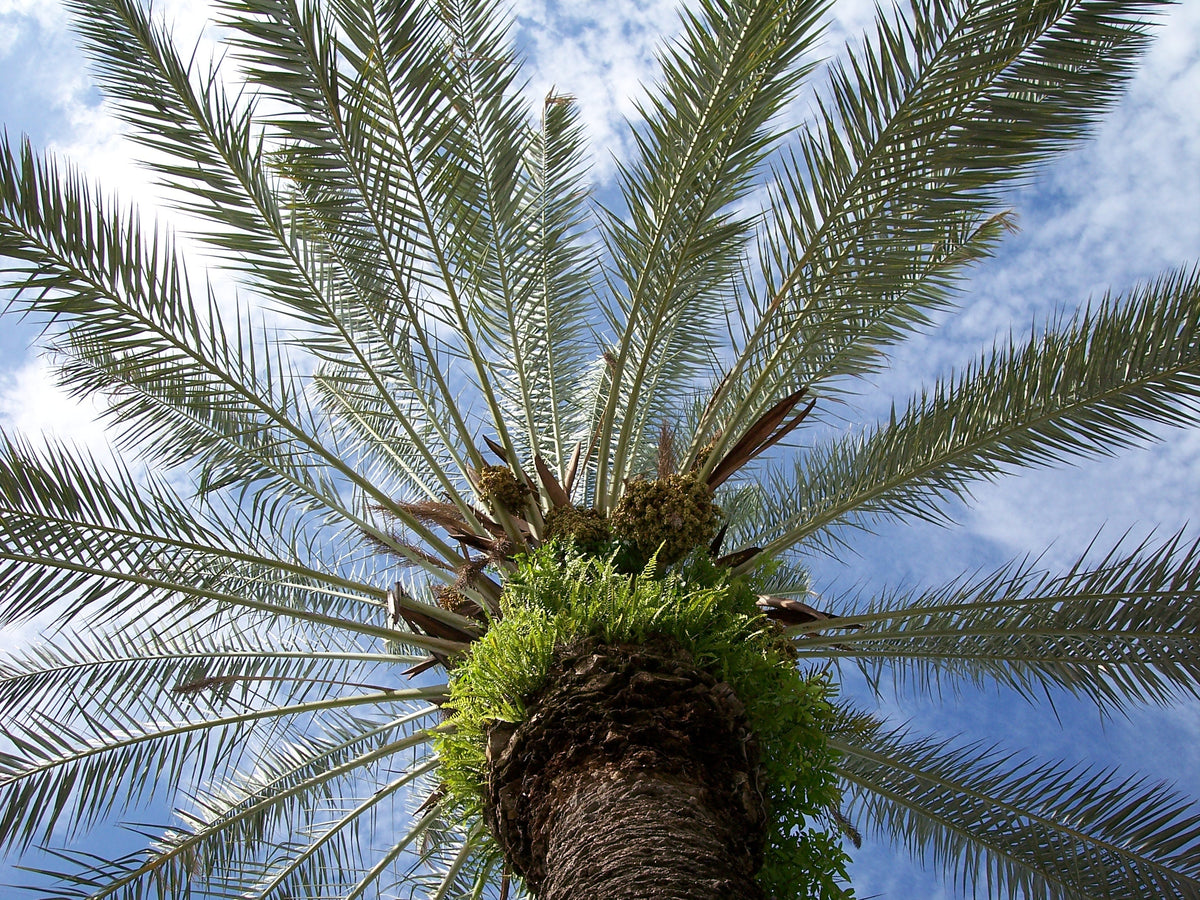
The Ceylon Date Palm (Phoenix dactylifera) grows in warm, fertile tropical conditions like Sri Lanka's climate. Cultivated for over 5,000 years since the Middle East, this tree produces nutrient-rich dates and requires warm weather and rich soil to flourish. It provides both nutritional value and economic benefits to farming communities.
The Ceylon Date Palm Tree, scientifically known as Phoenix dactylifera, is not just a tree; it’s a treasure trove of sweetness and nutrition that has been cherished for centuries.
Originating from the arid regions of the Middle East, this majestic palm has found a new home in the tropical landscapes of Sri Lanka, where it thrives in the warm climate and fertile soil.
In this blog, we will delve into the secrets of growing this magnificent tree, explore its historical significance, environmental impact, and share how organizations like Grow Billion Trees Partners are promoting sustainable practices in the region.
Historical Significance of the Ceylon Date Palm
The history of the Ceylon Date Palm is as rich as the fruit it bears. Dates have been cultivated for over 5,000 years, with evidence suggesting that they were first domesticated in the region that is now Iraq.
The fruit was revered not only for its sweet taste but also for its nutritional value. Ancient civilizations, including the Egyptians and Mesopotamians, considered dates a staple food, often using them in religious rituals and as symbols of prosperity.
In Sri Lanka, the introduction of the Ceylon Date Palm can be traced back to the early trade routes established between the Middle East and Asia.
The tree became a symbol of the region’s agricultural heritage, providing sustenance and income for local communities. Today, the Ceylon Date Palm is celebrated not just for its fruit but also for its ecological contributions and aesthetic value.
Botanical Characteristics
The Ceylon Date Palm is a tall, elegant tree that can grow up to 75 feet in height. It features a slender trunk with a crown of feathery, arching fronds that can reach lengths of up to 10 feet.
The tree produces clusters of small, yellow flowers that eventually develop into the sweet, brown fruit we know and love. Each date is packed with essential nutrients, including fiber, potassium, magnesium, and antioxidants.
One of the most fascinating aspects of the Ceylon Date Palm is its ability to thrive in harsh environments. It is drought-tolerant and can withstand high temperatures, making it an ideal candidate for cultivation in regions affected by climate change.
The tree’s deep root system allows it to access water from underground sources, enabling it to flourish even in arid conditions.
Growing the Ceylon Date Palm: A Step-by-Step Guide
If you’re interested in growing your own Ceylon Date Palm, here’s a comprehensive guide to help you through the process:
1. Selecting the Right Location
The Ceylon Date Palm thrives in full sunlight, so choose a location that receives at least 6 to 8 hours of direct sunlight each day. The soil should be well-drained, sandy, or loamy, as the tree does not tolerate waterlogged conditions. If you live in a region with heavy clay soil, consider amending it with organic matter to improve drainage.
2. Planting the Seeds or Offsets
You can start your Ceylon Date Palm from seeds or offsets. If using seeds, soak them in water for 24 hours before planting to enhance germination. Plant the seeds about 1 inch deep in a pot filled with well-draining soil. If using offsets, carefully dig them up from an established tree, ensuring that you include a portion of the root system.
3. Watering and Fertilization
Water the young palm regularly, allowing the top inch of soil to dry out between waterings. Once established, the tree is drought-tolerant but will benefit from occasional deep watering, especially during dry spells. Fertilize the tree with a balanced fertilizer every 6 to 8 weeks during the growing season to promote healthy growth and fruit production.
4. Pruning and Maintenance
Regular pruning is essential to maintain the health and appearance of your Ceylon Date Palm. Remove any dead or damaged fronds to encourage new growth and prevent pests. Additionally, thinning out the clusters of fruit can help improve the size and quality of the dates.
5. Harvesting the Dates
After about 4 to 6 years, your Ceylon Date Palm will begin to produce fruit. Dates are typically harvested when they are fully ripe, which is indicated by their dark brown color and soft texture. Carefully cut the clusters of dates from the tree, and allow them to dry in a cool, shaded area before storing.
Fun Facts About the Ceylon Date Palm
- Longevity: Ceylon Date Palms can live for over 100 years, making them a long-term investment for any gardener.
- Nutritional Powerhouse: Dates are known for their high energy content, making them a popular choice for athletes and health enthusiasts.
- Symbol of Fertility: In many cultures, the date palm is considered a symbol of fertility and abundance, often featured in weddings and celebrations.
- Ecological Benefits: The Ceylon Date Palm provides habitat for various bird species and contributes to soil health through its deep root system.
Environmental Impact of Ceylon Date Palm Cultivation
Growing Ceylon Date Palms has a positive impact on the environment. These trees play a crucial role in combating soil erosion, improving soil fertility, and providing shade in arid regions. Their deep root systems help stabilize the soil, preventing desertification and promoting biodiversity.
Furthermore, date palms are an excellent source of carbon sequestration. By absorbing carbon dioxide from the atmosphere, they contribute to mitigating climate change. The cultivation of Ceylon Date Palms can also provide economic benefits to local communities, offering a sustainable source of income through the sale of dates and related products.
Grow Billion Trees Partners: Promoting Sustainable Practices
Organizations like Grow Billion Trees Partners are at the forefront of promoting sustainable agriculture and reforestation initiatives in regions where Ceylon Date Palms are cultivated. Their mission is to plant a billion trees worldwide, focusing on native species that enhance biodiversity and support local ecosystems.
In Sri Lanka, Grow Billion Trees Partners collaborates with local farmers and communities to educate them about the benefits of planting Ceylon Date Palms.
Through workshops and training sessions, they provide valuable information on sustainable farming practices, pest management, and organic fertilization techniques. By empowering local farmers with knowledge, they aim to create a network of environmentally-conscious agricultural practices that benefit both people and the planet.
Additionally, Grow Billion Trees Partners actively engages in tree-planting events, where volunteers and community members come together to plant Ceylon Date Palms and other native species. These events not only contribute to reforestation efforts but also foster a sense of community and stewardship for the environment.
Conclusion
The Ceylon Date Palm is more than just a tree; it’s a symbol of resilience, sustainability, and the sweet rewards of nature. By understanding its historical significance, botanical characteristics, and the secrets to successful cultivation, you can embark on a journey to grow your own Ceylon Date Palm and enjoy the delicious fruits it bears.
Moreover, by supporting organizations like Grow Billion Trees Partners, you can contribute to a larger movement aimed at promoting sustainable practices and reforestation efforts in Sri Lanka and beyond.
Together, we can ensure that the Ceylon Date Palm continues to thrive for generations to come, enriching our lives with its sweetness while benefiting the environment.
So, whether you’re a seasoned gardener or a beginner, consider adding the Ceylon Date Palm to your landscape. Not only will you enjoy the delicious dates it produces, but you’ll also be playing a part in preserving this remarkable tree and its ecological contributions.
Join the movement, plant a tree, and discover the secrets to growing nature's sweetest treasure!
Further reading: Wild Date Palm Tree: Unlocking Nature's Sweet Secrets and Sustainable Benefits · Ceylon Ironwood Tree: Unveiling the Mysteries and Benefits of Nature's Resilient Wonder
Frequently Asked Questions
What is the Ceylon Date Palm?
The Ceylon Date Palm, or *Phoenix dactylifera*, is a tall, elegant tree that produces delicious dates. Originating from the Middle East, it thrives in Sri Lanka's warm climate, offering both sweetness and nutrition. It’s not just a tree; it’s a tropical treasure waiting to be cultivated in your backyard!
Why is the Ceylon Date Palm historically significant?
With a history spanning over 5,000 years, the Ceylon Date Palm was revered by ancient civilizations like the Egyptians. It symbolizes prosperity and sustenance, having traveled from the arid Middle East to Sri Lanka, enriching local communities and agricultural heritage. Talk about a tree with a storied past!
How tall does the Ceylon Date Palm grow?
The Ceylon Date Palm can reach impressive heights of up to 75 feet! With its slender trunk and feathery fronds, it’s like the skyscraper of the plant world. Just imagine the views from the top—if only palm trees could climb!
What kind of soil does the Ceylon Date Palm prefer?
This palm loves well-drained, sandy, or loamy soil. Waterlogged conditions? No thanks! If your soil is heavy clay, consider adding organic matter to improve drainage. Think of it as giving your palm a spa day for its roots!
How do I plant Ceylon Date Palm seeds?
Start by soaking the seeds in water for 24 hours to wake them up! Then, plant them about an inch deep in well-draining soil. It’s like tucking them into bed—just make sure they get plenty of sunlight for sweet dreams!
How often should I water my Ceylon Date Palm?
Water your young palm regularly, letting the top inch of soil dry out between waterings. Once established, it’s drought-tolerant but appreciates a deep drink during dry spells. Think of it as a thirsty tree that occasionally enjoys a refreshing splash!
When can I expect my Ceylon Date Palm to bear fruit?
Patience is key! After about 4 to 6 years of nurturing, your Ceylon Date Palm will start producing sweet, delectable dates. Just remember, good things come to those who wait—especially when it comes to date harvesting!
What are the ecological benefits of growing Ceylon Date Palms?
These palms combat soil erosion, improve soil fertility, and provide shade in arid regions. Their deep roots stabilize the soil and promote biodiversity. It’s like having an eco-friendly superhero in your garden, fighting for a greener planet!
How does Grow Billion Trees Partners support Ceylon Date Palm cultivation?
This organization promotes sustainable farming practices and reforestation initiatives in Sri Lanka. They empower local farmers with knowledge and engage communities in tree-planting events, creating a network of eco-conscious practices. It’s a tree-planting party, and everyone’s invited!
Can I grow Ceylon Date Palms in my backyard?
Absolutely! Whether you’re a seasoned gardener or a newbie, adding a Ceylon Date Palm to your landscape is a sweet idea. You’ll enjoy delicious dates while contributing to environmental sustainability—talk about a win-win!
What nutrients do Ceylon Dates provide?
Ceylon Dates are packed with fiber, potassium, magnesium, and antioxidants. They’re a nutritional powerhouse, perfect for health enthusiasts and athletes alike. Who knew indulging in sweetness could be so good for you?
Keep reading
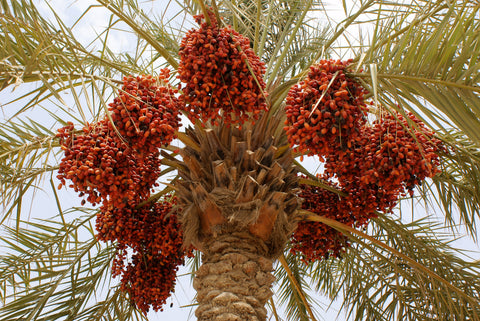 Wild Date Palm Tree: Unlocking Nature's Sweet Secrets and Sustainable Benefits
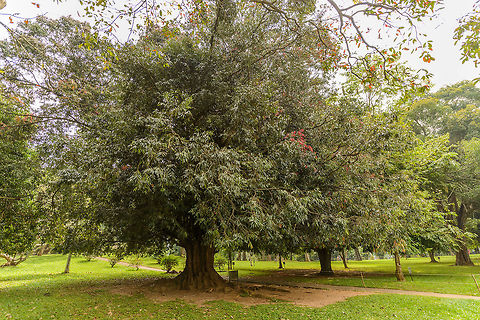 Ceylon Ironwood Tree: Unveiling the Mysteries and Benefits of Nature's Resilient Wonder
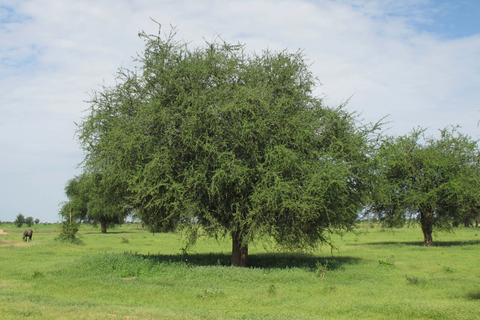 Desert Date Tree: Nature's Superfood with Incredible Health Benefits
 Ceylon Olive Tree: Unlocking the Secrets to Its Health Benefits and Culinary Delights
 Ivory Palm: Complete Growing Guide for This Tropical Beauty
 Licorice Tree: Nature's Sweetest Medicinal Marvel Unlocked


Comments
Leave a comment