


Ceylon Olive Tree: Unlocking the Secrets to Its Health Benefits and Culinary Delights
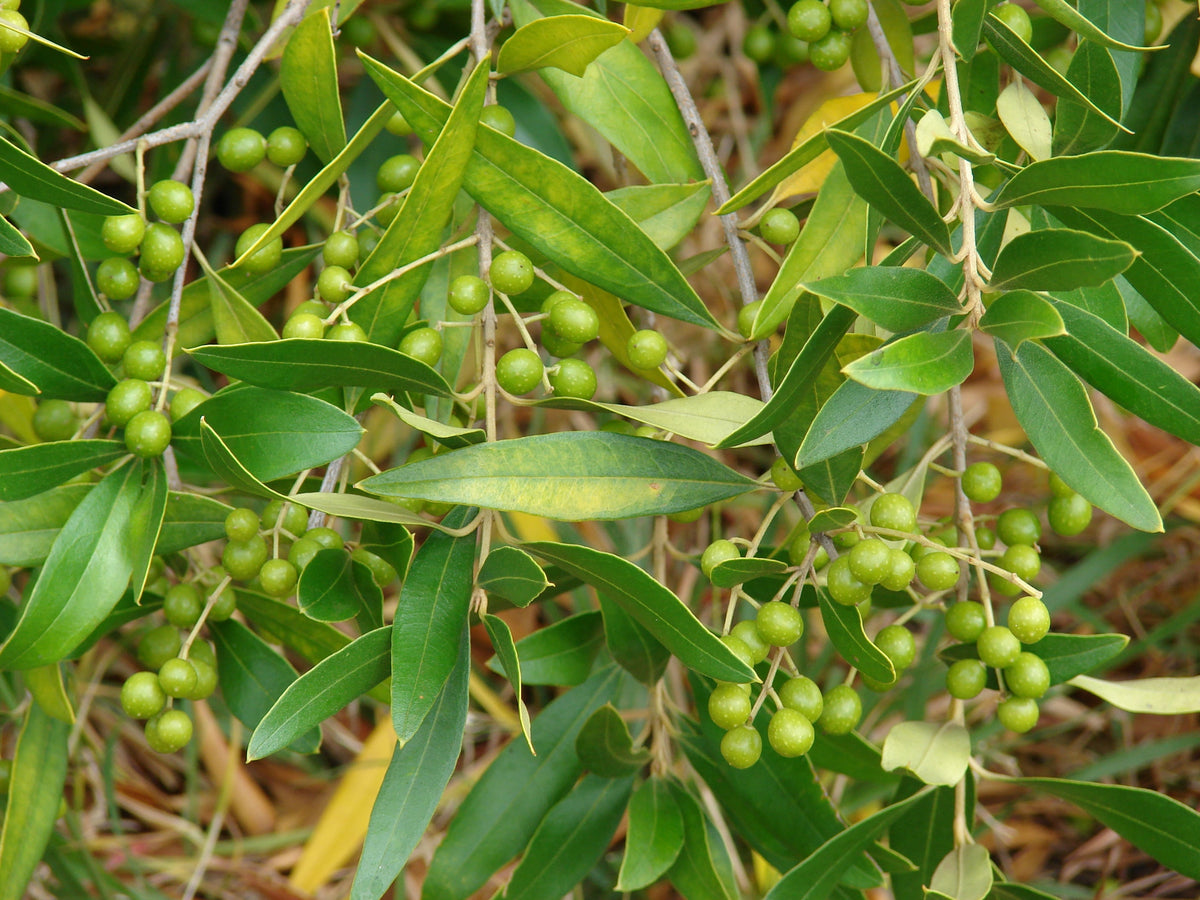
The Ceylon Olive Tree (Olea europaea), a Mediterranean-origin plant now thriving in Sri Lanka's tropical climate, is valued for both health and culinary applications. Its leaves, fruit, and oil contain bioactive compounds including polyphenols—antioxidants that help combat oxidative stress. Research indicates these compounds reduce the risk of chronic diseases such as heart disease and cancer.
The Ceylon Olive Tree, scientifically known as Olea europaea, is a remarkable plant that has been cherished for centuries for its health benefits and culinary applications. Originating from the Mediterranean region, the Ceylon Olive has found its way into various cultures, particularly in Sri Lanka, where it thrives in the tropical climate.
This blog will delve into the health benefits, culinary delights, historical significance, environmental impact, and the role of organizations like Grow Billion Trees Partners in promoting this extraordinary tree.
Health Benefits of Ceylon Olive
The Ceylon Olive Tree is not just a beautiful addition to any landscape; it also offers a plethora of health benefits. The leaves, fruit, and oil derived from the Ceylon Olive are rich in bioactive compounds that contribute to overall well-being.
- Rich in Antioxidants: Ceylon Olive leaves contain polyphenols, which are powerful antioxidants that help combat oxidative stress in the body. A study published in the Journal of Agricultural and Food Chemistry found that these compounds can reduce the risk of chronic diseases such as heart disease and cancer.
- Anti-Inflammatory Properties: The anti-inflammatory properties of Ceylon Olive oil are well-documented. Research shows that the oleocanthal compound found in olive oil can reduce inflammation, similar to the effects of ibuprofen. This makes it beneficial for individuals suffering from arthritis and other inflammatory conditions.
- Heart Health: The monounsaturated fats in Ceylon Olive oil can improve heart health by reducing bad cholesterol (LDL) levels and increasing good cholesterol (HDL) levels. The American Heart Association recommends incorporating olive oil into a heart-healthy diet.
- Weight Management: Studies suggest that olive oil can aid in weight management. The healthy fats in Ceylon Olive oil can promote satiety, reducing overall calorie intake. A study published in Nutrition & Metabolism indicates that those who consume olive oil as part of a balanced diet tend to maintain a healthier weight.
- Skin Benefits: Ceylon Olive oil is not only beneficial for consumption but also for topical application. Its moisturizing properties make it an excellent choice for skincare, helping to hydrate and protect the skin. Additionally, the antioxidants in olive oil can combat signs of aging.
Culinary Delights of Ceylon Olive
The culinary uses of Ceylon Olive are as diverse as its health benefits. The fruit can be consumed raw or pickled, while the oil is a staple in many kitchens around the world.
- Olive Oil: Ceylon Olive oil is a versatile ingredient that can be used for cooking, dressing salads, or drizzling over cooked dishes. Its rich flavor enhances the taste of various cuisines, making it a favorite among chefs.
- Olive Tapenade: A delicious spread made from finely chopped olives, capers, and olive oil, tapenade can be enjoyed on bread, crackers, or as a condiment for meats and vegetables.
- Stuffed Olives: Ceylon Olives can be stuffed with a variety of fillings, including cheese, garlic, or herbs, making for a delightful appetizer or snack.
- Olive Salad: A refreshing salad featuring Ceylon Olives, tomatoes, cucumbers, and feta cheese, drizzled with olive oil and lemon juice, is a perfect summer dish.
Historical Significance of the Ceylon Olive Tree
The Ceylon Olive Tree has a rich history that dates back thousands of years. It is believed that olives were first cultivated in the Mediterranean region around 6000 BC. The tree has significant cultural and economic importance, particularly in the Mediterranean and South Asian regions.
In ancient times, olive oil was considered a symbol of peace and prosperity. It was used in religious ceremonies and as a part of daily life. The Greeks even crowned their victors with olive wreaths, symbolizing honor and achievement. In Sri Lanka, the introduction of the Ceylon Olive Tree has provided new opportunities for local farmers, enhancing biodiversity and agricultural practices.
Environmental Impact of Ceylon Olive Trees
The cultivation of Ceylon Olive Trees has a positive impact on the environment. These trees are drought-resistant and can thrive in poor soil conditions, making them an excellent choice for sustainable agriculture. Their deep root systems help prevent soil erosion and promote soil health.
Moreover, Ceylon Olive Trees contribute to biodiversity by providing habitats for various species. The cultivation of these trees can help restore degraded lands and improve local ecosystems. Additionally, the carbon sequestration potential of olive trees plays a crucial role in mitigating climate change.
Grow Billion Trees Partners: Promoting Ceylon Olive Trees
Grow Billion Trees Partners is an organization dedicated to promoting sustainable forestry and reforestation efforts worldwide. In Sri Lanka, they have taken significant steps to promote the planting and cultivation of Ceylon Olive Trees, recognizing their environmental and economic benefits.
The organization collaborates with local communities, providing education and resources to help farmers cultivate Ceylon Olive Trees effectively. Their initiatives focus on:
- Education and Training: Grow Billion Trees Partners conducts workshops and training sessions for local farmers on the benefits of Ceylon Olive cultivation, including best practices for planting, maintenance, and harvesting.
- Community Engagement: The organization actively involves local communities in their projects, ensuring that the benefits of Ceylon Olive cultivation are shared among all stakeholders. This fosters a sense of ownership and responsibility towards the environment.
- Research and Development: Grow Billion Trees Partners invests in research to develop sustainable agricultural practices that enhance the yield and quality of Ceylon Olives. This includes studying pest management, soil health, and irrigation techniques.
- Market Access: The organization assists farmers in accessing local and international markets for their Ceylon Olive products, ensuring fair prices and sustainable livelihoods.
Fun Facts About Ceylon Olive Trees
- The Ceylon Olive Tree can live for hundreds of years, with some trees estimated to be over a thousand years old.
- Olive trees are known for their resilience; they can survive in harsh conditions and can even regenerate after being cut down.
- Olives are technically a fruit, and they belong to the same family as lilacs and ash trees.
- In ancient Greece, olive oil was so valuable that it was used as currency.
- Ceylon Olives are often used in traditional medicine to treat various ailments, including digestive issues and skin conditions.
The Future of Ceylon Olive Cultivation
The future of Ceylon Olive cultivation looks promising, especially with the increasing global demand for healthy and sustainable food sources. As more people become aware of the health benefits of olive oil and other olive products, the market for Ceylon Olives is expected to grow.
Moreover, initiatives like those led by Grow Billion Trees Partners will play a crucial role in promoting sustainable practices and ensuring that local communities benefit from the cultivation of Ceylon Olive Trees. By investing in education, research, and community engagement, these organizations are paving the way for a greener and more sustainable future.
Conclusion
The Ceylon Olive Tree is a treasure trove of health benefits and culinary delights. From its rich history and environmental impact to its role in sustainable agriculture, this remarkable tree deserves recognition and appreciation.
As we unlock the secrets of the Ceylon Olive, we also open the door to a healthier lifestyle and a more sustainable future. With the support of organizations like Grow Billion Trees Partners, the cultivation of Ceylon Olive Trees can flourish, benefiting both the environment and local communities for generations to come.
Frequently Asked Questions
What are the health benefits of Ceylon Olive?
These little wonders pack a punch with antioxidants, anti-inflammatory properties, and heart health perks. They’re like nature’s multivitamin, helping you fight chronic diseases and keep your heart happy. Plus, they can help you manage your weight and even work wonders for your skin. Who knew olives could do so much?
How can I use Ceylon Olive in cooking?
Ceylon Olive oil is the culinary superstar you didn’t know you needed! Drizzle it on salads, use it for cooking, or whip up a delicious olive tapenade. You can even stuff the olives for a tasty appetizer or toss them in a refreshing salad. Your taste buds will thank you!
What is the historical significance of the Ceylon Olive Tree?
The Ceylon Olive Tree has been around since 6000 BC, making it a true ancient treasure! Used in religious ceremonies and as a symbol of peace, it has deep cultural roots. In Sri Lanka, it’s more than just a plant; it’s a game-changer for local farmers and biodiversity. Talk about a tree with a legacy!
How do Ceylon Olive Trees impact the environment?
These trees are eco-friendly champions! They thrive in poor soil, prevent erosion, and promote soil health. Plus, they provide habitats for various species and help restore degraded lands. With their carbon-sequestering abilities, Ceylon Olive Trees are doing their part to combat climate change. Who knew saving the planet could look so good?
What role do organizations like Grow Billion Trees Partners play?
Grow Billion Trees Partners are like the olive tree’s biggest fans! They promote sustainable practices and educate local farmers on Ceylon Olive cultivation. By engaging communities and investing in research, they ensure that the benefits of these trees are shared widely. It’s a grassroots movement that’s sprouting into something beautiful!
How does Ceylon Olive oil benefit skin care?
Ceylon Olive oil isn’t just for your salad; it’s a skincare hero! Its moisturizing properties hydrate and protect your skin, while antioxidants combat signs of aging. So, slather it on and let nature work its magic. Who knew you could eat well and look fabulous at the same time?
Can Ceylon Olives help with weight management?
Absolutely! Ceylon Olives can help you feel fuller for longer, making them a tasty ally in your weight management journey. The healthy fats in olive oil promote satiety, reducing the temptation to snack mindlessly. So go ahead, indulge in those olives; your waistline will thank you later!
What makes Ceylon Olive Trees drought-resistant?
Ceylon Olive Trees are like the superheroes of the plant world! Their deep root systems allow them to access water from deep within the soil, enabling them to thrive in arid conditions. This makes them perfect for sustainable agriculture, especially in regions facing water scarcity. Talk about resilience!
What are some fun facts about Ceylon Olive Trees?
Did you know some Ceylon Olive Trees can live for over a thousand years? They’re practically ancient sages of the botanical world! Plus, olives are technically fruits, and they can survive harsh conditions. These trees have been valuable throughout history, even serving as currency in ancient Greece. Talk about a rich heritage!
How does Ceylon Olive cultivation support local communities?
Ceylon Olive cultivation is a boon for local farmers! It opens up new economic opportunities, enhances biodiversity, and promotes sustainable practices. Organizations like Grow Billion Trees Partners help farmers access markets and provide training, ensuring everyone benefits. It’s a win-win situation that fosters community spirit and environmental stewardship!
What is the future of Ceylon Olive cultivation?
The future is looking bright for Ceylon Olive cultivation! With increasing global demand for healthy food, these olives are set to take center stage. Sustainable practices and community engagement initiatives will ensure that local farmers thrive. So, get ready for a greener, healthier future, all thanks to this remarkable tree!
How can I get involved in promoting Ceylon Olive Trees?
Want to join the olive revolution? You can support organizations like Grow Billion Trees Partners through donations or volunteering. Spread the word about the benefits of Ceylon Olives and encourage local farmers to cultivate them. Every little bit helps in creating a sustainable future, one olive at a time!
Keep reading
 Burmese Grape Tree: Unlocking the Secrets of Nature's Sweetest Superfruit!
 Walnut Tree: Unlocking the Secrets to Health Benefits, Care Tips, and Delicious Recipes
 Betel Nut Palm Tree: The Hidden Treasures and Health Benefits You Never Knew!
 Silver Birch Tree: Nature's Graceful Wonder & Environmental Champion
 Hawaiian Sandalwood Tree: Ultimate Guide to Mystical Benefits & Sustainable Harvesting
 Jackalberry Tree: Nature's Hidden Gem and Its Surprising Benefits for Wildlife and Ecosystems

Comments
Leave a comment