
Ceylon Ironwood Tree: Unveiling the Mysteries and Benefits of Nature's Resilient Wonder
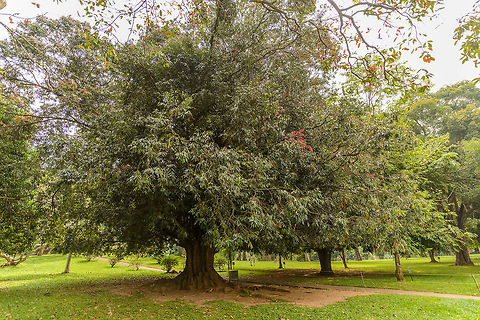
The Ceylon Ironwood tree (Mesua ferrea) is a large evergreen native to tropical forests of Sri Lanka and Southeast Asia, growing up to 30 metres tall. Its dense hardwood is used for construction and furniture because of its strength and durability. Its natural resilience to drought and poor soil conditions makes it valuable for reforestation projects.
The Ceylon Ironwood tree, scientifically known as Mesua ferrea, is a remarkable species native to the tropical forests of Sri Lanka and parts of Southeast Asia.
Renowned for its resilience and multifaceted benefits, this tree has been a crucial element in both ecological and cultural contexts.
In this blog, we will delve into the mysteries surrounding the Ceylon Ironwood, its historical significance, environmental impact, and how organizations like Grow Billion Trees Partners are working to promote reforestation and sustainable practices in the region.
Understanding the Ceylon Ironwood Tree
The Ceylon Ironwood tree is a large evergreen tree that can grow up to 30 meters tall. Its dense, hardwood is known for its incredible strength and durability, making it highly sought after for construction, furniture, and various handicrafts.
The tree features glossy, dark green leaves that create a beautiful canopy, providing habitat for diverse wildlife. The flowers are white to pale yellow, with a sweet fragrance, attracting various pollinators, including bees and butterflies.
One of the most fascinating aspects of the Ceylon Ironwood is its natural resilience. The tree can withstand harsh environmental conditions, including drought and poor soil quality. This adaptability makes it an ideal candidate for reforestation projects, especially in areas affected by deforestation and climate change.
Historical Significance
The Ceylon Ironwood has been an integral part of Sri Lankan culture for centuries. Historically, the wood was used in the construction of temples, palaces, and other significant structures, symbolizing strength and durability.
The tree is often associated with traditional Ayurvedic medicine, where various parts of the plant, including leaves, bark, and flowers, are used for their therapeutic properties.
In addition to its medicinal uses, the Ceylon Ironwood has cultural significance in local folklore and traditions. It is often seen as a symbol of resilience and longevity, embodying the spirit of the Sri Lankan people.
However, with increasing urbanization and deforestation, the tree's population has dwindled, prompting conservation efforts to protect this important species.
Ecological Benefits
The Ceylon Ironwood tree plays a vital role in the ecosystem. Its dense foliage provides shade and habitat for various species, promoting biodiversity.
The tree's flowers attract pollinators, which are crucial for the reproduction of many plant species. Additionally, the Ceylon Ironwood contributes to soil health by preventing erosion and enhancing nutrient cycling through its leaf litter.
Moreover, the tree's ability to sequester carbon makes it an essential player in combating climate change. According to scientific studies, mature trees can absorb significant amounts of carbon dioxide, helping to mitigate the effects of global warming.
The Ceylon Ironwood, with its long lifespan and robust growth, is particularly effective in this regard.
Fun Facts About Ceylon Ironwood
- The Ceylon Ironwood tree is often referred to as "Na" in Sinhala, which translates to "ironwood" due to its incredibly dense and durable wood.
- Its wood is so dense that it sinks in water, a unique characteristic that distinguishes it from many other tree species.
- The tree can live for over 100 years, making it a long-lasting addition to any landscape.
- Ceylon Ironwood is not just a tree; it is also a host for various epiphytes, including orchids, which thrive on its branches.
Environmental Impact
As the world grapples with the consequences of climate change and environmental degradation, the importance of native tree species like the Ceylon Ironwood cannot be overstated. Its resilience to adverse conditions makes it a prime candidate for reforestation efforts, particularly in degraded areas.
By restoring native forests, we can enhance biodiversity, improve soil health, and create habitats for wildlife.
Furthermore, the Ceylon Ironwood's ability to store carbon is crucial in the fight against climate change.
According to the Intergovernmental Panel on Climate Change (IPCC), forests play a significant role in carbon sequestration, and preserving and planting native species like the Ceylon Ironwood can significantly contribute to reducing greenhouse gas emissions.
Grow Billion Trees Partners: A Commitment to Reforestation
Organizations like Grow Billion Trees Partners are at the forefront of reforestation initiatives in Sri Lanka and other regions.
Their mission is to plant billions of trees worldwide, focusing on native species to restore ecosystems and combat climate change. By partnering with local communities, governments, and environmental organizations, they ensure that their efforts are sustainable and beneficial to both the environment and the people living in these areas.
Grow Billion Trees Partners employs a multifaceted approach to promote tree planting. This includes:
- Community Engagement: They work closely with local communities to raise awareness about the importance of reforestation and the benefits of native species like the Ceylon Ironwood. Educational programs and workshops are conducted to empower local people to participate actively in tree planting initiatives.
- Collaborative Partnerships: By collaborating with various stakeholders, including government agencies, NGOs, and private sectors, Grow Billion Trees Partners can leverage resources and expertise to maximize the impact of their projects.
- Monitoring and Maintenance: Planting trees is just the beginning. Grow Billion Trees Partners emphasizes the importance of monitoring and maintaining planted trees to ensure their survival and growth. This includes regular assessments and care for young saplings.
- Research and Data Collection: They conduct scientific research to gather data on the growth and impact of planted trees, which helps in refining their strategies and demonstrating the effectiveness of their initiatives.
Conclusion
The Ceylon Ironwood tree is more than just a beautiful addition to the landscape; it is a resilient wonder of nature that offers numerous ecological, cultural, and economic benefits.
As we face increasing environmental challenges, the importance of preserving and promoting native species like the Ceylon Ironwood cannot be overstated. Organizations like Grow Billion Trees Partners play a crucial role in ensuring the survival of these trees and the ecosystems they support.
By participating in reforestation efforts and advocating for sustainable practices, we can all contribute to a healthier planet.
Whether through planting a tree in your backyard or supporting initiatives that promote biodiversity, every action counts. Together, we can unveil the mysteries of nature's resilient wonders and foster a sustainable future for generations to come.
In conclusion, the Ceylon Ironwood tree stands as a testament to nature's resilience. Its historical significance, ecological benefits, and cultural importance highlight the need for conservation efforts. By supporting organizations like Grow Billion Trees Partners, we can ensure that this magnificent tree continues to thrive in the landscapes of Sri Lanka and beyond.
Further reading: Ironwood Tree: Strength in Simplicity · Ceylon Date Palm Tree: Discover the Secrets to Growing Nature's Sweetest Treasure
Frequently Asked Questions
What is the Ceylon Ironwood tree?
It's a tall, evergreen marvel known scientifically as *Mesua ferrea*, native to Sri Lanka and Southeast Asia. With its dense, durable wood, it's a favorite for construction and furniture. Plus, its glossy leaves and fragrant flowers make it a wildlife hotspot. Talk about a multitasker in nature!
Why is it called Ironwood?
The name "Ironwood" comes from its super dense wood that’s so heavy it sinks in water! This tree is not just a pretty face; it’s a powerhouse of resilience and strength. So, if you ever need a sturdy friend, look no further than the Ceylon Ironwood!
What are the ecological benefits of the Ceylon Ironwood?
This tree is an ecological hero, providing shade, habitat, and food for various species. Its flowers attract essential pollinators, and its leaf litter enhances soil health. Plus, it sequesters carbon, making it a climate change warrior. Who knew one tree could do so much good?
How long can the Ceylon Ironwood live?
The Ceylon Ironwood is a long-living legend, thriving for over 100 years! Its longevity adds a touch of timeless beauty to landscapes, reminding us that some things just get better with age. It's like the wise old sage of the forest!
What role does the Ceylon Ironwood play in Sri Lankan culture?
This tree is steeped in history, symbolizing strength and durability in Sri Lankan culture. Used in temples and palaces, it’s not just a tree; it's a cultural icon! Its medicinal properties also tie it to traditional Ayurvedic practices, making it a holistic hero.
How does the Ceylon Ironwood help combat climate change?
With its impressive carbon storage abilities, the Ceylon Ironwood is a natural ally against climate change. Mature trees absorb significant CO2, helping mitigate global warming. By promoting reforestation with this tree, we can all play a part in cooling down our planet!
What is Grow Billion Trees Partners?
Grow Billion Trees Partners is a champion of reforestation, dedicated to planting billions of trees, especially native species like the Ceylon Ironwood. They engage communities, collaborate with stakeholders, and ensure that their projects are sustainable. It’s like a tree-planting superhero squad on a mission!
How does Grow Billion Trees Partners engage with local communities?
They’re all about community engagement, raising awareness about reforestation’s importance. Through educational programs and workshops, they empower locals to get involved in tree-planting initiatives. It’s a grassroots movement where everyone can be a hero for the environment!
What is the significance of monitoring and maintaining planted trees?
Planting trees is just the beginning; monitoring and maintenance are key to their survival. Grow Billion Trees Partners emphasizes regular assessments and care for young saplings, ensuring they thrive. It’s like giving your trees a little TLC to help them grow strong!
What are some fun facts about the Ceylon Ironwood?
Aside from being a tree that sinks in water, the Ceylon Ironwood hosts various epiphytes, including lovely orchids! Its dense wood makes it a go-to for crafts and construction, and its long lifespan adds to its charm. Who knew a tree could be so fascinating?
Why should we support the Ceylon Ironwood's conservation?
Supporting the conservation of the Ceylon Ironwood means protecting a vital part of Sri Lanka's ecosystem. Its resilience and ecological benefits are essential for combating climate change and preserving biodiversity. By backing initiatives like Grow Billion Trees Partners, we can ensure this magnificent tree continues to thrive!
Keep reading
 Ironwood Tree: Strength in Simplicity
 Ceylon Date Palm Tree: Discover the Secrets to Growing Nature's Sweetest Treasure
 Ceylon Olive Tree: Unlocking the Secrets to Its Health Benefits and Culinary Delights
 Black Ironwood Tree: Ultimate Guide to Strength & Conservation
 Desert Ironwood Tree: The Ultimate Guide to Its Remarkable Resilience


Comments
Leave a comment