
Red Alder Tree: The Ultimate Guide to Benefits, Care & Characteristics
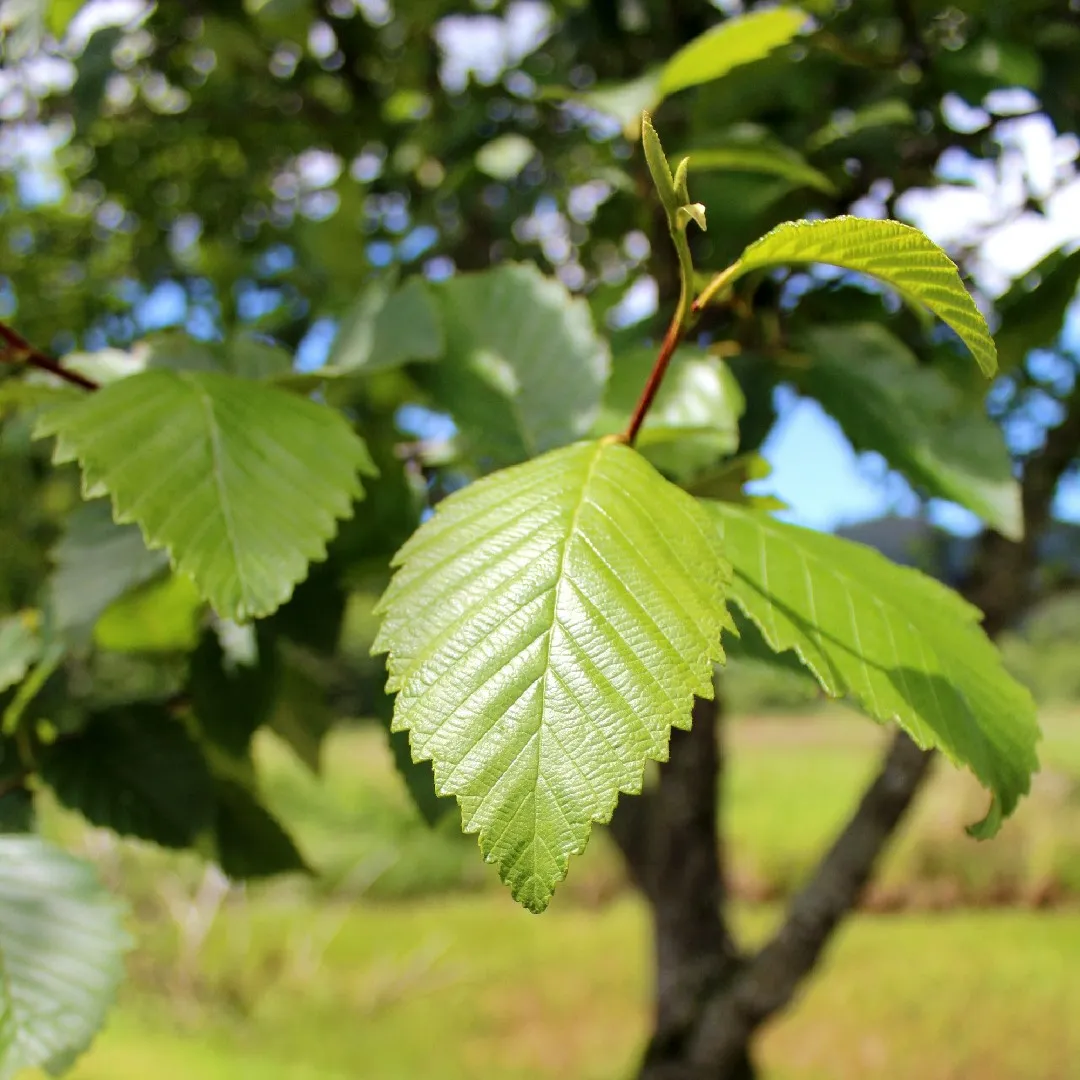
The Red Alder Tree (Alnus rubra) is a deciduous pioneer species native to North America that fixes nitrogen, increasing soil fertility by up to 200%, and sequesters carbon. It reaches 50 to 100 feet tall with 1 to 3-foot trunk diameter, smooth gray bark, and serrated leaves that turn yellow in autumn.
The Red Alder Tree (Alnus rubra) stands as one of nature's most remarkable pioneers, offering exceptional ecological benefits while supporting forest restoration efforts across North America. This remarkable deciduous tree not only enhances soil fertility through its unique nitrogen-fixing abilities but also plays a crucial role in Combating Climate Change Through Collective Action through carbon sequestration and ecosystem restoration.
✅ What Makes the Red Alder Tree Unique
Red Alder trees are distinguished by their impressive growth potential, reaching heights of 50 to 100 feet with trunk diameters spanning 1 to 3 feet. Their smooth, gray bark gradually darkens with age, while their distinctive serrated leaves create a stunning yellow display each fall.
The most fascinating characteristic of the Red Alder Tree lies in its symbiotic relationship with nitrogen-fixing bacteria. This natural partnership enriches soil fertility by increasing nitrogen content up to 200%, supporting surrounding vegetation and promoting biodiversity. According to the United Nations Environment Programme on forests, such nitrogen-fixing trees are essential for maintaining healthy forest ecosystems.
⭐ Physical Characteristics
- Height: 50-100 feet at maturity
- Trunk diameter: 1-3 feet
- Bark: Smooth gray, darkening with age
- Leaves: Serrated edges, vibrant yellow fall color
- Growth rate: Fast-growing pioneer species
🌱 Ecological Benefits of Red Alder Trees
Red Alder trees serve as crucial pioneer species, often being the first to colonize disturbed sites and create habitats for diverse wildlife species. Their spring catkins provide essential food sources for birds and insects, while fallen leaves enrich soil with organic matter.
The nitrogen-fixing capability represents the tree's most significant ecological contribution. This process creates a foundation for forest succession, allowing other plant species to establish and thrive. The World Wildlife Fund's forest conservation initiatives recognize such species as vital for ecosystem restoration.
💡 Environmental Impact
- Carbon sequestration: Absorbs significant CO2 amounts
- Soil stabilization: Prevents erosion in riparian zones
- Water quality protection: Reduces sedimentation and nutrient runoff
- Biodiversity support: Creates habitat for numerous species
🌿 Historical Significance and Cultural Importance
Native American tribes in the Pacific Northwest have utilized Red Alder trees for centuries, crafting tools, canoes, and ceremonial masks from its durable wood. The bark served weaving purposes for baskets, while inner bark provided sustenance during challenging times.
Today, Red Alder wood remains highly valued for its attractive grain and rich color, finding applications in cabinetry, flooring, and musical instruments. This historical connection demonstrates the tree's long-standing importance in human culture and sustainable resource utilization.
🌳 Red Alder Tree Care and Cultivation Guide
Growing Red Alder trees proves relatively straightforward due to their adaptability across various soil types, including sandy, loamy, and clay soils. These resilient trees prefer moist, well-drained areas and can tolerate partial shade, though full sun exposure promotes optimal growth.
→ Planting Your Red Alder Tree
Site Selection: Choose locations receiving full sun with good drainage. Red Alders thrive near water sources such as streams or wetlands, making them perfect for riparian restoration projects.
Soil Preparation: Test soil pH levels, as Red Alders prefer slightly acidic to neutral soils (pH 6.0-7.0). Enhance fertility by amending soil with organic matter when necessary.
Planting Process: Dig holes twice the root ball width and equal depth. Position trees ensuring root collars align with soil surface, then backfill and water thoroughly.
💧 Watering and Maintenance
Young Red Alder trees require deep weekly watering until establishment. Once mature, they demonstrate remarkable drought tolerance. Their natural nitrogen-fixing ability typically eliminates fertilization needs, though balanced spring fertilizers can boost slow growth.
At Grow Billion Trees, we provide comprehensive 2-3ft Tree Planting + 3 Years Care + GeoTag services, ensuring your Red Alder trees receive optimal care for successful establishment. Our mission to Plant a tree in your Name for just ₹299 includes professional planting and ongoing maintenance support.
⚠️ Pest and Disease Management
Red Alder trees demonstrate natural resistance to most pests and diseases. However, they may occasionally face challenges from aphids, leaf miners, and fungal infections like powdery mildew. Early intervention using insecticidal soap or neem oil effectively manages these issues.
Regular monitoring ensures healthy tree development, while proper spacing and air circulation minimize disease risks. Our experienced team at Grow Billion Trees provides ongoing support to maintain tree health throughout the critical establishment period.
🌍 Red Alder Trees and Climate Change Mitigation
The environmental impact of Red Alder trees extends far beyond their immediate ecosystem. Through improved soil health and carbon sequestration, they contribute significantly to climate change mitigation efforts. The United Nations climate change initiatives emphasize the crucial role of forest restoration in achieving global climate goals.
Red Alders excel at stabilizing soil and preventing erosion in riparian zones, protecting waterways from sedimentation and nutrient runoff. This function proves vital for maintaining water quality and supporting aquatic ecosystems, aligning with our commitment to achieving Net Zero Targets through comprehensive environmental restoration.
🎯 Supporting Corporate Environmental Goals
Organizations seeking to meet sustainability objectives find Red Alder trees particularly valuable due to their rapid growth and multiple environmental benefits. Our corporate partnerships help businesses achieve their environmental commitments while contributing to our goal of planting 100 crore trees across India by June 2030.
Further reading: Alder Tree: The Tree of Waterways and Riverside · Common Alder Tree: The Unsung Hero of Wetlands and Wildlife
Frequently Asked Questions
How fast do Red Alder trees grow?
Red Alder trees are fast-growing pioneer species that can reach 20-30 feet in just 10 years under optimal conditions. Their rapid growth makes them excellent choices for quick forest establishment and erosion control projects.
Can Red Alder trees survive in different climates?
While native to the Pacific Northwest, Red Alder trees can adapt to various climates with adequate moisture. They thrive in USDA hardiness zones 6-9 and prefer areas with mild, wet winters and dry summers.
What wildlife benefits from Red Alder trees?
Red Alder trees support numerous wildlife species, providing nesting sites for birds, food sources through their catkins, and habitat for insects. Deer, elk, and smaller mammals also benefit from the enhanced understory vegetation these trees promote.
How do Red Alder trees fix nitrogen in soil?
Red Alder trees form symbiotic relationships with Frankia bacteria in their root nodules. These bacteria convert atmospheric nitrogen into forms plants can use, enriching soil fertility and supporting surrounding vegetation growth.
Are Red Alder trees suitable for urban environments?
Yes, Red Alder trees adapt well to urban environments due to their tolerance for various soil conditions and pollution. They're excellent for parks, stream restoration projects, and areas requiring rapid vegetation establishment.
What is the lifespan of a Red Alder tree?
Red Alder trees typically live 60-100 years, with some specimens reaching 150 years. Their relatively short lifespan compared to other forest trees is offset by their rapid growth and significant ecological contributions during their lifetime.
How much space do Red Alder trees need?
Plant Red Alder trees 15-20 feet apart to allow proper canopy development. In forest settings, they can be planted closer as natural competition will determine final spacing through natural selection processes.
Can I plant Red Alder trees for timber production?
Red Alder wood is valuable for furniture, cabinetry, and musical instruments. Trees can be harvested for timber in 40-60 years, making them suitable for sustainable forestry operations while providing environmental benefits during growth.
Do Red Alder trees require special soil conditions?
Red Alder trees are remarkably adaptable, growing in sandy, loamy, and clay soils. They prefer moist, well-drained conditions but can tolerate seasonal flooding and various pH levels from slightly acidic to neutral.
How do Red Alder trees contribute to forest succession?
As pioneer species, Red Alder trees colonize disturbed areas first, improving soil conditions through nitrogen fixation. This creates favorable conditions for other tree species to establish, facilitating natural forest succession over time.Red Alder trees represent nature's perfect example of environmental stewardship, combining rapid growth with exceptional ecological benefits. Their nitrogen-fixing abilities, carbon sequestration potential, and wildlife support make them invaluable allies in our fight against climate change. Whether you're planning a restoration project, seeking to enhance your property's ecological value, or supporting corporate sustainability goals, Red Alder trees offer unmatched environmental returns.Join Grow Billion Trees in our mission to create a greener, more sustainable future. Discover how you can Plant a tree in your Name and contribute to our ambitious goal of planting 100 crore trees while supporting vital ecosystem restoration efforts across the globe.
Keep reading
 Alder Tree: The Tree of Waterways and Riverside
 Common Alder Tree: The Unsung Hero of Wetlands and Wildlife
 Black Alder Tree: Nature's Resilient Wonder for Ecosystem Restoration
 Gray Birch Tree: The Unsung Hero of Your Garden – Beauty & Benefits
 Sweet Fern Tree: Unlocking Nature's Fragrant Nitrogen-Fixing Wonder


Leave a comment