
Cottonwood Tree: The Majestic Giant of Nature's Landscape and Its Surprising Benefits
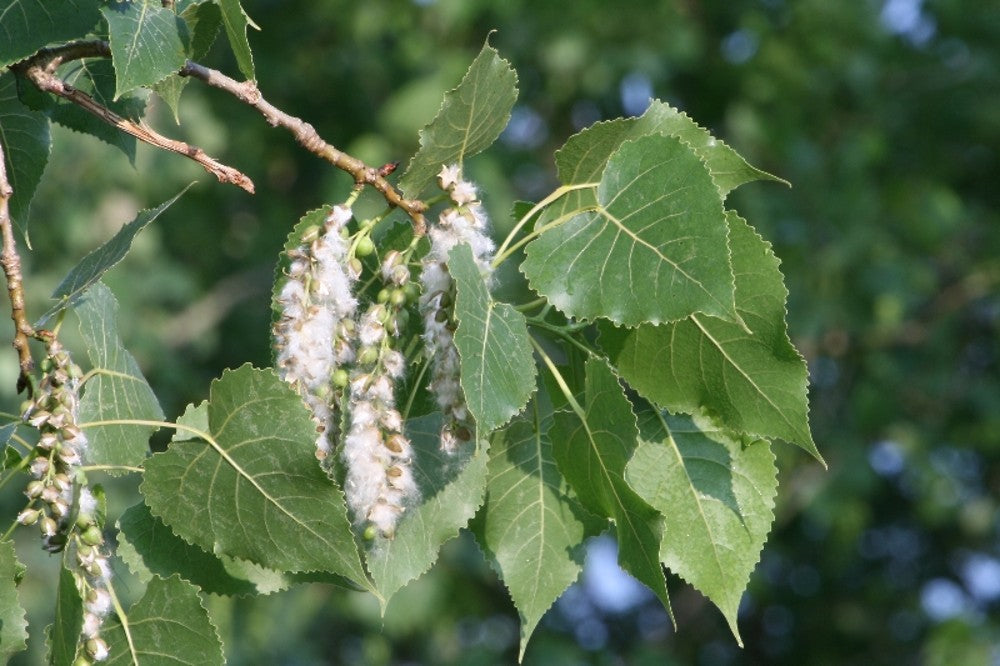
The Cottonwood (Populus deltoides) is a fast-growing North American tree reaching up to 100 feet tall with a lifespan of 50–70 years. Growing at rates of up to 6 feet annually, it provides shade, wildlife habitat, and soil stabilization while playing a vital ecological role in riparian and wetland ecosystems.
When we think of majestic trees that grace our landscapes, the Cottonwood tree (Populus deltoides) often stands out as a symbol of strength and resilience.
Known for its towering height and broad canopy, the Cottonwood is not just a tree; it’s a vital part of our ecosystem, offering numerous benefits to both the environment and human society.
In this blog, we will explore the Cottonwood tree's characteristics, historical significance, ecological impact, and the surprising benefits it brings to our lives. We will also highlight the efforts of organizations like Grow Billion Trees Partners, who are committed to promoting and executing tree-planting initiatives in various regions.
The Cottonwood Tree: Characteristics and Fun Facts
The Cottonwood tree is a member of the Salicaceae family and is primarily found in North America. It can grow up to 100 feet tall, with a trunk diameter that can exceed three feet.
The leaves of the Cottonwood are typically triangular or heart-shaped, with a serrated edge, and they turn a brilliant yellow in the fall. Here are some fun facts about Cottonwood trees:
- Fast Growth: Cottonwoods are among the fastest-growing trees in North America, capable of growing up to 6 feet per year under ideal conditions.
- Short Lifespan: Despite their impressive size, Cottonwoods have a relatively short lifespan of 50 to 70 years.
- Seed Dispersal: The tree produces fluffy seeds that are carried by the wind, allowing for rapid colonization of new areas.
- Habitat: Cottonwoods thrive in riparian zones, making them essential for stabilizing riverbanks and providing habitat for various wildlife.
Historical Significance of Cottonwood Trees
Cottonwood trees have been significant throughout history, particularly for Indigenous peoples in North America. Native Americans utilized various parts of the Cottonwood tree for medicinal purposes, crafts, and even as a source of food.
The bark was used to make canoes, and the wood was fashioned into tools and structures. The tree's importance is also reflected in folklore and stories, where it often symbolizes strength and endurance.
In the 19th century, as settlers moved westward, Cottonwoods were often planted along trails and rivers for shade and as a source of timber. Their quick growth made them a favorite for reforestation efforts and landscape beautification. Today, Cottonwoods continue to be a vital part of many ecosystems and urban landscapes.
Ecological Impact of Cottonwood Trees
Cottonwood trees play a crucial role in maintaining ecological balance. Their extensive root systems help prevent soil erosion, particularly in riparian zones where they are commonly found. Here are some environmental benefits of Cottonwood trees:
- Habitat Creation: Cottonwoods provide habitat for a variety of wildlife, including birds, mammals, and insects. Species such as the Great Horned Owl and the Western Bluebird often nest in their branches.
- Water Filtration: The roots of Cottonwood trees help filter pollutants from water, improving water quality in nearby rivers and streams.
- Carbon Sequestration: Like all trees, Cottonwoods absorb carbon dioxide from the atmosphere, playing a role in mitigating climate change.
- Soil Improvement: The organic matter from fallen leaves and decaying wood enriches the soil, promoting a healthy ecosystem.
Surprising Benefits of Cottonwood Trees
Beyond their ecological contributions, Cottonwood trees offer several surprising benefits to humans:
- Medicinal Uses: The bark and leaves of the Cottonwood tree contain salicin, a compound similar to aspirin, which has anti-inflammatory properties. Traditional medicine practices have utilized these parts for treating ailments such as fevers and pain.
- Wood Products: Cottonwood wood is lightweight and easy to work with, making it a popular choice for furniture, cabinetry, and even musical instruments.
- Shade and Aesthetics: Cottonwoods provide ample shade, making them ideal for parks and residential areas. Their majestic presence enhances the beauty of landscapes.
- Pollinator Support: Cottonwood trees are known to attract various pollinators, including bees, which are essential for the health of our ecosystems and food production.
Grow Billion Trees Partners: A Commitment to Reforestation
As the importance of trees like the Cottonwood becomes increasingly recognized, initiatives aimed at promoting reforestation and sustainable forestry practices have gained momentum.
One such initiative is Grow Billion Trees Partners, an organization dedicated to planting trees and restoring natural habitats across various regions.
Grow Billion Trees Partners focuses on several key areas to execute and promote their projects:
- Community Engagement: They work closely with local communities to educate them about the benefits of tree planting and involve them in the process. This grassroots approach ensures that the projects are sustainable and culturally relevant.
- Partnerships: Collaborating with governmental bodies, NGOs, and private sectors, Grow Billion Trees Partners leverages resources and expertise to maximize the impact of their initiatives.
- Research and Innovation: The organization invests in research to identify the best tree species for specific environments, including Cottonwoods, to ensure successful growth and sustainability.
- Monitoring and Maintenance: After planting, they implement monitoring programs to track the health and growth of the trees, ensuring that they thrive long-term.
Through these efforts, Grow Billion Trees Partners not only contributes to increasing tree cover but also enhances biodiversity, combats climate change, and improves the quality of life for communities.
Conclusion: The Cottonwood Tree and Our Future
The Cottonwood tree is a majestic giant that embodies the beauty and resilience of nature. Its ecological benefits, historical significance, and surprising advantages make it a vital component of our landscapes.
As we face the challenges of climate change and environmental degradation, initiatives like those of Grow Billion Trees Partners become increasingly important. By promoting tree planting and restoration efforts, we can ensure that future generations will continue to enjoy the beauty and benefits of Cottonwood trees and other vital species.
In conclusion, whether you are a nature enthusiast, a history buff, or simply someone looking to make a positive impact on the environment, understanding and appreciating the Cottonwood tree can inspire action. Together, we can work towards a greener, more sustainable future, one tree at a time.
Further reading: Poplar Tree: The Ultimate Guide to Benefits, Care, and Stunning Varieties for Your Landscape · Sycamore Tree: The Majestic Giant of Nature's Landscape and Its Surprising Benefits
Frequently Asked Questions
What is a Cottonwood tree?
Cottonwood trees are the towering titans of the Populus genus, reaching heights of up to 150 feet. With broad, heart-shaped leaves and fluffy seeds, they’re not just eye candy but ecological superheroes, providing habitat and food for wildlife while making landscapes look majestic. Who wouldn’t want one in their backyard?
How fast do Cottonwood trees grow?
Cottonwood trees are the Usain Bolts of the tree world, sprinting up to 5 feet per year. They’re perfect for those who want a quick dose of greenery in their lives. Just plant one, and before you know it, you’ll be basking under a sprawling canopy in no time!
What are the ecological benefits of Cottonwood trees?
Cottonwood trees are nature’s multitaskers, providing habitats for wildlife, sequestering carbon, stabilizing soil, and conserving water. They’re like the Swiss Army knife of trees, contributing to biodiversity and helping fight climate change. Talk about a green superhero with multiple capes!
What role did Cottonwood trees play in Native American culture?
Cottonwood trees were revered by Native American tribes for their beauty and utility. They crafted tools, canoes, and even homes from the lightweight yet strong wood. These trees were also symbols of resilience, thriving in harsh conditions and serving as landmarks. Who knew trees could be such historical heavyweights?
How do Cottonwood trees improve air quality?
Cottonwood trees are nature’s air purifiers, absorbing pollutants like sulfur dioxide and ammonia. Their leafy canopies trap dust and particulate matter, making the air cleaner and healthier. So, if you want to breathe easy, plant a Cottonwood and let it do the dirty work!
What medicinal uses do Cottonwood trees have?
The bark and leaves of Cottonwood trees are nature’s own pharmacy. Containing salicin, similar to aspirin, they’ve been used in traditional medicine to treat fevers and inflammation. Who needs a drugstore when you can tap into the healing powers of this majestic giant?
How do Cottonwood trees help with flood mitigation?
Cottonwood trees are like nature’s flood control experts. Their extensive root systems absorb excess water, reducing the risk of flash floods and protecting infrastructure. They’re the unsung heroes of riverbanks, keeping communities safe while looking fabulous in their leafy attire!
What is the significance of organizations like Grow Billion Trees Partners?
Organizations like Grow Billion Trees Partners are the champions of tree planting initiatives. They rally communities to combat deforestation and enhance biodiversity. With their focus on education and sustainable practices, they’re ensuring that future generations can enjoy the benefits of towering Cottonwood trees!
How do Cottonwood trees contribute to biodiversity?
Cottonwood trees are the life of the ecosystem party, providing food and shelter for various wildlife. Birds, insects, and mammals all rely on these majestic giants for nesting sites and sustenance. They’re like the all-you-can-eat buffet of the forest, attracting a diverse array of critters!
What is the best environment for planting Cottonwood trees?
Cottonwood trees thrive in riparian zones, where they can soak up plenty of water. They love disturbed soils and can handle a variety of conditions, making them perfect for reforestation projects. Just find a sunny spot near water, and watch these giants flourish!
How can I get involved in tree planting initiatives?
Want to be a tree-planting hero? Get involved with local initiatives or support organizations like Grow Billion Trees Partners. Whether volunteering, donating, or spreading the word, every little bit helps in creating a greener planet. So roll up your sleeves and let’s plant some Cottonwoods!
Keep reading
 Poplar Tree: The Ultimate Guide to Benefits, Care, and Stunning Varieties for Your Landscape
 Sycamore Tree: The Majestic Giant of Nature's Landscape and Its Surprising Benefits
 Trees Against Water Pollution: Nature's Solution to Clean Water
 Black Willow Tree: Unveiling the Secrets of Nature's Resilient Beauty and Benefits
 Eastern White Pine Tree: North America's Majestic Forest Giant


Comments
Leave a comment