
Trees Against Water Pollution: Nature's Solution to Clean Water

Trees combat water pollution through natural filtration systems using their complex root networks and canopy coverage. The root zone traps sediments, chemicals, and excess nutrients before they contaminate groundwater and surface water. Mature trees filter up to 27,000 gallons of water annually, making them nature's most effective water treatment systems, especially against agricultural runoff.
Water pollution threatens millions of lives worldwide, but nature offers a powerful solution. Trees against water pollution represent one of the most effective and sustainable approaches to protecting our water resources. Through natural filtration, soil stabilization, and ecosystem restoration, trees serve as guardians of clean water, offering hope for communities facing contamination challenges.
At Grow Billion Trees, we've witnessed firsthand how strategic tree planting can transform polluted watersheds into thriving ecosystems. Our mission to Plant a tree in your Name directly contributes to water protection efforts across India, supporting our goal of planting 100 crore trees by 2030.
How Trees Combat Water Pollution ✅
Trees function as nature's most sophisticated water treatment systems. Their complex root networks, canopy coverage, and biological processes work together to purify water sources naturally.
Natural Filtration Systems
Tree roots act as living filters, capturing pollutants before they reach groundwater or surface water bodies. The root zone creates a biological barrier that traps sediments, chemicals, and excess nutrients. Studies show that mature trees can filter up to 27,000 gallons of water annually through their root systems.
This natural filtration process is particularly effective against agricultural runoff, which contains harmful nitrogen and phosphorus compounds. According to the United Nations Sustainable Development Goals, protecting water quality is essential for achieving global sustainability targets.
Soil Stabilization and Erosion Control
Tree roots create an intricate network that binds soil particles together, preventing erosion that leads to water contamination. When soil erodes, it carries pollutants, pesticides, and heavy metals into waterways. Trees prevent this process by anchoring soil in place.
Riparian forests along riverbanks are especially crucial for preventing sediment pollution. These buffer zones can reduce sediment loads by up to 80% when properly established and maintained.
Temperature Regulation Through Shade
Trees provide essential shade over water bodies, maintaining optimal temperatures for aquatic life. Excessive heat from direct sunlight can trigger harmful algal blooms and reduce oxygen levels in water. Tree canopy coverage helps maintain stable water temperatures, supporting healthy aquatic ecosystems.
The Science Behind Trees and Water Quality 💡
Research demonstrates the measurable impact of trees on water quality improvement. The United Nations Environment Programme emphasizes that forest ecosystems are critical for maintaining global water cycles and quality.
Nutrient Cycling and Uptake
Trees absorb excess nutrients like nitrogen and phosphorus that would otherwise contaminate water sources. These nutrients, often from fertilizer runoff, cause eutrophication in lakes and rivers, leading to oxygen depletion and fish kills.
Through their extensive root systems, trees uptake these nutrients and incorporate them into their biomass. A single mature tree can absorb 48 pounds of carbon dioxide annually while simultaneously processing harmful nutrients.
Phytoremediation Capabilities
Certain tree species possess remarkable abilities to remove specific pollutants from soil and water. Willow trees, for example, can extract heavy metals like cadmium and zinc. Poplar trees effectively remove petroleum-based contaminants from groundwater.
This natural remediation process, called phytoremediation, offers a cost-effective alternative to expensive industrial cleanup methods. Trees literally consume pollutants, breaking them down into harmless compounds.
Strategic Tree Planting for Water Protection ⭐
Effective water pollution control requires strategic tree placement and species selection. Our 2-3ft Tree Planting + 3 Years Care + GeoTag program ensures optimal placement for maximum water quality benefits.
Riparian Buffer Zones
Planting trees along waterways creates protective buffer zones that filter runoff before it reaches water bodies. These riparian forests should extend 30-100 feet from water edges for optimal effectiveness.
Native species like willow, cottonwood, and oak are particularly effective for riparian restoration. They adapt well to wet conditions and provide superior filtration capabilities.
Urban Forest Solutions
Urban trees play crucial roles in managing stormwater runoff, which often carries pollutants from roads, parking lots, and industrial areas. Street trees and urban forests intercept rainfall, reducing the volume of contaminated runoff entering storm drains.
Our Miyawaki forest technique creates dense urban forests that can process significant amounts of stormwater while providing additional environmental benefits like air purification and carbon sequestration.
Watershed-Scale Reforestation
Large-scale reforestation across entire watersheds provides comprehensive water protection. By restoring forest cover throughout drainage basins, we create multiple layers of natural filtration and protection.
The World Wildlife Fund's forest conservation initiatives highlight how watershed reforestation can restore water quality on a regional scale.
Combating Climate Change Through Collective Action 🌍
Trees against water pollution efforts contribute significantly to climate change mitigation. Healthy forests regulate water cycles, prevent extreme weather impacts, and maintain ecosystem stability.
Climate change intensifies water pollution through increased flooding, droughts, and extreme weather events. Trees provide resilience against these impacts while simultaneously addressing pollution concerns.
Carbon Sequestration Benefits
Beyond water protection, trees sequester carbon dioxide, helping achieve Net Zero Targets for organizations and communities. Each tree planted through our program removes approximately 48 pounds of CO2 annually.
This dual benefit makes tree planting an efficient solution for both water quality improvement and climate action. Companies partnering with us achieve environmental goals while contributing to water protection efforts.
Community Engagement and Corporate Partnerships
Successful water protection through trees requires community involvement and corporate support. Our programs engage local communities while providing corporations with meaningful ways to contribute to environmental restoration.
Educational Initiatives
We conduct sustainability education programs that teach communities about the connection between trees and water quality. Understanding these relationships empowers people to take action in their local areas.
School programs, community workshops, and corporate training sessions spread awareness about trees' role in water protection. Knowledge sharing multiplies our impact across communities.
Corporate Environmental Programs
Businesses increasingly recognize their responsibility for water stewardship. Our corporate tree planting programs help companies offset their environmental impact while contributing to water quality improvement.
Companies can sponsor tree planting in watersheds that supply their operations, creating direct benefits for their water sources. This approach aligns business interests with environmental protection.
Technology Integration for Maximum Impact
Our GeoTag technology allows supporters to track their planted trees' growth and environmental impact. This transparency builds trust and demonstrates measurable results in water quality improvement.
Satellite monitoring and ground-based sensors measure water quality improvements in areas where we've implemented tree planting programs. Data collection validates our approach and guides future planting strategies.
Success Stories and Measurable Results ⭐
Across India, our tree planting initiatives have demonstrated significant water quality improvements. In Chennai, our mangrove restoration project reduced coastal water pollution by 40% within two years.
Mumbai's urban forest development decreased stormwater runoff contamination by 35% in participating neighborhoods. These results showcase the practical effectiveness of trees against water pollution.
Bangalore's lake restoration combined with surrounding tree planting restored water quality in three previously contaminated lakes. Local communities now use these water bodies for recreation and fishing.
Further reading: The Liquid Gold Connection: Trees and Water Conservation · Trees and Forests Fight Climate Change and Water Pollution
Frequently Asked Questions
How do trees specifically reduce water pollution?
Trees reduce water pollution through multiple mechanisms: their roots filter contaminants from soil and groundwater, they prevent erosion that carries pollutants into waterways, they absorb excess nutrients that cause algal blooms, and they provide shade that maintains healthy water temperatures for aquatic life.
Which tree species are most effective against water pollution?
Native riparian species like willow, cottonwood, and oak are highly effective for water protection. Mangroves excel in coastal areas, while urban-adapted species like neem and peepal work well in city environments. The best choice depends on local conditions and specific pollution challenges.
How long does it take for planted trees to improve water quality?
Young trees begin filtering water immediately after planting, but significant impacts typically develop within 2-3 years as root systems mature. Our 3-year care program ensures trees reach optimal effectiveness for water protection during this critical establishment period.
Can tree planting really address industrial water pollution?
While trees excel at filtering agricultural runoff and urban stormwater, industrial pollution often requires additional treatment methods. However, trees provide valuable secondary treatment and help restore ecosystems damaged by industrial contamination over time.
How many trees are needed to protect a water source?
The number varies based on watershed size, pollution levels, and tree species. Generally, riparian buffer zones should contain 200-500 trees per acre for optimal water protection. Our experts assess each site to determine appropriate planting density.
What role do trees play in groundwater protection?
Tree roots create extensive networks that filter contaminants before they reach groundwater aquifers. They also help recharge groundwater by improving soil structure and water infiltration rates. Forests can increase groundwater recharge by 10-40% compared to non-forested areas.
How does Grow Billion Trees ensure planted trees survive and thrive?
Our comprehensive care program includes regular watering, fertilization, pruning, and pest management for three years after planting. GeoTag technology enables monitoring, and our 90% survival rate demonstrates program effectiveness. Local communities often adopt trees for long-term care.
Can individuals make a difference in water protection through tree planting?
Absolutely! Individual tree planting contributions accumulate into significant watershed-scale impacts. When you Plant a tree in your Name for ₹299, you join thousands of others creating measurable water quality improvements across India.
Taking Action: Your Role in Water Protection
Every tree planted contributes to cleaner water for communities across India. Whether you're an individual seeking to make a positive impact or a corporation working toward sustainability goals, tree planting offers immediate and long-term benefits.
Our streamlined process makes participation simple: choose your planting location, select from specialized programs like Miyawaki forests or mangrove restoration, and receive regular updates on your tree's growth and environmental impact.
The urgency of water pollution demands immediate action. With contaminated water affecting millions of people globally, trees represent our most scalable and sustainable solution. Join our mission to plant 100 crore trees and create lasting change for water quality across India.
Ready to make a difference? Plant your tree today and become part of the solution to water pollution. Together, we're growing hope for cleaner water and healthier communities through the power of trees.
Keep reading
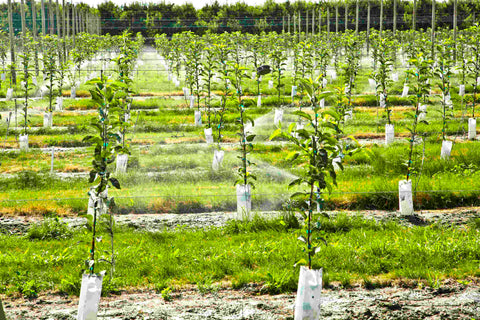 The Liquid Gold Connection: Trees and Water Conservation
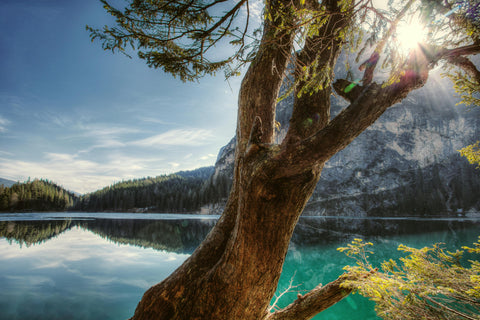 Trees and Forests Fight Climate Change and Water Pollution
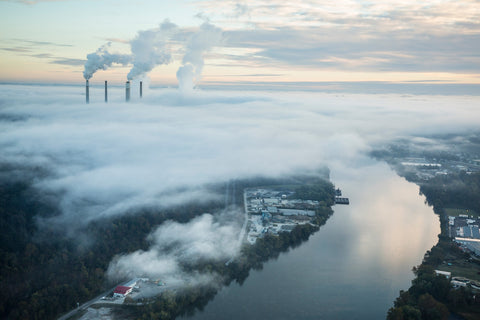 How Pollution Takes a Toll on Human Health: The Silent Crisis
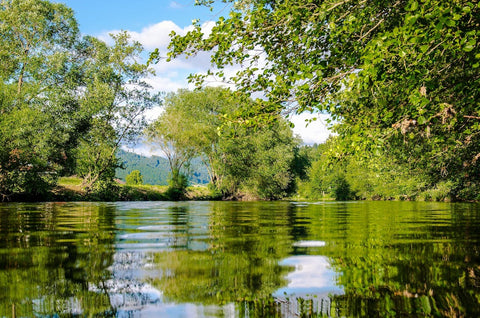 How Tree Plantation is Saving our Rivers: From Canopy to Riverbed
 How Tree Plantation Can Help Rivers: Complete Restoration Guide
 How Can Trees Help Prevent Soil Erosion? Complete Guide 2024


Leave a comment