
Pencil Cedar Tree: The Ultimate Guide to Growing and Caring for This Unique Evergreen!
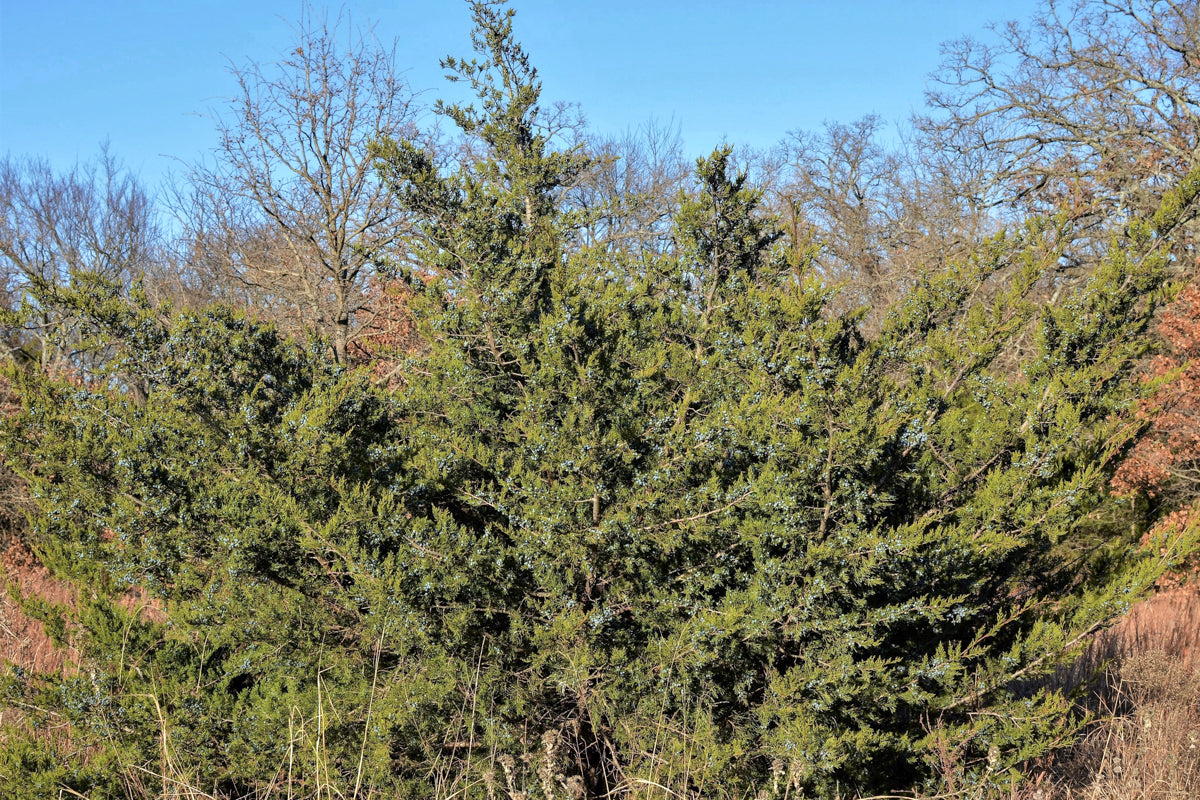
Pencil Cedar (Juniperus virginiana) is a columnar evergreen native to eastern and central North America, growing 40–50 feet tall with blue-green needle-like foliage. Its narrow vertical form makes it suitable for privacy screens and windbreaks. The tree can live over 100 years and is relatively low-maintenance once established.
The Pencil Cedar Tree, scientifically known as Juniperus virginiana, is a remarkable evergreen that has captured the hearts of gardeners, landscapers, and environmentalists alike.
Known for its unique pencil-like shape, this tree not only adds aesthetic value to any landscape but also plays a crucial role in supporting local ecosystems.
In this ultimate guide, we will delve into the various aspects of growing and caring for Pencil Cedar Trees, including their environmental impact, historical significance, and partnership initiatives in tree planting.
Botanical Characteristics
Pencil Cedar is a member of the Cupressaceae family, which includes cypress and cedar trees. It is native to North America, particularly found in the eastern and central United States.
The tree can grow to heights of 40-50 feet, with a spread of about 10-20 feet. Its foliage consists of needle-like leaves that are typically blue-green in color, providing a striking contrast against the brownish-gray bark. The tree's growth habit is columnar, making it an excellent choice for privacy screens and windbreaks.
Fun Facts About Pencil Cedar Trees
- Pencil Cedars can live for over 100 years, making them a long-term investment for any landscape.
- The tree is often referred to as Eastern Red Cedar, despite being a juniper, due to its aromatic wood and reddish-brown color.
- Pencil Cedar trees are dioecious, meaning that male and female reproductive structures are found on separate trees. The female trees produce small blue berries that are a food source for various wildlife.
- Native Americans used the wood for making canoes, fences, and even ceremonial objects due to its durability and resistance to decay.
Growing Pencil Cedar Trees
Growing Pencil Cedar Trees can be a rewarding experience, provided you follow the right steps. Here’s a detailed guide on how to cultivate and care for these unique evergreens:
1. Choosing the Right Location
Pencil Cedar Trees thrive in well-drained soil and prefer full sun to partial shade. They can adapt to various soil types, including sandy, loamy, and clay soils. However, they do not tolerate waterlogged conditions, so ensure proper drainage in your planting site. Additionally, consider the tree's mature height and spread when selecting a location to avoid overcrowding.
2. Soil Preparation
Before planting, test your soil's pH level. Pencil Cedars prefer slightly acidic to neutral pH (6.0 to 7.0). If your soil is too alkaline, you can amend it with sulfur or organic matter to lower the pH. Incorporate compost or well-rotted manure into the planting hole to improve soil fertility and drainage.
3. Planting
The best time to plant Pencil Cedar Trees is in the spring or fall when temperatures are moderate. Dig a hole that is twice as wide and as deep as the tree's root ball. Carefully remove the tree from its container, gently loosening any tightly bound roots.
Place the tree in the center of the hole, ensuring that the root collar is level with the soil surface. Backfill the hole with soil, firming it gently to eliminate air pockets. Water thoroughly after planting.
4. Watering
During the first year, Pencil Cedar Trees require regular watering to establish their root systems. Water deeply once a week, allowing the top few inches of soil to dry out between waterings. Once established, these trees are drought-tolerant and can survive on minimal rainfall.
5. Fertilization
Fertilizing Pencil Cedar Trees is not always necessary, but if your soil is poor, you can apply a balanced, slow-release fertilizer in early spring. Be cautious not to over-fertilize, as this can lead to excessive growth and weaken the tree's structure.
6. Pruning
Pencil Cedar Trees generally require little pruning. However, you can remove any dead or damaged branches to maintain the tree's health and shape. Prune in late winter or early spring before new growth begins. Avoid heavy pruning, as it can stress the tree and make it more susceptible to pests and diseases.
7. Pest and Disease Management
Pencil Cedar Trees are relatively resistant to pests and diseases. However, they can be susceptible to aphids, spider mites, and cedar-apple rust. Regularly inspect your trees for signs of infestation and treat them with insecticidal soap or neem oil as needed. Maintain good air circulation around the tree to prevent fungal diseases.
Environmental Impact
Pencil Cedar Trees play a vital role in their ecosystems. They provide crucial habitat and food sources for various wildlife, including birds, mammals, and insects.
The berries produced by female trees are particularly important for birds, which rely on them for sustenance during winter months. Additionally, the tree's dense foliage offers shelter and nesting sites, contributing to biodiversity.
Beyond their ecological benefits, Pencil Cedar Trees also contribute to carbon sequestration. Like all trees, they absorb carbon dioxide from the atmosphere and store it in their biomass. This process helps mitigate climate change by reducing greenhouse gas concentrations.
Historical Significance
The historical significance of Pencil Cedar Trees cannot be overstated. Native American tribes utilized the wood for various purposes, including building structures, creating tools, and crafting ceremonial items. The aromatic wood was also used for medicinal purposes, with some tribes believing it had protective qualities against illness.
The tree's importance in indigenous cultures highlights the deep connection between people and nature.
Grow Billion Trees Initiative
In recent years, the environmental movement has gained momentum, with organizations like Grow Billion Trees leading the charge.
This initiative focuses on planting and nurturing trees, including Pencil Cedar Trees, to combat deforestation and promote reforestation efforts. By partnering with local communities, schools, and organizations, Grow Billion Trees aims to plant billions of trees worldwide, enhancing biodiversity and improving air quality.
Grow Billion Trees executes its projects through a multi-faceted approach:
- Community Engagement: The initiative works closely with local communities to raise awareness about the importance of tree planting and environmental conservation. Educational programs and workshops empower individuals to take action and participate in tree-planting events.
- Collaboration with Local Governments: By partnering with local governments, Grow Billion Trees can identify areas in need of reforestation and secure necessary permits for planting. This collaboration ensures that efforts align with regional environmental policies.
- Research and Monitoring: The organization conducts research to identify suitable tree species for specific regions, ensuring that the right trees are planted in the right places. Ongoing monitoring of planted trees helps assess their growth and health, allowing for timely interventions if needed.
- Corporate Partnerships: Grow Billion Trees collaborates with businesses and corporations to fund tree-planting initiatives. Many companies are adopting sustainability goals, and partnering with this initiative allows them to contribute positively to the environment.
Conclusion
Pencil Cedar Trees are more than just beautiful evergreens; they are essential components of our ecosystems and historical narratives.
By understanding how to grow and care for these unique trees, we can contribute to environmental conservation efforts and create sustainable landscapes. As initiatives like Grow Billion Trees continue to promote tree planting and reforestation, we can all play a role in ensuring that future generations enjoy the beauty and benefits of Pencil Cedar Trees and other vital species.
Whether you're a seasoned gardener or a novice, adding Pencil Cedar Trees to your landscape can provide aesthetic appeal, ecological benefits, and a connection to nature's rich history. Start your journey today, and be part of the movement to grow a greener future!
Further reading: Common Juniper Tree: Unveiling Nature's Resilient Wonder · Himalayan Cedar Tree: Unveiling the Secrets of Nature's Majestic Evergreen
Frequently Asked Questions
What is a Pencil Cedar Tree?
The Pencil Cedar Tree, or Juniperus virginiana, is a charming evergreen known for its pencil-like shape. This tree doesn’t just look good; it also plays a vital role in local ecosystems, providing habitat and food for wildlife. Perfect for gardeners and landscapers, it’s a true green superstar!
How tall does a Pencil Cedar Tree grow?
Pencil Cedar Trees can reach impressive heights of 40-50 feet, with a spread of 10-20 feet. Their columnar shape makes them excellent for privacy screens and windbreaks. It’s like having a natural fence that’s both beautiful and functional—nature’s very own skyscraper!
Where should I plant a Pencil Cedar Tree?
These trees thrive in well-drained soil and prefer full sun to partial shade. Choose a location that allows for their mature height and spread to avoid overcrowding. Think of it as picking the right spot for a new roommate—everyone needs their space!
How do I prepare the soil for planting?
Test your soil’s pH before planting, aiming for slightly acidic to neutral (6.0 to 7.0). If your soil is too alkaline, amend it with sulfur or organic matter. Think of it as giving your tree a cozy bed to settle into—happy roots lead to happy trees!
When is the best time to plant Pencil Cedar Trees?
The ideal time to plant these beauties is in spring or fall when temperatures are moderate. It’s like planting during nature’s sweet spot—just the right conditions for your new green friend to settle in and start growing!
How often should I water my Pencil Cedar Tree?
In the first year, water deeply once a week, allowing the top few inches of soil to dry out. Once established, these trees are drought-tolerant, making them the ultimate low-maintenance companion. They’ll thrive with minimal rainfall—talk about a tree that knows how to conserve!
Do Pencil Cedar Trees need fertilization?
Fertilizing is usually unnecessary, but if your soil is lacking, a balanced, slow-release fertilizer in early spring can do wonders. Just don’t overdo it! Think of it as giving your tree a little treat—too much can spoil the fun!
How do I prune a Pencil Cedar Tree?
Pencil Cedar Trees require minimal pruning. Remove any dead or damaged branches in late winter or early spring to keep them healthy and shapely. It’s like giving your tree a stylish haircut—just a trim, not a drastic makeover!
What pests or diseases affect Pencil Cedar Trees?
These trees are generally resistant to pests and diseases, but watch out for aphids, spider mites, and cedar-apple rust. Regular checks and treatments with insecticidal soap or neem oil can keep them in tip-top shape. Prevention is key—think of it as giving your tree a protective shield!
What is the ecological impact of Pencil Cedar Trees?
Pencil Cedar Trees are ecological heroes! They provide habitat and food for wildlife, particularly birds that feast on their blue berries. Plus, they help sequester carbon, playing a role in combating climate change. Planting one is like giving a gift to Mother Nature!
What historical significance do Pencil Cedar Trees have?
Native American tribes have long valued Pencil Cedar Trees for their durable wood, using them for tools, structures, and ceremonial items. Their aromatic wood even had medicinal uses! It’s a tree with a rich history, connecting people and nature through the ages.
How does the Grow Billion Trees initiative work?
The Grow Billion Trees initiative focuses on planting trees, including Pencil Cedars, to combat deforestation. They engage communities, collaborate with local governments, conduct research, and partner with businesses. It’s a team effort to green our planet—because every tree counts in this global mission!
Keep reading
 Common Juniper Tree: Unveiling Nature's Resilient Wonder
 Juniper Tree: Unlocking the Mystical Benefits and Secrets of Nature's Enigmatic Evergreen
 Himalayan Cedar Tree: Unveiling the Secrets of Nature's Majestic Evergreen
 Fragrant Cedar Tree: Nature's Aromatic Wonder for Gardens
 White Cedar Tree: Unlocking the Secrets of Nature's Timeless Treasure
 Pencilwood Tree: Nature's Hidden Gem for Sustainable Living


Leave a comment