
False Tamarind Tree: Unveiling the Mysteries and Benefits

The False Tamarind tree (Leucaena leucocephala), a fast-growing legume in the Fabaceae family, fixes nitrogen and sequesters carbon for sustainable agriculture and environmental restoration. Reaching heights of 10–20 meters, it features feathery compound leaves and globular flower heads in white and cream. These characteristics make it suitable for agroforestry systems and India's tree-planting initiatives.
The False Tamarind tree (Leucaena leucocephala) stands as nature's remarkable solution to multiple environmental challenges. This fast-growing legume offers nitrogen-fixing capabilities, carbon sequestration, and sustainable agriculture benefits that make it invaluable for our planet's future. Despite its name suggesting otherwise, this botanical wonder belongs to the Fabaceae family and represents hope in our mission to plant 100 crore trees across India.
✅ Scientific Classification and Distinctive Characteristics
The False Tamarind tree is a fast-growing, perennial species that can reach impressive heights of 10 to 20 meters. Its broad, spreading canopy provides exceptional shade, making it an excellent choice for agroforestry systems and urban forestry initiatives.
The tree features compound, feathery leaves comprising numerous small leaflets that contribute to its lush appearance. One of the most distinctive characteristics of the False Tamarind is its globular flower heads, which bloom in shades of white to cream and attract diverse pollinators, including bees and butterflies.
The fruit appears as elongated pods measuring up to 10 centimeters in length. When mature, these pods turn brown and split open, releasing small, round seeds that remain viable for several years, ensuring natural propagation in suitable habitats.
⭐ Remarkable Ecological Benefits
The ecological significance of the False Tamarind tree cannot be overstated. Its nitrogen-fixing properties play a crucial role in enhancing soil fertility, which aligns perfectly with sustainable development goals. According to the United Nations Sustainable Development Goals, sustainable land management practices are essential for combating climate change through collective action.
The tree provides habitat and food for various wildlife species, including birds, insects, and mammals. The flowers attract pollinators, while the pods and leaves serve as nutritious food sources for herbivorous animals. This interconnectedness within ecosystems underscores the importance of preserving and promoting False Tamarind cultivation.
Additionally, the False Tamarind tree helps combat soil erosion through its extensive root system, which stabilizes soil and promotes water retention. This proves particularly beneficial in areas prone to heavy rainfall or where deforestation has occurred.
💡 Historical Context and Global Spread
The False Tamarind tree has a fascinating history dating back to the pre-Columbian era in Central America. Indigenous peoples utilized the tree for various benefits, from food sources to construction materials. With European colonization, the tree spread to Africa, Asia, and the Pacific Islands.
Throughout the 20th century, the False Tamarind gained popularity in reforestation and agroforestry projects, particularly in tropical and subtropical regions. Its ability to improve soil health and provide shade made it essential for sustainable land management practices.
🌱 Environmental Impact and Climate Solutions
As global awareness of climate change grows, the importance of planting trees like the False Tamarind becomes increasingly evident. The tree's carbon sequestration capabilities make it a valuable ally in fighting climate change. Research from the United Nations Climate Change initiative emphasizes how trees absorb CO2 from the atmosphere, contributing to reduced greenhouse gas concentrations.
The False Tamarind integrates seamlessly into agroforestry systems, where it serves multiple purposes. Farmers benefit from the shade it provides while improving soil health, promoting food security and enhancing farming community resilience.
Our experience at Grow Billion Trees demonstrates that incorporating False Tamarind trees into reforestation projects significantly accelerates ecosystem restoration. Each 2-3ft Tree Planting + 3 Years Care + GeoTag program ensures optimal growth conditions for these remarkable trees.
→ Practical Applications and Uses
The versatility of the False Tamarind tree extends beyond environmental benefits:
- ✅ Livestock Fodder: Provides nutritious feed for cattle and goats
- ✅ Construction Material: Dense, durable wood suitable for building and furniture
- ✅ Traditional Medicine: Leaves and seeds used in various cultural healing practices
- ✅ Soil Improvement: Rapid nitrogen fixation enhances surrounding plant growth
- ✅ Erosion Control: Extensive root systems prevent soil degradation
🌍 Grow Billion Trees: Leading Conservation Efforts
At Grow Billion Trees, we recognize the False Tamarind tree's potential in achieving our net zero targets and environmental restoration goals. Our comprehensive approach includes specialized Miyawaki forest creation, agroforestry programs, and urban forestry initiatives that incorporate these remarkable trees.
When you plant a tree in your name through our platform, you're contributing to a larger mission of environmental healing. Our GeoTag technology allows you to track your False Tamarind tree's growth, creating a personal connection to conservation efforts.
We've partnered with farmers across India to establish agroforestry systems featuring False Tamarind trees. These partnerships demonstrate how sustainable practices can improve livelihoods while restoring degraded landscapes.
⚠️ Cultivation Guidelines and Best Practices
Successfully growing False Tamarind trees requires understanding their specific needs:
- Soil Requirements: Thrives in well-drained, slightly alkaline soils with pH 6.0-8.0
- Climate Preferences: Prefers tropical and subtropical climates with annual rainfall of 600-1200mm
- Spacing: Plant 3-4 meters apart for optimal canopy development
- Maintenance: Regular pruning promotes healthy growth and prevents overcrowding
Our certified forestry experts at Grow Billion Trees provide comprehensive guidance for False Tamarind cultivation, ensuring maximum survival rates and environmental benefits.
🌿 Integration with Modern Conservation Strategies
The United Nations Environment Programme's forest initiatives highlight the importance of species like False Tamarind in global reforestation efforts. These trees perfectly align with modern conservation strategies that emphasize biodiversity, soil health, and climate resilience.
Our Miyawaki forest projects incorporate False Tamarind trees as pioneer species, helping establish native forest ecosystems more rapidly. This approach has proven successful in urban areas across Mumbai, Bangalore, Delhi, Chennai, and Hyderabad.
Corporate partners working toward net zero targets find False Tamarind trees particularly valuable due to their rapid growth and substantial carbon absorption capacity. Each tree represents a tangible step toward environmental responsibility and climate action.
Further reading: False Mahogany Tree: The Hidden Gem of Sustainable Landscaping · False Acacia Tree: The Hidden Gem for Sustainable Landscaping
Frequently Asked Questions
What makes the False Tamarind tree different from true tamarind?
The False Tamarind (Leucaena leucocephala) belongs to the legume family Fabaceae, while true tamarind belongs to a different botanical family. False Tamarind is primarily valued for its nitrogen-fixing abilities and fast growth, whereas true tamarind is known for its edible fruit.
How fast does a False Tamarind tree grow?
False Tamarind trees are exceptionally fast-growing, capable of reaching 3-4 meters in height within the first year under optimal conditions. This rapid growth makes them ideal for quick reforestation and erosion control projects.
Can False Tamarind trees survive in drought conditions?
Yes, False Tamarind trees demonstrate remarkable drought tolerance once established. Their deep root systems help them access groundwater, making them suitable for arid and semi-arid regions across India.
Are False Tamarind trees suitable for urban environments?
Absolutely! False Tamarind trees adapt well to urban conditions, providing shade, air purification, and aesthetic value. Their tolerance to pollution makes them excellent choices for city reforestation projects.
How do False Tamarind trees benefit soil health?
These trees fix atmospheric nitrogen through root nodules containing beneficial bacteria. This process enriches soil fertility naturally, reducing the need for chemical fertilizers in surrounding agricultural areas.
What wildlife does the False Tamarind tree support?
False Tamarind trees attract various pollinators including bees and butterflies through their flowers. Birds often nest in their branches, while the pods provide food for small mammals and livestock.
How long do False Tamarind trees live?
With proper care, False Tamarind trees can live 50-100 years, providing decades of environmental benefits. Our 3-year care program ensures optimal establishment for long-term survival and growth.
Can I plant a False Tamarind tree for special occasions?
Yes! Plant a tree in your name or a loved one's name for birthdays, memorials, or celebrations. Each False Tamarind tree comes with a personalized certificate and GeoTag tracking for ₹299.
What maintenance do False Tamarind trees require?
Young trees need regular watering for the first two years. Mature trees require minimal maintenance, though occasional pruning helps maintain shape and prevents overcrowding in plantation settings.
How do False Tamarind trees contribute to climate change mitigation?
These trees sequester significant amounts of carbon dioxide while producing oxygen. Their rapid growth and longevity make them highly effective for carbon offset programs and climate action initiatives.
🌟 The Future of False Tamarind Conservation
As we work toward our ambitious goal of planting 1 billion trees by June 2030, the False Tamarind tree represents hope for environmental restoration. Its multiple benefits—from soil improvement to carbon sequestration—make it an essential component of our comprehensive conservation strategy.
The scientific evidence supporting False Tamarind cultivation continues growing, with research from the World Wildlife Fund's forest conservation programs highlighting its role in ecosystem restoration and biodiversity preservation.
Our commitment to combating climate change through collective action extends beyond tree planting. We're building a movement that recognizes trees like the False Tamarind as living solutions to environmental challenges, creating lasting impact for future generations.
Join us in this vital mission by exploring our tree planting programs today. Together, we can harness the remarkable benefits of the False Tamarind tree while working toward a more sustainable, greener future for our planet. Discover how you can plant your False Tamarind tree and become part of India's largest reforestation movement.
Keep reading
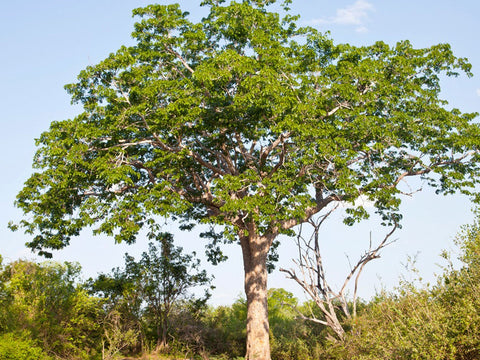 False Mahogany Tree: The Hidden Gem of Sustainable Landscaping
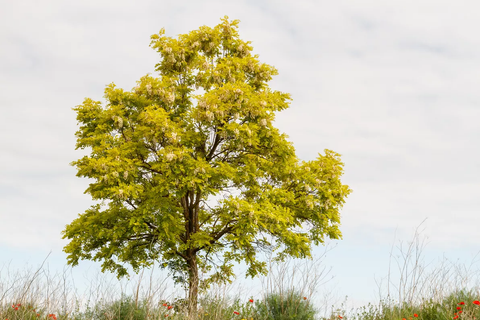 False Acacia Tree: The Hidden Gem for Sustainable Landscaping
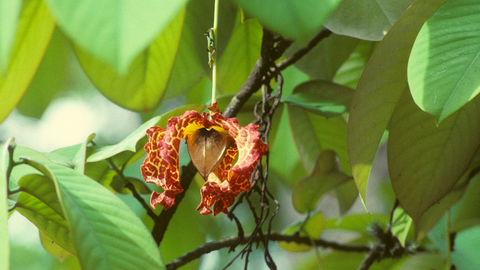 False Nutmeg Tree: Discover the Hidden Benefits and Myths of This Enigmatic Plant!
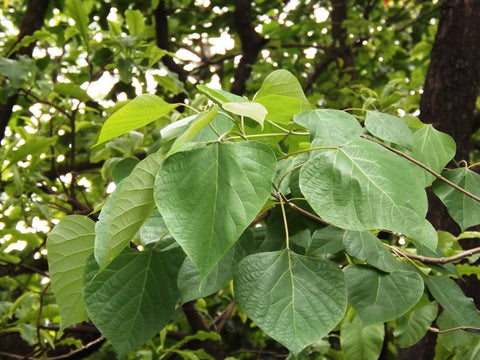 False White Teak Tree: The Hidden Threat to Your Garden and How to Identify It
 Tamarind Tree: Unveiling the Rich Tapestry, Historical and Cultural Significance
 Cannonball Tree Tree: Unveiling the Mysteries and Wonders of Nature's Unique Botanical Marvel


Leave a comment