
False White Teak Tree: The Hidden Threat to Your Garden and How to Identify It
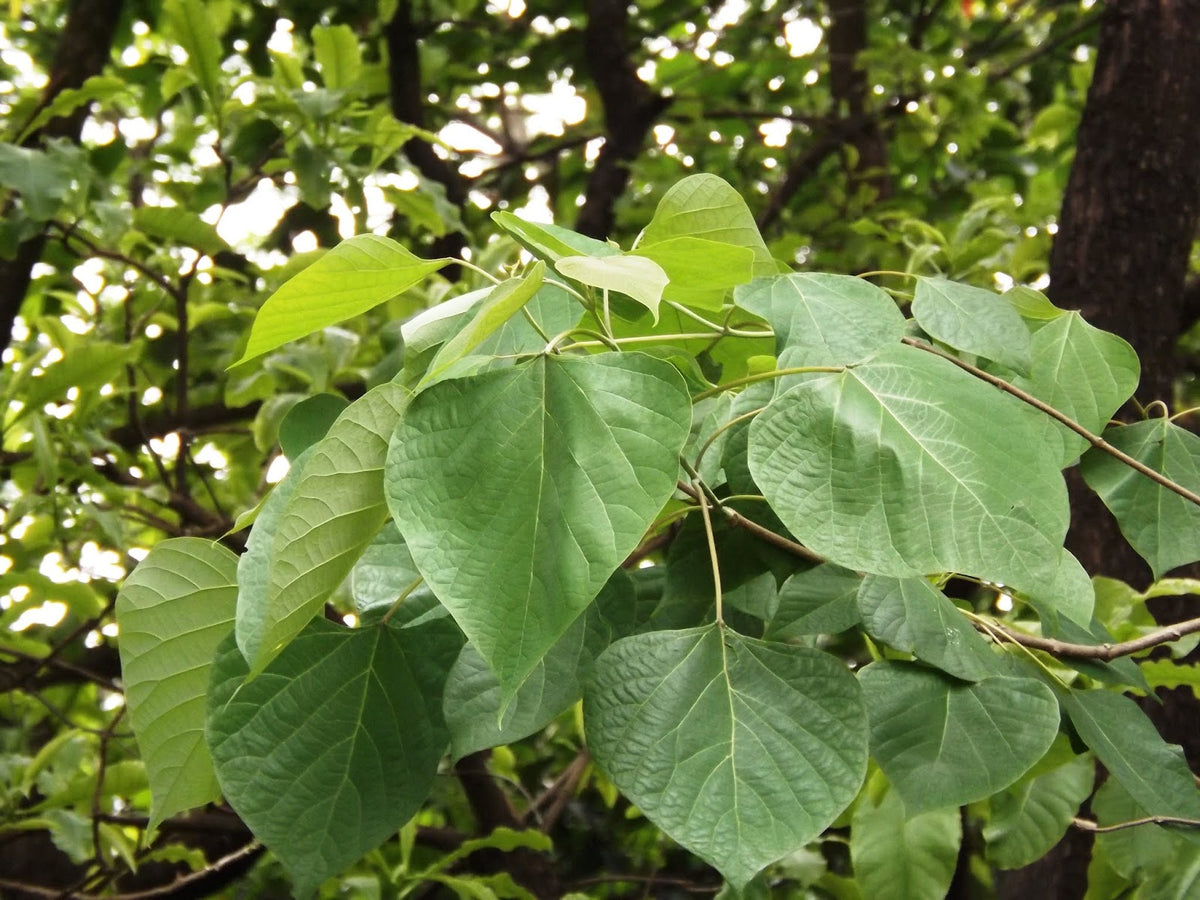
The False White Teak, scientifically known as Gmelina arborea, is a native Indian tree species widely called Gambhar, traditionally used for timber and agroforestry. While not invasive, ecological challenges arise only from large-scale monoculture plantations without planning. Identify it by heart-shaped leaves and rapid growth to 20–30 metres.
🌳 The False White Teak Tree, scientifically known as Gmelina arborea, is a native Indian tree species that is often misunderstood due to its common name. In India, it is widely known as Gambhar, Gamhar, or White Teak and has been traditionally used for timber, medicine, and agroforestry.
🇮🇳 Unlike popular misconceptions, Gmelina arborea is not invasive in India. In fact, it plays an important role in Indian forestry, rural livelihoods, and sustainable plantation models. However, challenges arise when it is planted as large-scale monocultures without ecological planning.
This blog explores the False White Teak Tree — its characteristics, ecological impact, correct identification, traditional uses, and how organizations like Grow Billion Trees Partners promote its responsible and balanced cultivation. 🌱
🌿 Understanding the False White Teak Tree
Gmelina arborea is native to India and naturally found in states such as Uttar Pradesh, Bihar, Jharkhand, Odisha, West Bengal, Madhya Pradesh, Chhattisgarh, Maharashtra, Andhra Pradesh, Telangana, Karnataka, and Tamil Nadu.
The tree grows rapidly and can reach heights of 20–30 meters, with a straight trunk and broad crown. Its large, heart-shaped leaves give it a lush appearance, making it popular for farm forestry and roadside plantations.
🪵 The wood is light, workable, and widely used for plywood, furniture, packing cases, matchsticks, and paper pulp.
🔍 Identifying the False White Teak Tree
Correct identification helps distinguish Gmelina from true teak (Tectona grandis) and other native species:
- Leaves: Large, soft, heart-shaped leaves arranged oppositely on the stem.
- Bark: Pale grey to yellowish-brown; smooth when young, slightly fissured with age.
- Flowers: Yellow to brownish-yellow flowers arranged in clusters, blooming in summer.
- Fruit: Fleshy, yellow drupe consumed by birds and wildlife.
⚠️ It is often called “False White Teak” because its wood resembles teak in appearance, but it is botanically different.
🌍 Environmental Impact in India
When grown responsibly, Gmelina offers several ecological benefits:
- Soil Improvement: Helps improve soil structure and organic matter.
- Biodiversity Support: Fruits attract birds and pollinators, supporting food chains.
- Carbon Sequestration: Fast growth enables quick biomass accumulation and carbon capture.
- Agroforestry Value: Performs well in mixed cropping systems.
However, problems arise when Gmelina is planted as large monoculture plantations. This can reduce undergrowth diversity, alter soil moisture patterns, and increase vulnerability to pests. Hence, mixed-species plantations are strongly recommended.
📜 Historical & Traditional Significance in India
For centuries, Indian communities have used Gmelina in Ayurveda and folk medicine. The bark, leaves, and roots are traditionally used to treat fever, inflammation, digestive disorders, and wounds.
The wood has been widely used in rural housing, bullock carts, musical instruments, and handicrafts—making it deeply embedded in India’s cultural and economic life.
🤔 Fun Facts About Gmelina arborea
- Can grow up to 2–3 meters per year under ideal Indian conditions.
- One of India’s most preferred trees for farm forestry.
- Fruits are loved by birds, aiding natural seed dispersal.
- Often harvested within 8–12 years, making it economically attractive.
Grow Billion Trees Partners: Responsible Plantation in India
Grow Billion Trees Partners promotes Gmelina arborea as part of balanced, science-backed plantation models rather than monocultures. 🌍
Their India-focused approach includes:
- Community Awareness: Educating farmers on mixed plantations and long-term sustainability.
- Restoration Projects: Using Gmelina in degraded land restoration with native companion species.
- Research & Monitoring: Studying ecological outcomes and best practices.
- Capacity Building: Training local communities in nursery development and agroforestry.
- ESG Alignment: Supporting CSR, ESG, and carbon programs responsibly.
🌳 Conclusion
The False White Teak Tree (Gmelina arborea) is not a villain in the Indian context, but a valuable native species when planted responsibly.
The key lies in informed planting, mixed-species models, and community-led forestry. Organizations like Grow Billion Trees Partners ensure that Gmelina contributes positively to biodiversity, livelihoods, and climate goals—without harming ecosystems.
As India advances toward large-scale restoration and green development, choosing the right tree in the right place will define the success of our forests.
By supporting native species and sustainable practices, we help build a resilient and balanced natural future for generations to come.
Further reading: Gamhar Tree: Celebrating the Beauty and Environmental Contributions of Gmelina Arborea · False Acacia Tree: The Hidden Gem for Sustainable Landscaping
Frequently Asked Questions
What is the False White Teak Tree?
A botanical imposter, the False White Teak Tree, or *Gmelina arborea*, is a fast-growing tree from Southeast Asia that charms with its beauty but wreaks havoc on local ecosystems. It's the tree equivalent of a party crasher, stealing the spotlight and resources from native plants.
How can I identify the False White Teak Tree?
Spotting this invasive villain is key to saving your garden! Look for its large, glossy leaves, light gray bark that ages into rough fissures, fragrant clusters of small white to yellow flowers, and its round capsules filled with seeds. It's like nature's version of a "Wanted" poster!
Why is the False White Teak Tree considered invasive?
This tree is a resource hog, outcompeting native plants for sunlight, water, and nutrients. Its rapid growth allows it to dominate landscapes, leading to biodiversity loss. Think of it as the overachiever in a group project, overshadowing the native flora and causing ecological chaos.
What are the environmental impacts of the False White Teak Tree?
The impacts are dramatic! This tree disrupts local ecosystems by causing biodiversity loss, degrading soil health, disrupting wildlife habitats, and increasing fire risks. It’s like a bad neighbor who throws loud parties every night, disturbing the peace for everyone else.
What historical context surrounds the False White Teak Tree?
Originally hailed for its timber, the False White Teak Tree was introduced globally in the 19th century without a thought for its ecological consequences. It’s the classic case of “what could go wrong?”—turns out, a lot when it comes to local ecosystems!
How does the False White Teak Tree affect local wildlife?
This tree's dominance can lead to a decline in native fauna, as local wildlife depends on native plants for food and habitat. It’s like a buffet where only one dish is served—everyone else goes hungry when the False White Teak takes over.
What is Grow Billion Trees Partners doing about the False White Teak Tree?
This organization is on a mission, aiming to plant one billion trees globally, prioritizing native species to combat invasive threats like the False White Teak Tree. They’re the eco-warriors fighting for biodiversity, one tree at a time!
How does Grow Billion Trees Partners engage communities?
They roll up their sleeves and work directly with local communities, educating them about the importance of native species and the dangers of invasive plants. It’s grassroots activism, turning the tide against ecological villains with knowledge and passion!
What partnerships does Grow Billion Trees Partners form?
Collaborating with local organizations, schools, and government agencies, they create a network of support for reforestation efforts. It’s a community effort, proving that teamwork makes the dream work when it comes to restoring native ecosystems!
How does Grow Billion Trees Partners utilize technology?
They’re not just planting trees; they’re using tech to map areas of need, track progress, and engage volunteers. It’s a data-driven approach that ensures they’re planting the right trees in the right places—because even trees need a plan!
What are some fun facts about the False White Teak Tree?
This speedy grower can shoot up to 3 meters in a year, has durable wood prized for furniture, boasts medicinal properties, and even has sacred significance in some cultures. It’s a tree with a resume that’s hard to ignore, but also one to beware!
Keep reading
 Gmelina Tree: The Ultimate Guide to Its Benefits, Uses, and Sustainable Growth
 Gamhar Tree: Celebrating the Beauty and Environmental Contributions of Gmelina Arborea
 False Acacia Tree: The Hidden Gem for Sustainable Landscaping
 False Mahogany Tree: The Hidden Gem of Sustainable Landscaping
 False Tamarind Tree: Unveiling the Mysteries and Benefits


Leave a comment